The Impact of Mobile Pet Adoption Platforms on Pet Adoption and Community Engagement
Introduction
The rise of mobile technology has transformed how people discover information and connect with one another. One notable development is the emergence of mobile-friendly pet adoption platforms that allow users to browse and adopt animals directly from their phones. This article explores how these services influence adoption rates, strengthen community ties, and shape the broader landscape of animal rehoming. By reviewing key features and outcomes, we highlight their potential to create a more compassionate future for pets and people alike.
The Rise of Mobile Pet Adoption Platforms
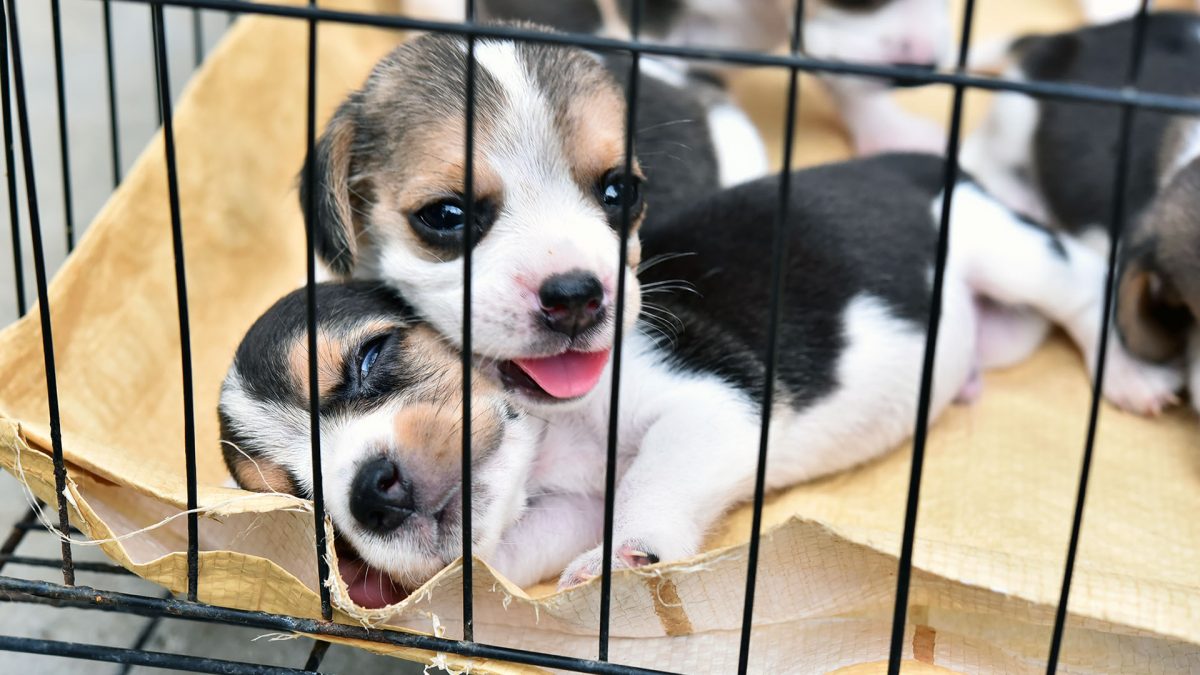
User-friendly apps now let prospective guardians filter by location, species, age, and temperament, making it simple to find a companion who fits any lifestyle. Owners who need to rehome a pet can also post profiles in minutes, widening the pool of potential adopters and shortening the time animals spend in transition.
Impact on Pet Adoption Rates
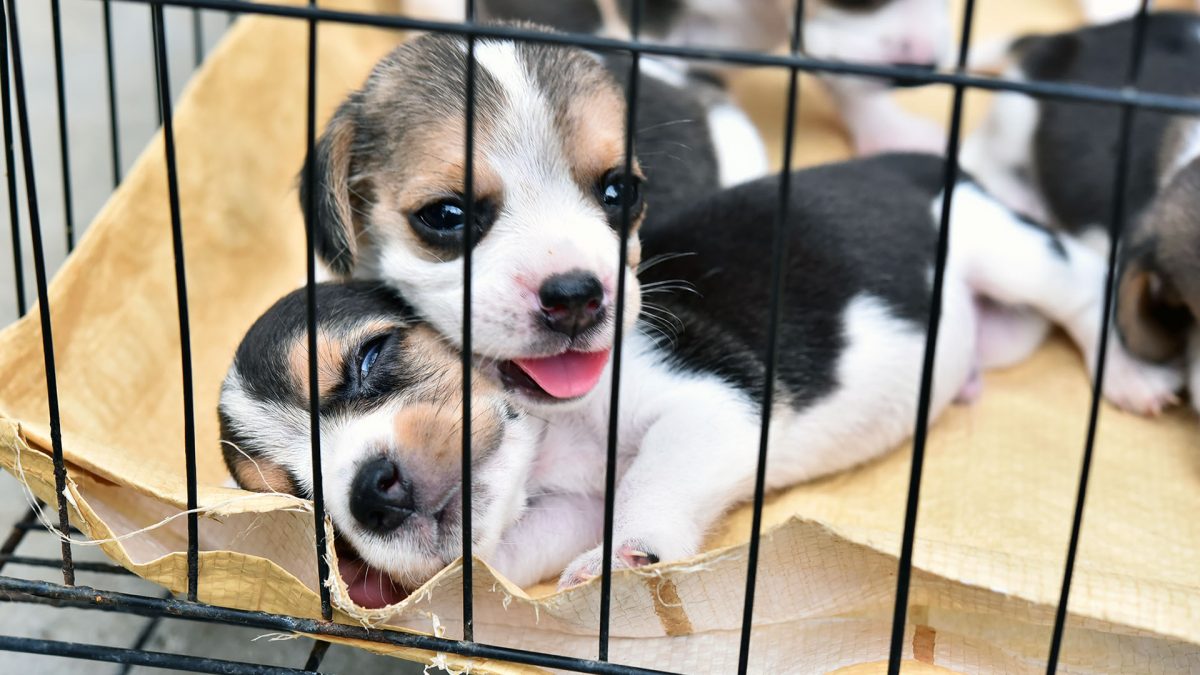
Streamlined, on-the-go access removes many traditional barriers—such as limited shelter hours or distant facilities—so more animals move into permanent homes. Research indicates that when adoption listings are available on mobile devices, overall placement figures often rise, because busy families can view photos, read bios, and begin the application process instantly from home.
Fostering Community Engagement
Beyond matching pets with families, these networks nurture a sense of shared responsibility. Discussion boards, event calendars, and care tips encourage users to exchange advice, organize meet-ups, and volunteer for local rescue initiatives. Over time, this online interaction frequently spills into offline cooperation, creating tighter, more supportive neighborhoods centered on animal welfare.

Challenges and Limitations
Despite clear benefits, mobile adoption spaces face ongoing hurdles. Misleading descriptions or outdated photos can place pets or adopters at risk, underscoring the need for identity verification and clear photo guidelines. Additionally, the platform itself cannot always confirm the health or behavior of every animal, so users must ask thorough questions, request veterinary records, and, when possible, arrange in-person visits before committing.
Conclusion

Mobile pet adoption services have already expanded the reach of rescue efforts and cultivated vibrant communities of animal lovers. Continued refinement—especially in safety protocols, educational outreach, and data transparency—will determine how effectively these tools reduce homelessness and promote responsible guardianship in the years ahead.
Recommendations and Future Research
To maximize positive outcomes, stakeholders are encouraged to:
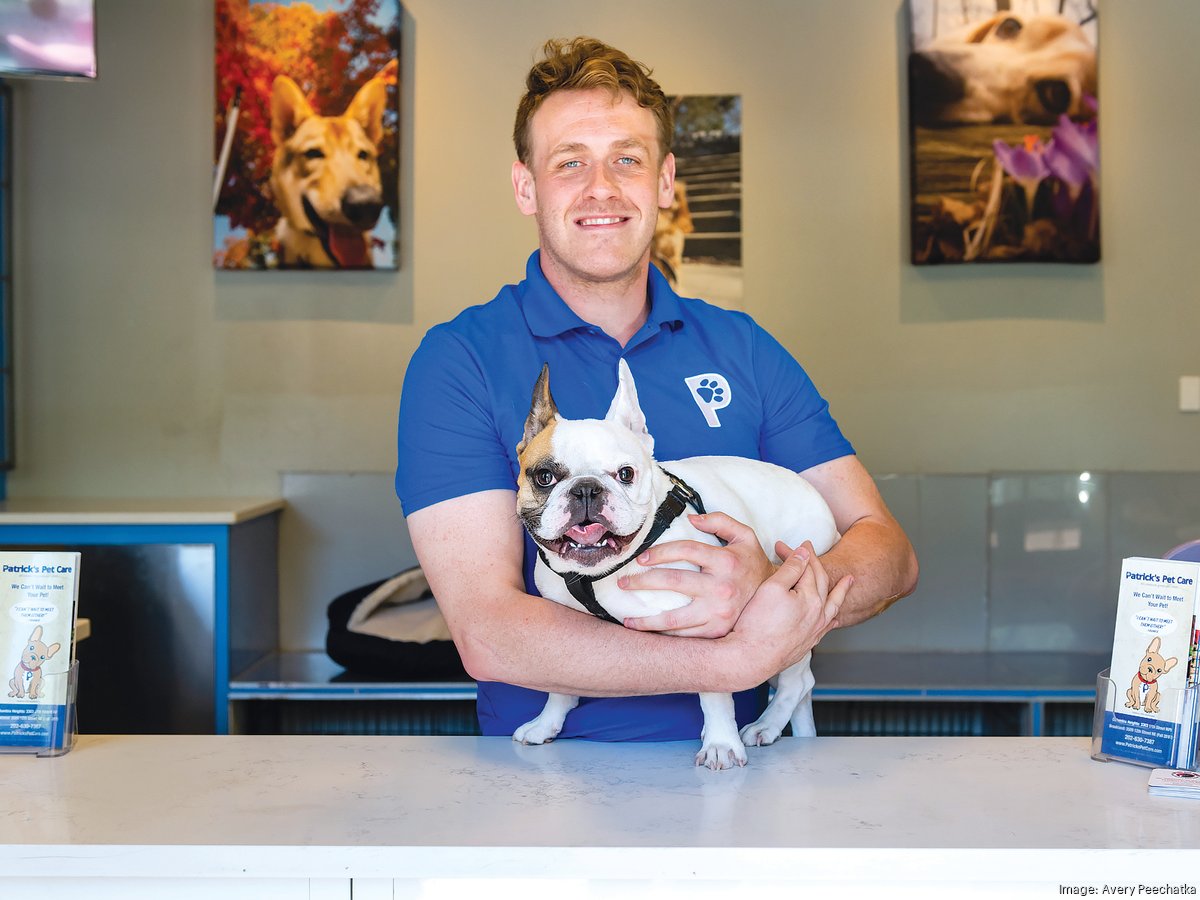
1. Introduce multi-step verification for posters and adopters, including reference checks and secure messaging.
2. Partner with veterinarians and trainers to embed basic care tutorials, behavioral tips, and post-adoption support within the app.
3. Track long-term retention rates, guardian satisfaction, and pet well-being to refine algorithms and user guidance.
Future studies could investigate:
1. How mobile adoption tools affect regional shelter intake and euthanasia statistics.
2. The emotional benefits for adopters who use digital platforms compared with traditional shelter visits.

3. Strategies for turning short-term online interest into sustained community involvement and lifelong responsible ownership.