Title: The Value of Local No-Kill Shelters: A Thoughtful Overview
Introduction:
Animal welfare has become a growing concern in many neighborhoods, prompting people to look for humane ways to care for lost or abandoned pets. One practical answer is the creation of nearby no-kill shelters. This piece explores why these shelters matter, how they affect animal well-being, and the advantages they bring to both pets and people. By looking at different angles, we can better understand their role and the importance of steady community backing.
Understanding No-Kill Shelters
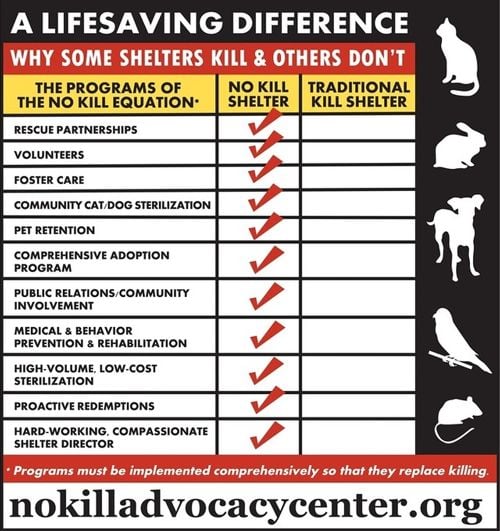
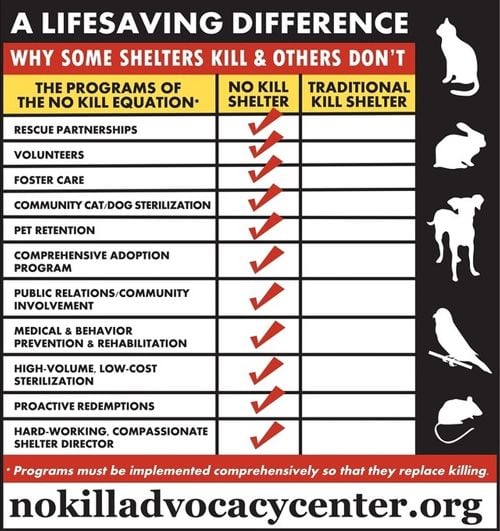
A no-kill shelter is defined by its promise to save every healthy or treatable animal that arrives. Instead of putting animals down because of limited space, these shelters turn to foster networks, adoption drives, and teamwork with rescue groups to give each animal a fresh start.
The Importance of Nearby No-Kill Shelters
Having a no-kill shelter close by offers several benefits. First, it gives stray or abandoned animals immediate access to food, medical care, and a secure place to stay, which lowers the number of animals left to fend for themselves on the streets.
Second, local no-kill facilities help drive down euthanasia rates nationwide. By choosing care over convenience, they shrink the total of animals put down simply because room has run out.
The Benefits of No-Kill Shelters
The positive effects reach farther than the animals themselves:
1. Animal Welfare: These shelters focus on proper nutrition, routine vet checks, and enrichment, leading to healthier, happier pets.
2. Community Engagement: They act as gathering spots for adoption fairs, school visits, and volunteer days, encouraging responsible pet ownership and compassion.

3. Economic Upside: Fewer euthanasias mean lower municipal costs for animal control, medical care, and disposal, keeping tax dollars in check.
4. Lower Homelessness: By matching a wide variety of animals with new families, they ease the cycle of overpopulation and surrender.
Challenges and Solutions
No-kill shelters still face hurdles. Funding is a constant worry, as many depend on donations and grants. Creative fundraising, corporate partnerships, and small-scale grant applications can diversify income streams.

Another need is for more temporary foster homes. Shelters can host orientation nights, supply starter kits, and celebrate foster successes to inspire new helpers.
Success Stories and Testimonials
Cities across the country have seen dramatic drops in euthanasia after committing to no-kill principles. Volunteers regularly share how rewarding it is to watch a shy dog blossom or a senior cat finally curl up on a warm lap.
One longtime volunteer reflects:

Walking dogs and socializing cats at our neighborhood no-kill shelter has filled my weekends with purpose. Seeing animals leave for loving homes reminds me that small acts add up to big changes for both pets and people.
Conclusion
Nearby no-kill shelters serve as safe bridges between homelessness and a new life. They ease the burden on public services, teach kindness, and give entire communities a sense of pride. Continued support—through donations, adoptions, or simply spreading the word—keeps these bridges strong.
By investing time, funds, or love in a local no-kill shelter, each person helps build a friendlier world for animals and humans alike. The movement’s future depends on steady collaboration, creative problem-solving, and the shared belief that every life matters.

Ultimately, no-kill shelters stand as daily proof that compassion can be practical, and second chances are always worth pursuing.