Exotic Cat Breeds: A Friendly Overview
Introduction
Cats come in countless shapes and colors, but exotic breeds stand out for their eye-catching looks and captivating histories. This quick guide introduces some of the most beloved exotic breeds, outlines their typical traits, and offers tips for anyone thinking about welcoming one into the home.
Where Exotic Breeds Come From
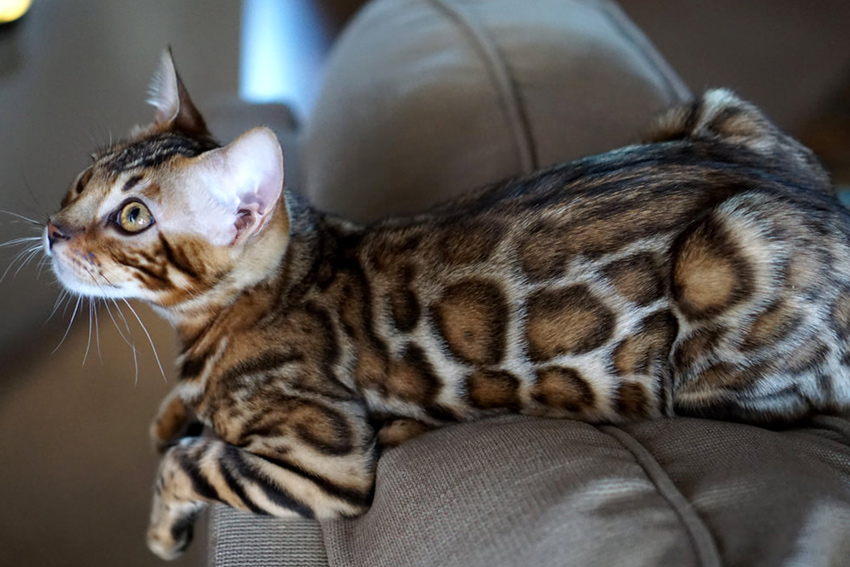
Many of today’s exotic breeds were developed through careful, selective pairing of cats from different regions. Breeders aimed to emphasize coat quality, body type, or personality. Over time, these efforts produced cats that are now recognized around the world for their distinctive charm.
Key Traits of Exotic Breeds
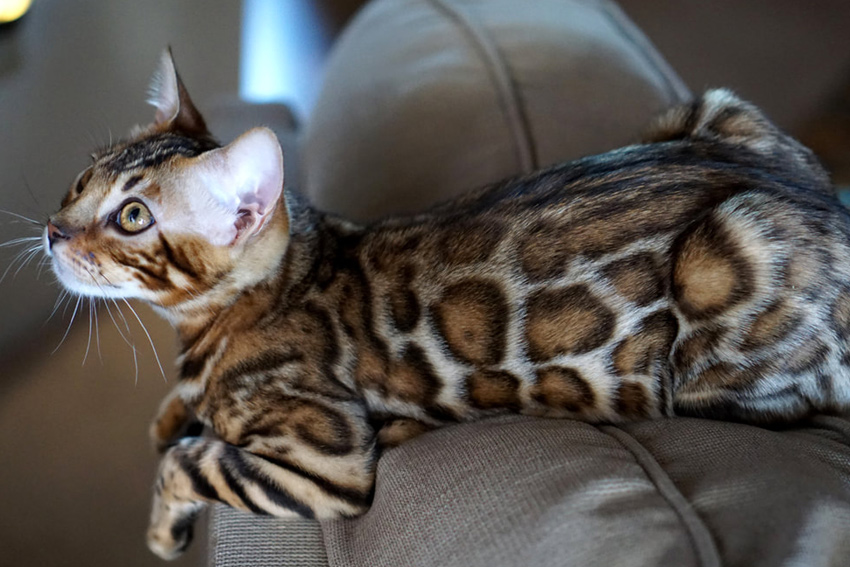
While every cat is an individual, exotic breeds often share several noticeable features:
Appearance
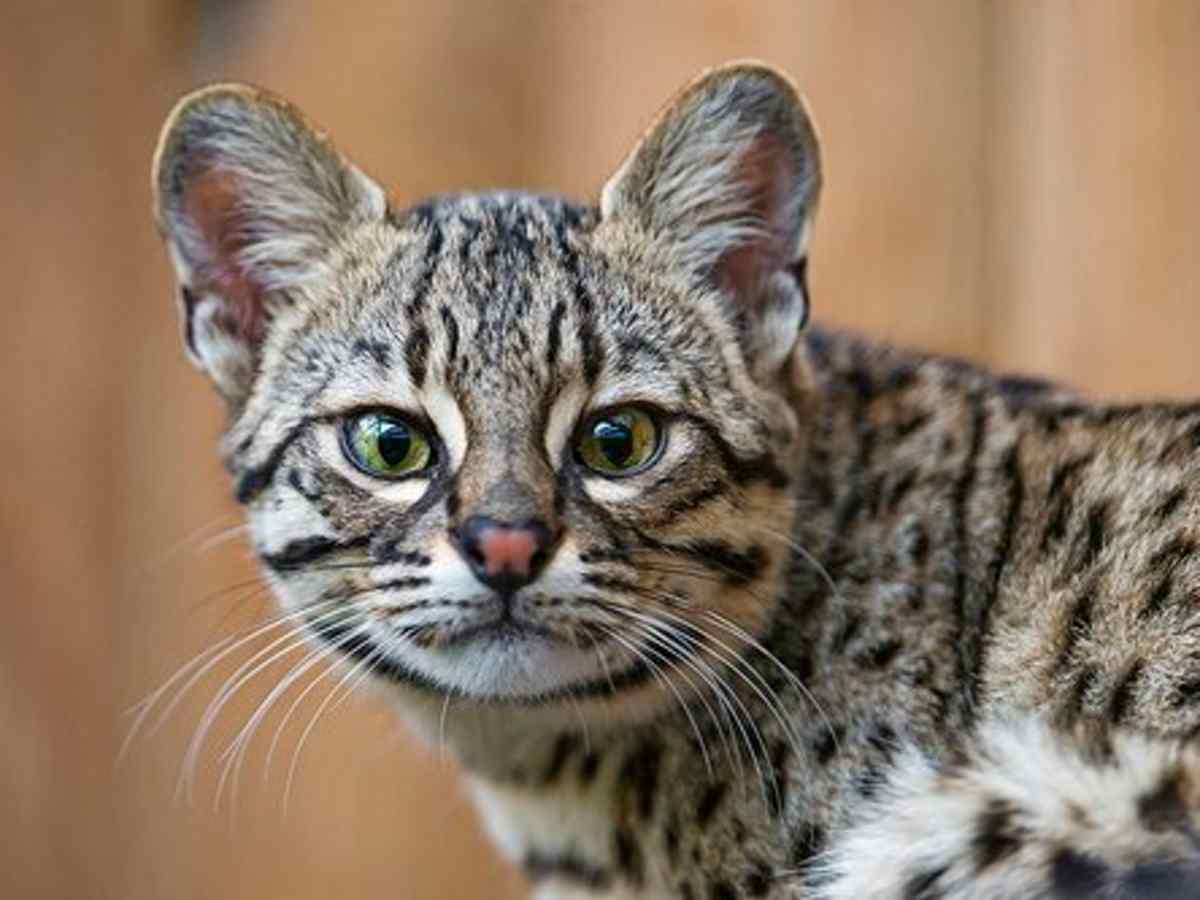
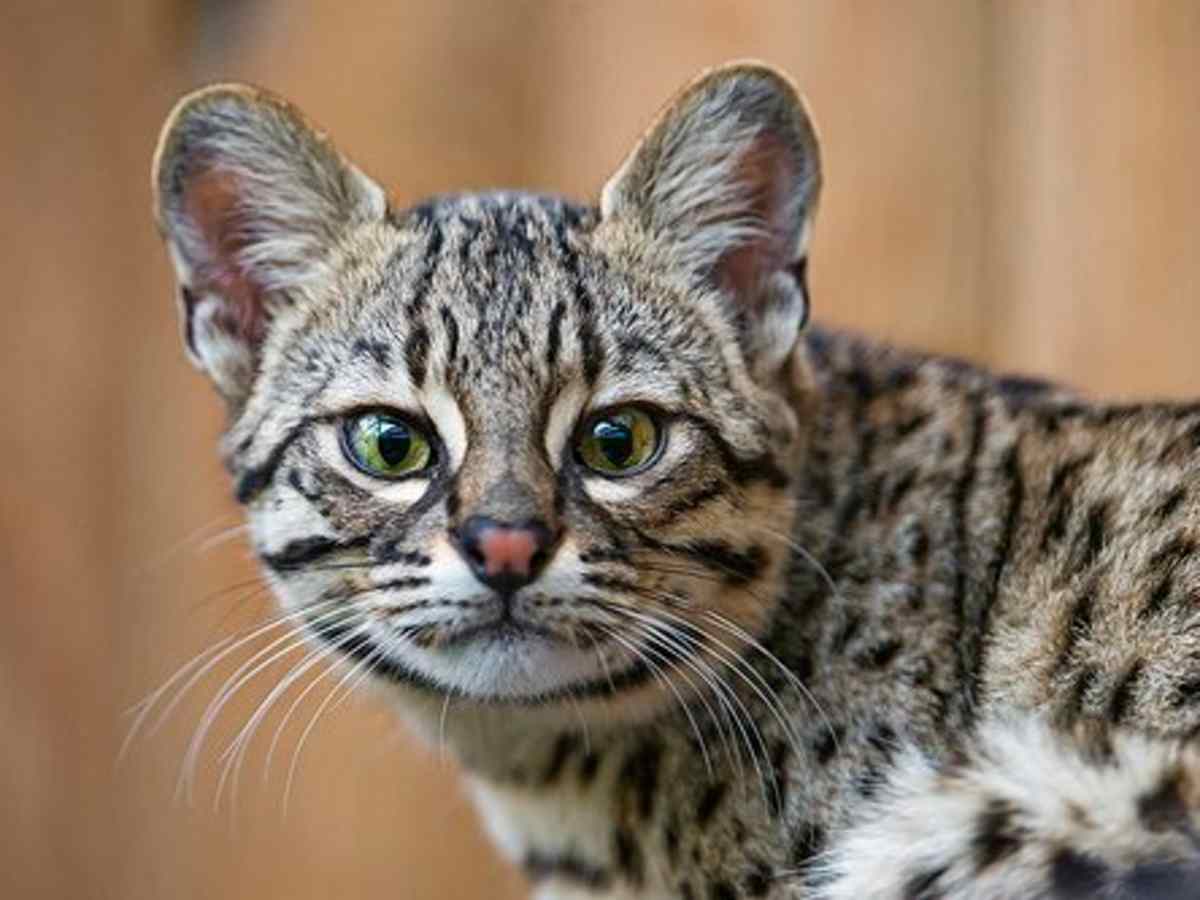
Expect lush coats, unusual markings, or impressive size. Some have flowing manes, others short plush fur, but all tend to turn heads.
Temperament
Most exotic cats are affectionate and quick to learn household routines. Many enjoy games, puzzles, and plenty of lap time, though energy levels can vary.
Health
Like any purebred, exotic cats can inherit certain conditions. Prospective owners should read up on common issues for the chosen breed and plan regular vet visits.
Popular Exotic Breeds to Consider
Maine Coon

This gentle giant sports a shaggy coat and an easy-going nature. Maine Coons usually adapt well to families, singles, or multi-pet homes.
Siberian
Built for cold climates, the Siberian has a thick, water-resistant coat and a playful, people-oriented attitude.

Persian
Known for a sweet, quiet personality and a luxurious long coat, Persians prefer calm surroundings and daily grooming.
Exotic Shorthair
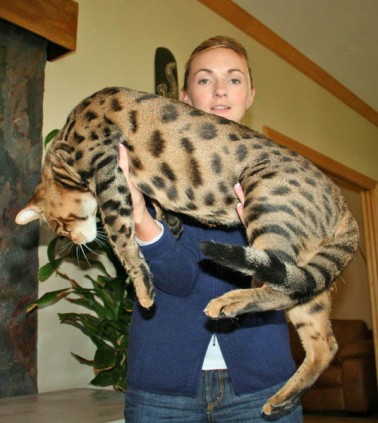
Think of the Persian’s cuddly nature in a low-maintenance package. The short, dense coat needs minimal brushing, making this breed ideal for busy households.
Points to Ponder Before Adopting
Research
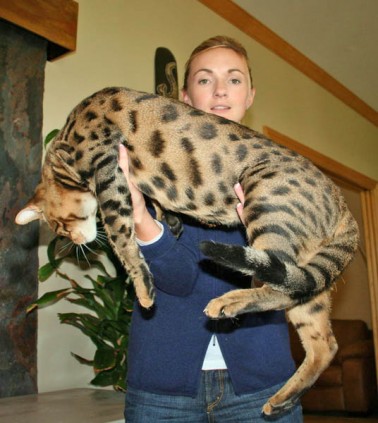
Learn about grooming needs, activity levels, and possible health concerns to be sure the breed suits your lifestyle.
Ethical Sources
Choose breeders or rescues that prioritize health screenings, socialization, and transparent practices.

Budget
Purebred cats can cost more up front and may need specialized food, grooming tools, or veterinary care. Plan for both initial and ongoing expenses.
Time and Commitment
Many exotic breeds thrive on interaction. Daily play, brushing, and companionship help prevent boredom and keep coats tangle-free.
Conclusion
Exotic cat breeds bring beauty and personality to any home willing to meet their needs. With thoughtful research and responsible sourcing, future owners can enjoy years of affection and amusement from these remarkable feline companions.