Where Can I Admire Seals Responsibly: A Practical Overview
Introduction
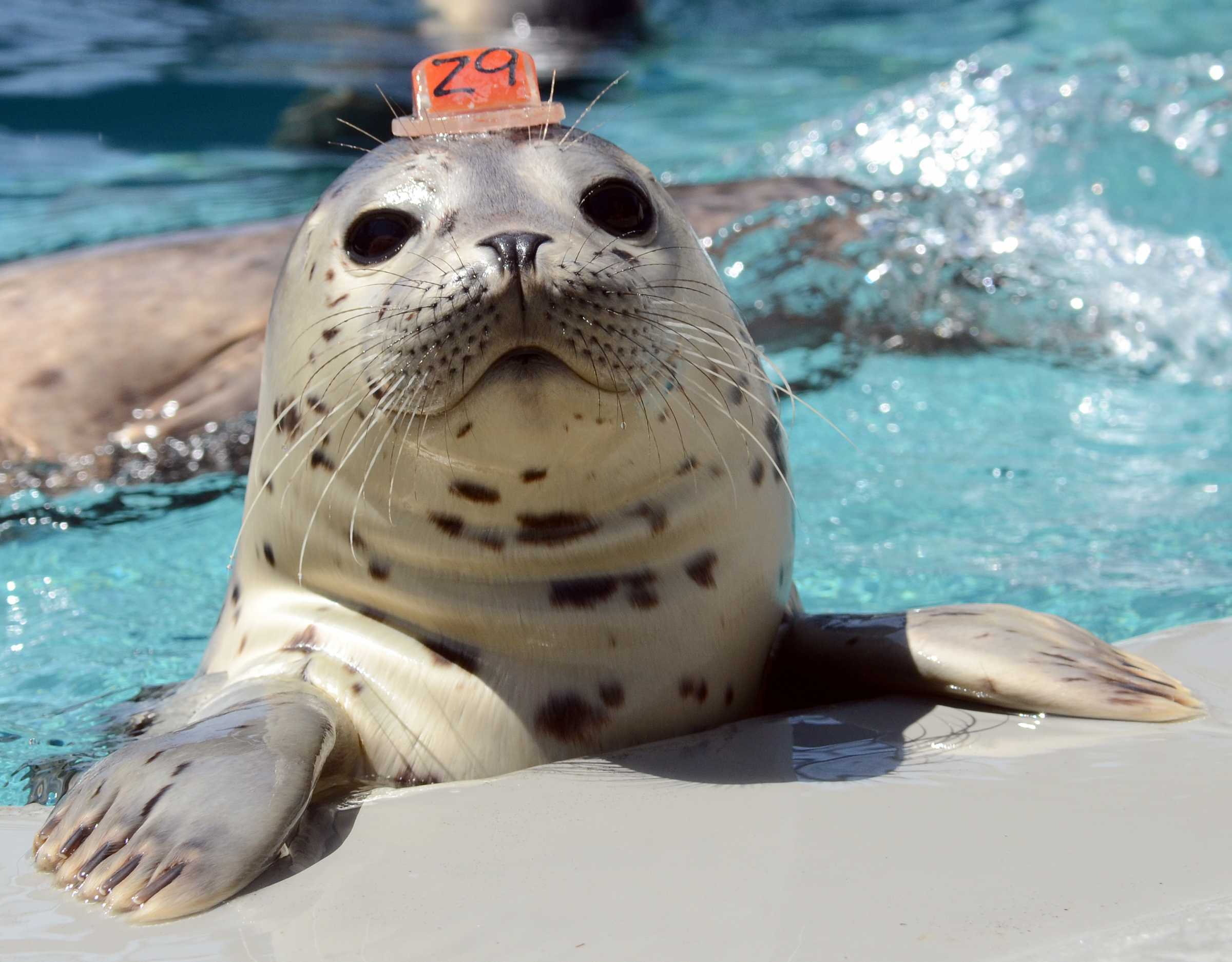
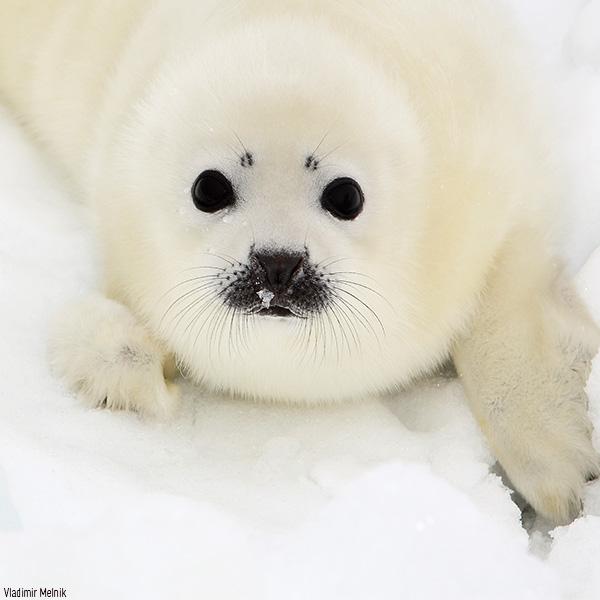
Seals, with their playful nature and endearing looks, often inspire people to wonder about keeping them close. Yet the idea of bringing a seal home raises serious legal, ethical, and practical questions. This overview outlines what you need to know before seeking any contact with these marine mammals, highlights responsible ways to appreciate them, and stresses the value of protecting their natural way of life.
The Legalities of Interacting with Seals
Legal Protections for Seals
Most countries strictly regulate contact with wild seals. These rules aim to safeguard the animals from disturbance and to preserve fragile coastal ecosystems. In many regions, it is illegal to capture, transport, or keep a seal without special authorization granted only to qualified facilities.
Permits and Oversight
Where limited exceptions exist, the permitting process is rigorous. Applicants must prove a legitimate need—typically scientific study, public education, or rehabilitation—and submit detailed plans for housing, nutrition, veterinary care, and eventual release or long-term placement in an accredited center.
Ethical Considerations
Animal Welfare First
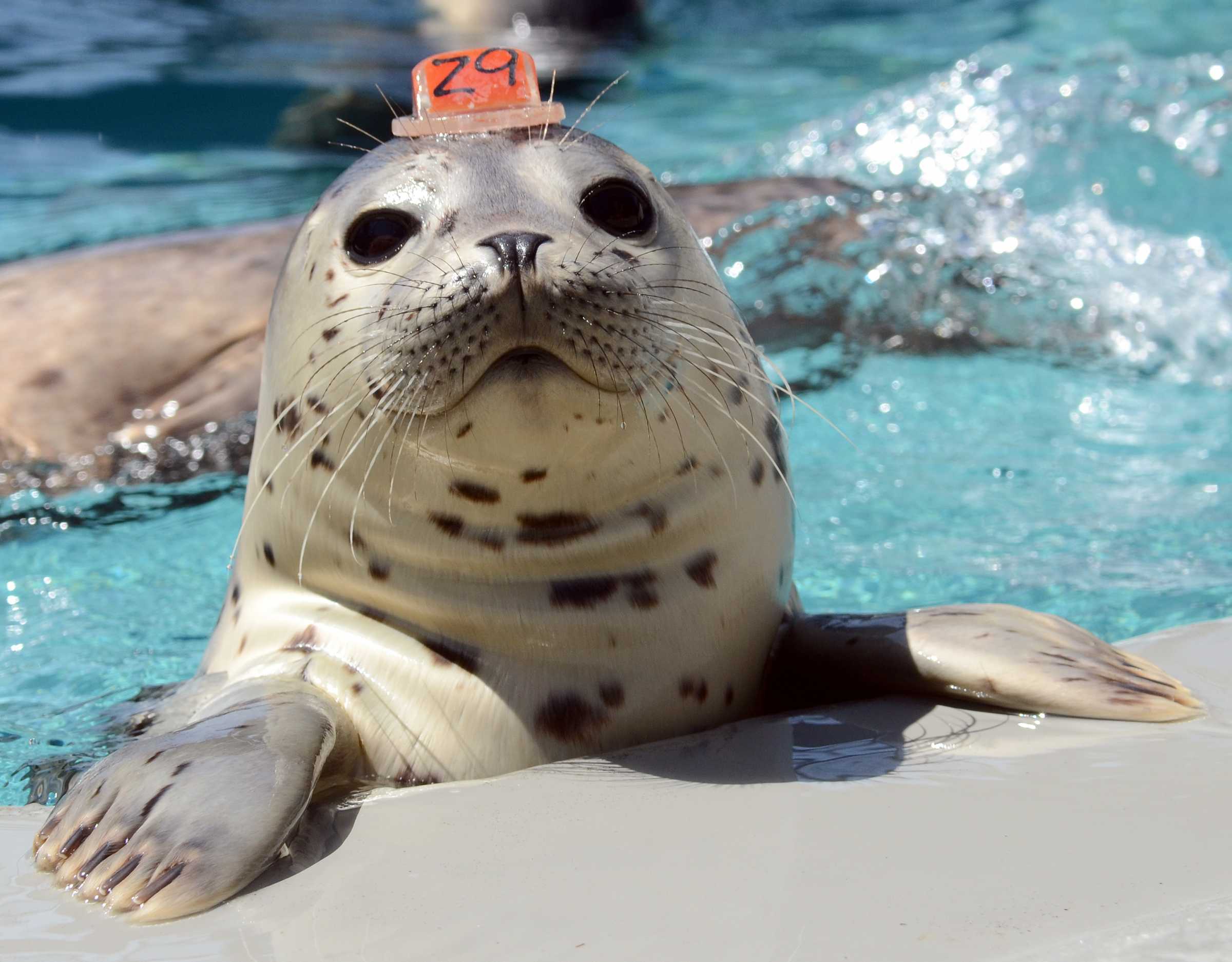
Seals are highly intelligent, wide-ranging animals that depend on complex social groups and the open sea. Removing them from this environment can cause chronic stress and behavioral problems. Even well-meaning enthusiasts usually lack the resources to meet these needs fully.
Responsible Alternatives
Rather than trying to own a seal, you can observe them in the wild from a respectful distance, volunteer with certified rescue organizations, or visit accredited aquariums and sanctuaries that prioritize conservation and education over entertainment.
Finding Ethical Encounters
Trusted Facilities
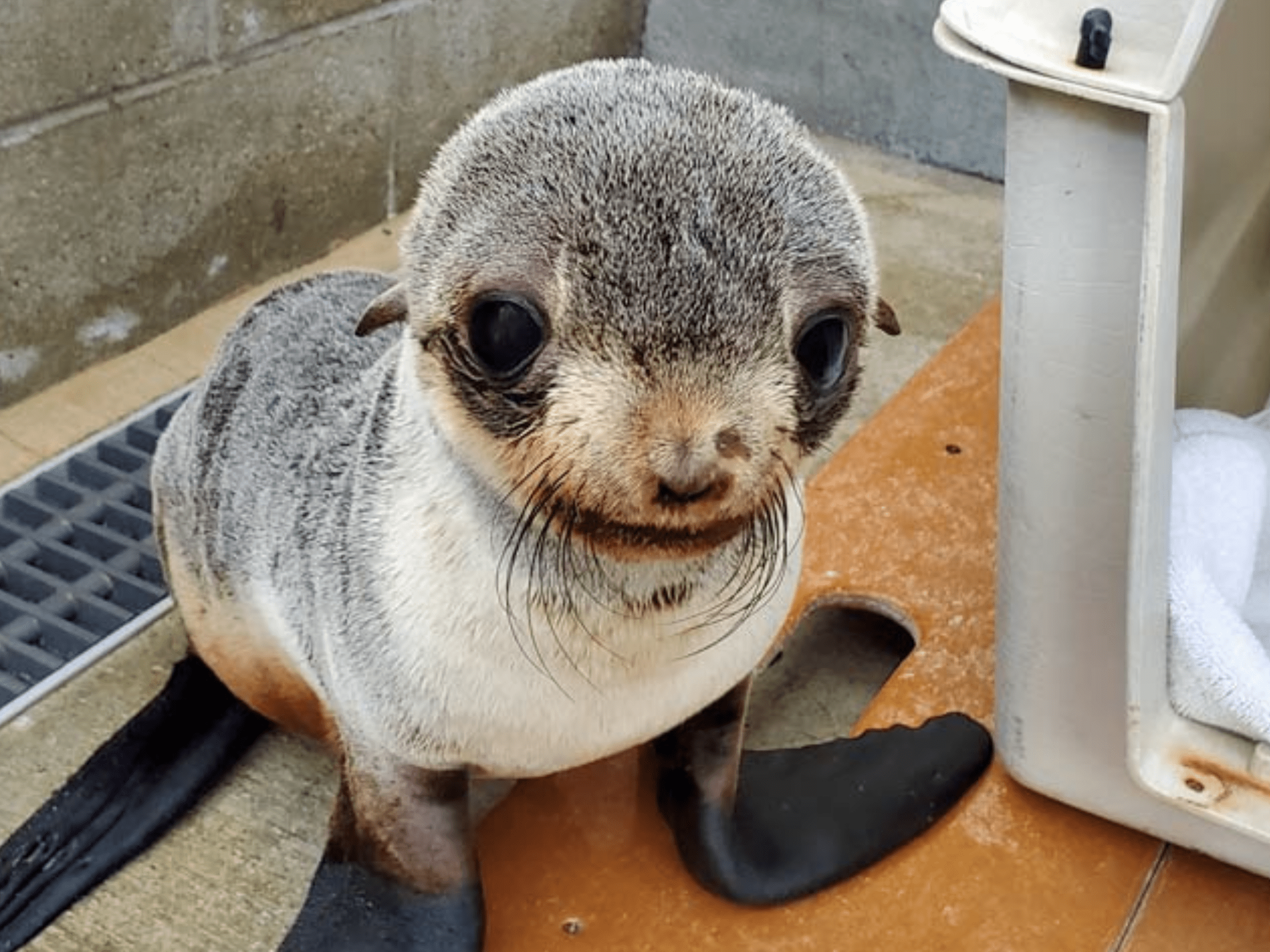
Look for centers accredited by recognized marine-mammal associations. Such facilities follow strict welfare standards, employ trained biologists and veterinarians, and funnel profits back into research and habitat protection.
Avoiding Risky Sources
Be wary of any website or social-media post offering “unique seal experiences” for a fee. Illicit operators may separate pups from mothers or keep animals in substandard conditions. Always verify credentials, read independent reviews, and confirm that any interaction supports recognized conservation goals.
The Realities of Seal Care
Specialized Needs
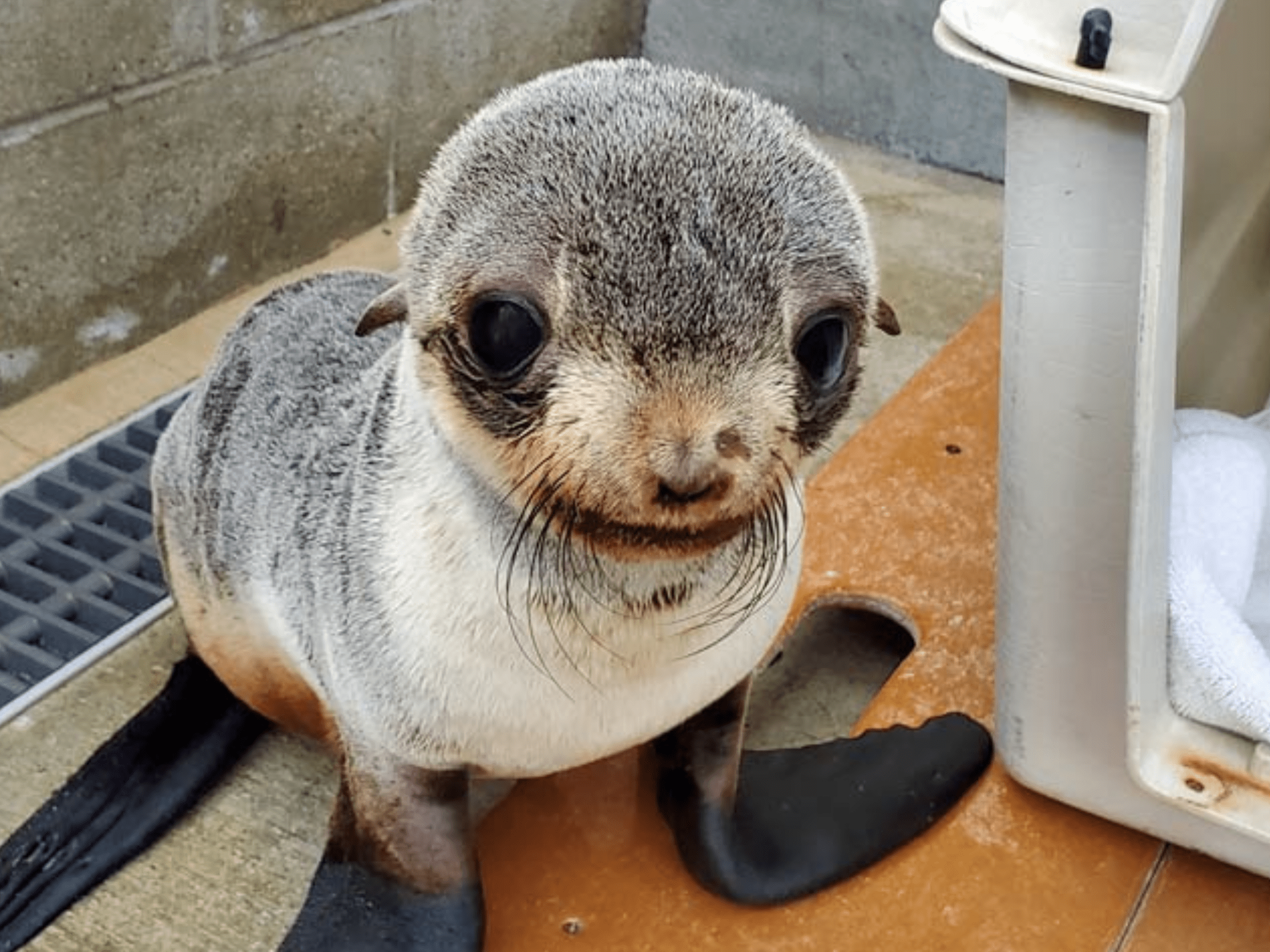
Seals require large saltwater enclosures, constant water-quality monitoring, species-appropriate diets, and round-the-clock veterinary care. The cost and expertise involved far exceed what private individuals can typically provide.
Social and Behavioral Challenges
Because seals are gregarious, isolating a single animal can trigger anxiety and aggression. Providing a compatible group is rarely feasible outside professional settings, making private ownership inadvisable on welfare grounds.
Conclusion
The desire to be near seals is understandable, but the best way to honor them is to support efforts that keep them in, or return them to, the wild. By choosing responsible viewing opportunities, backing reputable conservation programs, and spreading awareness, you contribute to the survival of these captivating marine mammals.
Final Thoughts
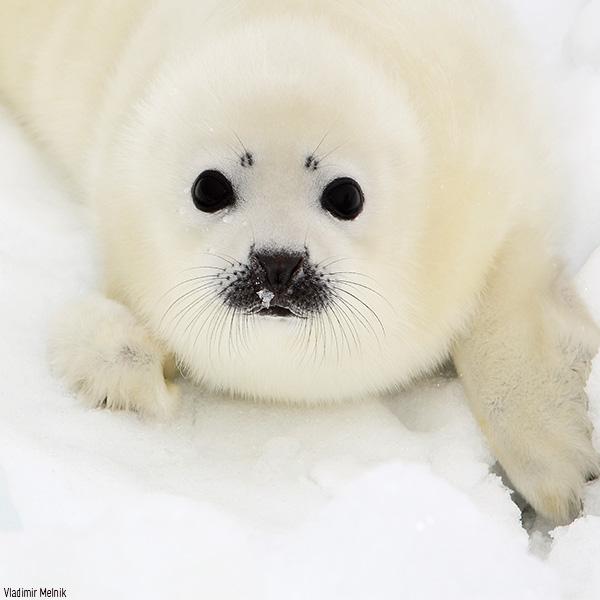
Responsible stewardship begins with informed choices. Before seeking any direct contact, weigh the animals’ needs against personal wishes, respect local laws, and champion initiatives that protect natural habitats. In doing so, you help ensure future generations can also delight in watching seals thrive where they belong—the open ocean.
Continued public education and funding for habitat preservation remain vital. Support beach-clean-up drives, sustainable fisheries, and research projects that monitor seal health, so these playful creatures continue to grace our coastlines for decades to come.