Adopting a Giant Rabbit: A Friendly Guide to Daily Care and Happiness
Introduction
Bringing a giant rabbit home can fill your days with gentle nose-nudges and quiet companionship. These oversized bundles of fur—think of breeds like the Flemish Giant or the Giant Angora—combine impressive size with calm, affectionate personalities. Yet their larger-than-life charm comes with equally large responsibilities. This guide walks you through everything you need to know, from setting up the perfect living space to keeping your bunny healthy and content for years to come.

Understanding Giant Rabbits
What is a Giant Rabbit?
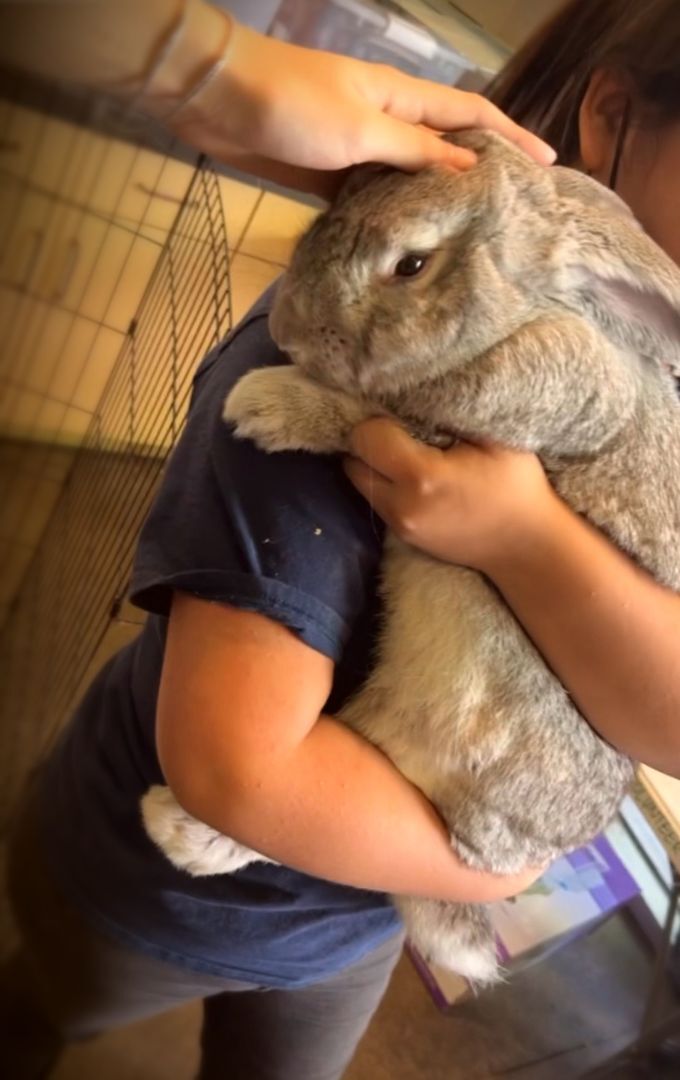
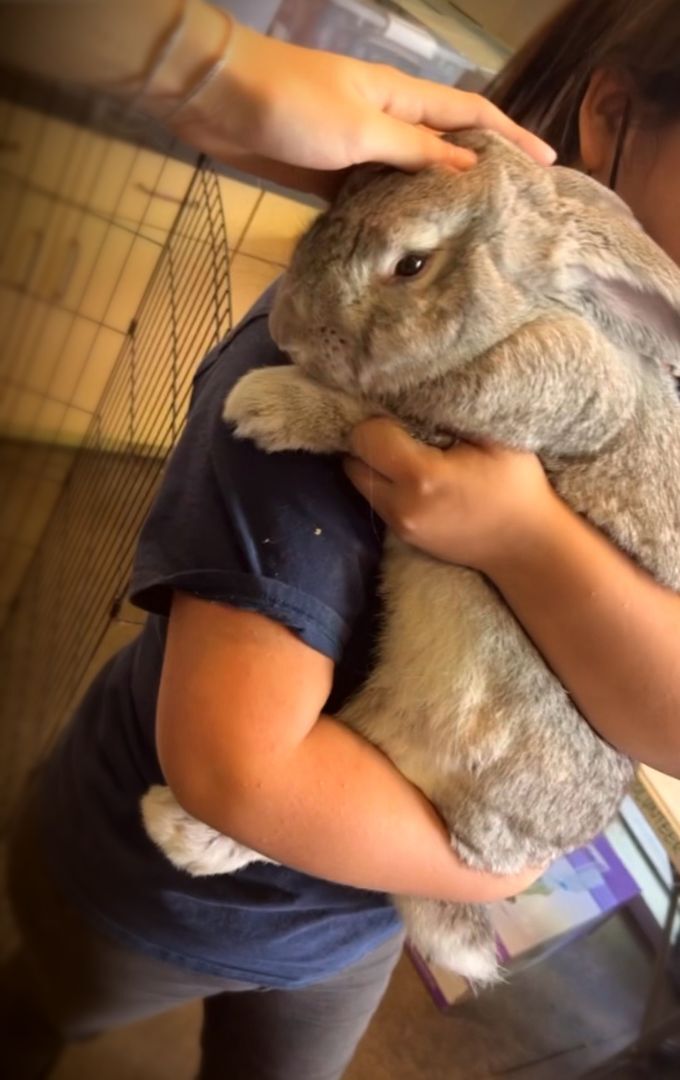
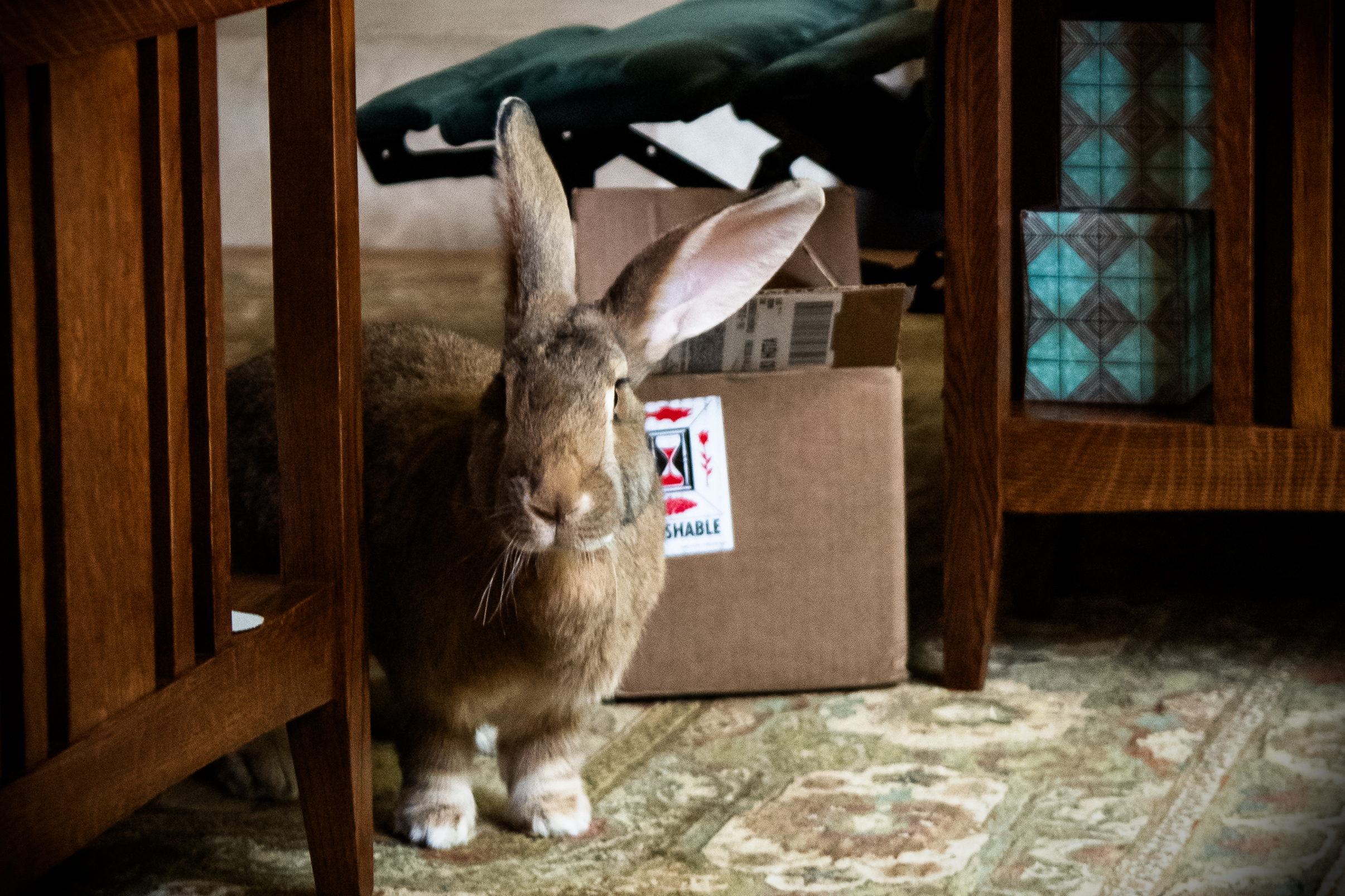
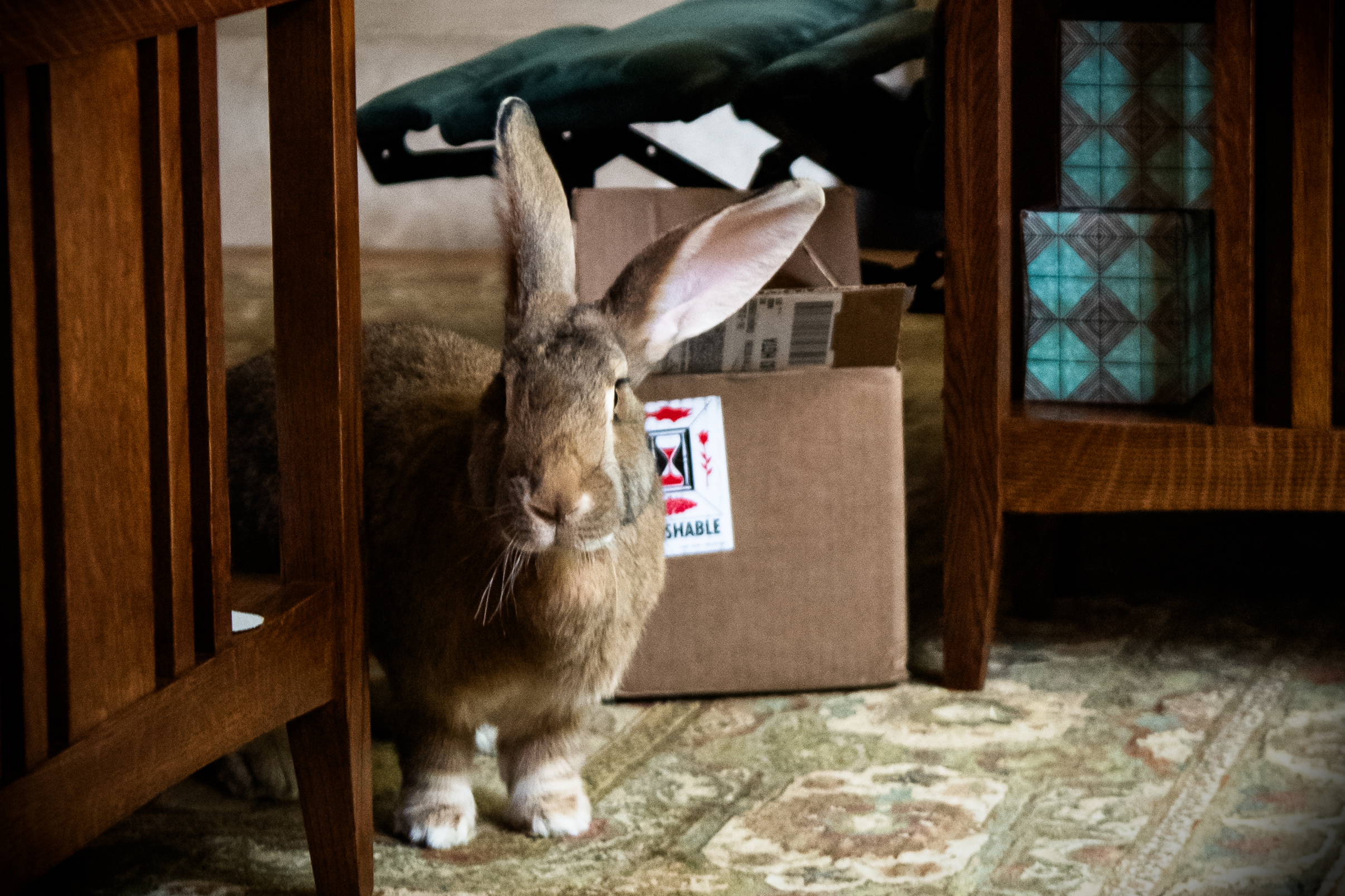
Giant rabbits are simply domestic breeds that tip the scales well beyond the average bunny. Most weigh between 14 and 30 pounds and can share your life for 8–12 years when cared for properly. Despite their bulk, they are mellow, people-oriented pets who often enjoy leaning against your leg for a good head-rub.

Popular Giant Rabbit Breeds
Several breeds fall into the “giant” category:
– Flemish Giant: The heavyweight champion, sometimes reaching 30 pounds, prized for its laid-back attitude and dense, silky coat.
– Giant Angora: A fluff-cloud weighing up to 20 pounds, sporting long fiber that needs regular brushing to stay tangle-free.
– English Giant: A slightly smaller cousin at around 14 pounds, known for easy-going manners and a love of gentle attention.
Preparing for Adoption
Choosing the Right Rabbit
Ask yourself three questions before hopping into adoption:
– Space: Can you offer a roomy pen plus safe play areas indoors or out?
– Time: Are you ready for daily feeding, grooming, and supervised exercise?
– Budget: Quality hay, sturdy housing, and periodic vet visits add up; plan accordingly.
Finding a Reputable Breeder or Shelter
Look for caregivers who keep their rabbits in clean, spacious conditions, willingly answer questions, and provide health records. A good source will also take the rabbit back if your situation changes.
Housing Requirements
Indoor vs. Outdoor Living

Giants thrive in either setting as long as safety and comfort come first. Below are the basics for each option.
Indoor Living
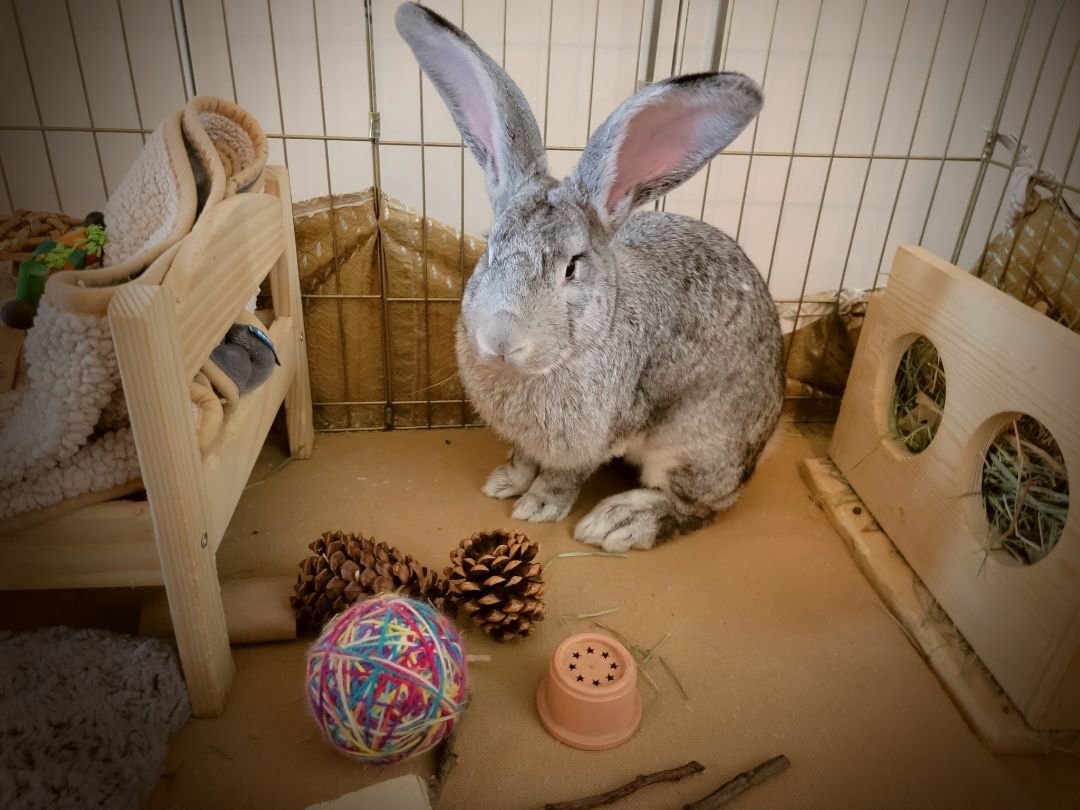
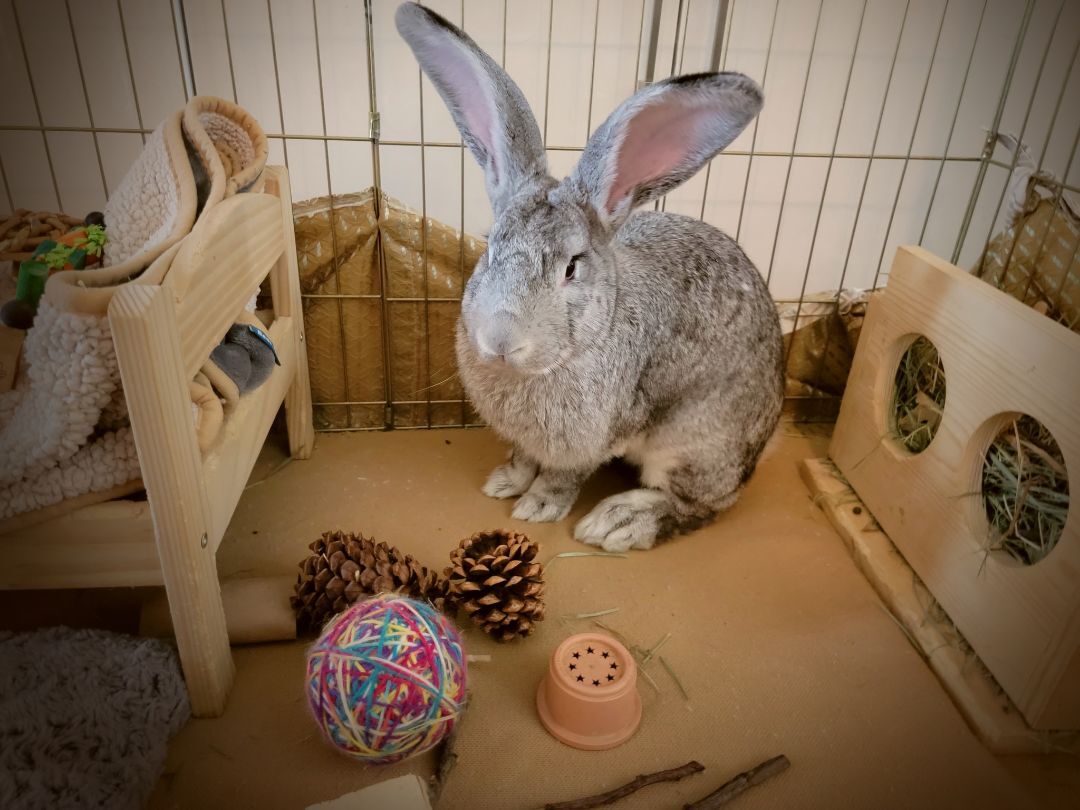
– Pen or Hutch: Aim for at least 4 ft long, 2 ft wide, and 3 ft high so your rabbit can stretch fully and stand on hind legs without bumping the ceiling.

– Bedding: Layer paper-based litter or soft straw for cushioning and odor control.
– Ventilation: Place the enclosure in a draft-free zone with fresh airflow to keep humidity down.
Outdoor Living
– Weather-proof Hutch: Choose treated wood and a raised, waterproof roof; add insulation panels for chilly nights.
– Secure Run: Attach a predator-proof exercise yard with mesh strong enough to resist digging and chewing.
– Hideaway Box: Offer a cozy nook inside the run where your bunny can retreat from sun, wind, or rain.
Dietary Needs
Feeding Your Giant Rabbit
A balanced menu prevents obesity and keeps digestion running smoothly.

– Unlimited Hay: Provide fresh timothy, orchard, or meadow hay daily; it should make up about 80 % of the diet.
– Measured Pellets: Offer a small bowl of high-fiber pellets—roughly a quarter cup per five pounds of body weight—to avoid weight gain.
– Fresh Water: Refill bowls or bottles twice a day; hydration is critical for kidney and gut health.

– Occasional Treats: Stick to fibrous veggies like romaine, herbs, or a slice of carrot; keep sugary fruits to a minimum.
Grooming and Health Care
Grooming Your Giant Rabbit
Regular upkeep keeps your bunny comfortable and your home fur-free.
– Brushing: Comb long-haired breeds two to three times a week; short coats need a weekly once-over to remove loose hair.
– Nail Trims: Clip tips every four to six weeks, taking care to avoid the pink quick.
– Ear Checks: Wipe outer ears gently with a damp cloth; alert your vet if you notice odor or discharge.
Health Care
Preventive attention heads off many common issues.

– Vaccinations: Follow your vet’s advice on region-specific shots to protect against serious diseases.
– Dental Care: Supply apple sticks, hay cubes, or untreated wicker baskets so teeth wear down naturally.
– Routine Exams: Schedule annual check-ups, or twice-yearly for seniors, to catch problems early.

Conclusion
A giant rabbit can become a gentle, entertaining member of your household when you meet its needs for space, nutrition, and companionship. Do your homework, prepare your home, and commit to daily interaction. In return, you’ll gain a loyal, long-eared friend who happily shares your quiet evenings and sunny weekend mornings alike.