Title: The Importance of Local Kitten Rescue Centers: A Comprehensive Overview
Introduction
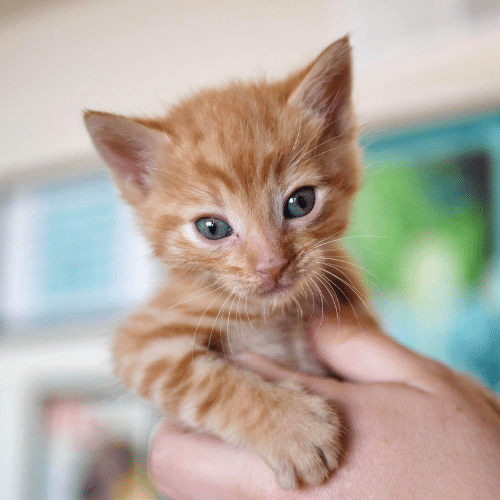
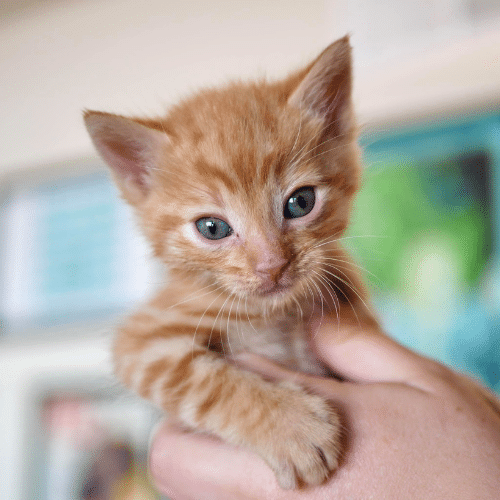
Local kitten rescue centers serve as vital sanctuaries for abandoned and stray kittens. These facilities offer food, medical attention, and a secure environment for vulnerable felines. This article examines why nearby kitten shelters matter, how they strengthen communities, and the mutual benefits they provide to animals and people alike.
The Problem of Homeless Kittens
Homeless kittens remain a global concern. Each year, countless cats enter shelters after being abandoned or born on the streets. Without intervention, these young animals face hunger, illness, and exposure to harsh weather and predators.
The Role of Local Kitten Shelters
Neighborhood kitten shelters act as a safety net for at-risk felines. Their core functions include:
– Rescue and Rehabilitation: Teams retrieve kittens from unsafe conditions and supply medical treatment, vaccinations, and spay or neuter services to prepare them for healthy lives.

– Temporary Care: Young kittens too small for adoption receive round-the-clock nurturing until they reach adoptable age.
– Adoption Support: Staff match kittens with suitable families through meet-and-greet events and counseling, ensuring lasting bonds.
Community Impact
Nearby kitten shelters benefit entire neighborhoods:
– Population Control: By taking in stray kittens and promoting spay/neuter, shelters help stabilize outdoor cat numbers, reducing noise, property damage, and disease transmission.
– Public Education: Outreach programs teach responsible pet ownership and encourage adoption over abandonment.
– Social Cohesion: Volunteering and adoption events bring residents together around a shared love of animals, fostering kindness and cooperation.

Benefits for All Involved
Kitten shelters create positive outcomes across the board:
– For Kittens: They gain safety, nutrition, and medical care essential for healthy growth.
– For Adopters: Families find affectionate companions whose personalities have been assessed by caregivers.
– For Volunteers: People of all ages develop new skills, friendships, and the satisfaction of saving lives.
Success Stories
Shelters regularly share heart-warming updates: tiny orphans grow into playful pets, chronically shy cats blossom in quiet homes, and senior citizens discover renewed purpose by fostering litters. Each adoption represents a second chance.
Challenges and Solutions
Common obstacles include limited funds, space, and staffing. Shelters address these issues by:
– Diversifying Funding: Grant applications, community drives, and online campaigns provide steady resources.
– Expanding Networks: Partnerships with veterinary clinics, pet stores, and schools extend reach without costly expansion.
– Volunteer Engagement: Flexible schedules and remote tasks such as social-media promotion attract wider support.
Conclusion
Local kitten shelters safeguard the most defenseless felines while enriching the human community. By adopting, donating, or volunteering, individuals help sustain these safe havens and promote a culture of compassion.
Although challenges persist, collective action—whether a single shared post or a weekly hour of volunteering—multiplies impact. Continued collaboration ensures that tomorrow’s abandoned kittens will find warmth, care, and loving homes.
Looking ahead, evolving practices and growing public awareness promise even greater protection for vulnerable kittens, reinforcing the shared goal of a humane society for all living beings.