


The Impact of a Small-Town Animal Rescue on Community Welfare
Introduction
A grassroots animal rescue in the mountains of Western North Carolina has quietly become a lifeline for homeless pets since it first opened its doors. Founded by a handful of volunteers, the group focuses on matching abandoned dogs and cats with safe, permanent families. This article looks at how its steady work has improved day-to-day life for animals and people alike.
The Mission of the Rescue
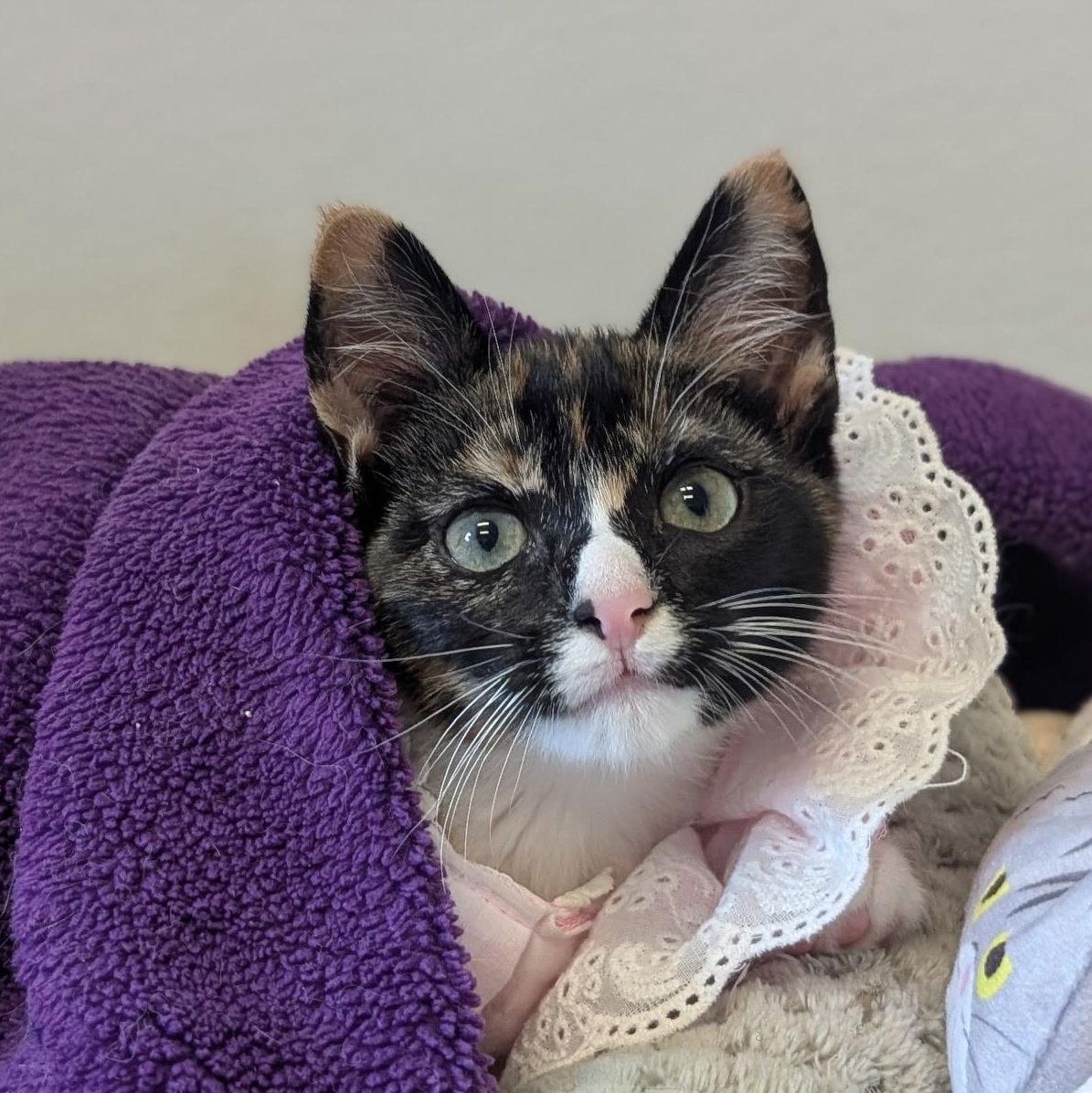
The team’s guiding belief is simple: every companion animal deserves comfort, medical care, and a second chance. To turn that belief into action, the rescue runs three core efforts—emergency intake, adoption services, and neighborhood education—each designed to keep pets out of shelters and off the streets.
Programs and Initiatives
Emergency Intake
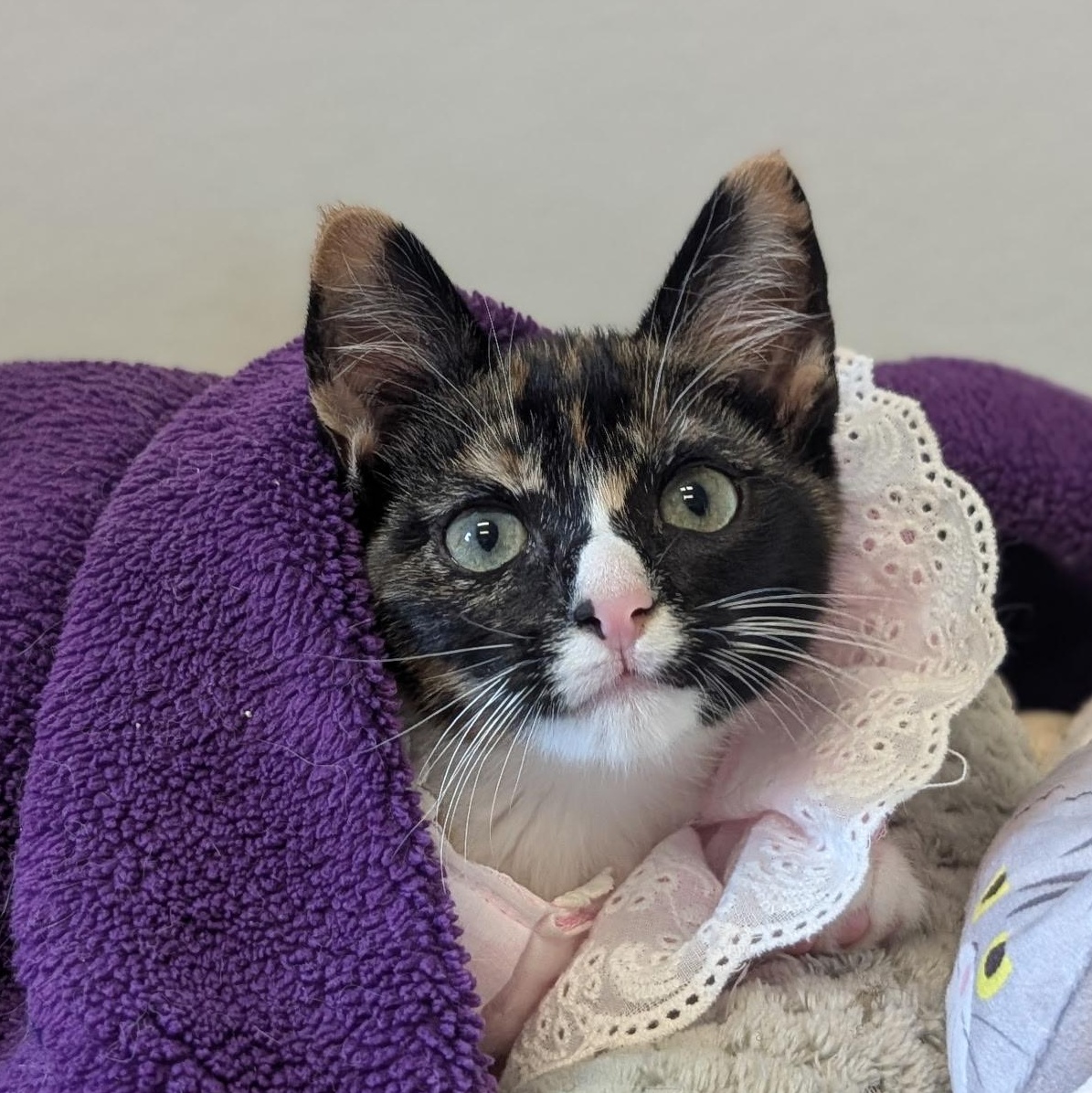
When local authorities or good Samaritans report an animal in crisis, volunteers transport it to a foster home or the rescue’s small holding center. Veterinarians donate check-ups, vaccinations, and spay or neuter surgery before the animal is listed for adoption.
Adoption Services

The group removes typical barriers to adoption by offering:
– Sliding-Scale Fees: Adoption donations are adjusted to fit family budgets so cost is never the reason a pet stays behind.
– Golden-Age Pets: Older dogs and cats are promoted as calm, house-trained companions, encouraging adopters to look past puppy and kittenhood.

– Extra-Care Matches: Animals with chronic conditions or shy temperaments receive one-on-one counseling and post-adoption follow-ups to ensure the transition succeeds.
Education and Outreach
Monthly events turn the local library parking lot into a pop-up classroom. Topics include basic first aid, summer heat safety, and the benefits of sterilization. Free nail trims and vaccine vouchers sweeten the deal, drawing crowds who leave with both knowledge and coupons for low-cost clinic services.
Positive Outcomes
Over the past decade the rescue has:
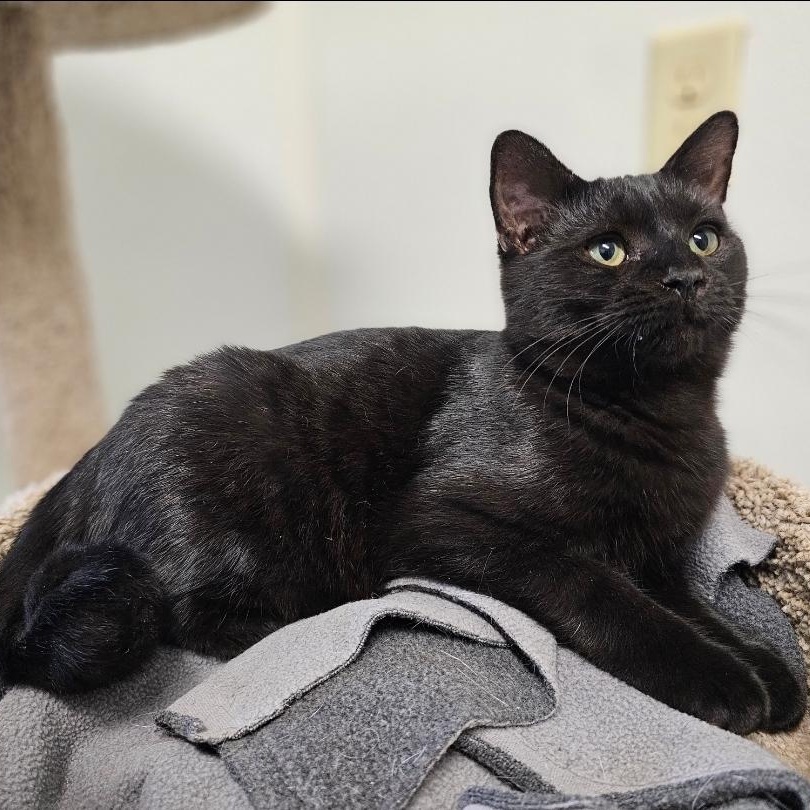
– Placed hundreds of cats and dogs who might otherwise have faced long shelter stays.
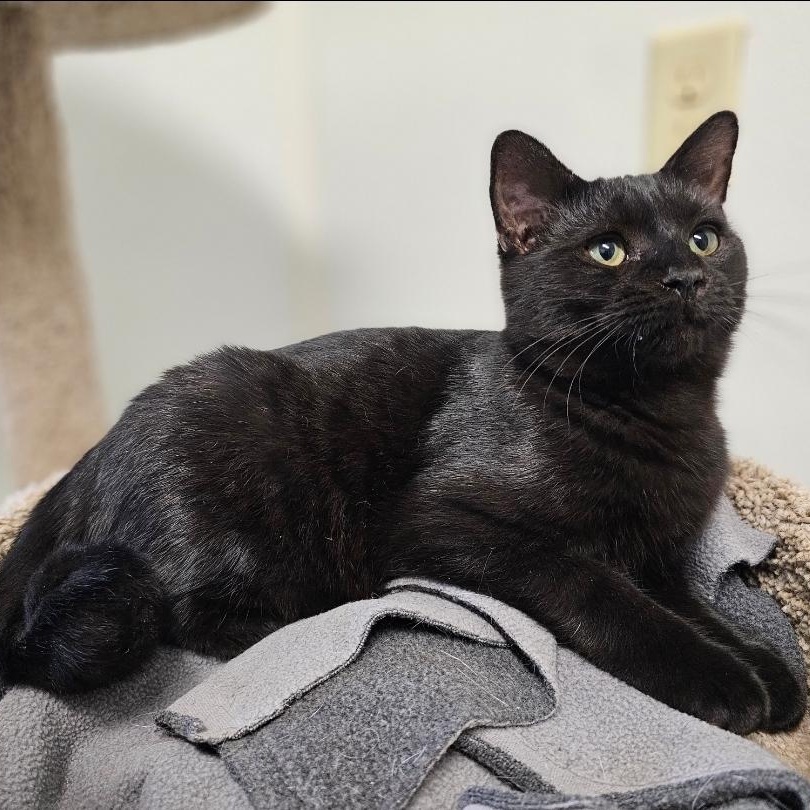
– Built a network of two hundred foster homes, easing pressure on county facilities.
– Seen a measurable drop in stray calls during spring kitten season, an early sign that sterilization efforts are working.
Voices from the Community

Locals often stop volunteers in the grocery aisle to share quick updates. One senior citizen reports that her newly adopted beagle wakes her up for daily walks, keeping them both active. A young couple credits pre-adoption counseling for helping them choose a mellow tabby who thrives in their small apartment. Even the town librarian jokes that the rescue’s story-time dogs have become the most popular “reading assistants” for children.
Conclusion
By combining compassion with practical solutions, this modest organization has woven animal welfare into the fabric of everyday life. Continued neighbor-to-neighbor support promises even more wagging tails and contented purrs in the years ahead.

Recommendations and Future Research
To extend the reach of similar grassroots efforts, communities can:
– Host annual fundraising walks that double as adoption fairs, turning exercise into lifesaving revenue.

– Invite rescue leaders to city-council meetings when animal ordinances are reviewed, ensuring real-world experience shapes policy.
– Share simple, bilingual flyers that explain how to report neglect or access free spay-neuter vouchers.
Researchers, meanwhile, could track:

– The health and behavior of adopted pets one, three, and five years later to fine-tune matching practices.
– The ripple effect of sterilization campaigns on local wildlife and shelter intake numbers.
– The economic boost provided by pet-friendly events that pair downtown businesses with rescue partners, creating new data to justify continued investment.
In the end, small rescues prove that steady, local action can create outsized gains for animals and the people who love them.




