Best Litter for Rats: A Comprehensive Guide
Introduction
Rats are playful, intelligent companions that thrive when their habitat is clean and cozy. Picking the right bedding is a simple way to boost their comfort and health. Below, we compare common litter choices, weigh their pros and cons, and suggest which one might suit your setup best.

Types of Litter for Rats
Clay-Based Litter
This traditional option is formed from natural clay that soaks up moisture and smells quickly. Most brands process the granules to keep dust to a minimum, helping small respiratory systems stay clear.

Advantages:
– Good absorbency and odor control
– Low dust when poured gently

– Widely available in unscented or lightly scented varieties
Disadvantages:
– Can crumble into powder if disturbed often

– Texture may feel rough under tiny paws
Wood-Based Litter
Shavings or pellets from untreated woods offer a planet-friendly bedding that breaks down naturally after disposal. The fibers pull moisture away from the surface and give the cage a pleasant, forest-like aroma.

Advantages:
– Renewable and compostable
– Decent moisture and odor absorption

– Usually budget-friendly
Disadvantages:
– Some batches release fine dust

– A few rats dislike the coarse feel
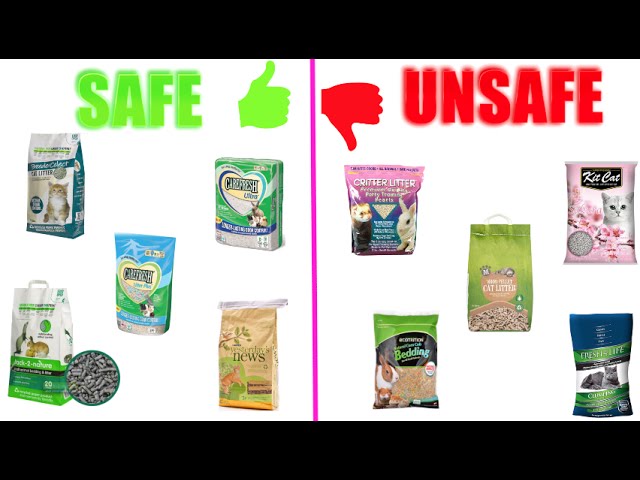
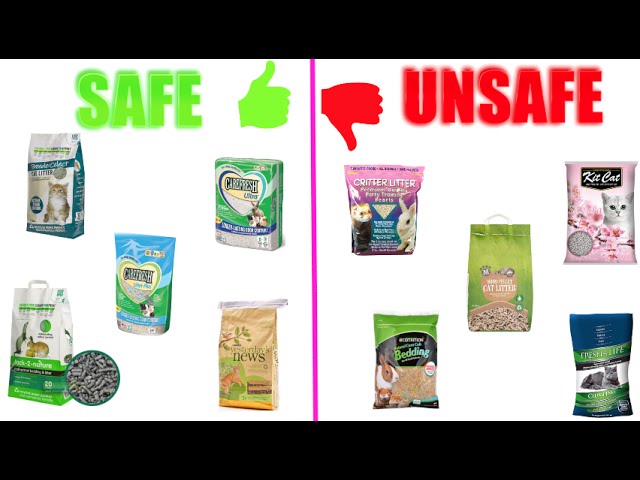
Paper-Based Litter
Made from recycled newspaper or cardboard, this fluffy substrate is virtually dust-free and gentle on bare feet. It expands as it absorbs, locking liquids and smells deep inside the fibers.

Advantages:
– Virtually dust-free
– Soft and warm for burrowing
– Biodegradable and often dye-free
– High absorbency per gram
Disadvantages:
– Can cost more by volume
– May compact and need frequent spot-cleaning
Pellet Litter

Compressed pellets of paper or wood create a firm surface that wicks moisture to the center of each piece. The uniform size simplifies scooping, and many owners notice less tracking around the cage.
Advantages:
– Strong absorption and odor lock

– Low chance of being kicked out of the cage
– Simple to shake out and replace
Disadvantages:

– Can break down into sawdust if soaked
– Harder texture may not invite nesting
Best Litter for Rats

No single bedding is perfect for every household. Think about your pet’s habits, cage size, and how much time you can devote to cleaning. The suggestions below fit common priorities:
Best Overall Litter: Paper-Based Litter
Balancing comfort, safety, and absorbency, recycled paper remains the top all-rounder. It’s kind to sensitive lungs, easy to find in stores, and simple to swap out during weekly cleans.

Best Budget-Friendly Litter: Clay-Based Litter
If you need to line a large cage without breaking the bank, basic clay granules do the job. Pour a thin layer and top up as needed to stretch each bag further.
Best Eco-Friendly Litter: Wood-Based Litter

Choose dust-extracted shavings or FSC-certified pellets to shrink your environmental paw-print. After use, the soiled bedding can head straight to the compost heap.
Best Hygienic Litter: Pellet Litter
When odor control is the top concern, firm pellets keep waste locked away and allow quick visual checks for wet spots, making spot-cleaning almost effortless.

Conclusion
The ideal litter keeps your rats dry, comfortable, and safe while fitting your lifestyle. Paper remains the most versatile, clay wins on price, wood serves eco-minded owners, and pellets excel for neat-freaks. Whichever you pick, change it regularly and watch your pets enjoy a fresh, healthy home.