Title: The Impact of a Regional Animal Shelter: A Comprehensive Analysis
Introduction:
A well-run regional animal shelter stands as a symbol of compassion for countless creatures in need. As a cornerstone of animal welfare, the facility offers refuge, medical attention, and adoption opportunities to abandoned, lost, and stray animals. This article explores the shelter’s significance, its influence on the surrounding community, and the obstacles it confronts. By reviewing key aspects of daily operations, we highlight its value and the room for continued growth.

The Role of a Regional Animal Shelter
The shelter serves as a safe haven for animals in crisis. Its core mission is to protect abandoned or stray pets, safeguard their health, and prepare them for reunion with owners or placement in new homes. Services include:
1. Temporary housing: Animals receive nutritious meals, clean bedding, and daily enrichment while awaiting their next step.
2. Medical care: On-site and partner veterinarians provide vaccinations, sterilization, and treatment for injuries or illness.
3. Adoption support: Counselors match pets with compatible families, host weekend meet-and-greet events, and guide adopters through the transition.
4. Outreach programs: School visits, low-cost microchip clinics, and spay-neuter vouchers encourage responsible guardianship and reduce future overpopulation.
The Impact on the Community
The shelter’s work ripples outward, benefiting both people and pets:

1. Higher welfare standards: Consistent meals, exercise, and veterinary attention improve each animal’s physical and emotional health.
2. Lower euthanasia rates: Proactive adoption campaigns and foster networks ease crowding, giving more animals a second chance.
3. Safer neighborhoods: Reuniting lost pets with owners and vaccinating strays curb disease transmission and reduce traffic incidents involving roaming animals.

4. Stronger social bonds: Volunteer dog-walking clubs, youth reading programs, and donation drives unite residents around a shared love of animals.
Challenges Faced by the Shelter
Even the most dedicated facilities encounter hurdles:
1. Overcrowding: Kitten season and economic hardships can push kennels beyond comfortable capacity, stretching staff and supplies thin.
2. Budget limits: Competing civic priorities sometimes restrict funds for specialized surgeries, facility upgrades, or additional staff hours.
3. Public misconceptions: Outdated beliefs that shelters house only “problem” pets can discourage adopters and volunteers alike.
4. Fragmented efforts: Limited coordination among rescue groups, municipalities, and landowners slows progress on large-scale sterilization and humane education.
Success Stories and Testimonials
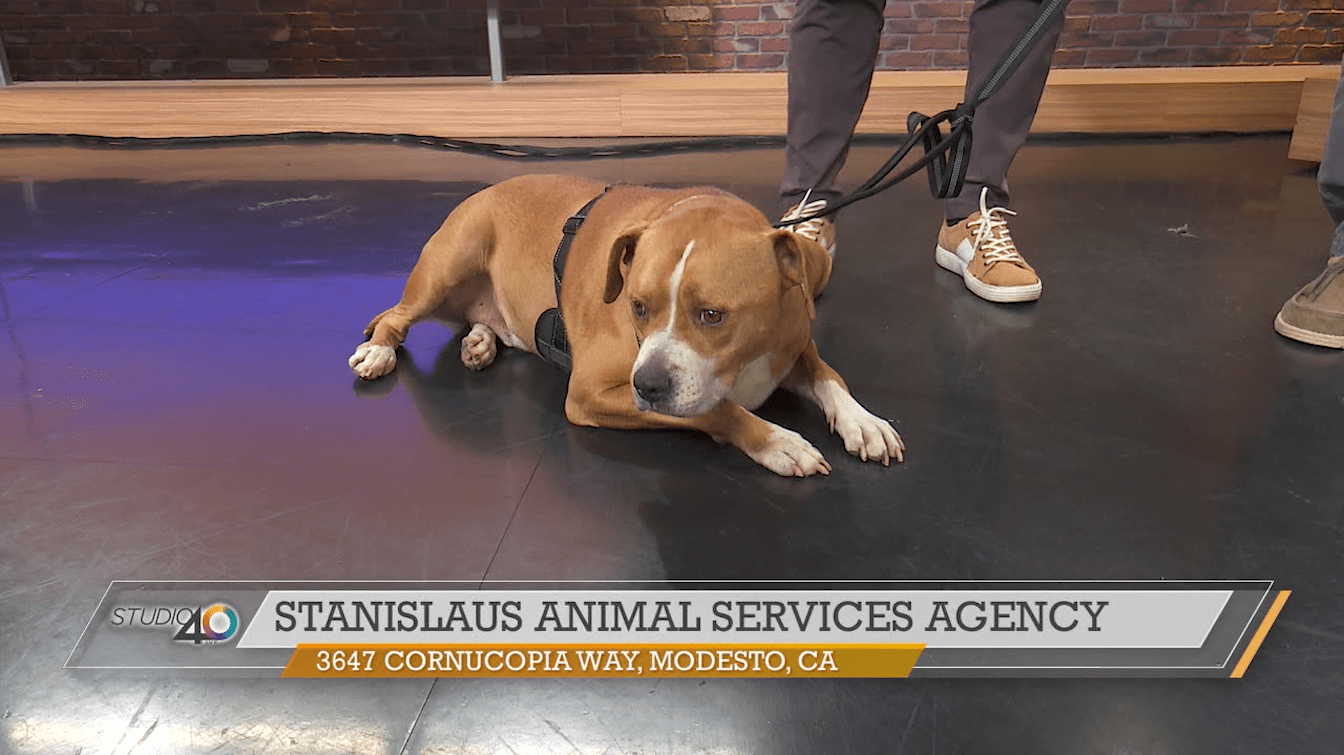
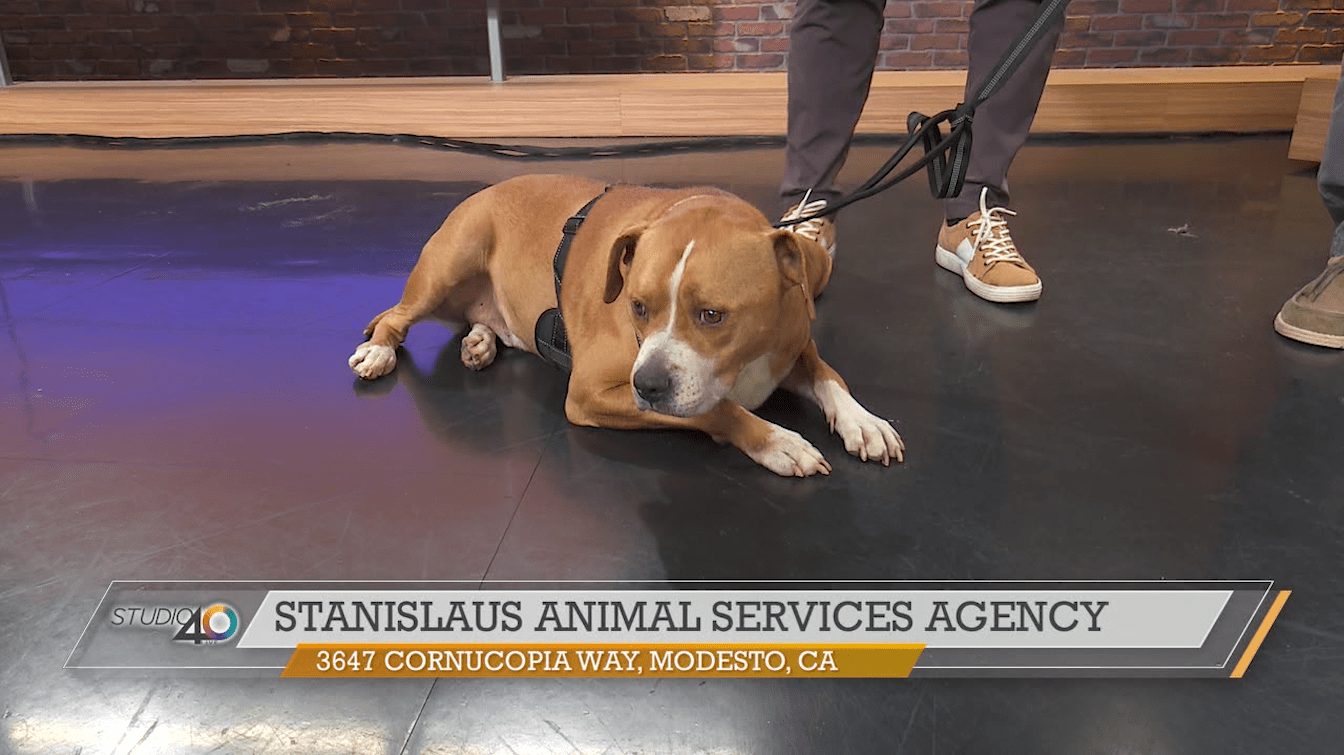
Behind every statistic is a life changed. A timid beagle once found wandering along a rural road now accompanies his new family on daily hikes. A senior cat, surrendered when her owner moved, charms residents at a local retirement home through a foster-based hospice program. These victories underscore what becomes possible when staff, volunteers, and the public pull together.
Recommendations for Improvement
Sustainable progress rests on practical steps:
1. Diversify funding: Grant writing, corporate sponsorships, and fee-for-service training clinics can supplement municipal budgets.
2. Build partnerships: Veterinary practices, pet-supply stores, and civic clubs can co-host adoption events or donate food and bedding.
3. Expand foster networks: Short-term caregivers ease crowding, reveal an animal’s true personality, and often become permanent adopters.
4. Share positive stories: Social media spotlights, local radio interviews, and school newsletters can replace myths with real-life tales of happy endings.
Conclusion:
A regional animal shelter is more than a building with kennels; it is a living reflection of a community’s humanity. By tackling challenges together—donating time, resources, or simply spreading the word—neighbors can ensure that every wagging tail and gentle purr receives the care it deserves. Continued collaboration today paves the way for a kinder tomorrow for animals and people alike.