Title: Finding Forever Homes for Cats: A Thoughtful Look at Adoption and Welfare
Introduction
The simple wish to place cats in caring households captures the heart of feline welfare. It speaks of moving cats from temporary refuge into stable, affectionate environments. This article explores why adoption matters, the hurdles shelters encounter, and the rewards of giving cats a fresh start. By examining these themes, we highlight how every successful placement enriches both the animal and the people who open their doors.
The Importance of Cat Adoption
Choosing to adopt from a shelter is an act of kindness that ripples outward. It offers a new beginning to cats who have lost their homes through no fault of their own and eases the wider problem of feline overpopulation. Experts estimate that millions of cats enter rescue systems each year, while only about half find new families.
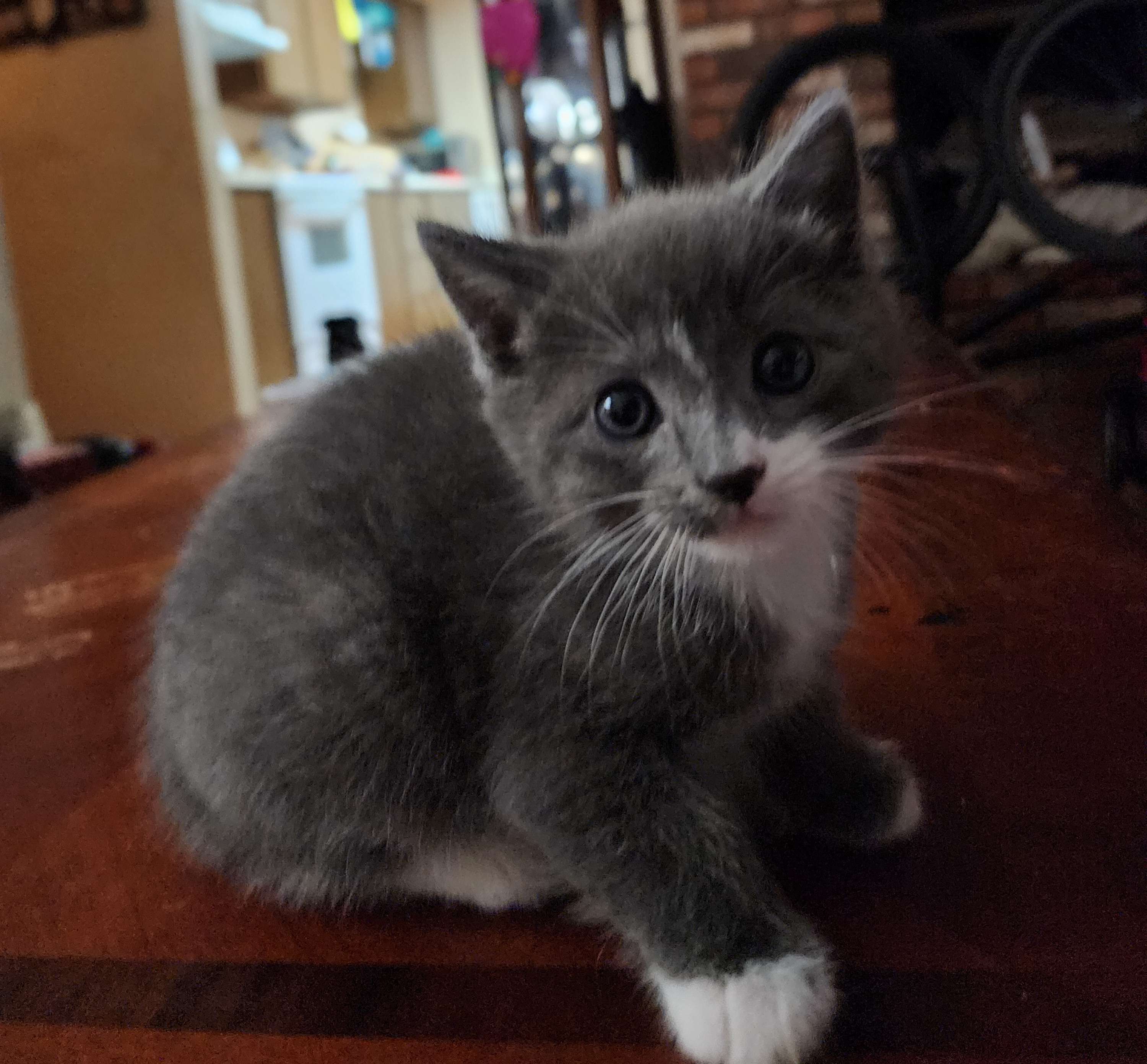
Adoption also saves lives. When space is tight, a new home frees up a kennel for the next cat in need. Additionally, adoption fees are modest and usually cover essentials such as sterilization, initial vaccines, and microchip identification, making the process affordable for new guardians.
Challenges Faced by Shelters
Rescue centers continually balance intake with available resources. High arrival numbers can lead to crowded quarters, stretched budgets, and difficult decisions. Unfortunately, many healthy cats still face euthanasia simply because there is nowhere for them to go.
Public misunderstanding adds to the strain. Some people assume that shelter cats are sick or badly behaved, yet veterinarians report that most arrivals are physically fit and socially adaptable. Clear communication and meet-and-greet sessions help dispel these myths and encourage more visitors to consider adoption.
The Benefits of Rehoming Cats
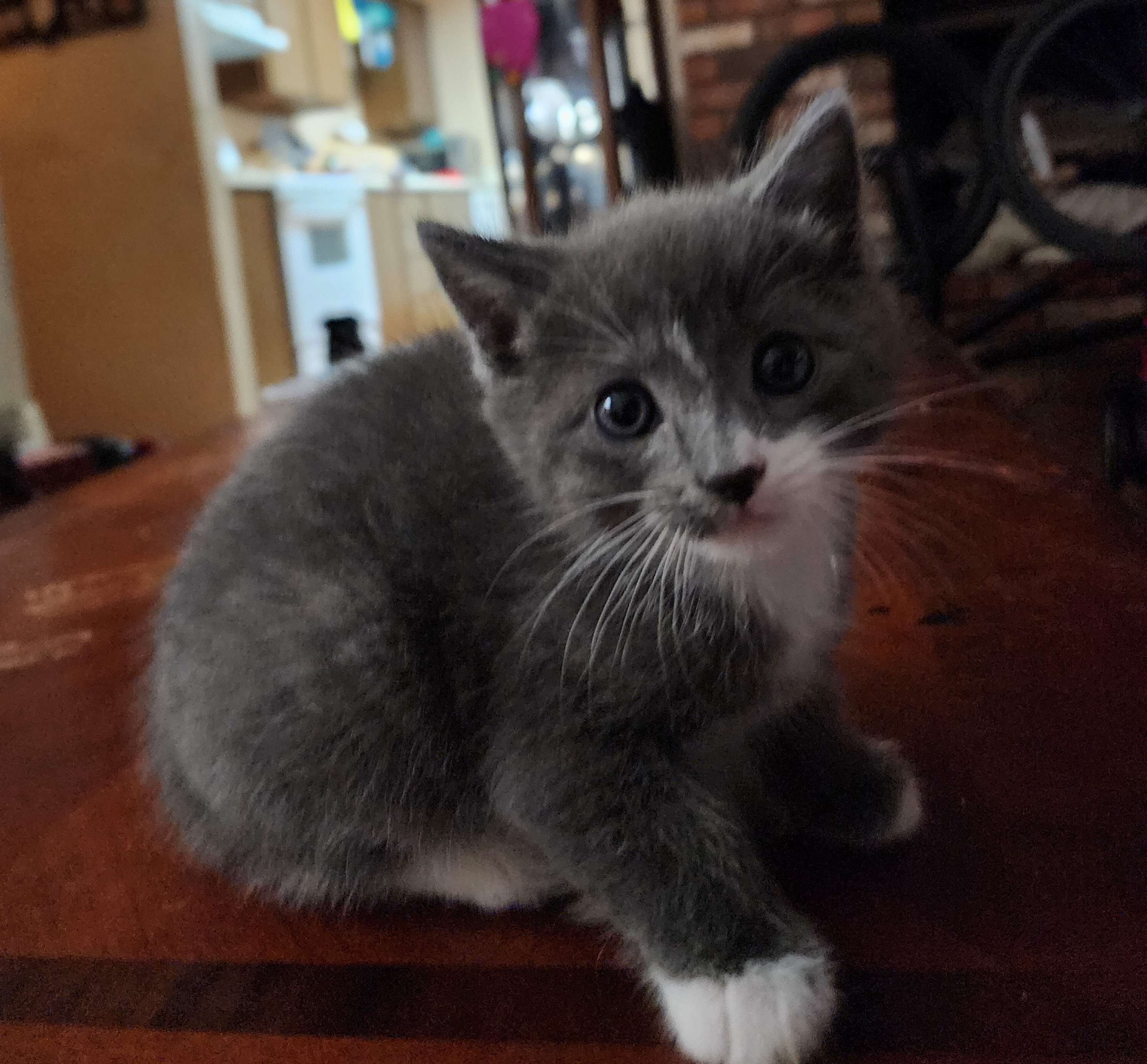
A permanent home ends the uncertainty that shelter life brings. Consistent routines, gentle handling, and patient care allow cats to relax and reveal their true personalities. In return, adopters gain a devoted companion whose antics and affection brighten everyday life.
Adoption also weakens the cycle of casual breeding. When families choose rescue, they reduce demand for impulse purchases and backyard litters, gradually easing the broader overpopulation issue. On a personal level, sharing life with a cat can lower stress, encourage playfulness, and even spark new friendships among like-minded neighbors.
Success Stories and Testimonials
One recent arrival, a shy tabby later named Max, spent weeks hiding at the back of his enclosure. After moving into a quiet apartment, he traded caution for curiosity, following his new guardian from room to room and greeting visitors with a soft chirp. His adopter says the once-timid cat now serves as official supervisor of laptop keyboards and Sunday crossword puzzles.

Another cat, a sleek black female called Luna, found her way to a young professional battling loneliness. Evening play sessions and gentle head-butts soon became daily highlights. Her guardian reports that Luna’s steady presence eased anxious nights and turned a small studio into a warm, welcoming space.
Conclusion
Placing cats in safe, loving homes remains one of the most direct ways to improve feline welfare. Each adoption reduces shelter strain, saves a life, and creates a bond that rewards both species. By spreading accurate information and celebrating success stories, communities can replace doubt with confidence and ensure that more cats enjoy the comfort they deserve.