The Enchanting World of Adorable Kitten Images: A Friendly Overview
Introduction
Images of playful kittens have quietly become a daily delight for countless people online. These small, whiskered faces can lift moods, offer a moment of calm, and even brighten an otherwise stressful day. In this short piece, we take a light-hearted look at why these tiny feline pictures feel so special, how they weave into our routines, and what they might tell us about the way we connect with animals—and with one another.
The Universal Appeal of Cute Kittens
The Emotional Connection
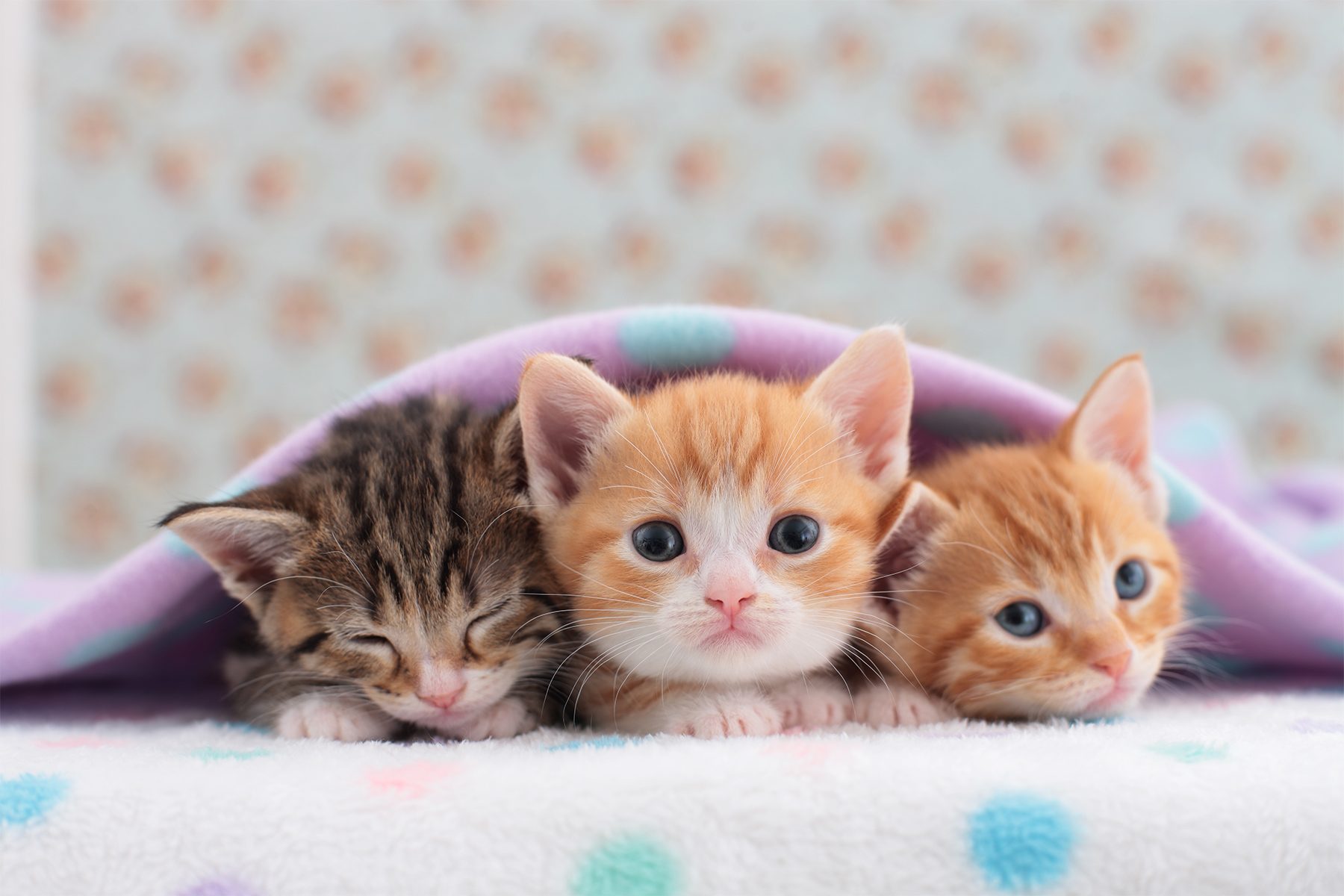
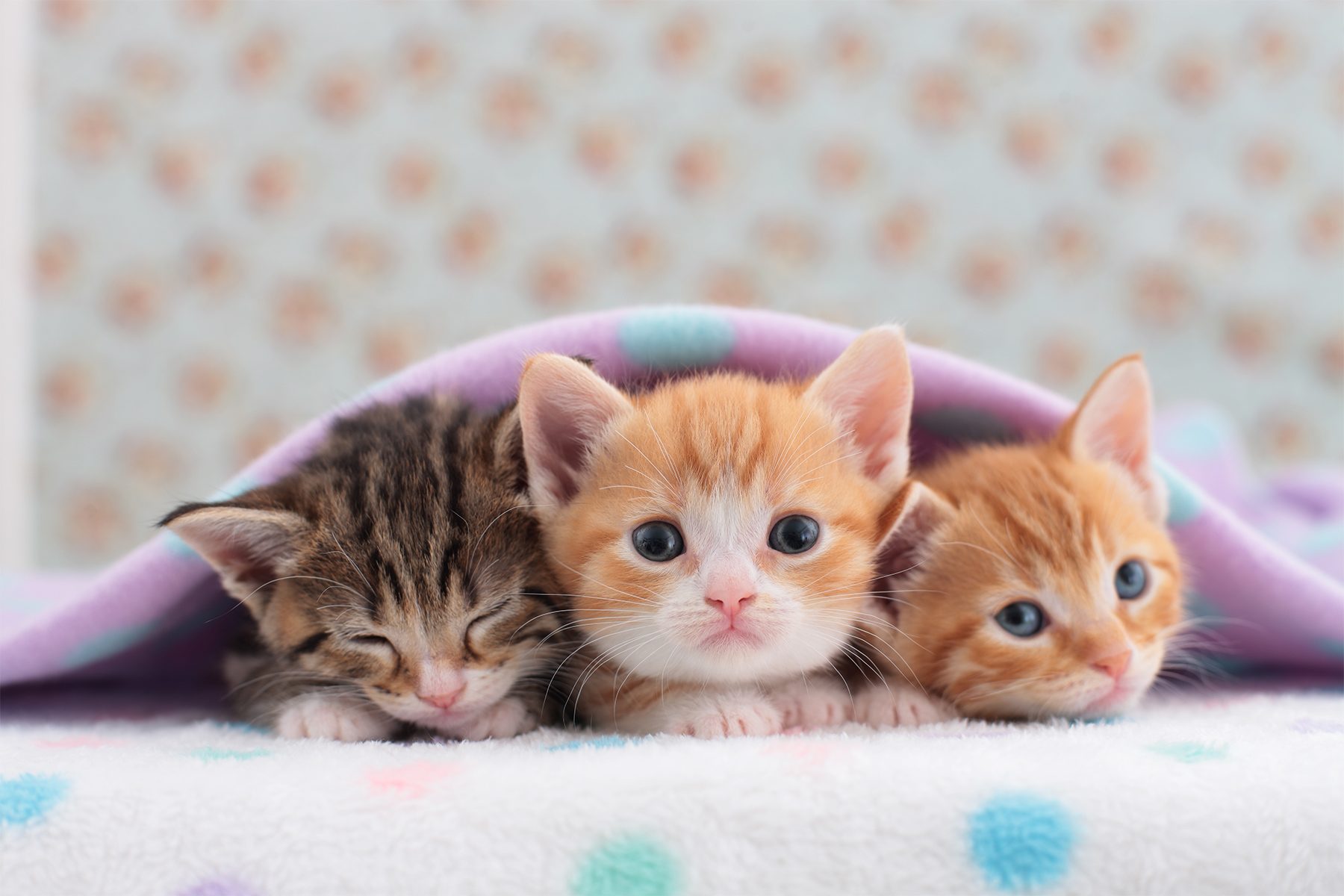
There is something instantly heart-warming about a kitten’s round eyes and soft fur. Scientists suggest that gentle, baby-like features trigger pleasant feelings, encouraging us to slow down, smile, and even breathe more deeply. This response seems to be baked into human nature: when we see harmless, helpless creatures, we instinctively want to protect and nurture them, and a simple photo is often enough to spark that caring impulse.
The Psychological Benefits
Taking a sixty-second break to scroll through sleepy kittens can act like a miniature mental reset. Many viewers report feeling tension slip away, replaced by a light sense of joy. While no single image can replace professional support, brief encounters with soothing animal content often serve as an easy, low-cost mood booster during a busy day.
The Social Aspect
Kitten photos travel quickly across timelines and group chats, creating tiny moments of shared happiness. A quick “look at this fluff-ball” message can spark friendly replies, inside jokes, and even new friendships among strangers who discover a mutual soft spot for cats. In this way, a single snapshot becomes a social bridge, inviting people from varied backgrounds to pause and enjoy something simple together.
The Impact of Kitten Imagery on Everyday Life
Media and Marketing
Brands have noticed the positive glow that kittens provide. Calendars, packaging, and online adverts sometimes feature playful furballs to convey warmth and trustworthiness. The goal is not manipulation, but association: when viewers link pleasant feelings to a product or message, they are more likely to remember it fondly.
Social Media’s Role
Platforms built for sharing thrive on content that is quick to like and easy to love. Kitten pictures check both boxes, so they circulate widely, often raising awareness about adoption, fostering, and responsible pet care along the way. Shelters that post cheerful photos of resident cats regularly see spikes in volunteer sign-ups and adoption inquiries, proving that a single cute snapshot can translate into real-world help for animals in need.
The Science Behind the “Aww” Reaction
An Evolutionary Angle
Large eyes, small noses, and rounded outlines fit what researchers call the “baby schema,” a set of features that nudge adult brains toward gentle, protective behavior. Kittens happen to tick many of those boxes, so our minds respond to them much the way we respond to human infants— with immediate affection and a desire to watch over them.
A Psychological Note
Some people laughingly confess they want to “squeeze” an especially cute kitten. Psychologists label this playful contradiction “cute aggression.” It is not true hostility; rather, it appears to be the brain’s way of balancing overwhelming positive emotion, releasing tension so we can return to a calm, happy baseline.
Conclusion
Whether they appear in a sponsored post, a friend’s story, or a quiet moment of solo scrolling, kitten pictures offer more than instant charm. They invite us to feel, share, and care—tiny digital reminders that small doses of gentleness can brighten human life. As we continue to swap snapshots of sleepy paws and twitching whiskers, we also weave threads of kindness into the wider online fabric, one soft meow at a time.