Best Dog Food for Jack Russell Terriers: A Comprehensive Guide
Introduction
Jack Russell Terriers are lively, intelligent dogs whose wellbeing depends on a balanced, nutrient-rich diet. Picking the right food helps them stay fit, bright-eyed and ready for adventure. This guide walks you through the key points to consider when choosing meals for your spirited companion.
Nutritional Needs of Jack Russell Terriers
Energy Requirements
These compact athletes burn plenty of calories every day. A diet that supplies steady energy from quality proteins, complex carbohydrates and healthy fats keeps their tail wagging from sunrise to bedtime.
Protein Needs
Strong muscles need building blocks. Look for foods that list a recognizable animal protein—such as chicken, beef or fish—among the first ingredients. Aim for a recipe that offers at least eighteen percent protein on a dry-matter basis.
Fat and Fatty Acids
Fats provide concentrated energy and carry fat-soluble vitamins. Omega-3 and omega-6 fatty acids support a glossy coat, supple skin and flexible joints. Ingredients like salmon oil, flaxseed or sunflower oil are excellent sources.
Carbohydrates
Slow-release carbs from whole grains, legumes, fruit and vegetables help maintain stable blood-sugar levels and keep your dog feeling full. Steer clear of diets loaded with refined sugars or fillers.
Vitamins and Minerals
A complete recipe supplies vitamins A, D, E and K plus essential minerals such as calcium, phosphorus and magnesium. These micronutrients keep bones, teeth and internal systems in peak condition.
Best Dog Food for Jack Russell Terriers

Wet vs. Dry Food
Wet food appeals to picky eaters and is easier to chew for seniors or dogs with dental issues. Dry kibble is convenient, cost-effective and the crunchy texture can help reduce tartar. Many owners mix both to balance palatability and dental benefits.
High-Quality Protein Sources

Look for recipes featuring:
– Chicken
– Beef

– Fish
– Lamb
– Turkey

Balanced Diet
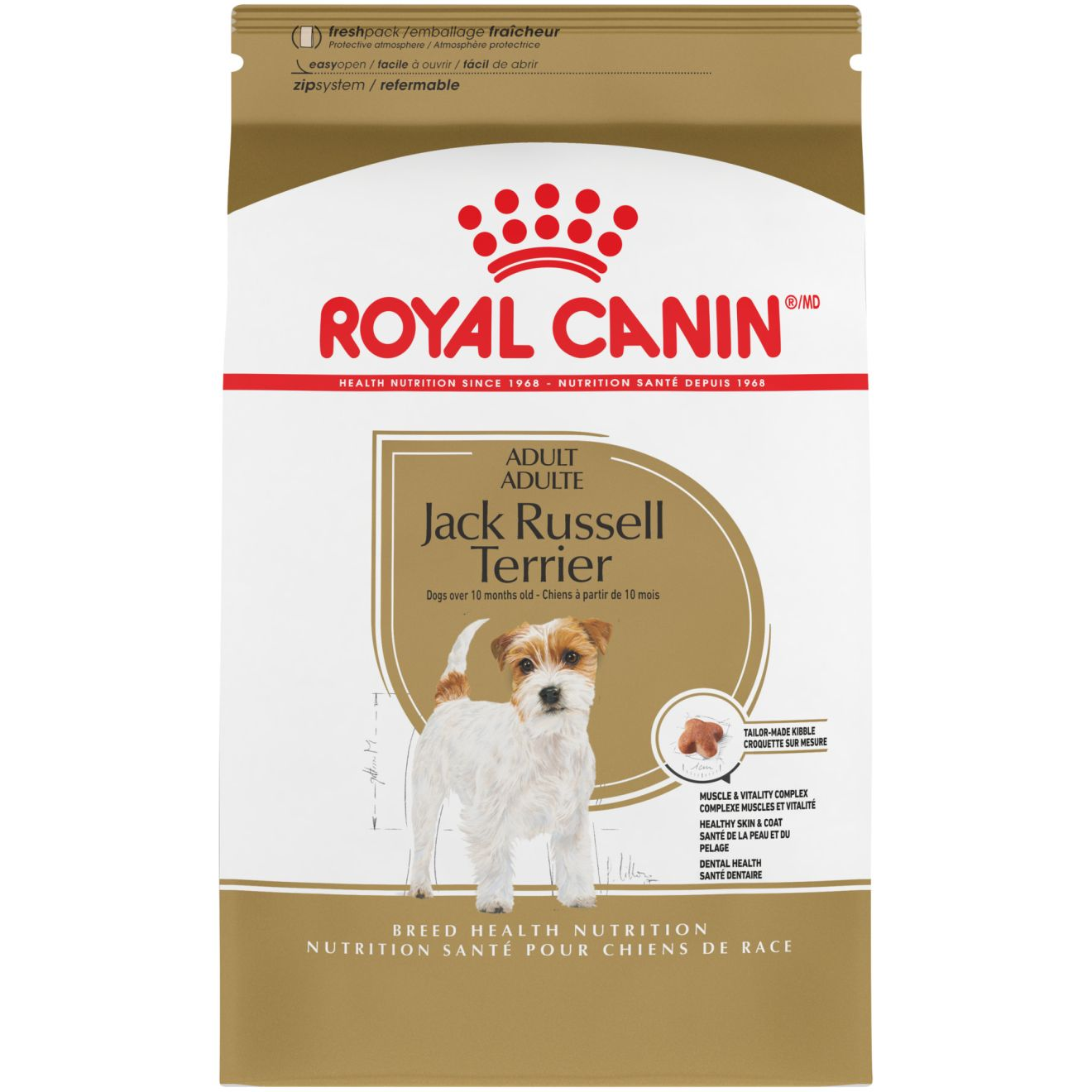
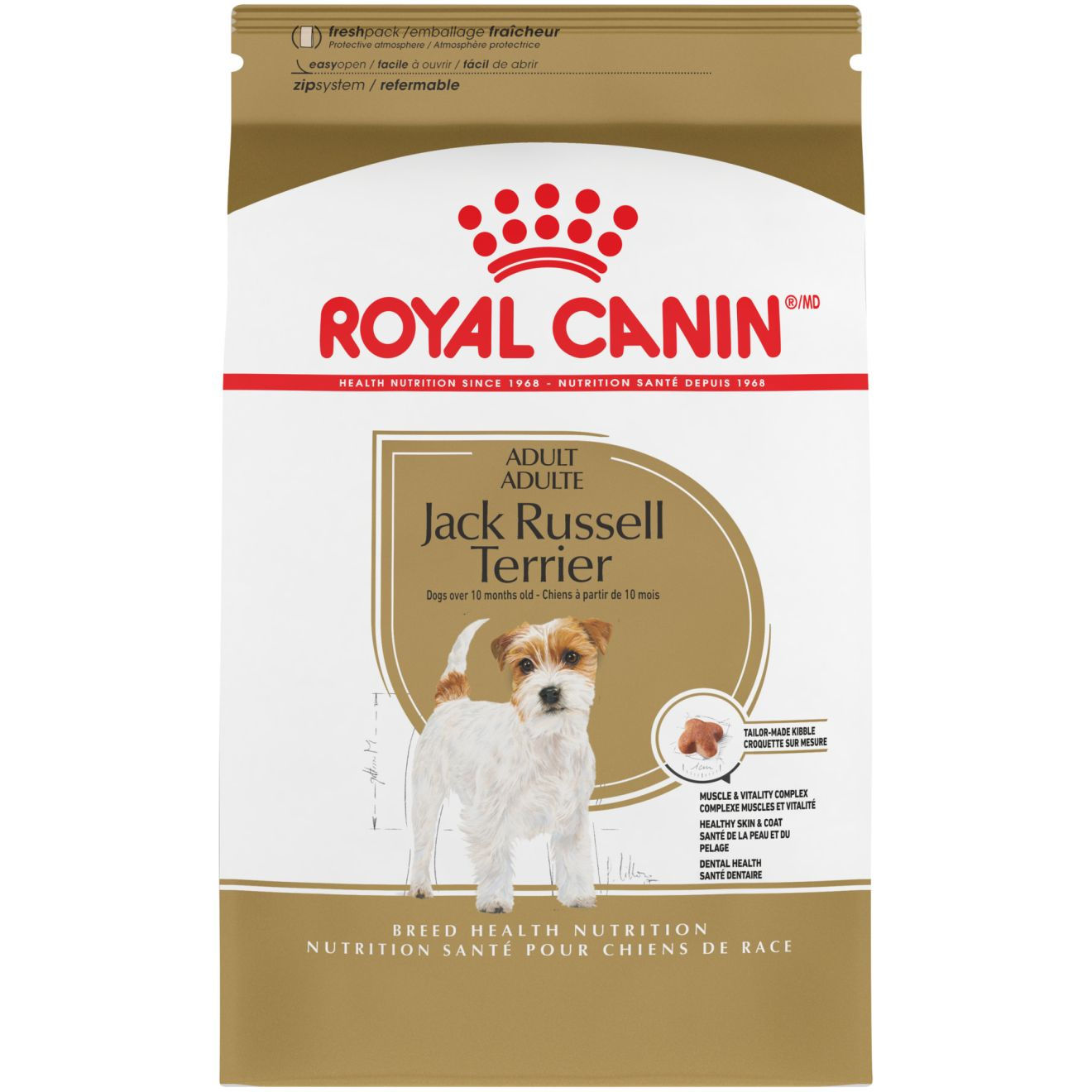
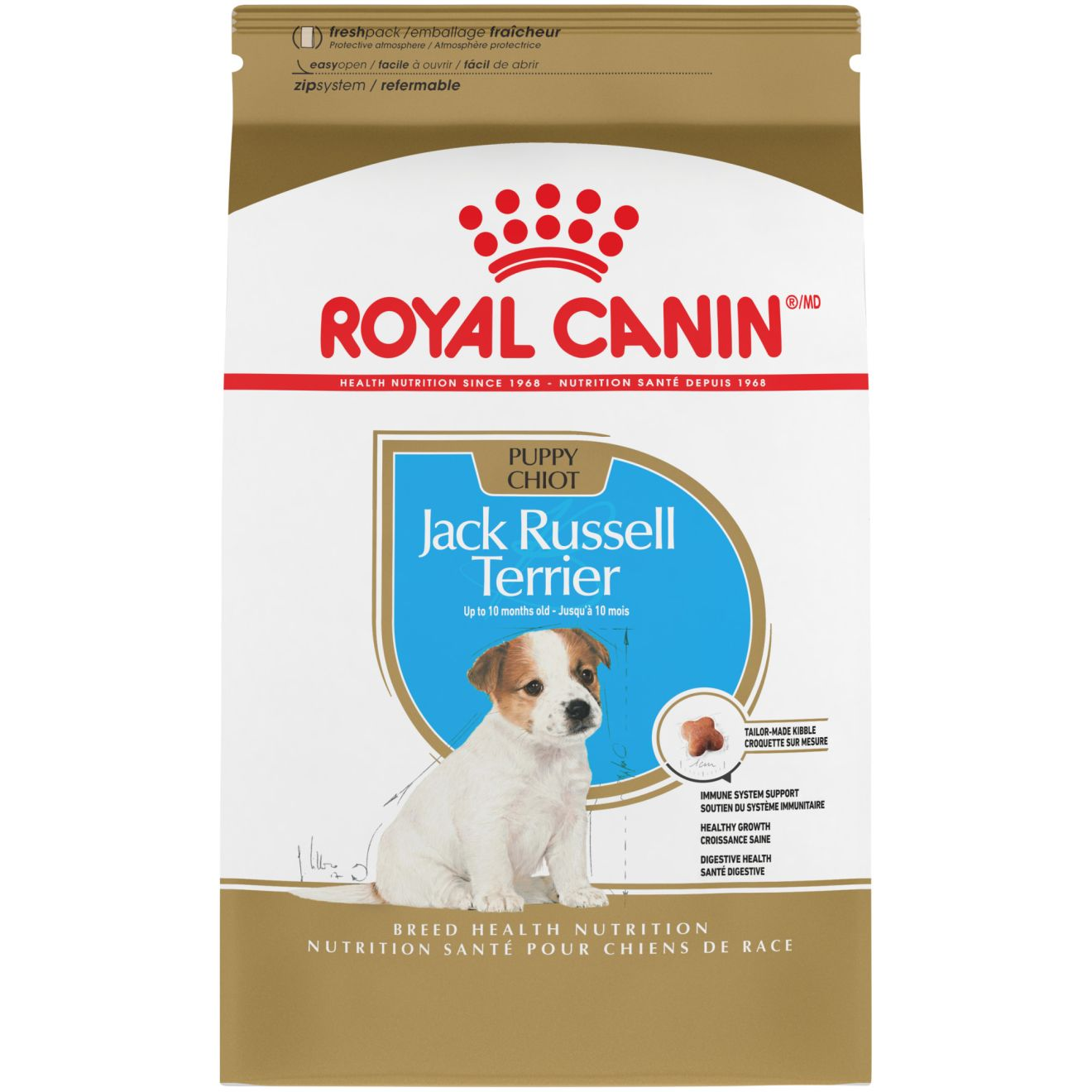
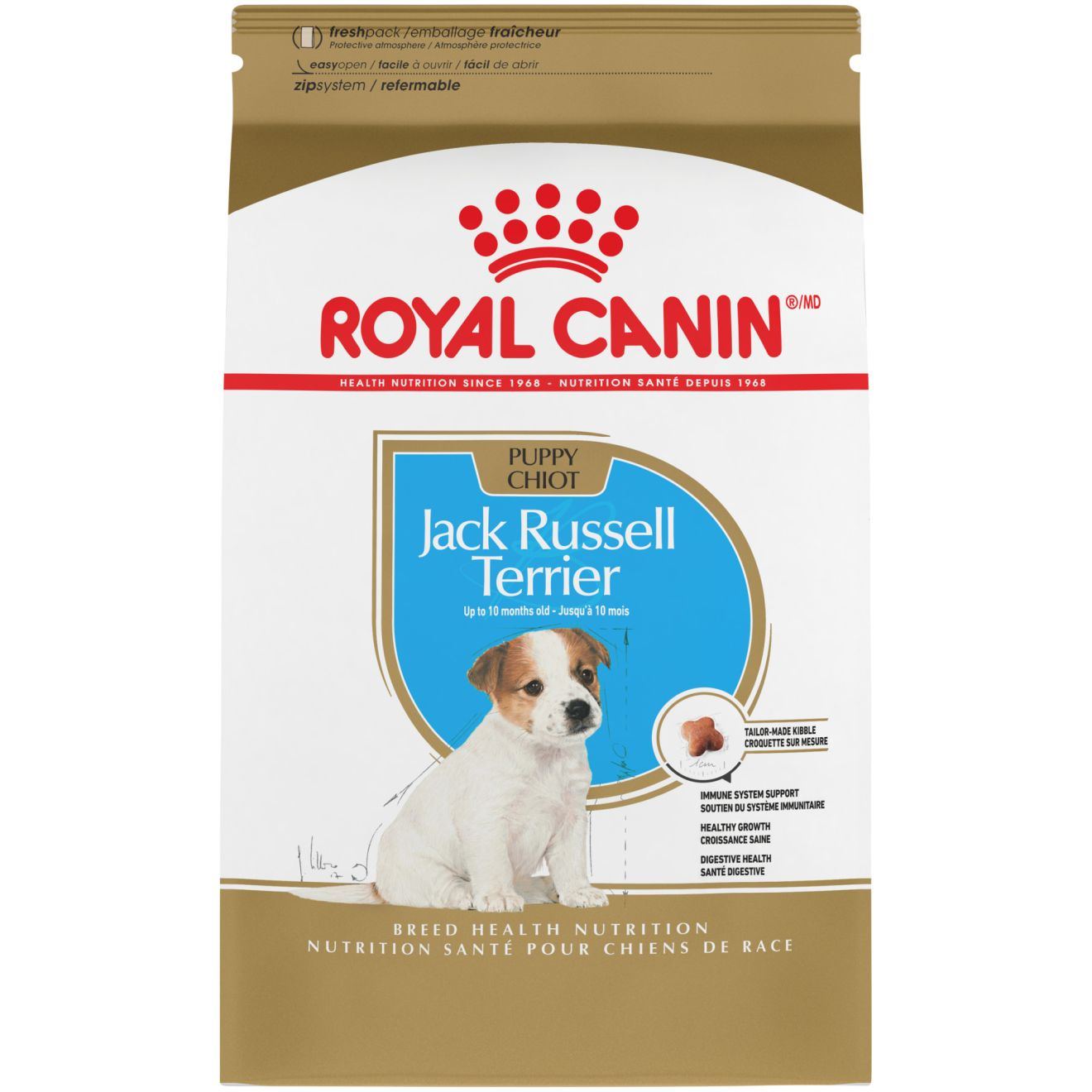
Whichever brand you choose, confirm that the label shows an nutritional-adequacy statement for adult maintenance. Examples of well-regarded small-breed formulas include breed-specific kibbles and veterinary lines designed for compact, energetic dogs.
Specialized Diets

Some individuals develop sensitivities or need help managing weight. Limited-ingredient, grain-free or reduced-calorie options can address these issues under veterinary guidance.
Health Concerns and Considerations
Allergies

Itchy skin, ear infections or tummy upsets may signal food allergies. Novel proteins—duck, rabbit or venison—combined with single carbohydrate sources often calm the immune system.
Weight Management
Extra pounds strain joints and shorten lifespan. Measure meals, limit treats and select a recipe with moderate fat and added fiber to help your terrier feel satisfied without overeating.

Dental Health
Small mouths are prone to tartar. Daily tooth-brushing, dental chews and crunchy kibble all work together to keep teeth clean and breath fresh.
Conclusion

The right food fuels your Jack Russell’s exuberant personality while protecting long-term health. Match the recipe to your dog’s activity level, weight and any special needs, and revisit the choice at each life stage. When in doubt, your veterinarian is the best partner for tailoring a menu that keeps your little dynamo thriving.