The Impact of Citywide Lost-Dog Initiatives on Urban Animal Welfare
Introduction
Large cities with vibrant street life often share a hidden challenge: pets that slip out of homes and end up alone on busy sidewalks. A community-driven reunification effort has emerged to tackle this problem, using online tools and neighbor-to-neighbor networks to bring dogs back to their families while promoting responsible guardianship. This article examines how such programs influence overall canine welfare, ease pressure on local shelters, and offer lessons for other metropolitan areas.

The Emergence of Coordinated Reunification Efforts
Background
Stray or missing dogs have long appeared in neighborhoods, parks, and transit corridors. Municipal shelters, facing steady intake, encouraged residents to build a proactive safety net. The result was a citywide campaign that combines digital alerts, volunteer flyers, and microchip checks to speed up happy homecomings and reduce future disappearances.

Program Structure
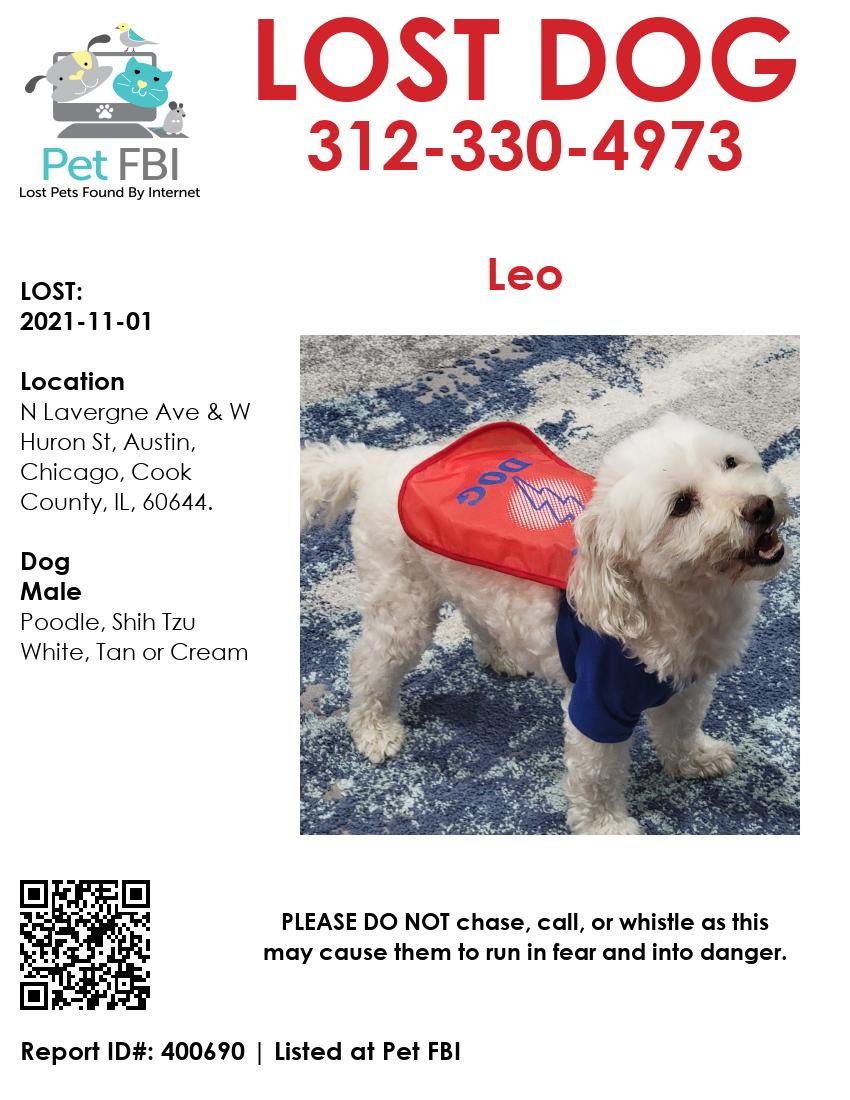
The initiative centers on an open, user-friendly platform where owners post sightings and photos. Volunteers monitor entries, cross-check found-pet reports, and organize weekend search parties. Social-media boosts, school presentations, and partnership with vet clinics reinforce the message that identification tags, collars, and microchips save time and heartache.
The Impact on Urban Animal Welfare
Reunification Success Rates
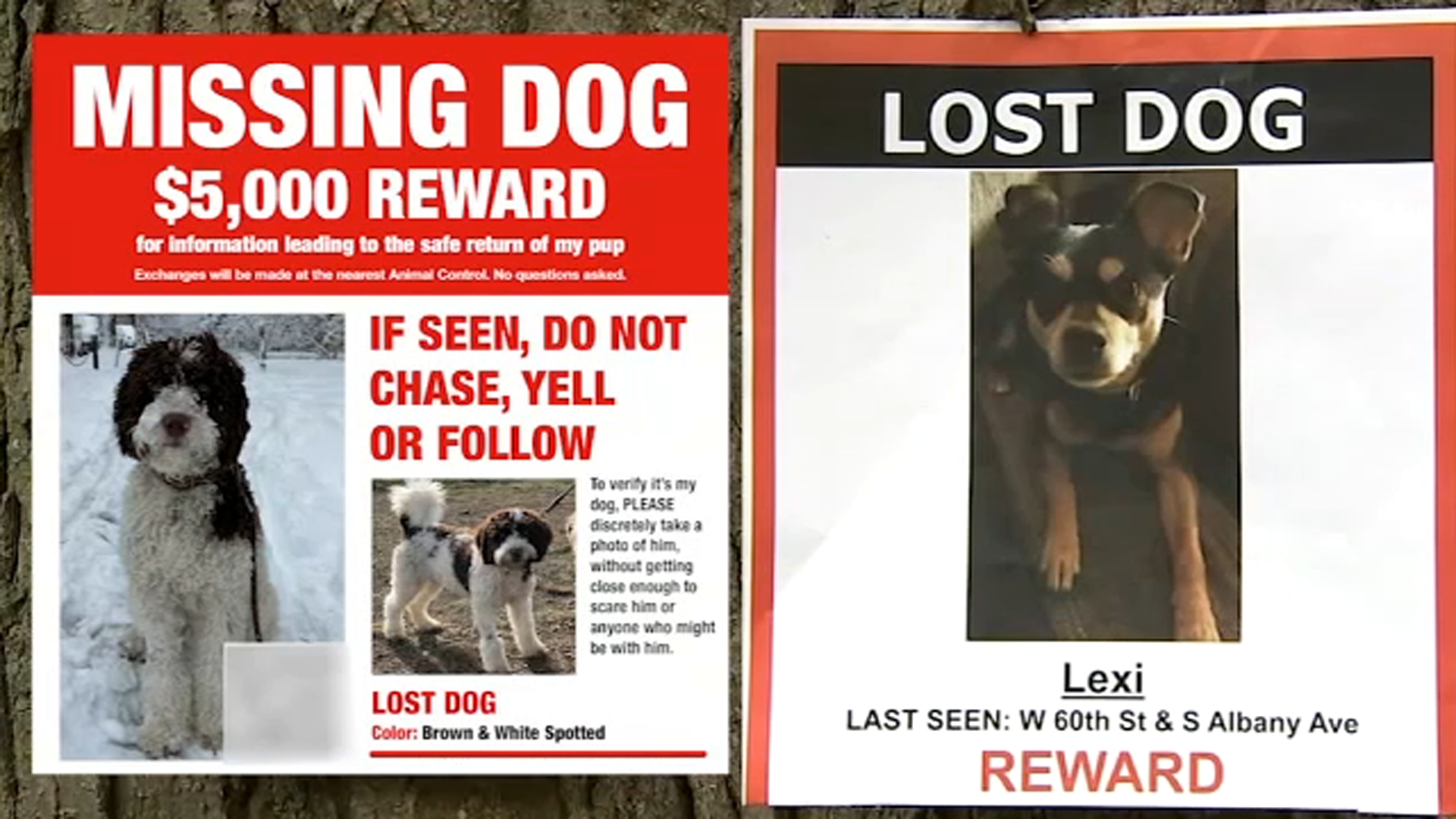
Early tracking indicates that timely alerts and clear photos double the likelihood that a wandering dog returns home the same day. Each successful reunion lowers stress on the animal, spares shelter space, and keeps families intact.
Reduction in Animal Shelters’ Burden
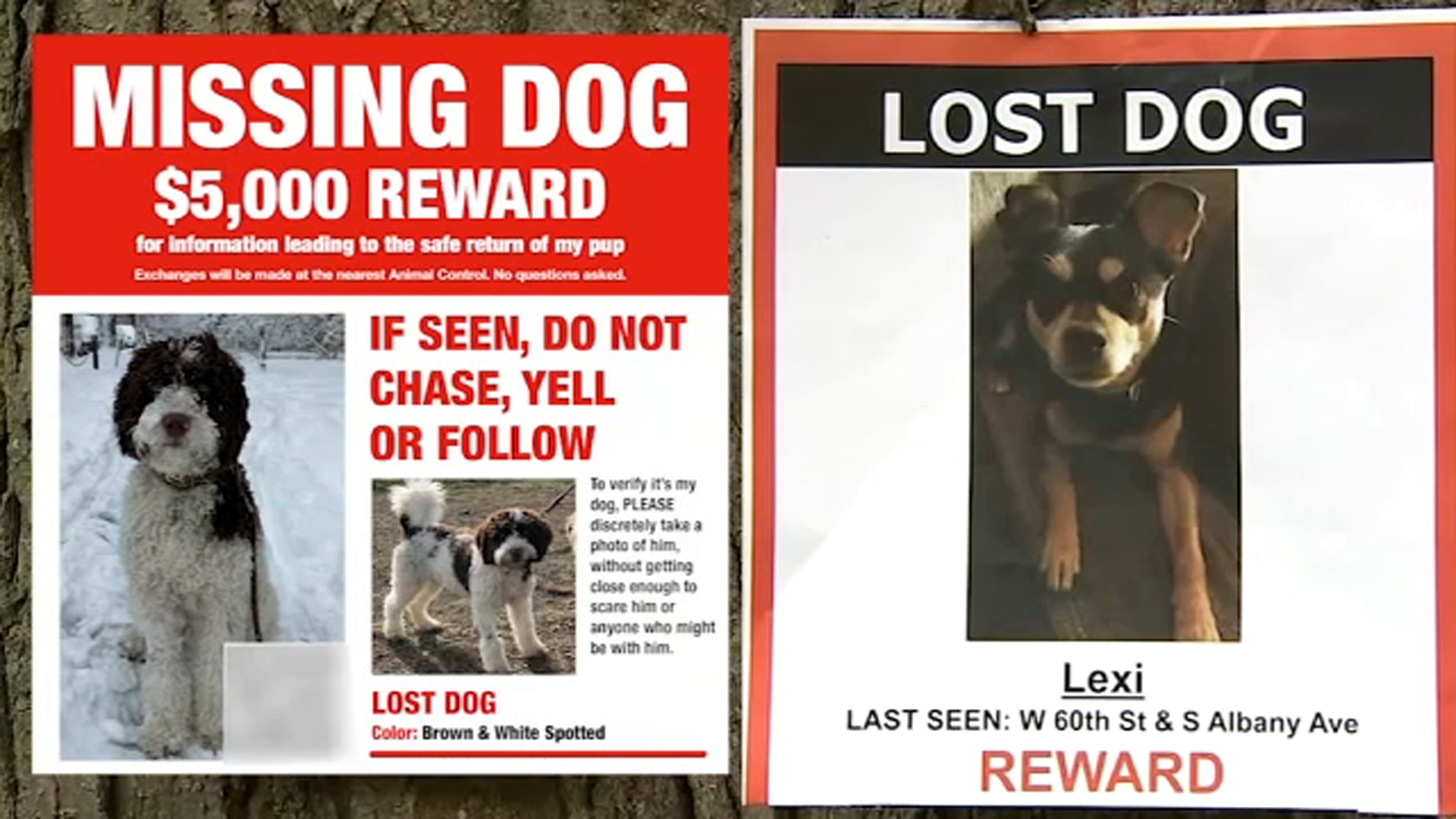
Fewer stray admissions free up kennels for dogs who truly need refuge, allowing staff to provide medical care, enrichment, and adoption counseling without overcrowding. The ripple effect improves daily conditions for every dog in the facility.
Public Awareness and Education
Monthly pop-up booths at farmers markets and sporting events teach quick-leash techniques, proper gate latches, and the benefits of routine microchip scans. Surveys show growing public knowledge and a measurable drop in repeat escape cases.
Challenges and Limitations
Resource Allocation
Like many volunteer efforts, the program depends on limited donations and sporadic grant cycles. Expanding multilingual outreach and 24-hour hotline coverage requires steady funding streams.
Community Engagement
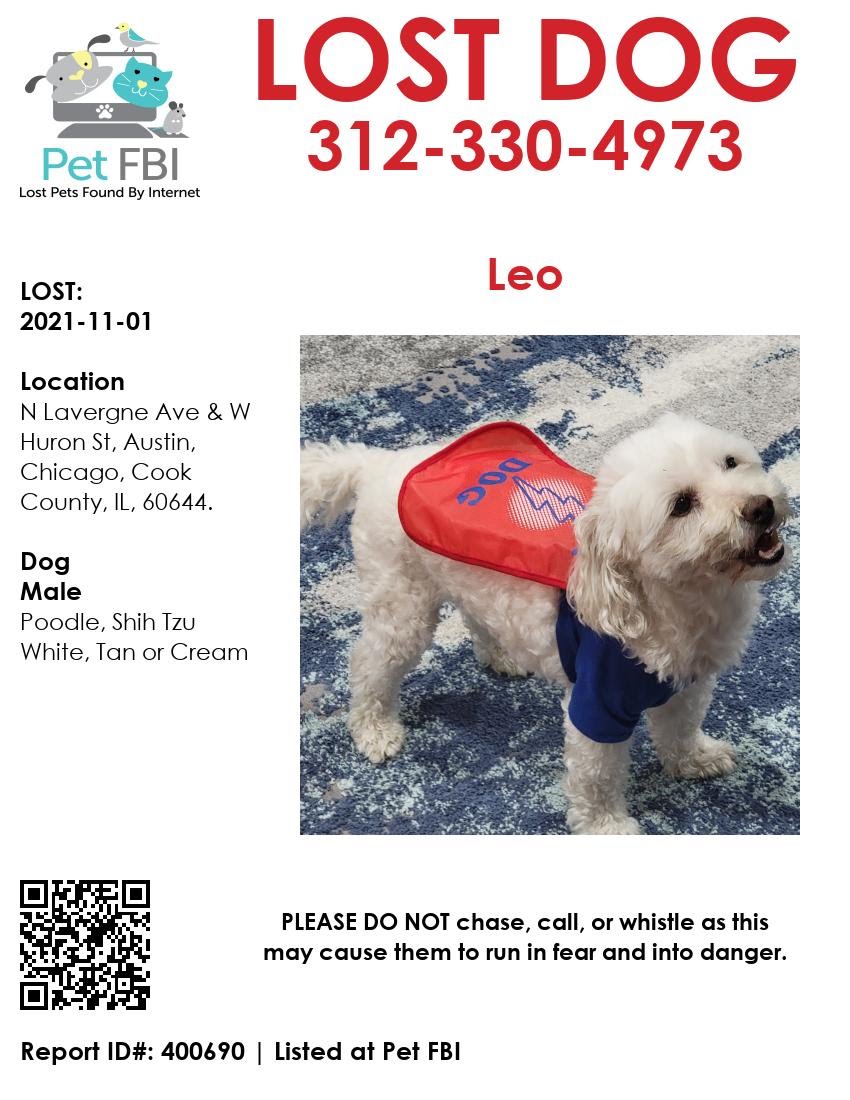
Although participation is rising, some districts remain under-represented. Bridging language barriers and building trust with renters, who may fear landlord repercussions, are ongoing priorities.
Conclusion
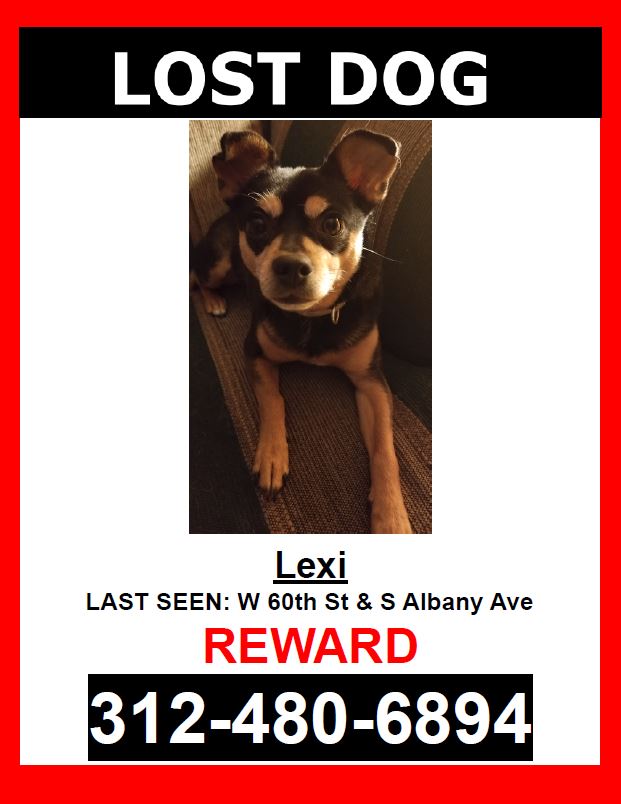
By swiftly reconnecting dogs with guardians, easing shelter loads, and normalizing preventive care, the reunification network has improved day-to-day welfare for countless urban pets. Continued investment and inclusive outreach will determine how far these benefits can spread.
Recommendations and Future Research
Recommendations
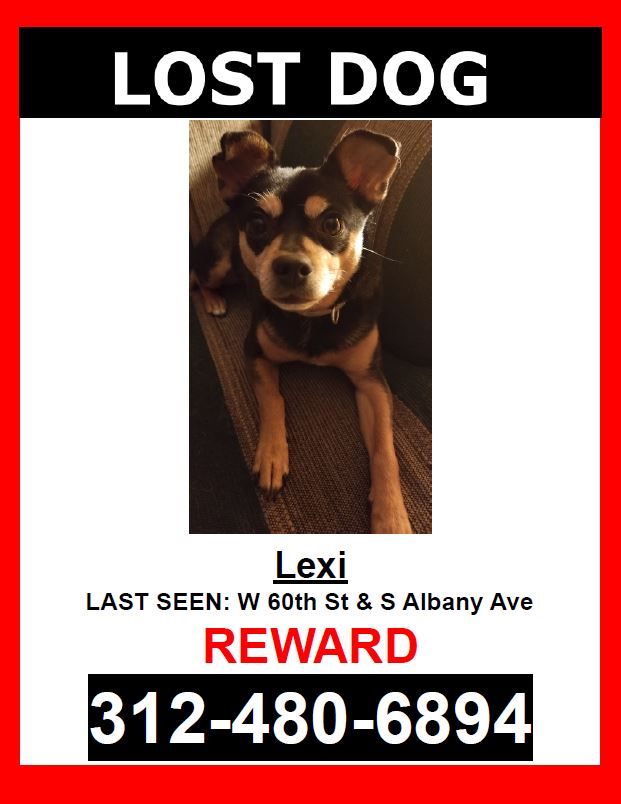
To strengthen the model, stakeholders suggest:
1. Diversify funding through corporate sponsorships and small recurring donations.
2. Train block captains in every neighborhood to serve as local points of contact.
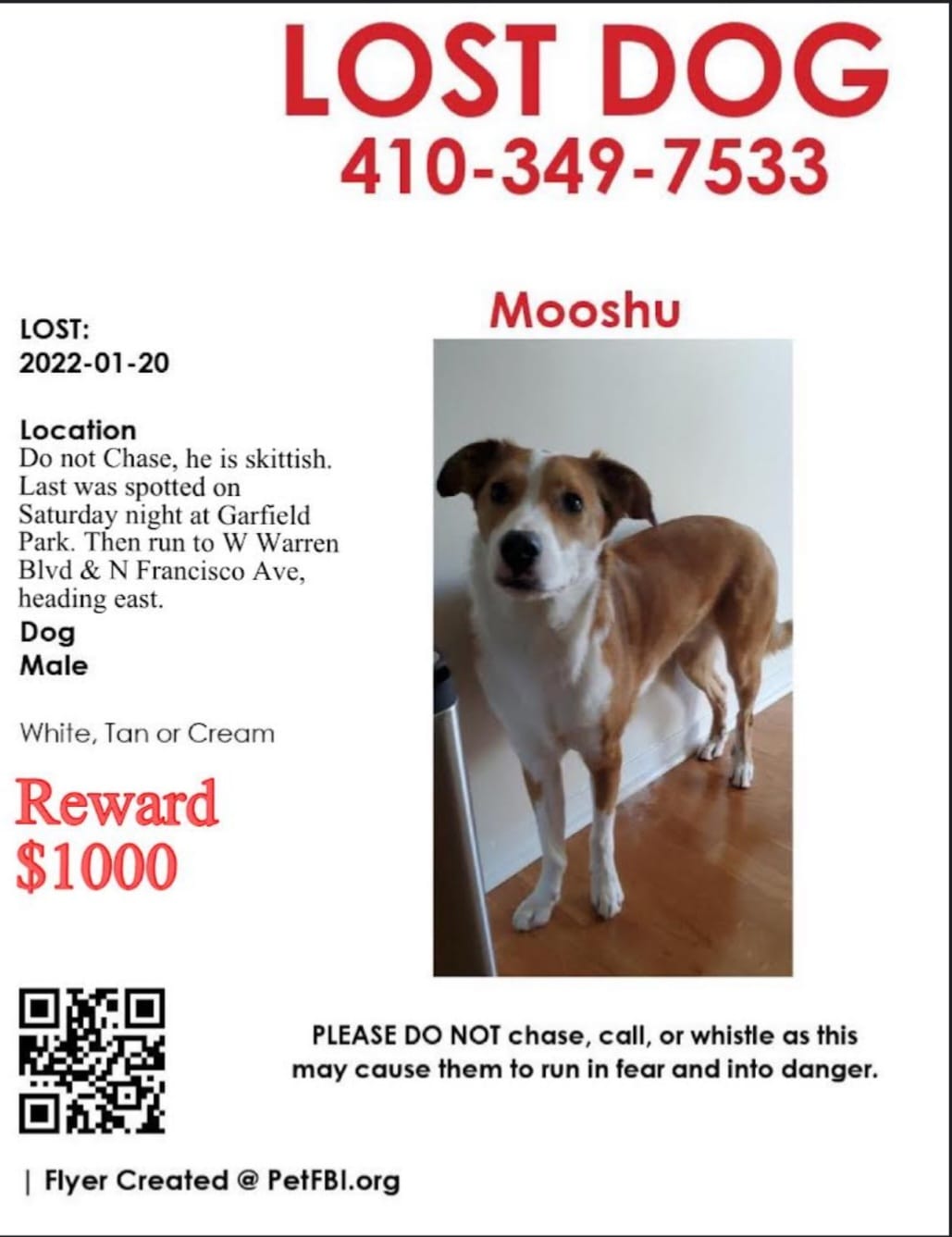
3. Launch a targeted campaign on the common reasons dogs escape—loud noises, open doors, and separation anxiety—and how to mitigate them.
Future Research
Academic and civic partners could explore:
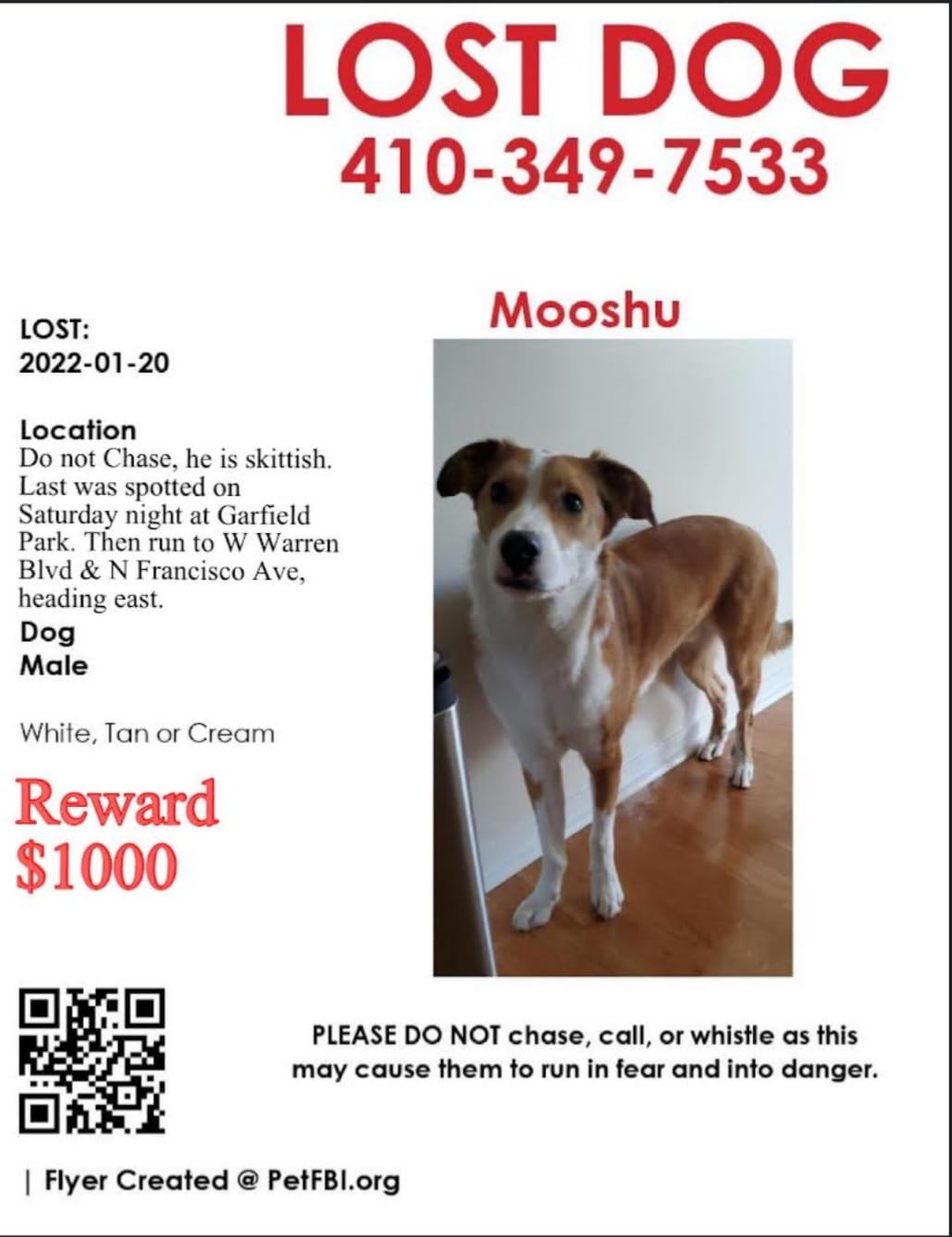
1. Long-term trends in shelter intake and euthanasia rates linked to reunification efforts.
2. Comparative effectiveness of photo-matching software versus traditional flyer campaigns.
3. The psychological impact on children when a lost pet is quickly found versus remaining missing.

Pursuing these questions will help the program evolve, inspire replication elsewhere, and keep more tails wagging safely at home.