The Impact of Promotional Pet Flyers on Pet Ownership and Retail Strategies
Introduction
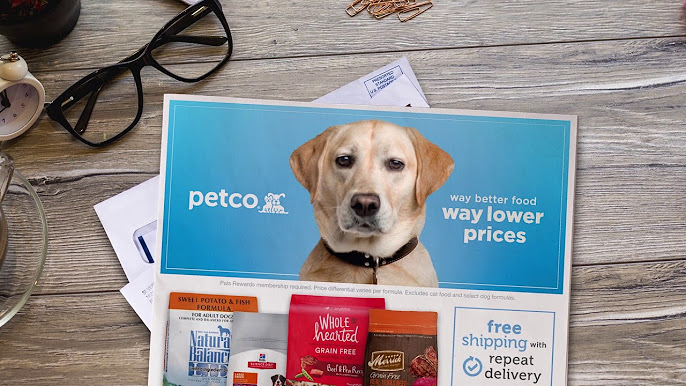
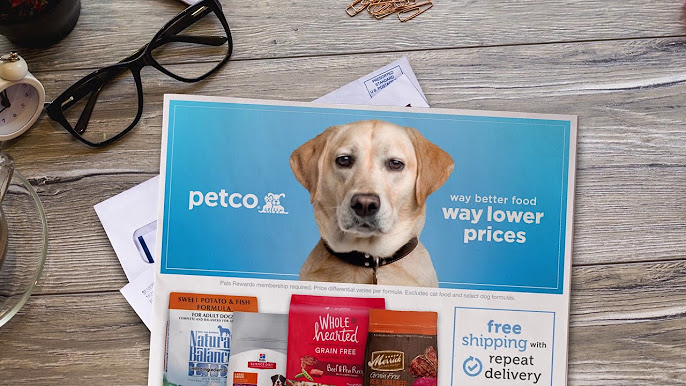
In the dynamic pet retail sector, a well-designed promotional flyer has become a key touchpoint for both shoppers and stores. This concise circular, shared by a major pet-supply chain, highlights seasonal deals, new arrivals, and care tips. The following overview examines how such flyers influence buying habits, encourage responsible ownership, and guide broader retail tactics.
The Significance of Promotional Flyers
A thoughtfully crafted flyer acts as a mini-catalog, rounding up limited-time savings, bundled offers, and expert advice. Its value rests on three pillars:
1. Customer Engagement
By arriving in mailboxes, apps, or at the register, the flyer keeps the brand top-of-mind. Short articles, vivid photos, and clear savings prompt readers to plan a store visit or click “add to cart.”
2. Sales Lift
Time-bound coupons create urgency. When owners see a discount on premium food or a “buy two, get one free” toy deal, they often add extra items to the basket, raising average transaction value.
3. Brand Familiarity
Regular cadence—weekly or monthly—builds trust. Shoppers begin to associate the flyer with reliable value, making them less likely to switch to rival outlets.
Impact on Pet Ownership Trends
Beyond moving merchandise, the flyer shapes how people care for and even acquire pets:
1. Encouraging Adoption
Sidebars that explain the first-week basics—feeding schedules, vet checklists, starter kits—lower the perceived barrier to bringing home a rescue. Companion coupons for food or bedding sweeten the decision.
2. Product Discovery
Rotating spotlights on puzzle feeders, dental chews, or eco-friendly litter introduce owners to categories they might otherwise overlook, enriching pets’ daily lives.
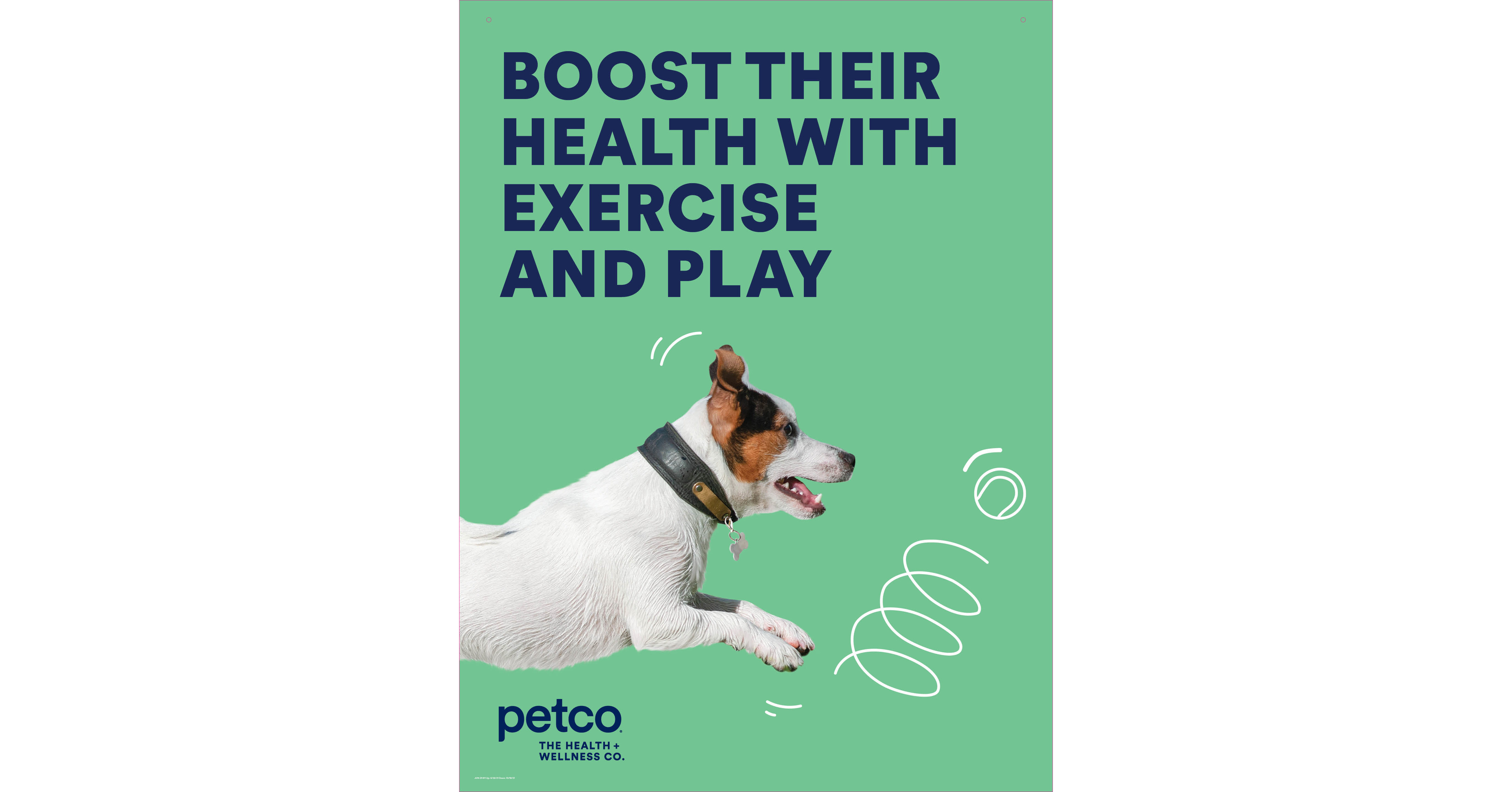
3. Health Awareness
Quick-read infographics on weight control, seasonal parasites, or mental stimulation nudge owners toward preventive care, often translating into follow-up purchases of vitamins, grooming tools, or training classes.
Retail Strategies Shaped by the Flyer
The humble leaflet also steers back-office decisions:
1. Omnichannel Consistency
Codes printed on the flyer work equally well at self-checkouts, on mobile apps, or when phoning in curbside orders, ensuring a seamless experience however the customer chooses to shop.
2. Micro-Segmentation
Data from loyalty accounts lets marketers swap generic offers for ones tied to past buys—cat owners see litter deals, while reptile keepers find heat-lamp rebates.
3. Strategic Partnerships
Co-branded panels with vet clinics, training schools, or sustainable start-ups expand the product mix and position the retailer as a holistic pet-care hub.
Conclusion
From sparking first-time adoptions to fine-tuning multi-channel logistics, the promotional flyer remains a quiet yet powerful engine of growth. As pet parenting grows more sophisticated, expect these slim circulars to evolve into richer, more interactive guides that benefit animals, owners, and retailers alike.
Recommendations and Future Research
To keep the format fresh and effective, teams might:
1. Deepen Personalization: Layer behavioral data with seasonality to predict when a customer will run out of food and mail the coupon just in time.
2. Add Interactivity: Embed QR codes that launch short “how-to” videos or AR filters showing how a new bed fits into a living room.
3. Spotlight Sustainability: Dedicate space to biodegradable bags, recycled toys, and refill stations to align with shoppers’ green values.
Scholars and analysts can probe further by:
1. Comparing digital versus print redemption rates across age groups.
2. Testing which segmentation variables—species, breed size, or lifestyle—drive the highest incremental sales.
3. Tracking multi-year flyer exposure to see whether consistent savings correlate with longer pet retention and higher lifetime customer value.