The Enigma of Purebred Cats: A Comprehensive Overview
Introduction
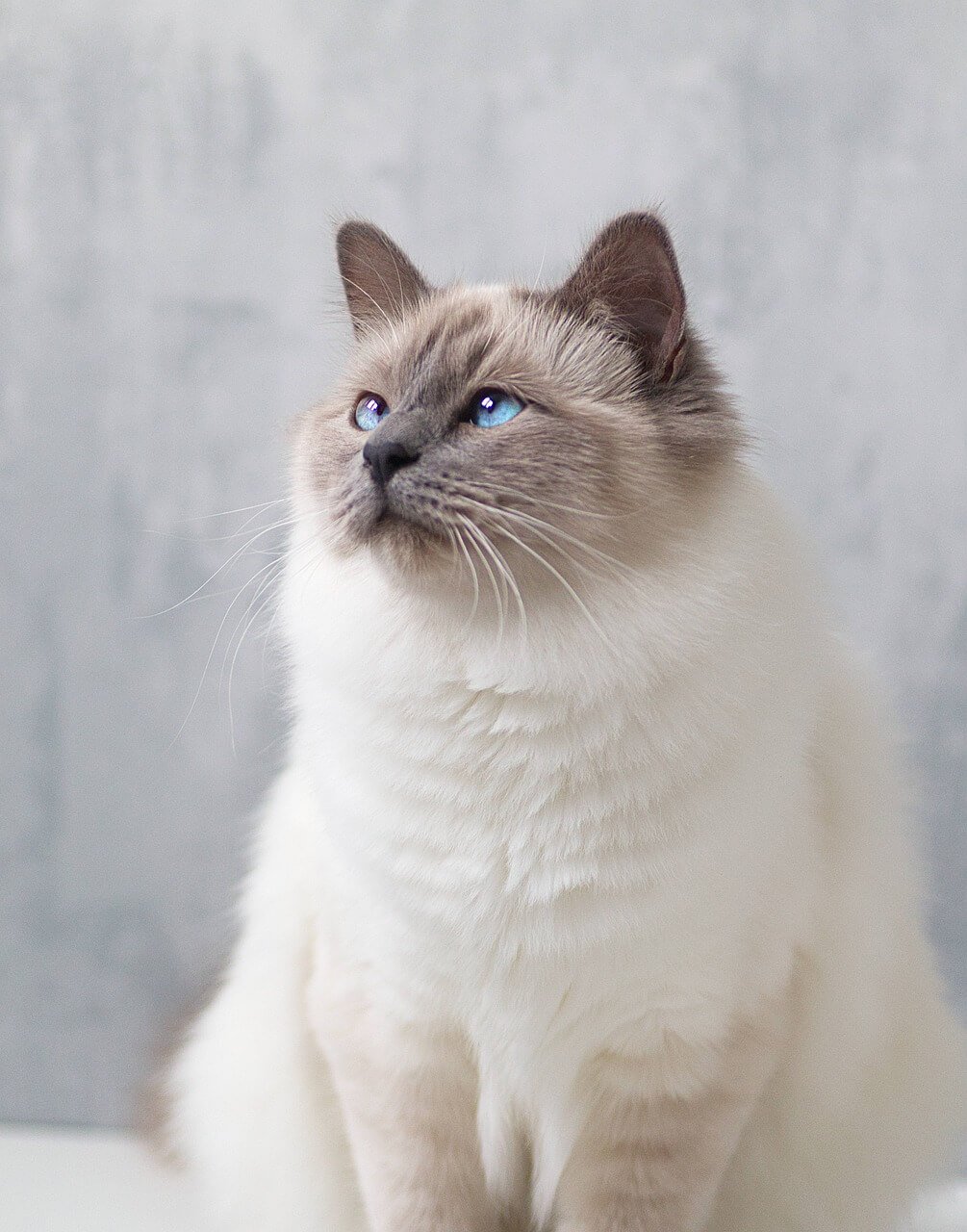
Purebred cats have long intrigued enthusiasts and researchers with their distinctive looks and personalities. These animals form a colorful mosaic of inherited traits. This article explores their background, genetics, and the debates surrounding selective breeding, offering a balanced look at why they matter and what the future may hold.
The Evolution of Purebred Cats
The idea of mating cats for chosen traits is ancient, rooted in societies that valued feline hunters and guardians. The modern notion of purebred cats, however, took shape toward the end of the nineteenth century.
Early cat exhibitions in Britain set the first written standards for body type, coat, and temperament. Breeders then paired cats that best matched these ideals, gradually creating the wide spectrum of pedigreed breeds recognized today.
Genetic Makeup of Purebred Cats
Pedigreed cats carry a carefully curated gene pool. Such focused breeding can secure desired features, yet it may also concentrate hidden health risks. Within any single breed, genetic variation still exists and is vital for overall vigor.
Still, the shared ancestry of line-bred animals means that certain inherited disorders can surface more often than in random-bred cats, making health surveillance essential.

The Controversies Surrounding Purebred Cats
Critics contend that extreme selection can jeopardize well-being. When cosmetic traits outweigh function, breathing, vision, or joint problems sometimes follow.
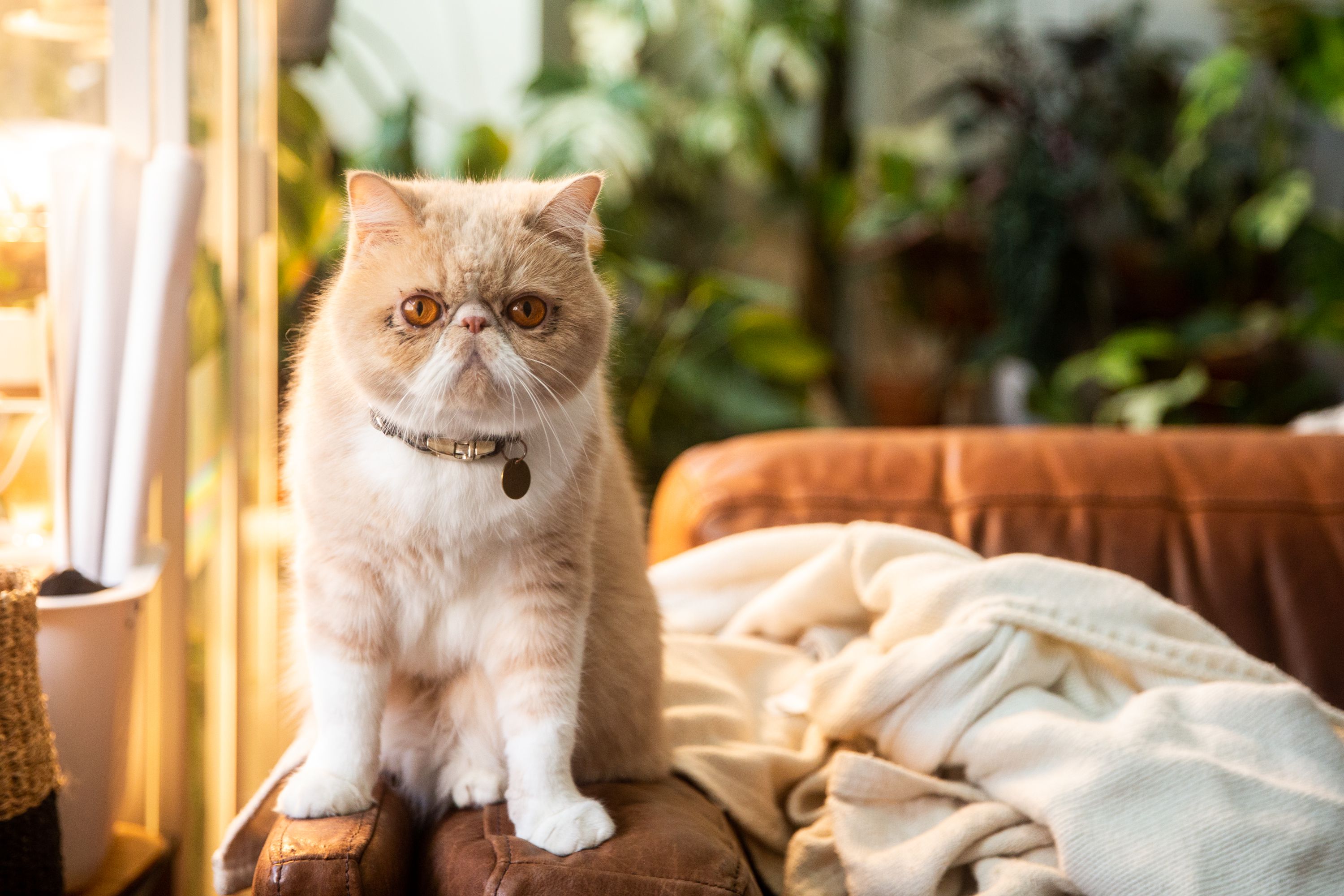
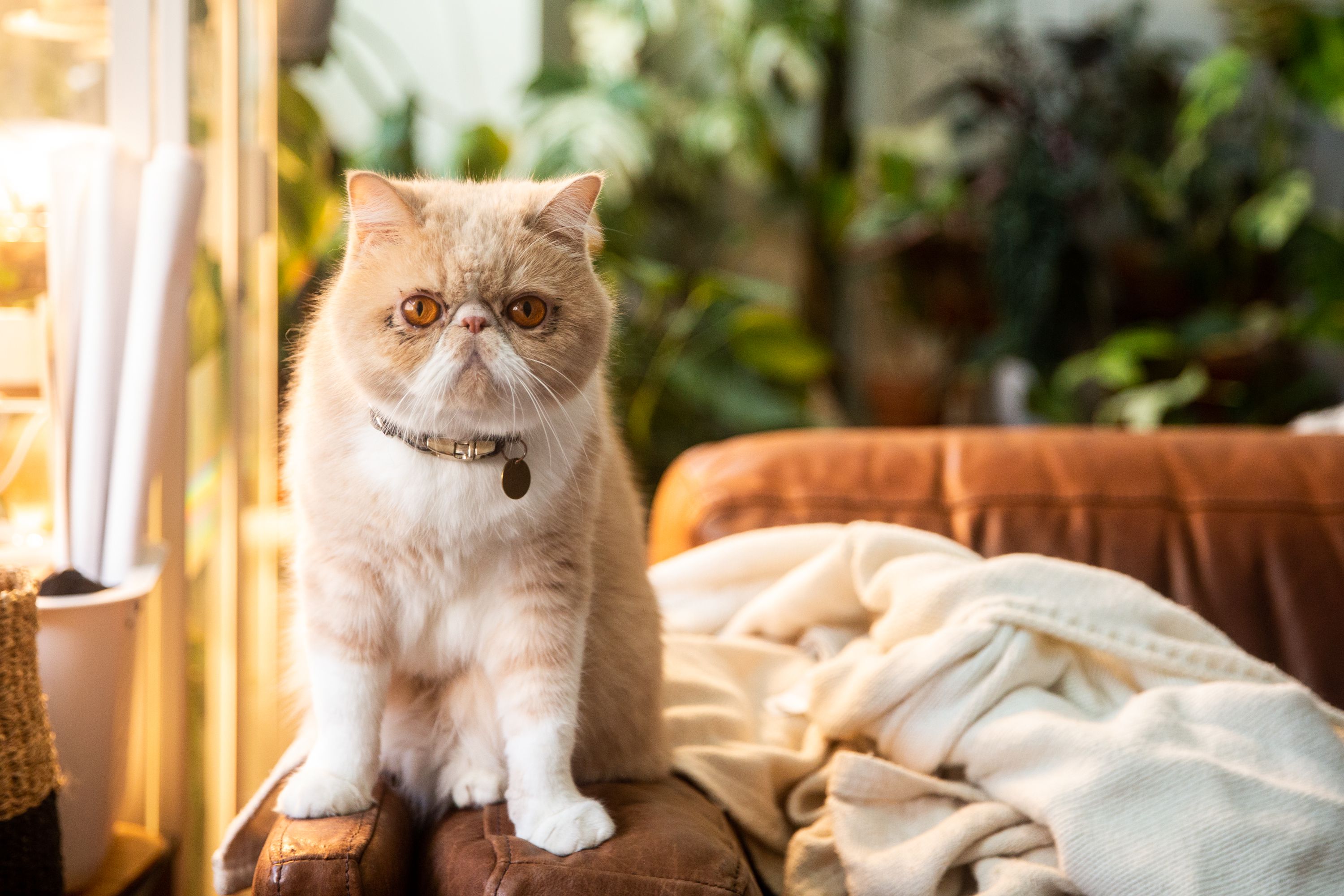
For instance, some flat-faced breeds may experience respiratory stress, while tightly coated varieties can develop skin sensitivities. These examples fuel ongoing discussion about where type ends and welfare begins.

The Role of Breed Standards
Written standards outline the perfect example of each breed, guiding exhibitors and breeders alike. Yet questions persist about whether these guides should place health on equal footing with appearance.
Reformers advocate standards that reward sound structure, easy movement, and freedom from pain, arguing that beauty need not conflict with health.
The Importance of Genetic Research
Advances in feline genetics now allow scientists to pinpoint mutations behind several disorders. DNA tests help breeders avoid risky pairings and track carrier status without guesswork.
Continued studies promise earlier diagnosis, better treatments, and ultimately healthier generations of pedigreed cats.
The Future of Purebred Cats
Opinions diverge on what lies ahead. Some call for a gradual shift away from closed studbooks, while others believe vigilant, science-based breeding can preserve cherished breeds and protect welfare simultaneously.
A middle path may emerge: updated standards, mandatory health screening, and wider gene pools could balance tradition with the ethical duty to protect every kitten born.
Conclusion
Purebred cats embody both cultural heritage and biological complexity. Examining their history, genetics, and welfare challenges offers insight into how human choices shape animal lives. Responsible stewardship—guided by research, compassion, and ongoing dialogue—remains the surest route to safeguarding their distinctive charm while securing their well-being for years to come.
The conversation must continue. By blending respect for tradition with modern science, breeders, veterinarians, and owners can ensure that future generations enjoy healthy, happy feline companions whose unique traits enrich homes and hearts alike.