The Importance and Impact of Animal Rescue
Animal rescue has become a vital part of modern life, mirroring our deepening empathy and sense of responsibility toward creatures that share our planet. This article explores why rescue matters, the many forms it takes, and the lasting benefits it brings to animals and people alike. By looking at the ethical, social, and ecological sides of rescue work, we hope to show why continued support is essential.
The Ethical Heart of Rescue
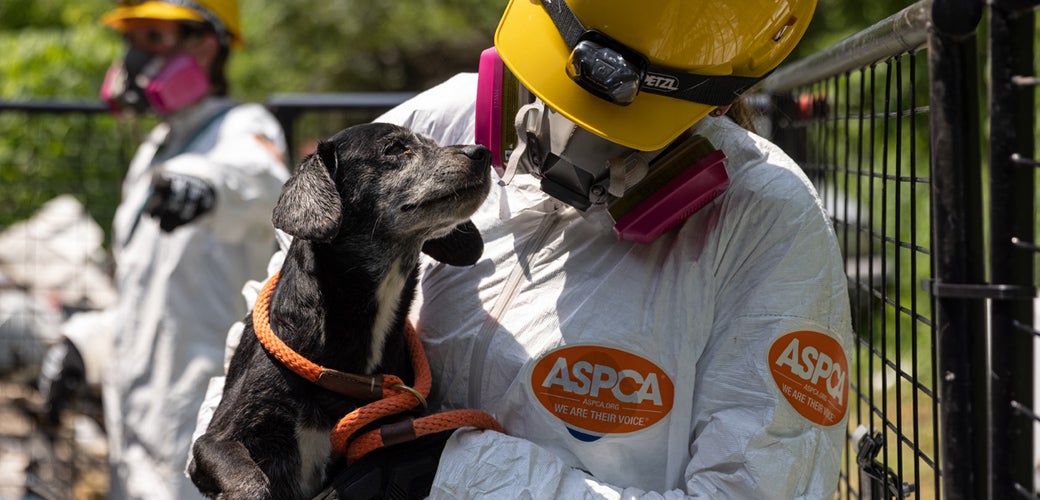
At its core, rescue is an ethical choice that recognizes the worth of every sentient life. It affirms our duty to protect animals from harm and to treat them with dignity. The idea is simple: because animals can suffer, they deserve care and respect.
Preventing cruelty is a central motive. Neglect, abandonment, and exploitation leave deep scars, both physical and emotional. Stepping in to offer safety and healing is therefore an act of justice as well as kindness.
The Social Ripple Effect
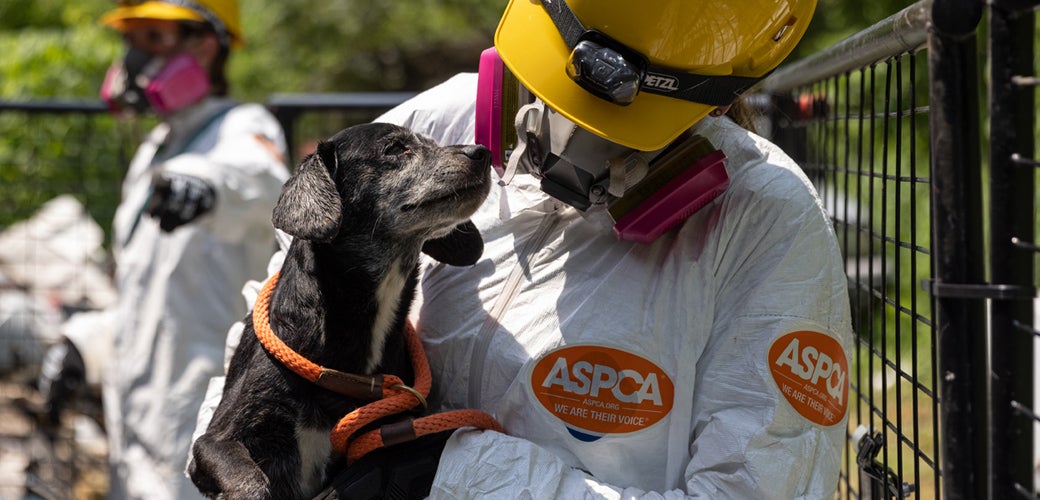
Rescue efforts knit communities together. Neighbors meet at adoption drives, volunteers clean kennels side by side, and children learn compassion by fostering kittens. These shared experiences cultivate a culture of cooperation and empathy that reaches far beyond the shelter walls.
Volunteering also boosts human well-being. Walking dogs or socializing cats gives people a sense of purpose, lowers stress, and creates friendships rooted in a common cause.
Environmental Payoffs
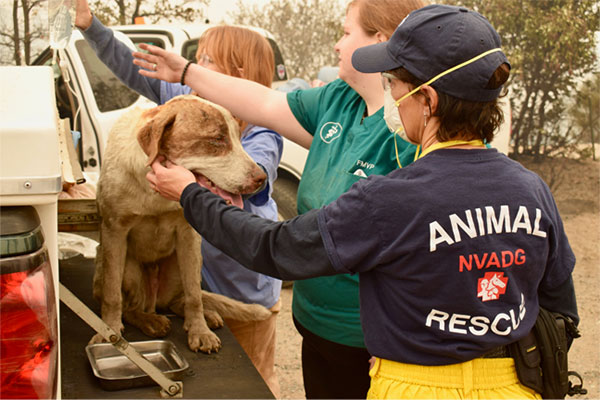
When animals are saved from illegal trade or habitat destruction, entire ecosystems benefit. Each rehabilitated bird, reptile, or mammal returned to the wild helps maintain the balance of its natural community.
Reducing demand for wildlife products—whether ivory, exotic pets, or traditional medicines—eases pressure on vulnerable species and the forests, grasslands, or oceans they call home.
Stories That Inspire
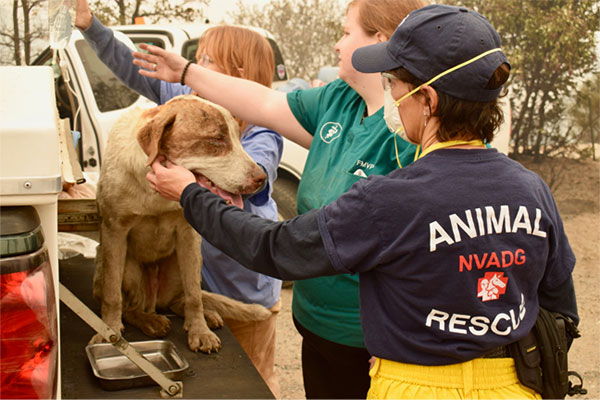
A group of moon bears once confined to tiny cages on a bile farm now roam spacious enclosures after years of patient rehabilitation. Their transformation from fear to curiosity shows how resilient animals can be when given a second chance.
In another case, a small dog rescued from overcrowded breeding facilities learned to trust people again and eventually became a therapy companion, visiting schools and nursing homes to spread comfort.
Hurdles and Horizons
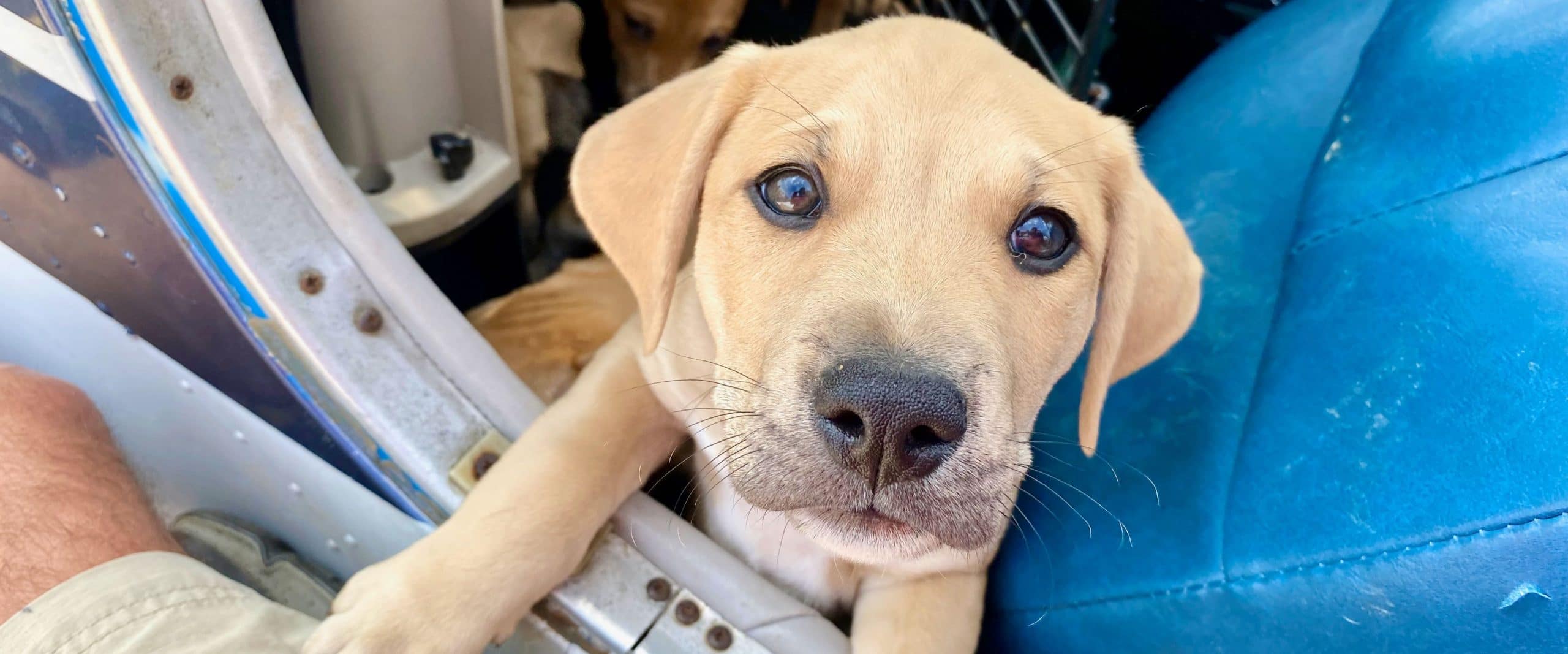
Despite heart-warming victories, rescue groups still struggle with tight budgets, limited space, and the endless stream of animals in need. Raising public awareness and encouraging adoption, foster care, and responsible pet ownership are key steps toward lasting change.
Partnerships between shelters, veterinarians, educators, and local authorities can amplify impact. Future progress will likely rely on creative solutions—mobile clinics, virtual adoption events, and stronger spay-neuter programs—that make humane care accessible to all.
Conclusion
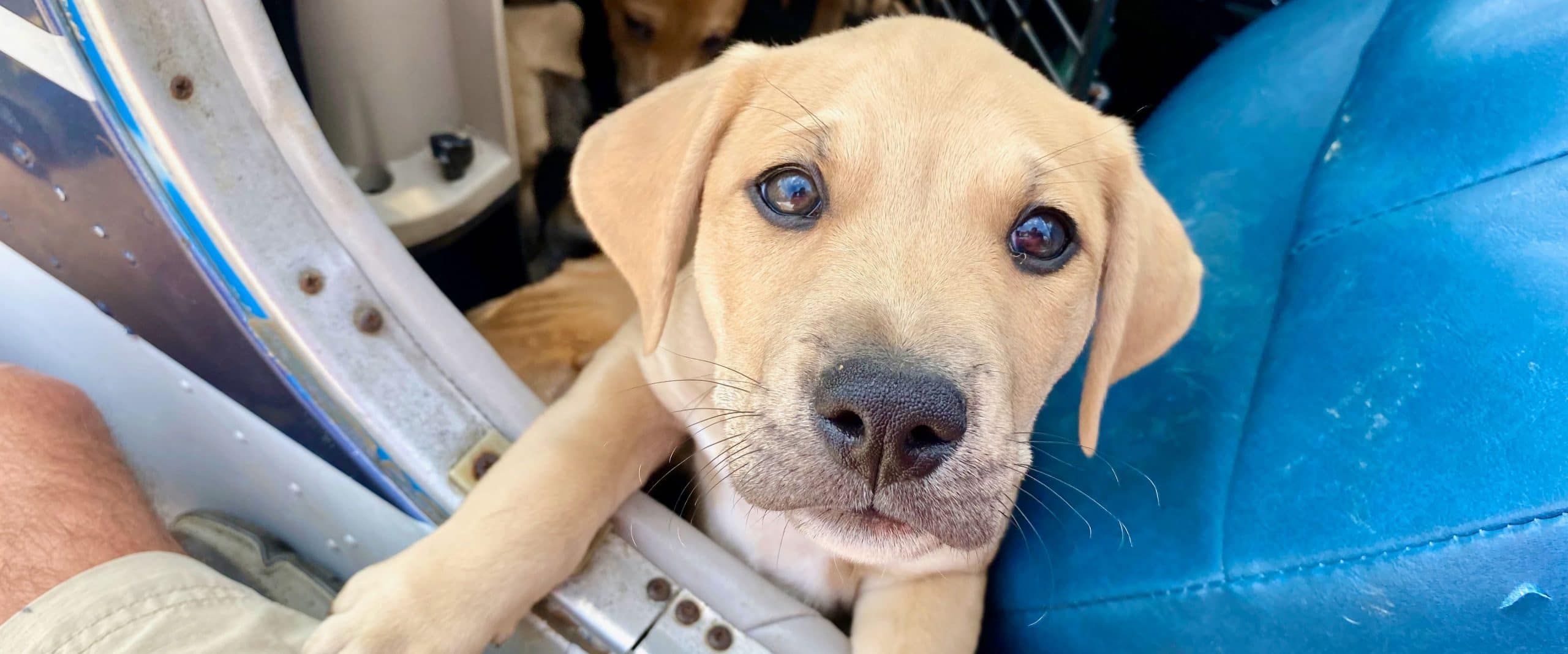
Animal rescue is more than a kind gesture; it is an ethical stance, a social bond, and an environmental safeguard rolled into one. By championing rescue, we choose a world where kindness guides action and every life matters. The journey is far from over, yet each small act—donating time, adopting a pet, or simply sharing a story—moves us closer to a future where animals and people thrive together.