Title: The Value of Slide-On Pet ID Tags: A Practical Overview
Introduction:
Slide-on pet ID tags have quietly become a must-have for anyone who shares life with a dog or cat. This short overview looks at why these slim bands matter, how they work, and the peace of mind they add to everyday walks and unexpected escapes. From design basics to real-world reunions, we will see why a simple slide can mean the difference between “lost” and “found.”
Understanding the Slide-On Pet ID Tag
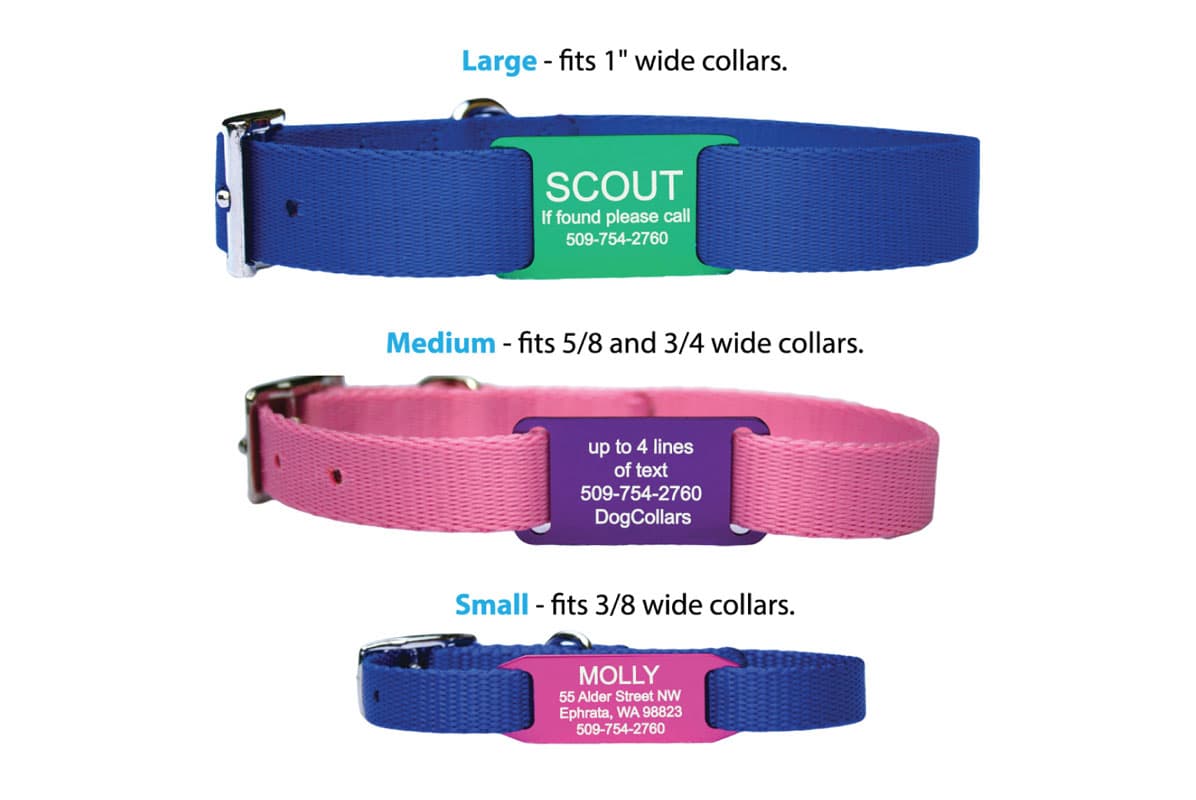
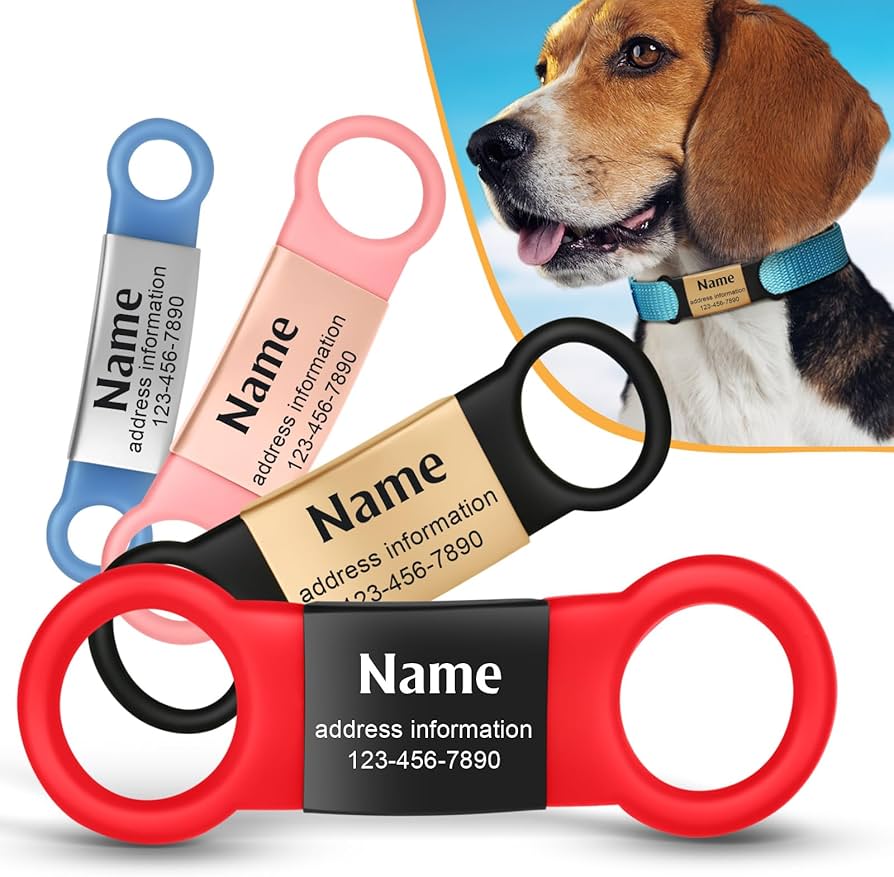
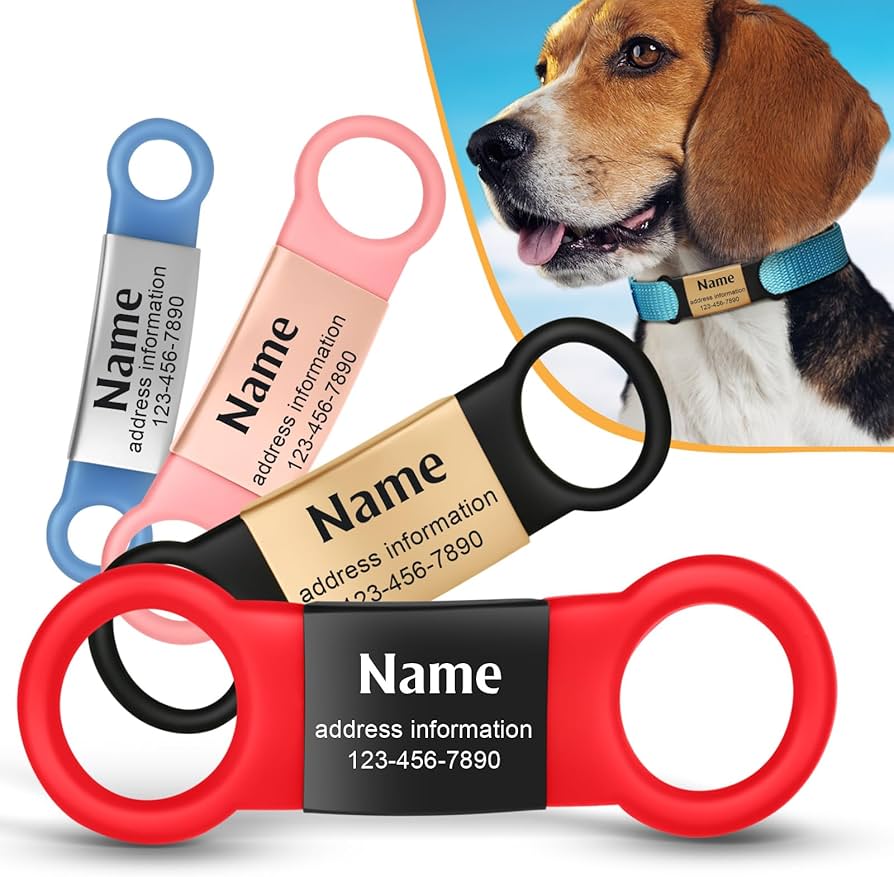
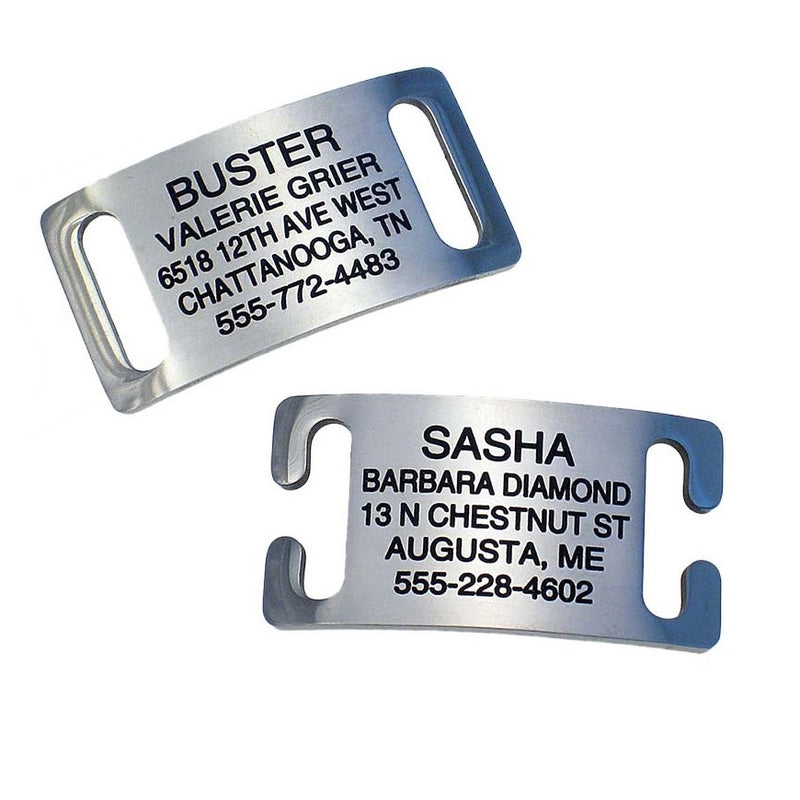
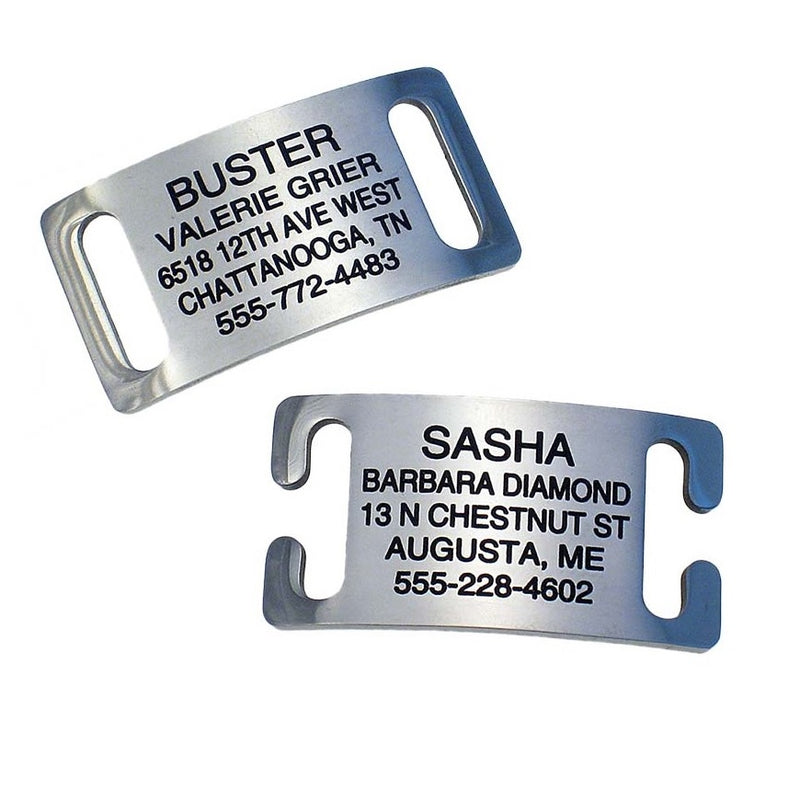
A slide-on tag is a thin, collar-hugging plate—usually metal or tough polymer—that slips over the collar instead of dangling. It carries the pet’s name and at least one way to reach the keeper, and it sits flat so it will not snag on branches or bowls.
Benefits of Slide-On Pet ID Tags
1. Instant ID: A quick glance at the tag tells a neighbor, postal worker, or ranger whom to call, speeding up reunion without a trip to the vet for a microchip scan.
2. Up-to-Date Contact: Owners can swap tags the moment a phone number changes—no waiting for database updates.
3. Health Notes: A second line can list urgent needs such as “diabetic” or “deaf,” giving rescuers a heads-up before they handle the animal.
4. Theft Deterrent: A visible, personalized tag signals that the pet belongs to someone who can be reached in minutes, making the animal a less attractive target.
Design and Functionality of Slide-On Pet ID Tags
Key points shoppers notice:
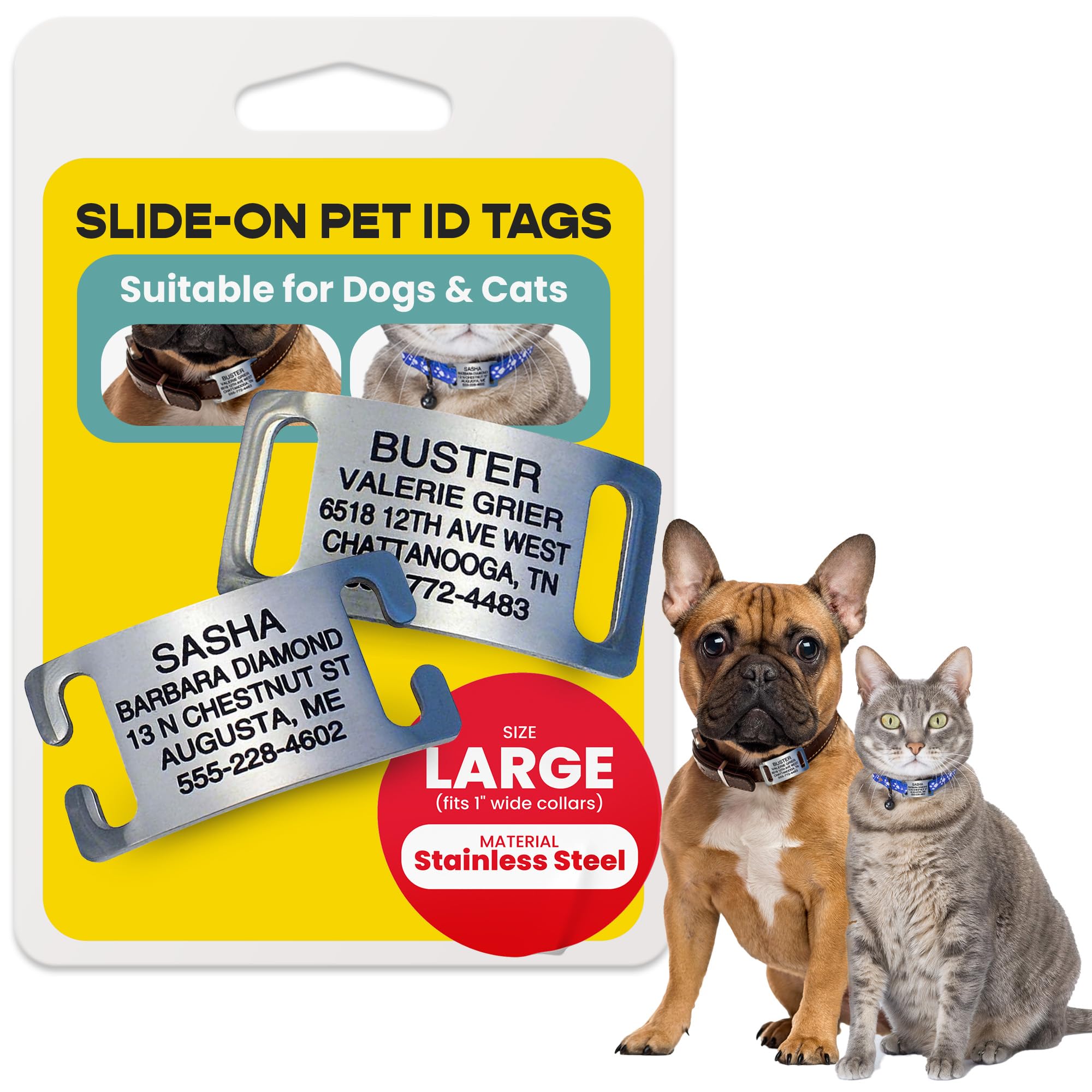
1. Material: Anodized aluminum and stainless steel resist rain and salt; polymer blends stay quiet for sound-sensitive pets.
2. Fit: The tag’s inner channel stretches just enough for standard nylon or leather collars, hugging snugly so it will not spin or jingle.
3. Customization: Color fills, engraved paw prints, or a small QR code that opens a secure profile page are popular add-ons.
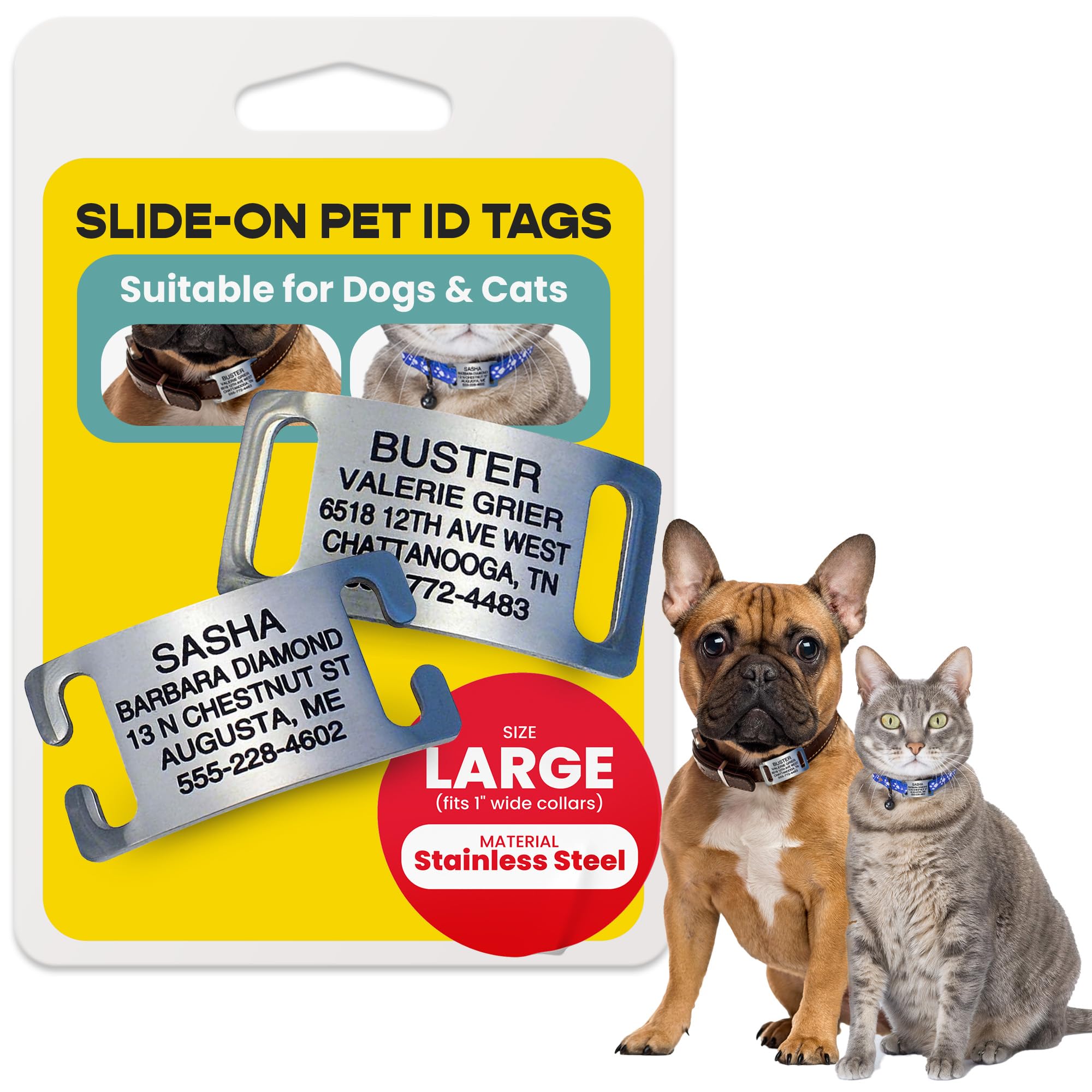
4. Legibility: Deep rotary engraving keeps letters crisp even after years of mud and baths.
The Role of Slide-On Pet ID Tags in Pet Recovery
Real-life payoff:
1. Direct Reunion: A passer-by can dial the number while still holding the leash, skipping shelters altogether.
2. Shelter Relief: Fewer “strays” checked in means less strain on local rescue resources.
3. Community Mindset: Every tagged pet reminds onlookers that identification is normal, encouraging others to follow suit.
Research and Statistics
Surveys from veterinary groups show that visible ID remains the fastest route home; animals wearing tags are returned in hours, not days, compared with those relying solely on microchips.
Conclusion
Lightweight, silent, and impossible to forget once on the collar, slide-on tags give pets a voice when they wander. Choosing one, keeping it current, and checking it for wear are small habits that pay off in big ways.
As more households welcome companion animals, spreading the word about these unobtrusive plates can cut stray numbers and shorten scary separations. A tag today can mean a wagging tail tonight.
In short, a slide-on ID is the cheapest insurance policy a pet owner can buy—one that never needs a renewal fee, only an occasional glance to make sure the numbers still read true.