The Role and Impact of Dachshund Breeders in the Midwest
Introduction
Dachshunds, instantly recognizable by their elongated bodies and stubby legs, have charmed families across the globe. In the heartland of America, devoted enthusiasts maintain the breed’s legacy through careful stewardship. This article examines why these breeders matter, how they shape the breed’s future, and the hurdles they confront.
The Significance of Dedicated Dachshund Breeders
1. Preservation of the Breed
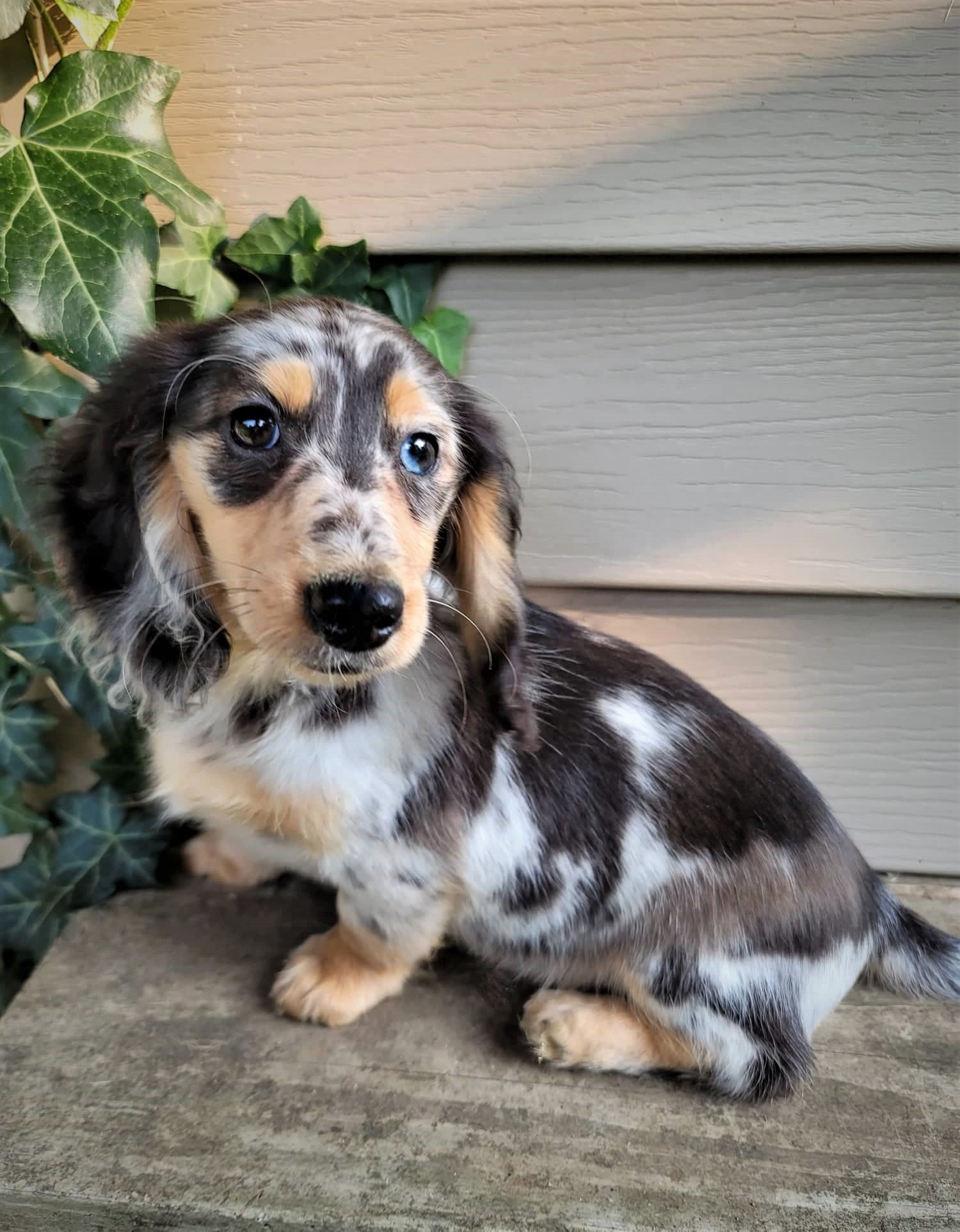
Responsible breeders focus on safeguarding the dachshund’s classic silhouette and spirited personality. By pairing dogs that best represent the breed standard, they keep future generations sound, diverse, and true to type.
2. Ethical Breeding Practices
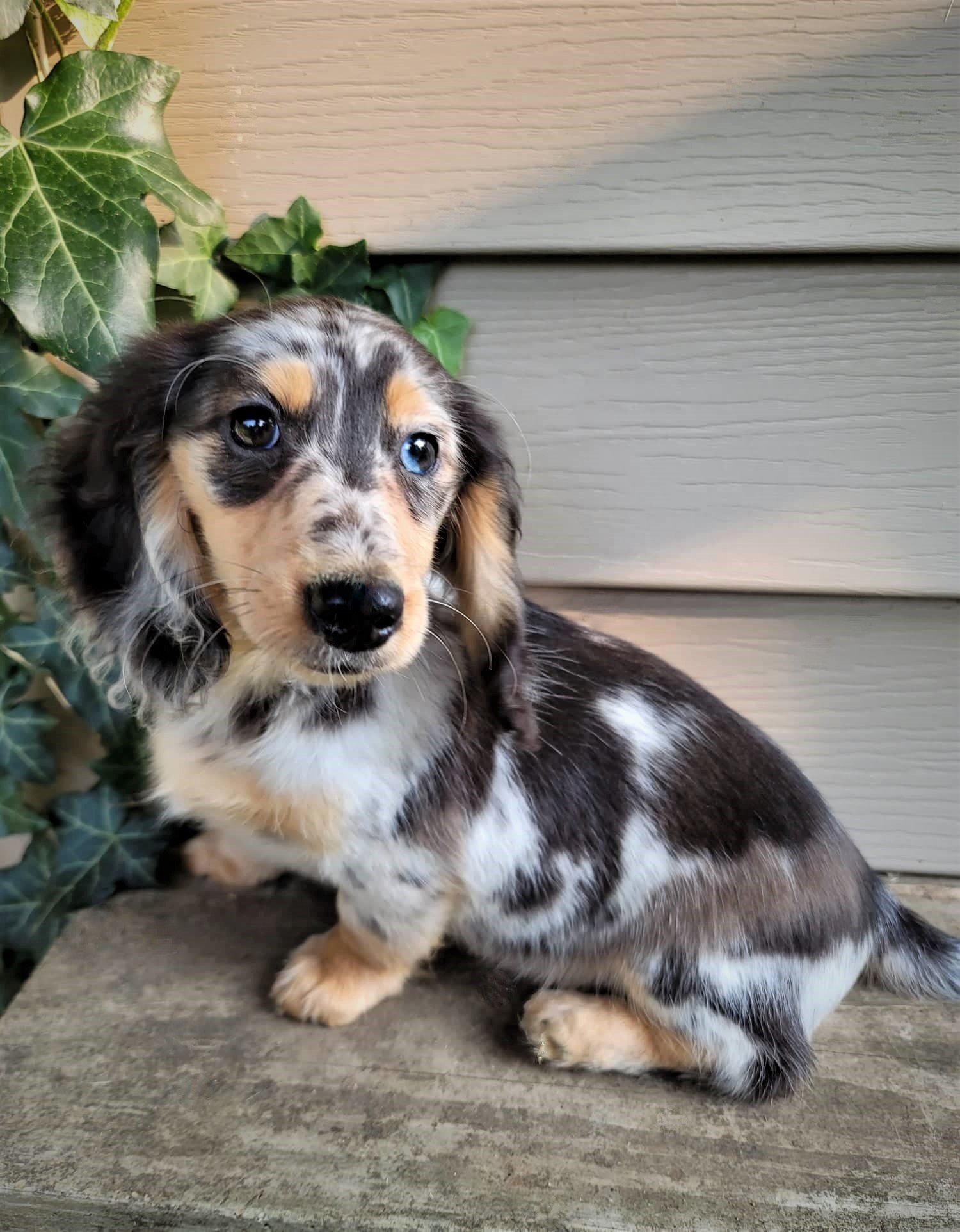
Health screenings, balanced diets, daily exercise, and early socialization are non-negotiables. Such standards produce confident, robust puppies ready for family life, dog sports, or the show ring.
3. Contribution to the Canine Community

Beyond supplying pets, breeders provide mentors for newcomers, stock for performance events, and knowledge that strengthens local clubs. Their work supports veterinarians, trainers, groomers, and pet-supply businesses, creating a ripple effect throughout the regional economy.
The Impact of Responsible Breeding Programs
1. Health and Genetic Improvement

Systematic health testing and transparent record-keeping have steadily reduced risks of inherited spinal, eye, and cardiac conditions. Each generation grows sturdier while retaining the dachshund’s trademark silhouette.
2. Promoting Awareness and Education
Breeders host meet-the-breed days, publish care guides, and counsel first-time owners on exercise, nutrition, and back safety. Informed families mean fewer dogs surrendered and more harmonious households.

3. Supporting Rescue Networks
Many breeders volunteer as foster homes, donate funds, or offer behavioral rehabilitation for dachshunds in need. Their expertise speeds rehoming and eases the burden on shelters.
Challenges Faced by Breed Stewards

1. Genetic Health Issues
The very body shape that defines the breed also predisposes it to back problems. Balancing type with sound structure remains a daily puzzle requiring data, honesty, and sometimes difficult breeding decisions.
2. Public Perception

Cartoon images of stubborn, noisy “wiener dogs” linger. Breeders counter by showcasing well-mannered ambassadors in parks, therapy wards, and obedience rings, proving that training and temperament trump stereotypes.
3. Economic Pressures
Rising costs of health testing, quality food, and veterinary care squeeze small programs. Market swings and impulse buyers seeking bargain pups challenge breeders to stay solvent without cutting corners.

Conclusion
Midwestern dachshund custodians serve as guardians of heritage, educators of the public, and safety nets for dogs in transition. Their commitment to health, transparency, and rescue has elevated the breed’s well-being. Continued collaboration, research, and outreach will ensure that the dachshund’s lively spirit endures for generations.
Recommendations and Future Research

To strengthen these efforts, consider the following steps:
1. Create an open platform where breeders share health data, pedigrees, and enrichment ideas, speeding collective progress.
2. Fund university studies on spinal health, longevity, and behavior, translating findings into simple breeding tools.

3. Launch upbeat social campaigns highlighting dachshunds as versatile family partners, emphasizing responsible sourcing and lifelong care.
Future inquiries could explore:
1. How decades of health-focused selection influence lifespan and temperament trends.

2. The full economic footprint of ethical breeding on rural and suburban communities.
3. Quantifying the success of cooperative rescue programs in lowering shelter intake numbers.
By pursuing these goals, dachshund advocates can keep the breed sound, popular, and well-loved across the nation.