Finding a New Home for My Dog: A Comprehensive Guide
Introduction
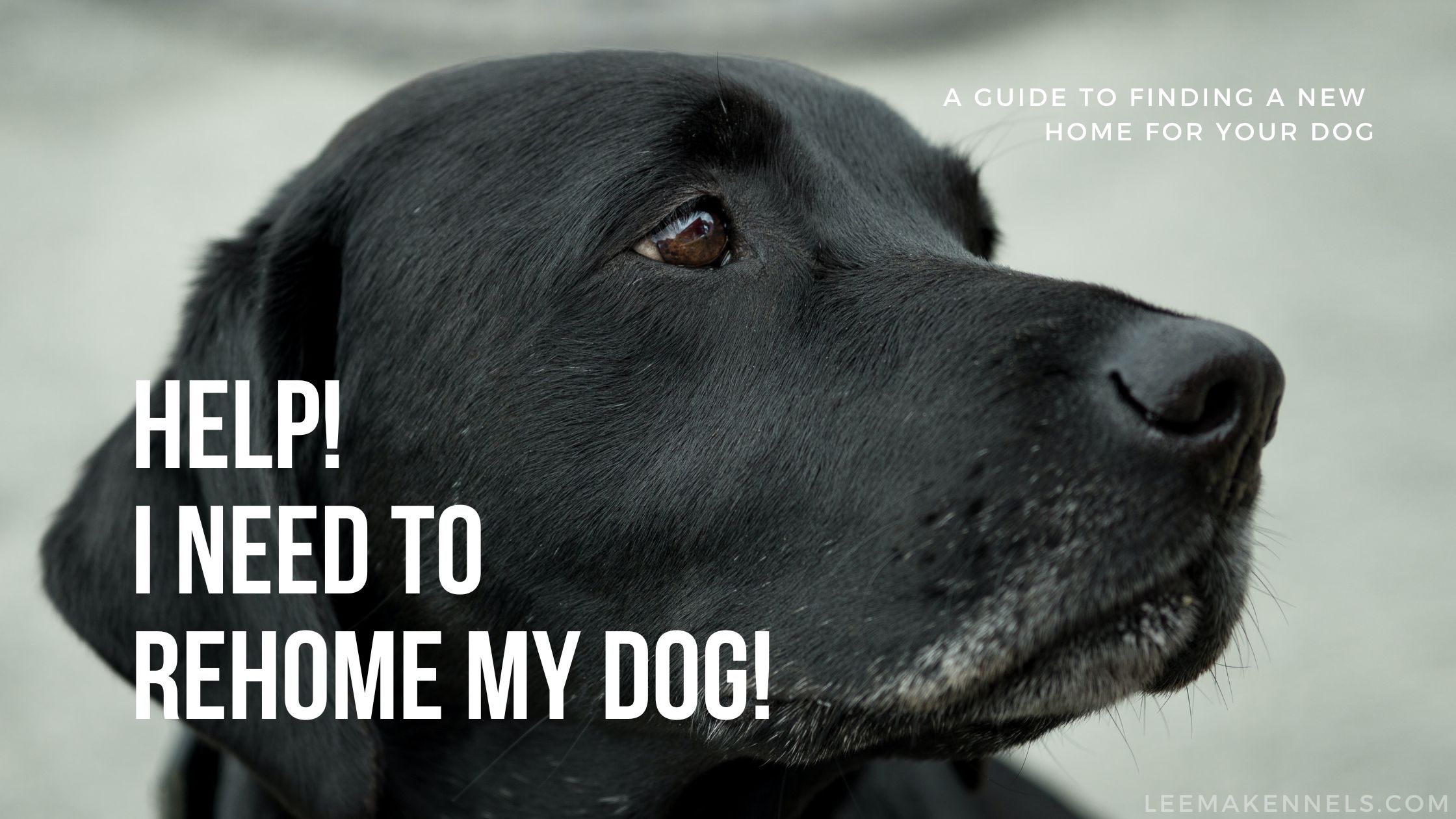
Rehoming a beloved dog is never easy, yet thoughtful planning can turn a difficult moment into a positive new chapter for everyone involved. Whether your living situation has shifted, your pet’s energy level no longer matches yours, or you simply want to secure a brighter future, the steps you take today will echo for years. This guide walks you through assessing your dog’s unique needs, locating trustworthy adopters, and smoothing the hand-over so tails keep wagging.
Understanding the Dog’s Needs
Before you post a single photo, spend time observing what truly makes your dog happy. Individual quirks matter more than breed labels, and honest answers now prevent mismatches later.
Temperament and Behavior
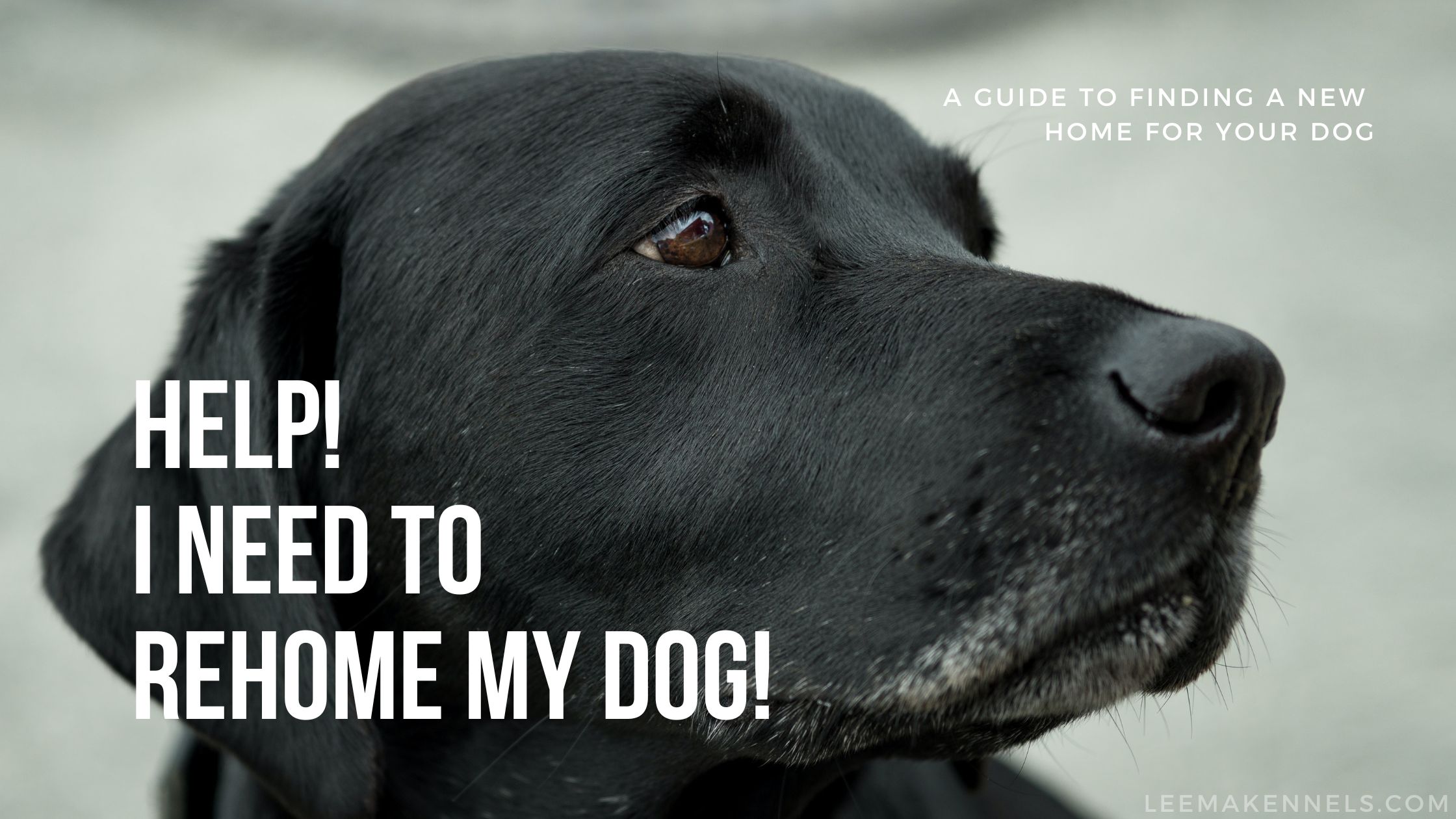
Is your canine companion a social butterfly who greets every visitor, or a gentle soul who prefers quiet evenings on the couch? Note reactions to children, cats, loud noises, and being alone. A clear personality profile helps you screen for homes that already move at the same pace.
Health and Age
Puppies need patience and training; seniors often crave calm routines and soft beds. If daily medication or joint supplements are part of life, be upfront. Many adopters welcome older pets when they understand the simple adjustments required.
Breed-Specific Considerations
Even mixed-breed dogs carry traits from each branch of the family tree. A quick conversation with your vet or a glance at reputable breed guides can reveal exercise requirements, grooming needs, and typical sociability, giving future owners realistic expectations.
Identifying Suitable Options
Once you know the ideal setting, cast a wide but careful net. Multiple channels increase the odds of meeting adopters who are both eager and well-prepared.
Adoption Agencies and Shelters
Partnering with a registered rescue shifts much of the screening work to experienced staff. These groups handle reference checks, meet-and-greets, and follow-up calls, sparing you emotional strain while safeguarding your dog.
Online Platforms and Social Media
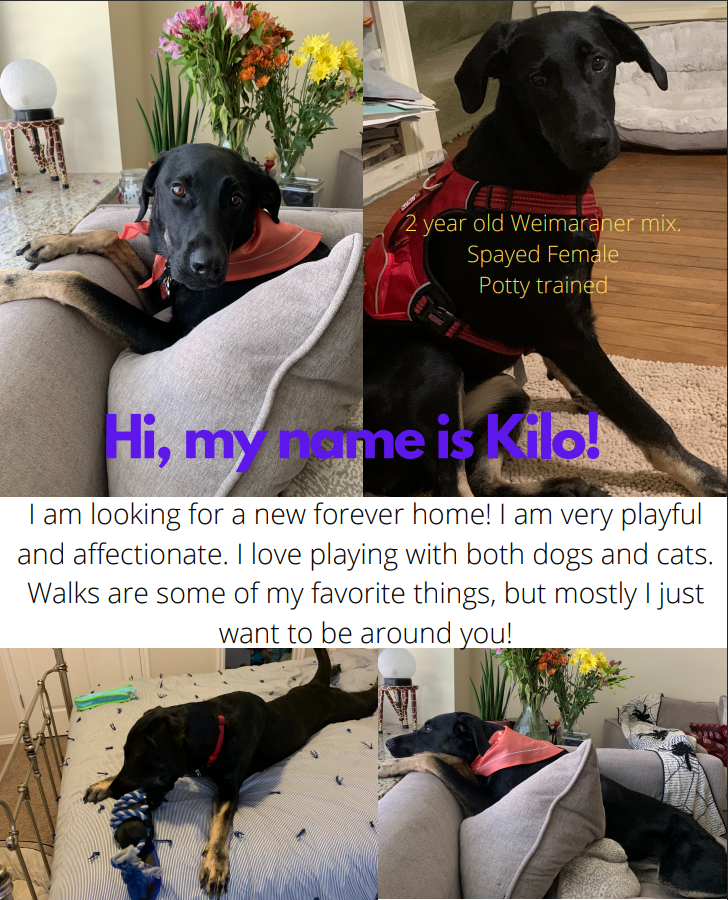
Clean photos, a cheerful video, and a candid description work wonders on reputable pet-adoption sites or neighborhood groups. Emphasize your dog’s favorite games and cuddle habits; positivity attracts responsible families.
Word of Mouth and Local Resources
Veterinary clinics, dog-training schools, and even the local coffee shop bulletin board can connect you with pet lovers already trusted by your community. Personal referrals often lead to the smoothest transitions because expectations are set long before the leash changes hands.
Ensuring a Smooth Transition
The right match is only half the story. A little preparation turns goodbye into a confident hello for both dog and adopter.
Preparation and Training
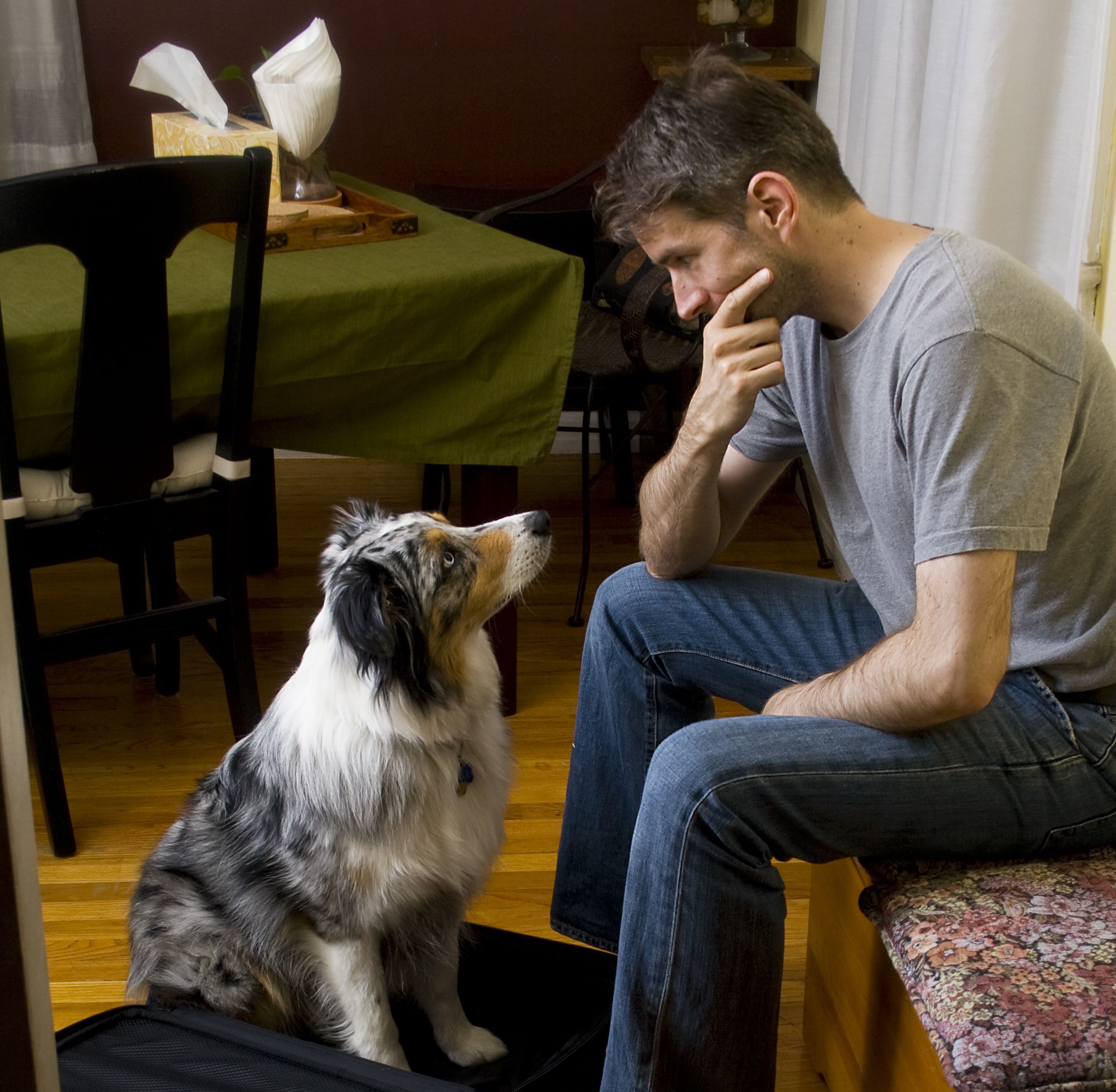
Brush up on basic cues—sit, stay, come—and reinforce house-training. Pack a favorite toy or blanket so familiar scents travel too. A calm, confident dog photographs better and settles faster.
Medical Check-Up
Schedule a final vet visit for a wellness summary, vaccination records, and any preventive care due. Providing a clean bill of health builds trust and prevents surprises that could bounce your dog back into uncertainty.
Communication and Support
Share feeding schedules, walk routines, and the quirky things that make your pup laugh—like how he sneezes when excited or prefers carrots over biscuits. Offer to answer questions for the first few weeks; most adopters appreciate the lifeline and use it sparingly.
Conclusion
Rehoming is an act of love when guided by clarity and compassion. By spotlighting your dog’s true nature, choosing adopters thoughtfully, and easing the changeover, you create space for new memories while honoring the ones already made. A secure future, a wagging tail, and a relieved heart are well worth the effort.
Recommendations and Future Research
Continued learning keeps more dogs out of shelters and in happy homes. Consider these forward-looking steps:
1. Support community classes that teach basic manners, boosting adoptability for any dog.
2. Promote routine spay and neuter programs to prevent accidental litters.

3. Encourage shelters to use video profiles and live-chat Q&A sessions so personalities shine early.
4. Fund long-term studies tracking adoption success, revealing which support tools—training vouchers, behavioral hotlines, or follow-up visits—keep pets permanently placed.
Together, small innovations and shared knowledge ensure every dog enjoys the stable, loving home they deserve.