The Importance of Dogs in Human Life
Introduction
Dogs have shared their lives with people for millennia, offering steady companionship, a sense of safety, and daily emotional comfort. This brief overview looks at why these animals remain so valued, touching on their history, the ways they support mental well-being, the practical help they can provide, and the duties that come with caring for them.

Historical Context
No one knows the exact moment the first wolf pup chose to stay near a human campfire, but archaeologists agree the partnership is ancient. Early dogs helped track game, warn of danger, and guard settlements. Across cultures they moved from working partners to cherished household members, appearing in art, folklore, and family life. Today they remain among the world’s most popular animal companions.
Psychological Advantages

Time spent with a friendly dog often lowers heart rate, eases worry, and lifts mood. The simple rituals of feeding, walking, and playing create predictable rhythms that many owners find calming. Because dogs invite outdoor exercise, they also encourage healthier movement and social contact, both of which support overall mental fitness.
Researchers have observed that people who live with dogs frequently report feeling less lonely and more emotionally balanced than those without pets, suggesting that the human-canine bond can be a valuable part of personal well-being strategies.
Practical Benefits
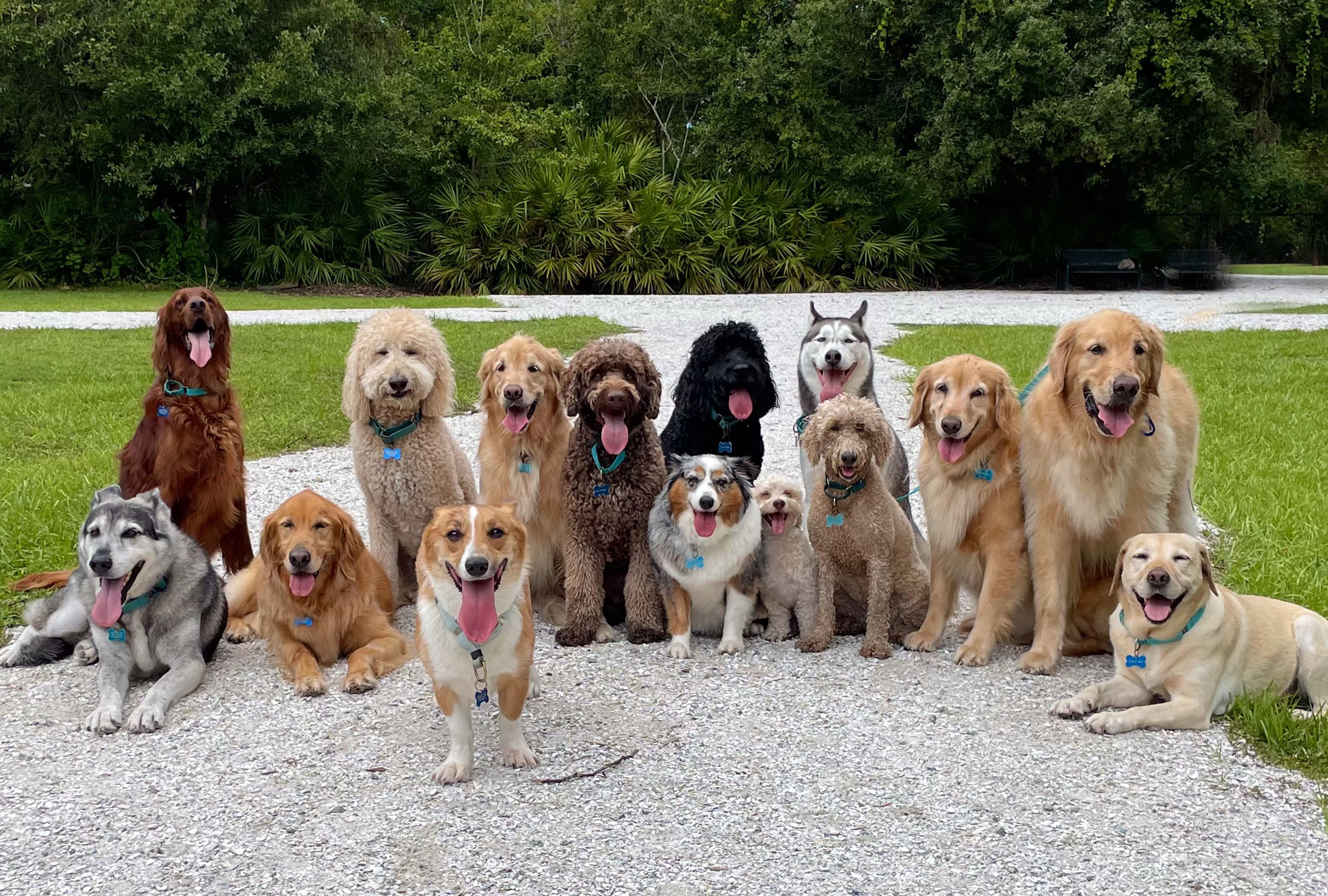
Beyond affection, dogs can fill everyday roles that make life smoother. They offer quiet company to anyone who lives alone, provide structure for people facing physical or mental challenges, and serve as social bridges during neighborhood walks. Specially trained animals guide individuals with limited vision, alert partners to oncoming medical episodes, or bring comfort to patients in clinics and schools.
Challenges and Responsible Pet Care
Sharing life with a dog also brings daily responsibilities. A guardian must supply nutritious food, regular exercise, routine veterinary care, and patient training. Budgeting for these needs—and for unexpected health issues—is part of the commitment. Proper socialization and gentle, consistent guidance reduce the chance of fearful or aggressive behavior, keeping both the dog and the community safer.
Conclusion
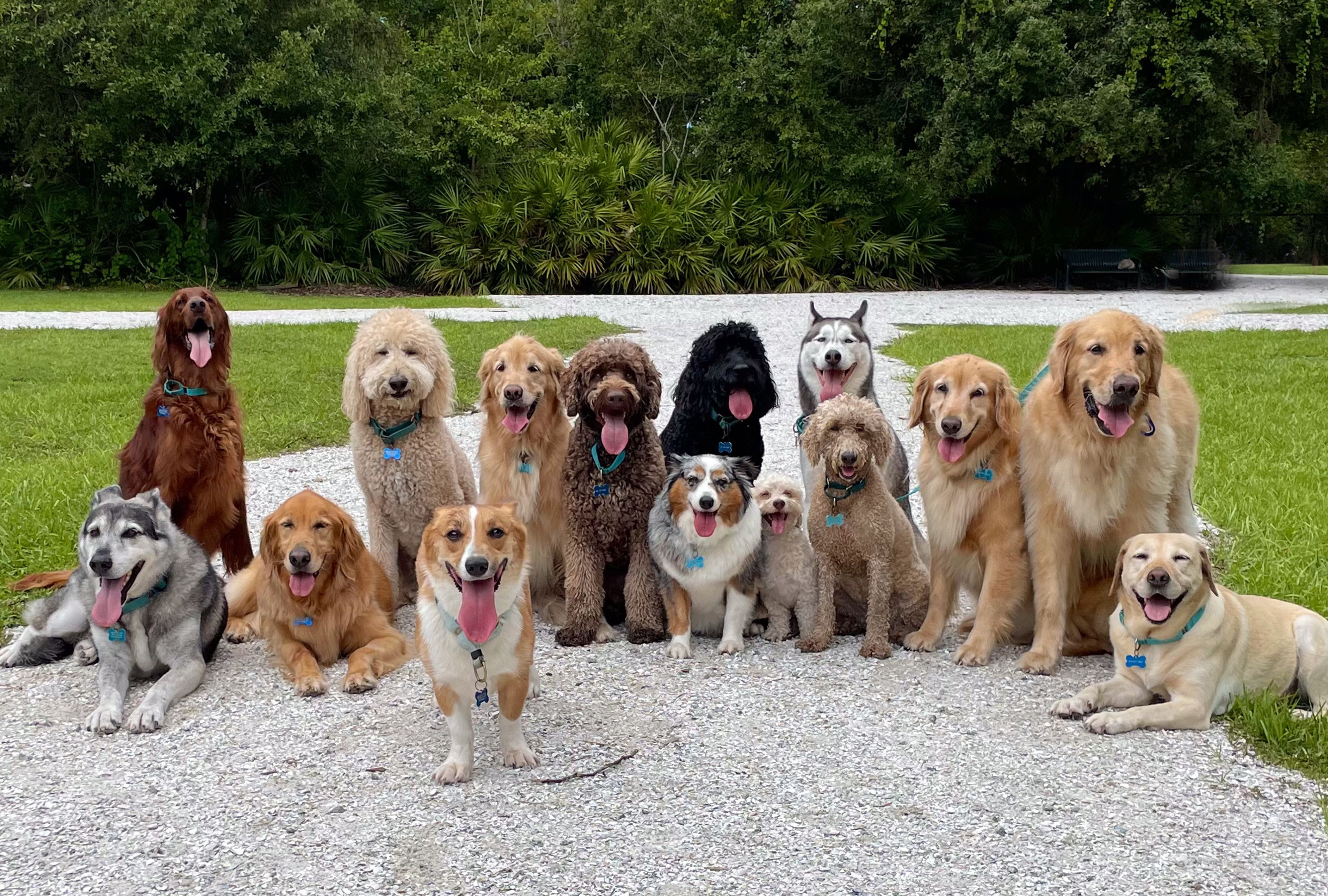
From ancient campsites to modern homes, dogs have earned their place beside people through loyalty, usefulness, and an uncanny ability to understand human emotions. When guardians meet their companions’ physical and emotional needs, the relationship remains mutually rewarding, enriching everyday life for both species.
Future Research Directions

More studies could explore how growing up with a dog influences children’s social skills, whether canine companionship eases isolation in later life, and which training methods best encourage confident, relaxed behavior. Continued inquiry will help societies support responsible ownership and strengthen the enduring bond between people and their dogs.