The Complete Guide to Canine Health Checks: Keeping Your Dog Happy and Healthy
Introduction
Dogs have shared our homes and hearts for thousands of years, offering loyalty, affection, and endless tail wags. To repay that devotion, responsible owners schedule routine health checks that spot problems early and keep pets thriving. This guide walks you through why these visits matter, which issues vets watch for, and the simple steps that add years to your dog’s life.
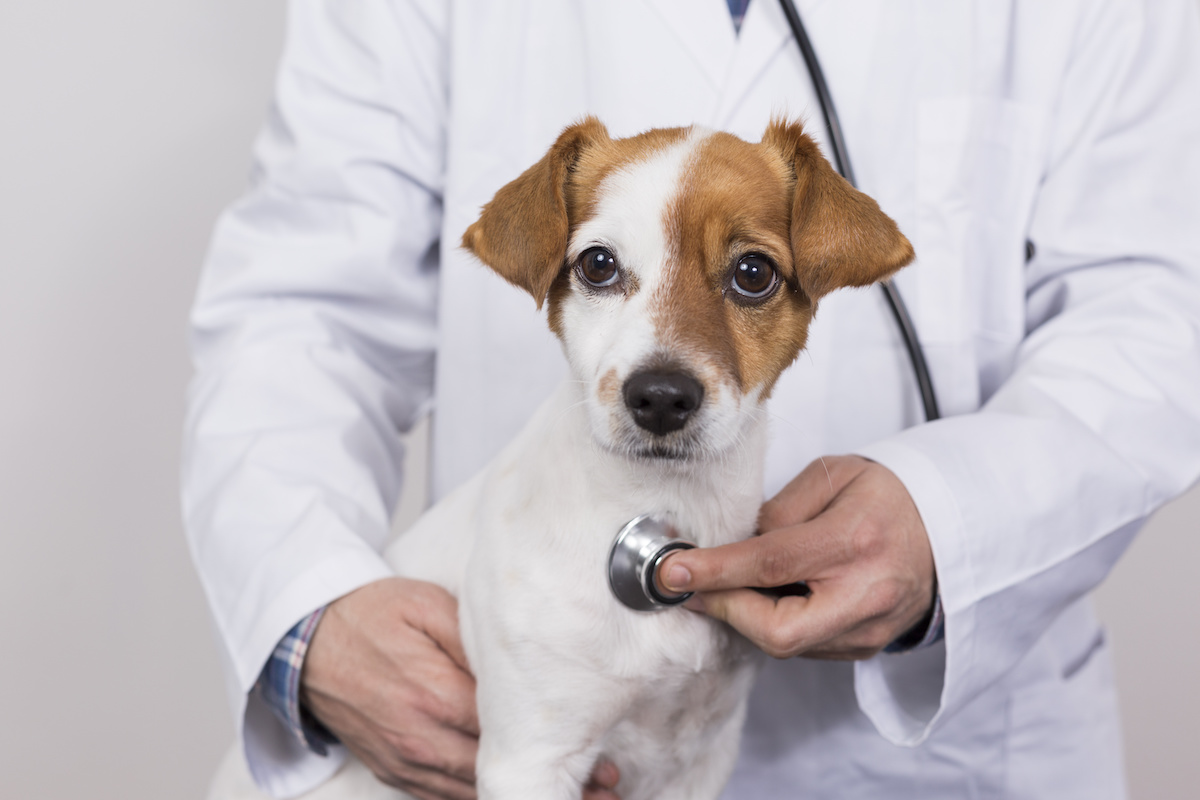
The Importance of Routine Canine Exams
Consistent check-ups are the cornerstone of preventive care. They give your vet the chance to catch brewing trouble before it becomes serious, costly, or painful. Key benefits include:
Early Detection of Illness
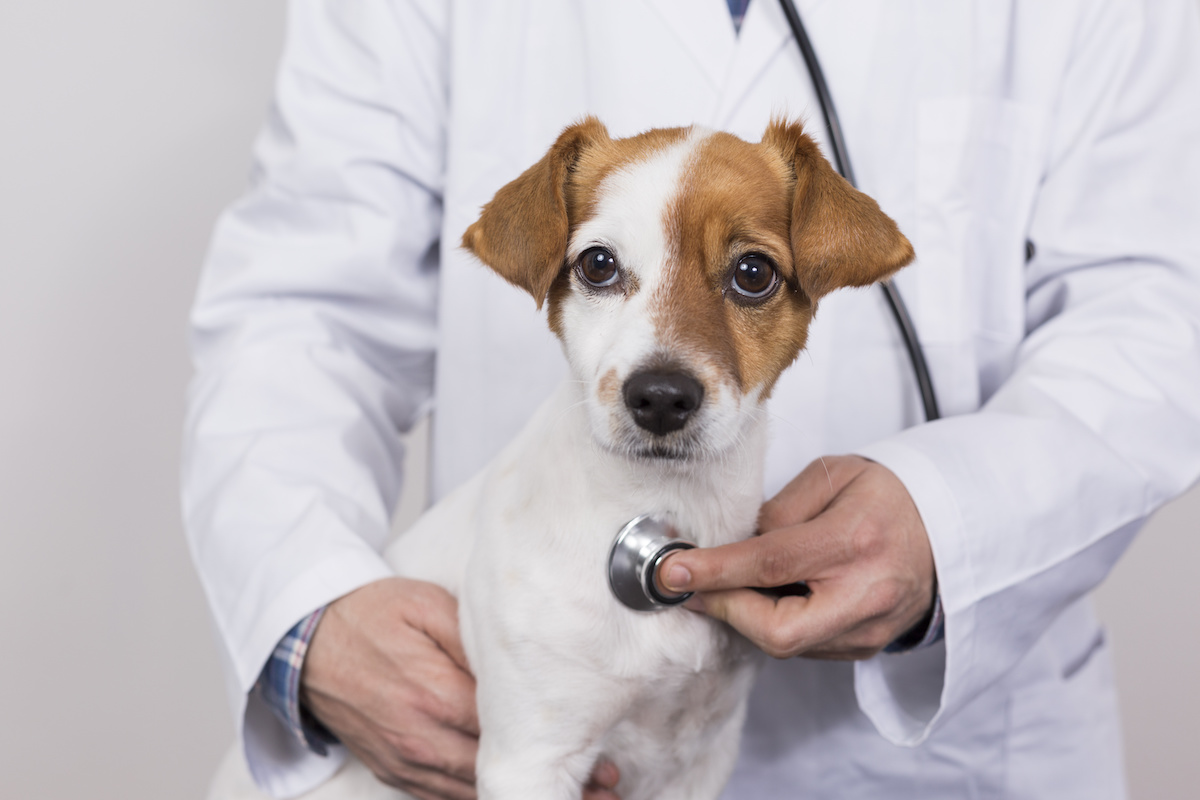
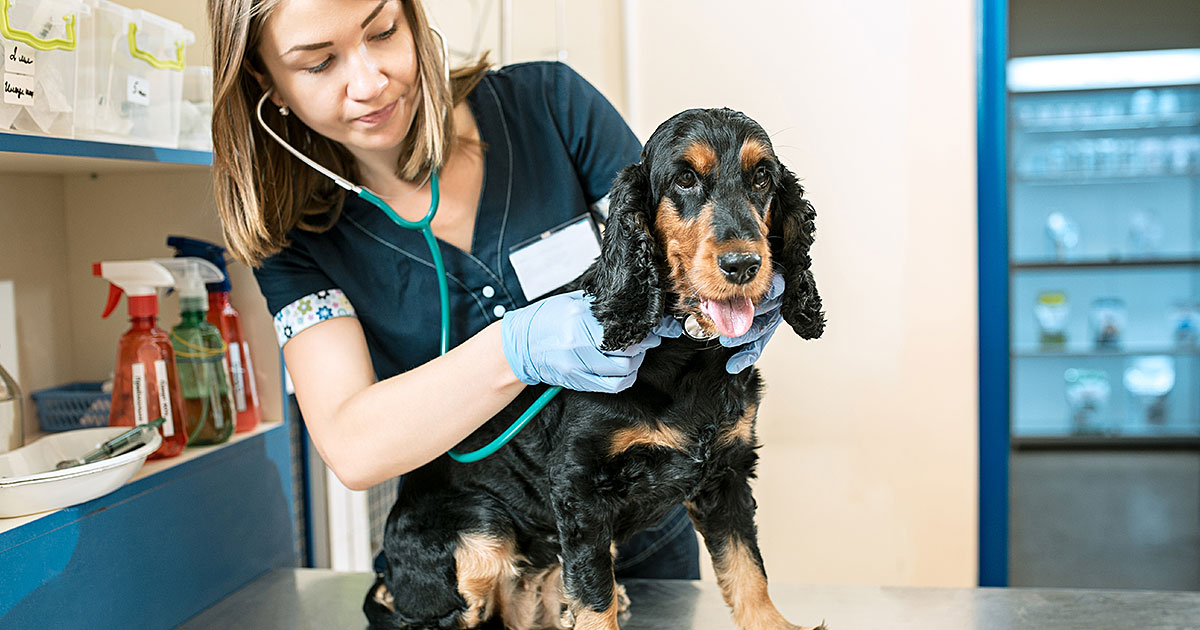
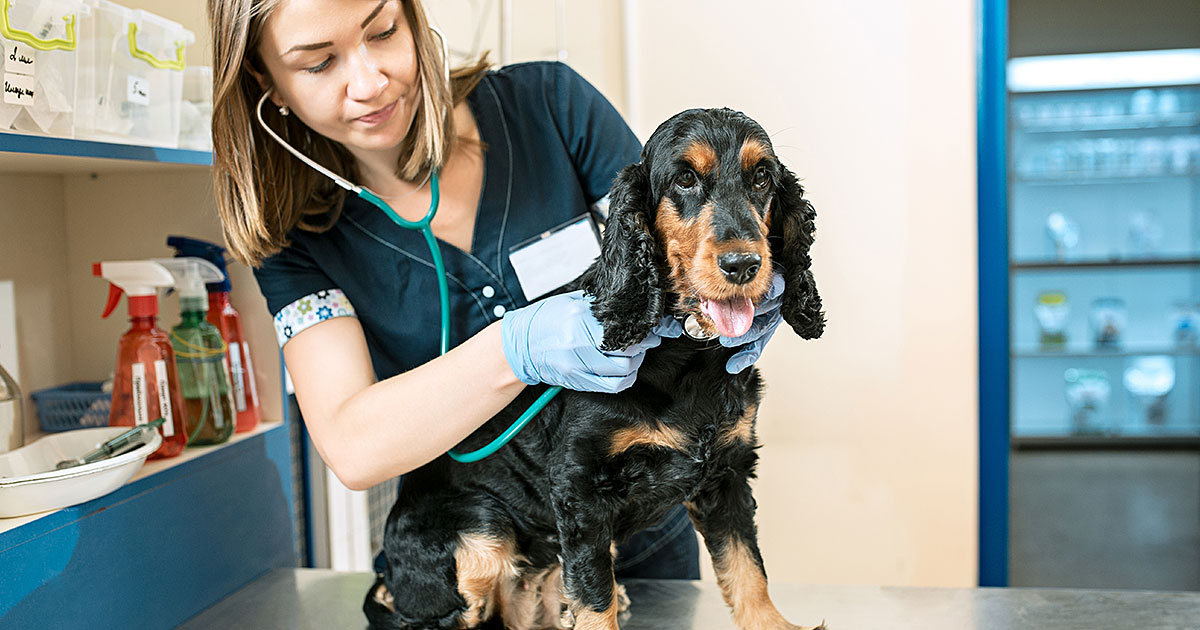
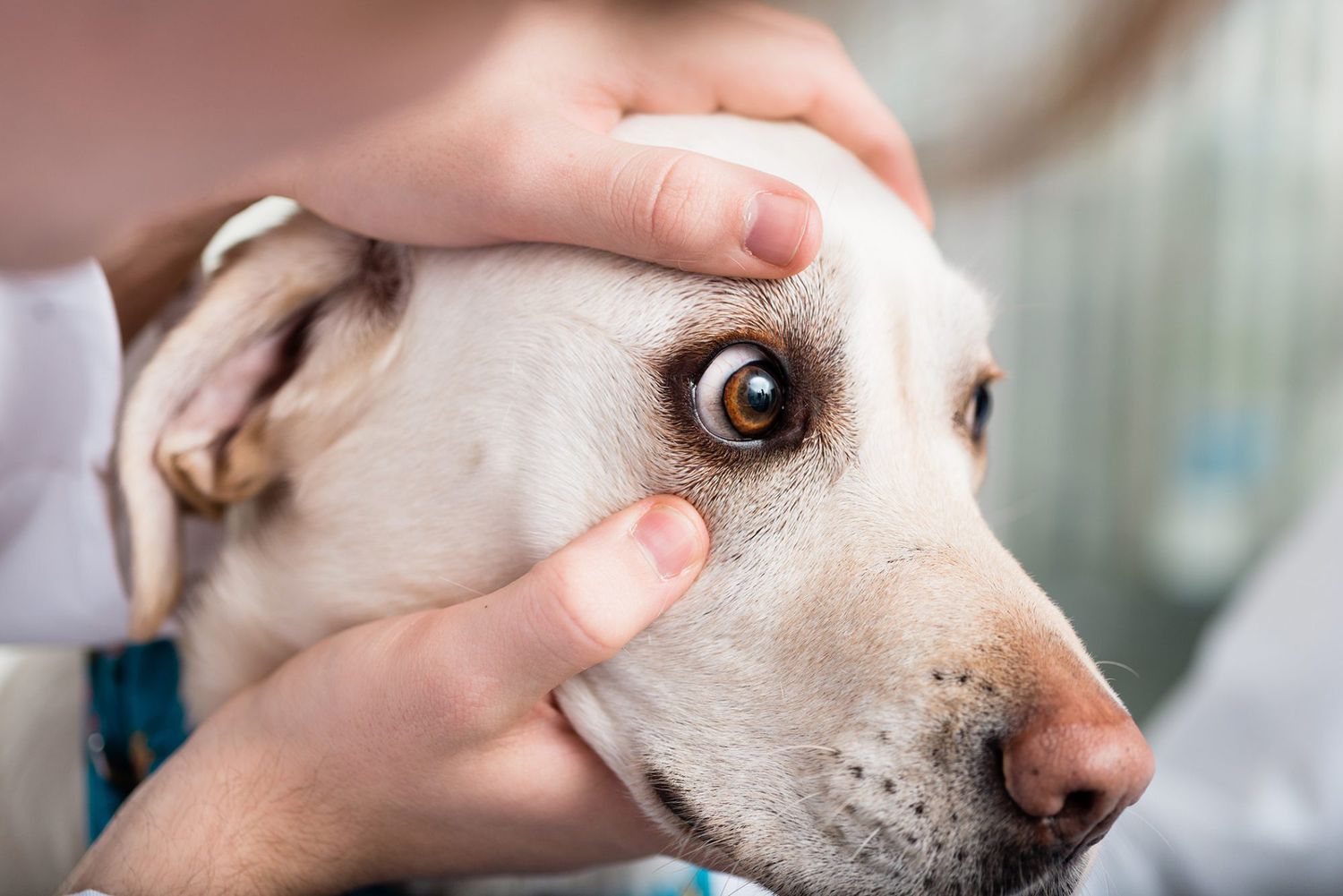
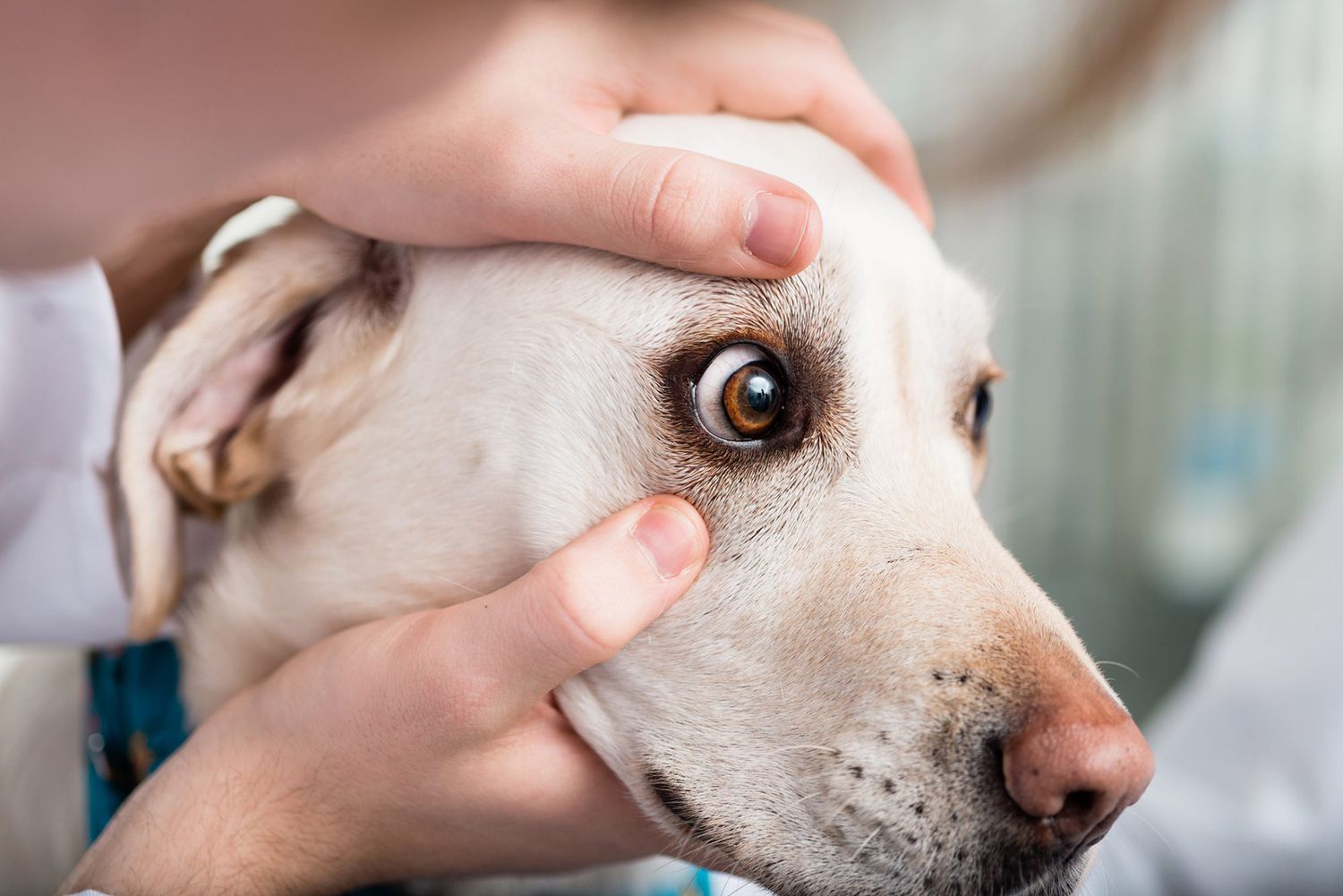
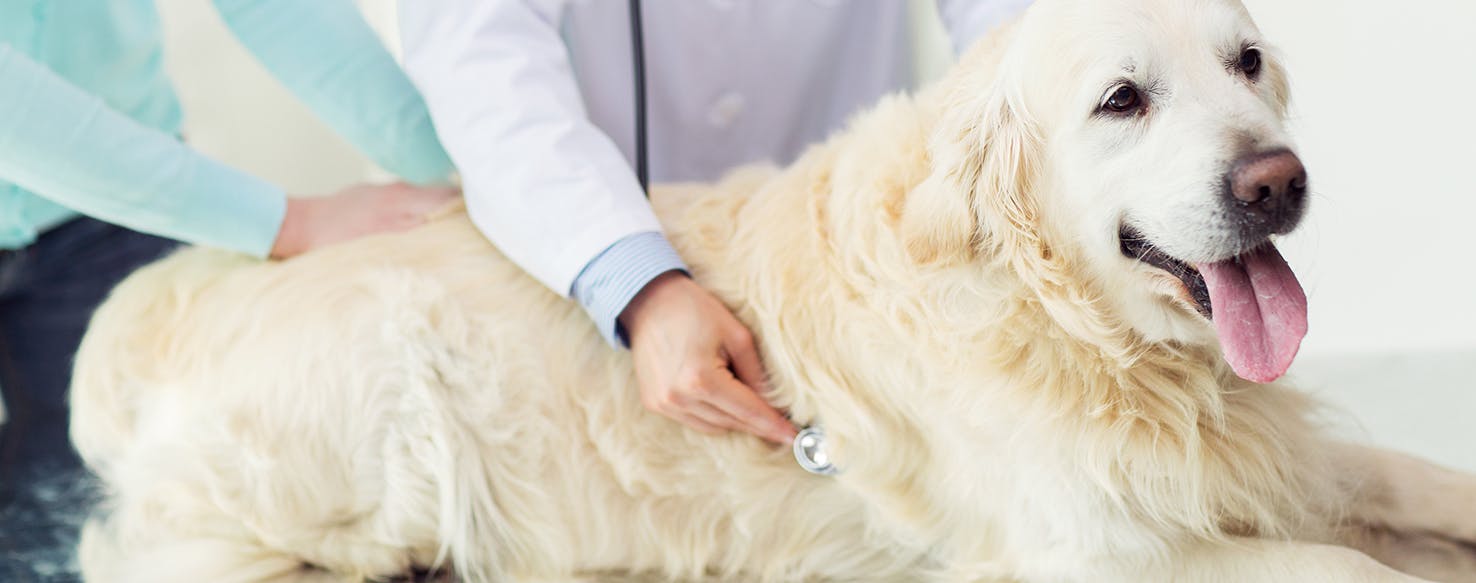
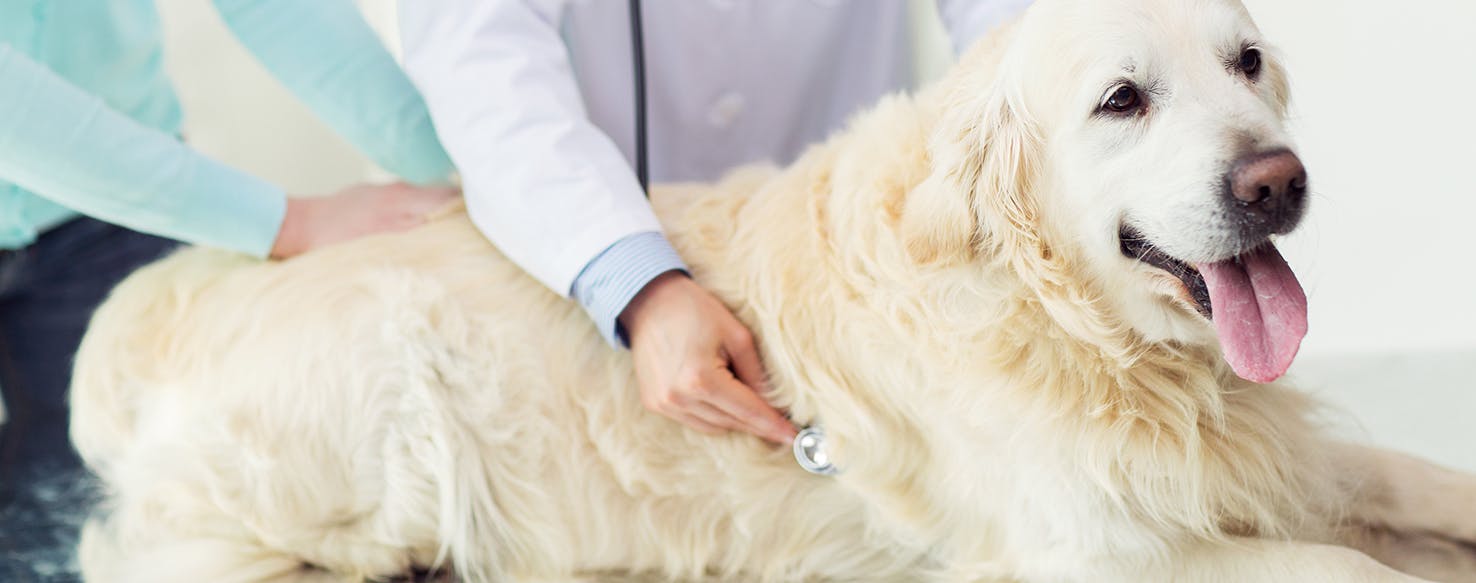
Many dog ailments start quietly. A thorough nose-to-tail exam—eyes, ears, teeth, skin, weight, and heart—can reveal subtle changes that owners often miss, allowing prompt treatment when it is most effective.
Preventive Care in Action
During each visit, your vet updates vaccines, adjusts parasite control, and tailors advice on food, exercise, and dental care. These small steps add up to big protection.

Trust Between You and Your Vet
Regular appointments build a partnership. When your dog knows the clinic is a safe place and you know the staff, making quick decisions in an emergency becomes far easier.
Common Health Concerns Dogs Face
Knowing what to watch for helps you seek help early. Frequent issues include:
Canine Distemper
This contagious virus attacks the respiratory, digestive, and nervous systems. Vaccination remains the best shield, but swift care improves outcomes if exposure occurs.
Heartworm Disease
Transmitted by mosquitoes, these worms lodge in the heart and lungs. Monthly preventives and yearly blood tests keep the threat in check.
Hip Dysplasia
An inherited malformation of the hip socket that leads to arthritis. Weight control, joint supplements, and targeted exercise slow its progress when spotted early.
Allergies
Pollen, food, or flea bites can trigger itchy skin, ear infections, and hot spots. Identifying the trigger guides relief through diet changes, medications, or environmental tweaks.
Everyday Prevention at Home
Beyond the clinic, daily habits protect your pet:
Stay Current on Vaccines
Follow the schedule your vet recommends to guard against distemper, parvo, rabies, and more.
Keep Parasites Away
Use vet-approved products year-round for fleas, ticks, and worms, and test for heartworm as advised.
Feed and Move with Purpose
Measure meals to maintain a lean body, and provide age-appropriate exercise—walks, fetch, or swimming—to protect joints and minds.
Book the Next Check-up Before You Leave
Mark your calendar so the next exam lines up with your dog’s needs, whether that is annually for healthy adults or more often for puppies, seniors, or pets with ongoing issues.
Conclusion
Regular health checks are the simplest, most powerful tool you have to safeguard your dog’s well-being. They combine expert eyes, preventive medicine, and your own daily care into a single, seamless plan for a longer, happier life together.
Recommendations and Future Directions
To keep improving canine care, consider these steps:
1. Encourage clinics to share best-practice guidelines so every dog receives the same high standard, no matter where they live.
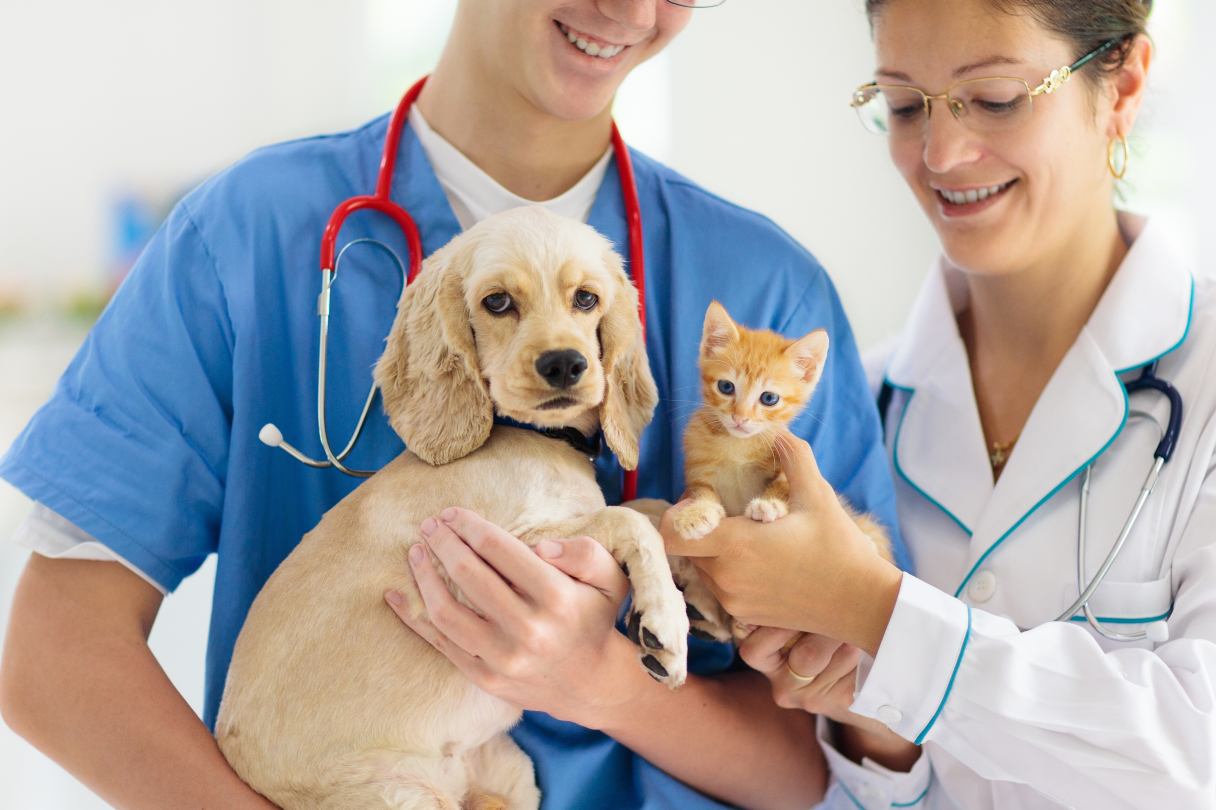
2. Support community workshops that teach owners how to spot early warning signs and when to call the vet.
3. Fund studies on painless diagnostics and gentler treatments that make visits less stressful for pets and people alike.
Future research could explore:
1. How early screening affects lifespan and quality of life across different breeds.
2. The role of air quality, climate, and local wildlife in triggering common diseases.
3. Next-generation vaccines and parasite controls that work faster, last longer, and protect against emerging threats.
By pairing today’s knowledge with tomorrow’s innovations, we can ensure dogs remain healthy, joyful companions for generations to come.