Pet Stores Offering Puppies: A Thoughtful Overview
Introduction
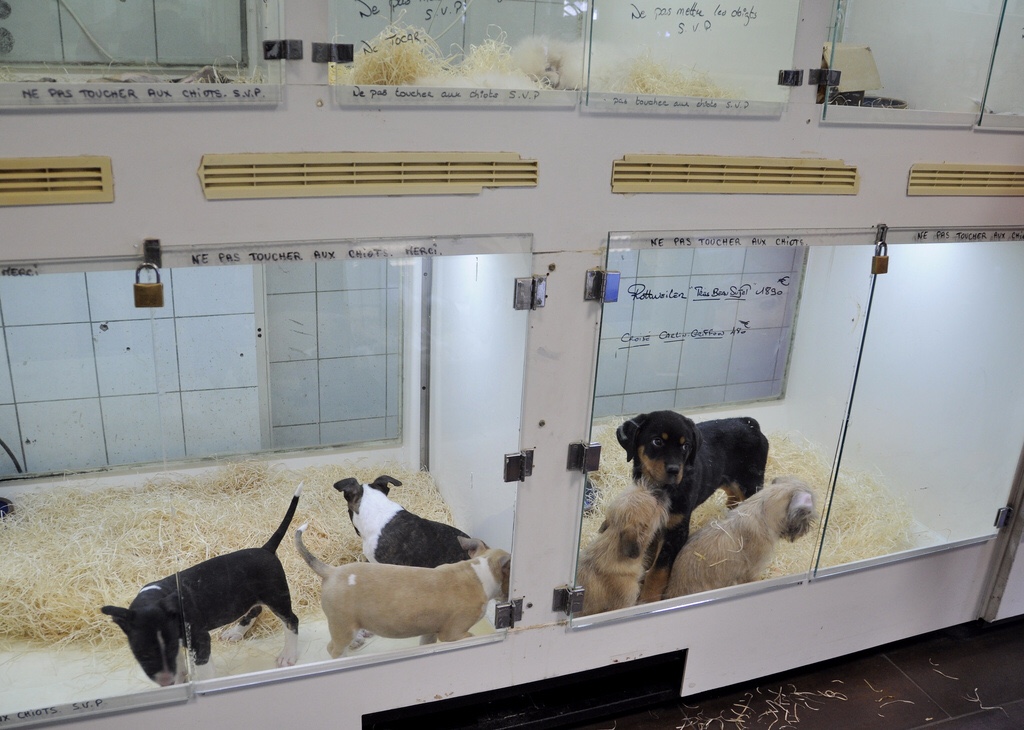
The companion-animal sector has expanded steadily, and retail outlets remain a key place where people meet their future pets. Among the most visited areas is the puppy section. This overview explores why such stores matter, the hurdles they face, and how their practices shape a young dog’s early life.

The Role of Stores That Market Puppies
These shops act as a bridge between caring breeders and new families. By gathering several breeds under one roof, they simplify the search for a suitable four-legged friend. Staff members also share starter guidance on feeding, training and routine care, helping newcomers feel confident about the road ahead.
A Range of Breeds on Display

From compact companions to active sporting types, the variety lets shoppers compare size, coat and temperament side by side. Such choice makes it easier to match a pup to living space, exercise habits and household energy level.
Guiding First-Time Guardians
Well-run stores devote time to explaining daily needs, long-term costs and common training milestones. Clear expectations reduce the chance of a mismatch and, ultimately, of an animal being surrendered.
Backing Responsible Breeders
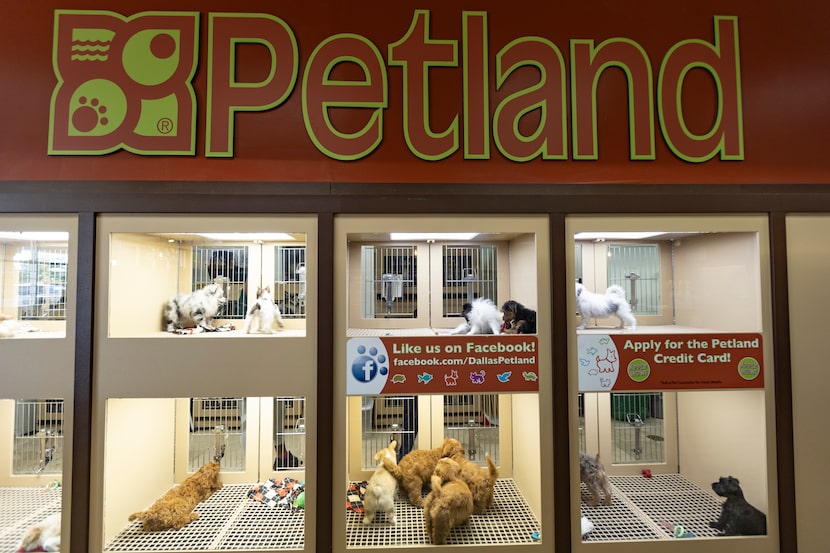
Many retailers partner with small, local breeders who follow health-tested, low-volume programs. This cooperation supports community businesses while steering customers toward puppies raised in home environments rather than crowded facilities.
Obstacles for Retailers
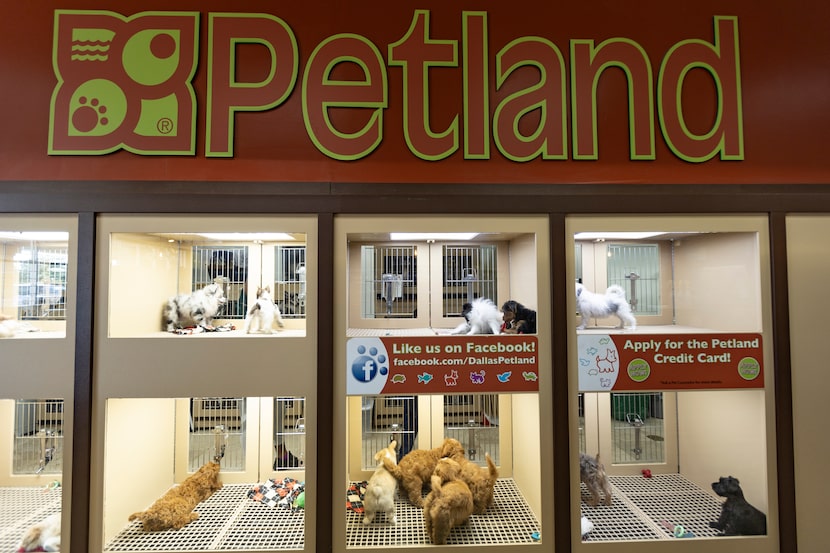
Even with good intentions, stores must juggle several concerns:
Safeguarding Young Dogs’ Well-Being
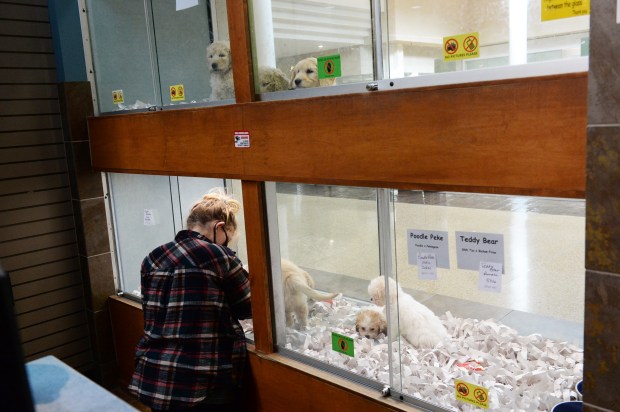
Puppies need balanced diets, gentle handling, daily enrichment and prompt veterinary checks. Maintaining these standards around the clock demands trained staff and reliable suppliers.
Meeting Ethical Expectations
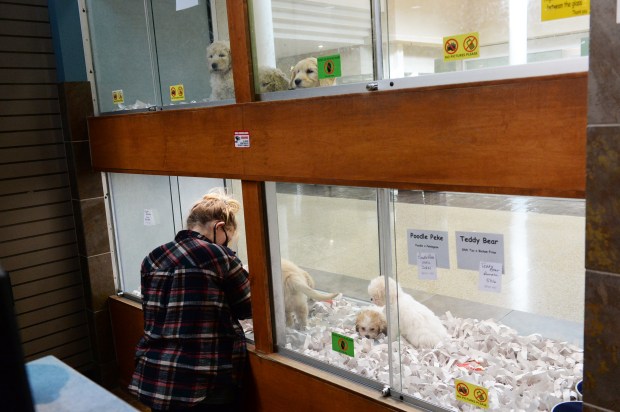
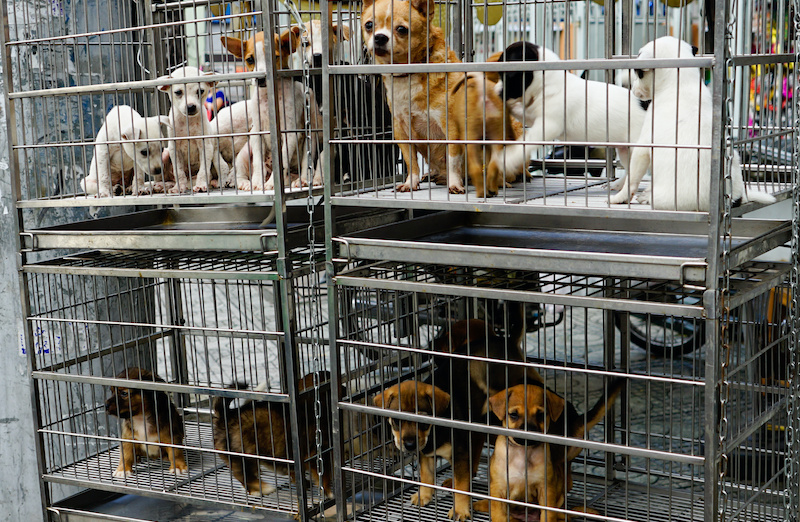
Public scrutiny is high. Transparent sourcing, clean housing and honest health records are now baseline requirements for consumer trust.
Complying with Shifting Rules
Licenses, inspection schedules and sales paperwork differ by region. Staying current with every update is essential to avoid fines or closure.
How Store Practices Affect Puppy Welfare
The early weeks spent in commerce settings can influence behavior for years. Key focus areas include:

Sound Nutrition and Preventive Care
Fresh water, age-appropriate food and on-site health checks create a foundation for steady growth and immunity.
Early Social Experiences

Brief, positive encounters with various people, noises and surfaces help puppies grow into adaptable adults. Stores can provide this stimulation through play pens and supervised visitor interactions.
Health Screening
Working with breeders who screen for hereditary conditions—and sharing those results—gives buyers a clearer picture of future medical needs.
Insights from Observations and Specialists
Real-world data and professional voices add depth to the discussion.
Field Insight: Animal-Welfare Organization Report
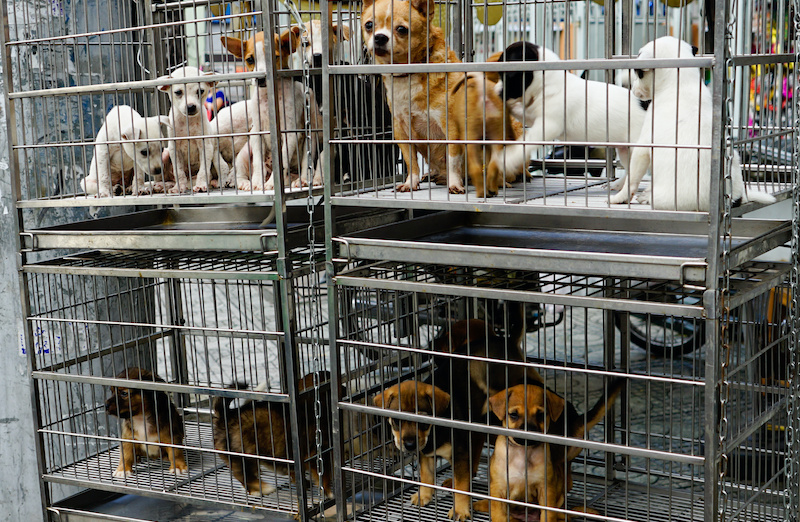
A recent review by a leading welfare charity highlighted that puppies kept in enriched enclosures with daily human interaction showed fewer signs of stress. The same report underlined the value of traceable breeder relationships.
Professional Viewpoint: Veterinarian Commentary
A seasoned practitioner notes that retail venues can be positive if they emphasize healthcare protocols, limit litter turnover time and educate buyers about lifelong responsibility.

Conclusion
Stores that introduce puppies to the public serve an important function: they simplify adoption, educate new owners and sustain small-scale breeders. Yet success hinges on vigilant care, ethical sourcing and compliance with evolving standards. When these elements align, the outcome is healthier pups and happier households.
Recommendations and Next Steps

To keep raising the bar, stakeholders can adopt the following measures:
1. Build transparent, long-term partnerships with breeders who prioritize health testing and low-stress rearing.
2. Offer free, detailed care workshops and take-home guides for every puppy purchaser.

3. Schedule veterinary exams and genetic screenings before a puppy leaves the premises.
Areas worth further study include:
1. Long-term behavioral outcomes of puppies sold through retail versus direct breeder placements.
2. The most effective enrichment protocols for puppies housed temporarily in stores.
3. How retail-based education influences owner retention and pet relinquishment rates.
By acting on these suggestions and supporting ongoing research, the industry can ensure that the journey from breeder to living room remains safe, ethical and joyful for every tail-wagger involved.