Pug Dachshund Mix: A Friendly Guide
Introduction
The Pug Dachshund mix—often nicknamed the Pugshund—has become a favorite among small-dog lovers thanks to its endearing looks and cheerful personality. By blending the Pug’s sociable nature with the Dachshund’s curious spirit, this crossbreed offers a compact companion that fits many households. Below, we outline what to expect from the mix, why it charms so many owners, and how to welcome one into your life responsibly.

The Pug Dachshund Mix at a Glance
This cross combines the sturdy, round-faced Pug with the long-bodied, short-legged Dachshund. The result is a small, low-slung dog that usually carries the Pug’s soft coat and the Dachshund’s elongated silhouette, wrapped up in a playful, people-oriented package.
Key Characteristics
Appearance
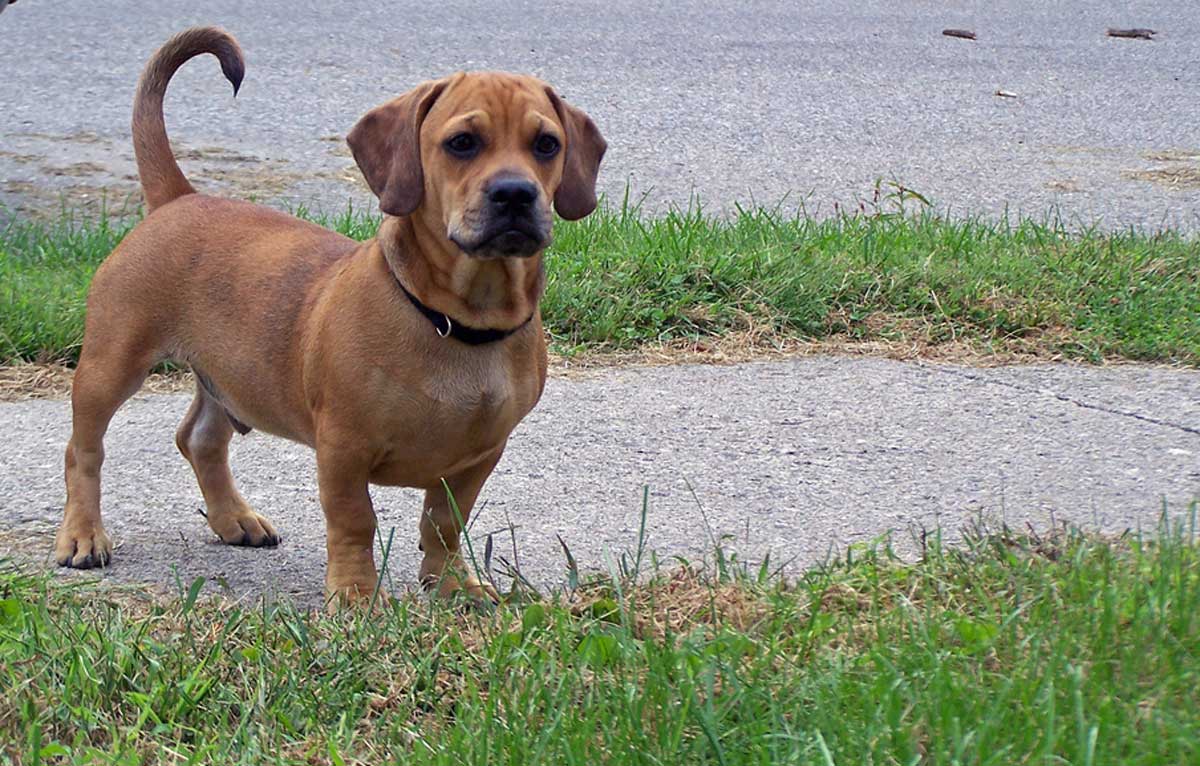
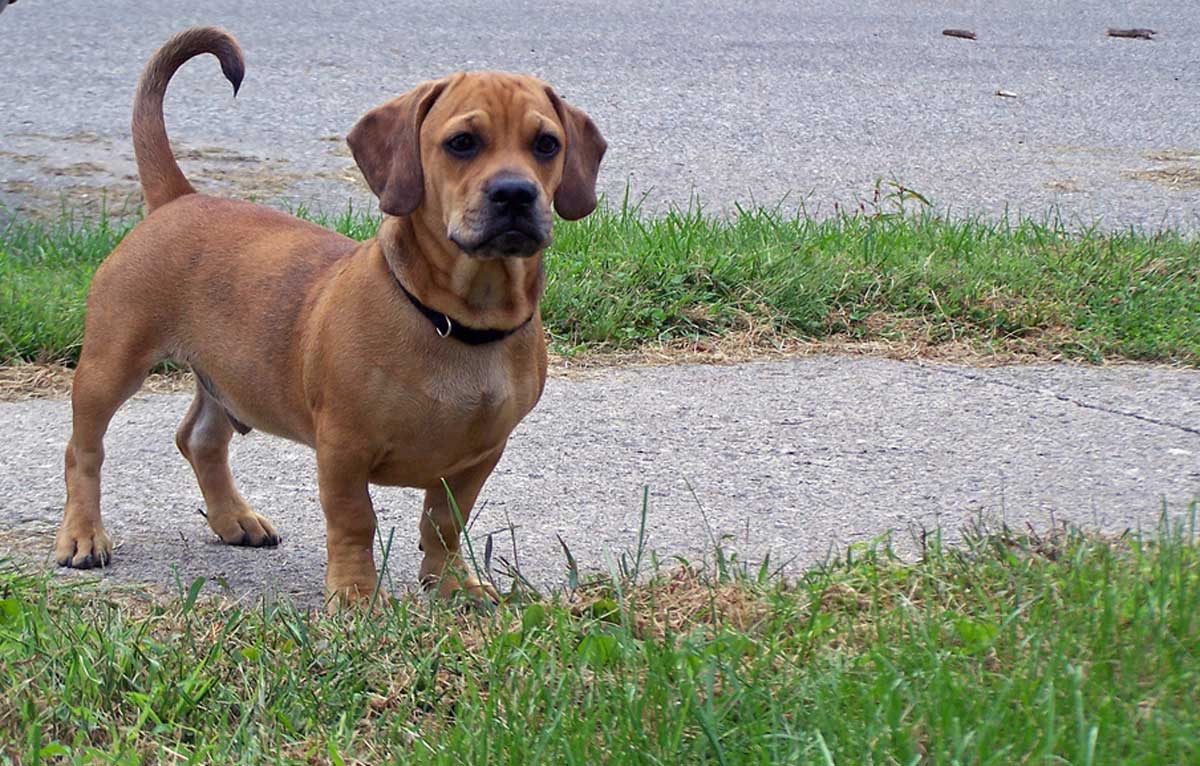
Most Pugshunds inherit a short, glossy coat that can shine in shades of fawn, black, chocolate, or red, often with cute facial masks or chest patches. Their legs are shorter than average, their torso slightly stretched, and their tail may curl gently over the back.
Temperament

Expect a devoted little shadow that enjoys snuggles, games, and plenty of interaction. They tend to be good with respectful children and other pets, and they learn routines quickly when training is upbeat and consistent.
Health
As with any mixed dog, lifespan and wellness depend on responsible breeding, daily care, and routine vet visits. Keeping weight in check and providing moderate exercise help protect joints and breathing.

Why People Love the Mix
Unique Appeal
The blend produces a portable size, an expressive face, and a steady temperament—ideal for anyone seeking a lap friend who can also keep up with short walks and play sessions.
Adaptability
From city apartments to suburban homes, these dogs adjust well as long as they receive attention, mental stimulation, and daily outings.
Potential Health Advantages
Crossbreeding can dilute some inherited conditions common in pure lines, though no dog is immune to health issues. Regular check-ups remain essential.
Finding Your Companion
Responsible Sources

Look for breeders who health-screen parent dogs, raise puppies indoors, and welcome questions. Meeting the mother dog and viewing clean, enriching surroundings are good signs.
Adoption
Many mixed-breed dogs await homes in shelters and rescue networks. Adopting offers a loving home to a dog in need and can be a smooth route to finding a Pugshund-type pet.
Care Tips for New Owners
Research
Learn about exercise needs, grooming demands, and possible breed-related sensitivities before committing. Knowledge prevents surprises and strengthens the bond.

Training
Use short, fun sessions packed with praise and treats. Early socialization—people, dogs, noises—builds confidence and curbs stubborn streaks.
Exercise
Two brisk walks plus indoor play usually suffice. Avoid overexertion in hot weather because shortened muzzles can limit cooling.
Grooming
A weekly once-over with a soft brush keeps the coat sleek and reduces shedding. Clean facial folds gently to prevent irritation, and trim nails monthly.

Conclusion
The Pug Dachshund mix delivers affection, humor, and manageable size in one adorable package. Whether you adopt or purchase from a conscientious source, provide steady care, positive training, and routine veterinary attention. In return, you’ll gain a loyal, loving sidekick ready to share everyday life for years to come.
References

– General breed information: American Kennel Club
– Crossbreed insights: reputable pet-care websites
– Health and training guidance: veterinary and welfare organizations
– Adoption resources: local shelters and rescue groups