Animal Shelter: A Beacon of Hope for Homeless Pets
Introduction
A well-run animal shelter stands as a testament to the compassion and dedication of people who work tirelessly to provide a safe haven for companion animals in need. This article explores the significance of such shelters, their impact on local communities, and the challenges they face. By highlighting their role in promoting animal welfare and broader social benefits, we hope to raise awareness about the importance of continuous support.
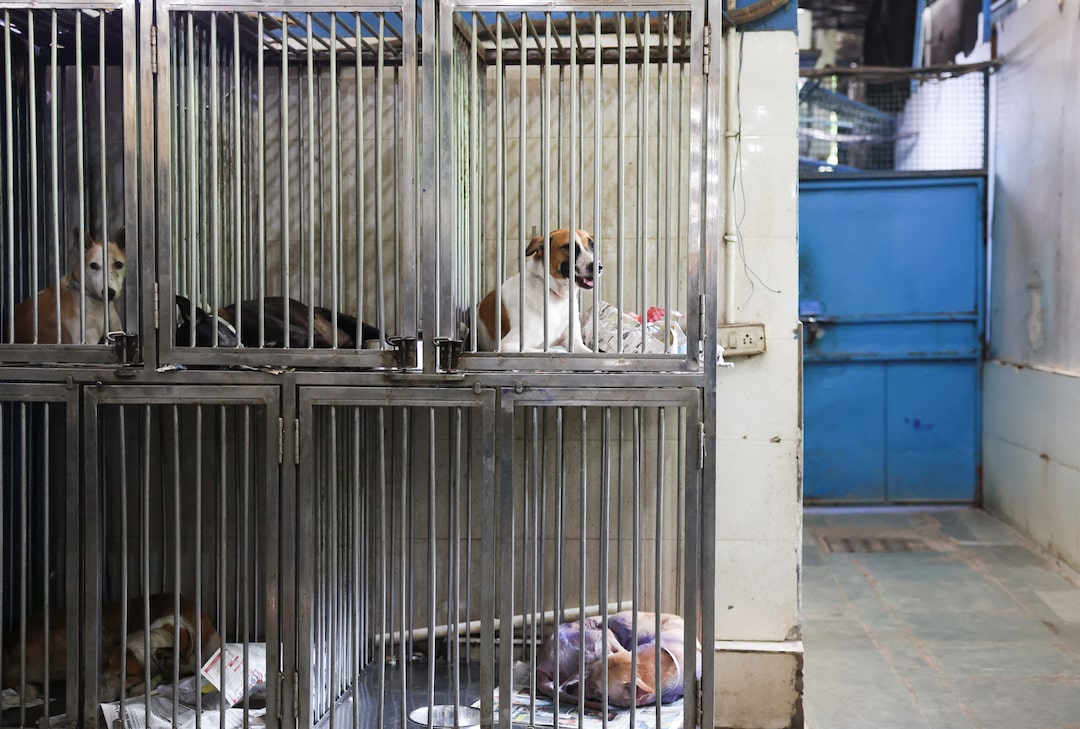
The Significance of Animal Shelters
Animal shelters play a crucial role in addressing pet overpopulation and offering refuge to abandoned or stray animals. A typical shelter serves as a sanctuary for dogs, cats, and other small animals, giving them food, medical care, and a chance for adoption. Beyond saving individual lives, these centers help reduce the number of animals living on the streets, thereby lowering public-health and safety concerns.
Impact on the Community
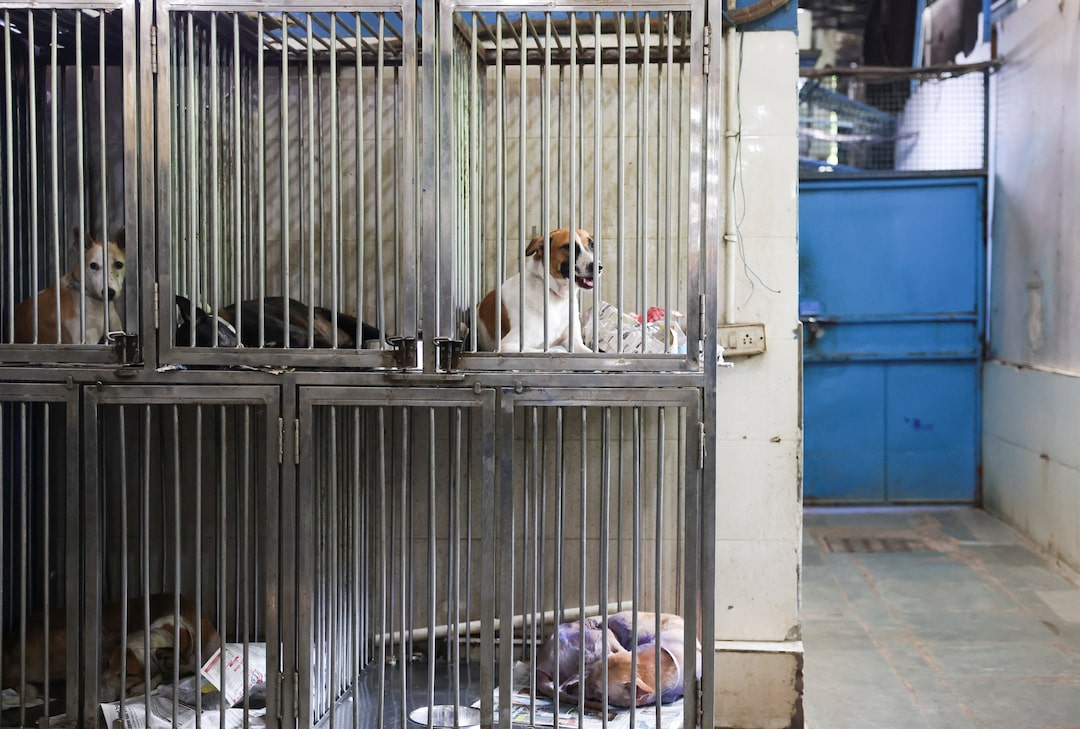
A local shelter can shape community attitudes in several positive ways. First, it nurtures empathy among residents by encouraging kindness toward all living beings. Second, it acts as an educational hub, offering guidance on responsible guardianship—vaccination, sterilization, enrichment, and lifelong commitment—which in turn lowers abandonment rates. Third, shelters often partner with volunteers and civic groups to run outreach programs that stress the benefits of adoption, the importance of spay/neuter, and the need to report cruelty.
Challenges Faced by Shelters
Despite their value, most shelters grapple with chronic overcrowding. Intake frequently exceeds adoption speed, stretching kennel space, staff time, and medical supplies. Funding is another persistent hurdle; many facilities rely on modest donations and sporadic grants, making long-term planning difficult. Legal and bureaucratic obstacles can also slow efforts to rescue animals from neglectful situations or to enforce welfare standards.

The Role of the Community
Shelter success depends on active community support. Residents can help by:
1. Donating money or supplies to cover food, vaccines, and veterinary care.

2. Volunteering to walk dogs, socialize cats, or assist with daily chores.
3. Adopting rather than shopping, giving homeless pets a loving, permanent home.
4. Sharing positive stories and educational posts to build a culture of compassion.

Conclusion
An animal shelter is more than a temporary refuge; it is a vital community resource that saves lives, teaches empathy, and promotes responsible guardianship. Yet it cannot thrive without steady public backing. By donating time, funds, or affection—whether through adoption, volunteering, or simple word-of-mouth—each person helps create a kinder environment for both animals and people.
Recommendations and Future Research
To strengthen shelter impact, stakeholders might consider:
1. Diversifying income streams via corporate sponsorships, crowd-funding, and recurring donor programs.
2. Advocating for clearer, consistently enforced animal-welfare regulations.

3. Expanding partnerships with veterinarians, schools, and nonprofit groups to amplify outreach and sterilization campaigns.
4. Supporting studies on best practices for reducing intake, increasing adoption rates, and measuring community attitudes over time.
With sustained collaboration and evidence-based strategies, shelters can continue to transform lives—one paw at a time.