Adopting a Companion: A Friendly Guide to Pet Adoption
Introduction
Bringing a pet into your life is a joyful milestone that enriches both human and animal. With many shelters and rescue networks to choose from, the search can feel daunting. One popular store-based program simplifies the journey by teaming up with local rescues, offering hopeful adopters a smooth path to meeting their new best friend. This overview explains how the process works, the support provided, and the difference it makes for pets and people alike.
The Store-Shelter Partnership Program
What is the Partnership Program?
The initiative pairs a well-known pet-supply retailer with nearby shelters and foster groups. Together they create a one-stop space where adoptable animals stay in comfortable habitats while waiting for homes. Staff and volunteers guide visitors through every step, from first greeting to take-home day and beyond.
Benefits of the Partnership
Shoppers meet dozens of animals in one visit—dogs, cats, rabbits, and small critters—each screened for health and temperament. Because the animals come from vetted rescue partners, adopters gain confidence that medical basics such as vaccines and spay/neuter are already handled. Counselors also share care tips, starter kits, and follow-up resources, easing the transition into pet parenthood.
The Adoption Journey
Meeting the Animals
Guests stroll past clean, enriched enclosures that highlight each animal’s personality. Color-coded cards list age, energy level, and special needs, while volunteers offer honest insights about behavior observed in foster care. This helps match lifestyles—quiet seniors with cozy apartments, playful adolescents with active families, and so on.
Application Conversation
Interested visitors fill out a short form covering living arrangements, schedules, and past pet experience. A brief chat follows, not to judge, but to ensure expectations align with reality and to answer questions about diet, exercise, and long-term costs.
Adoption Fee and Events
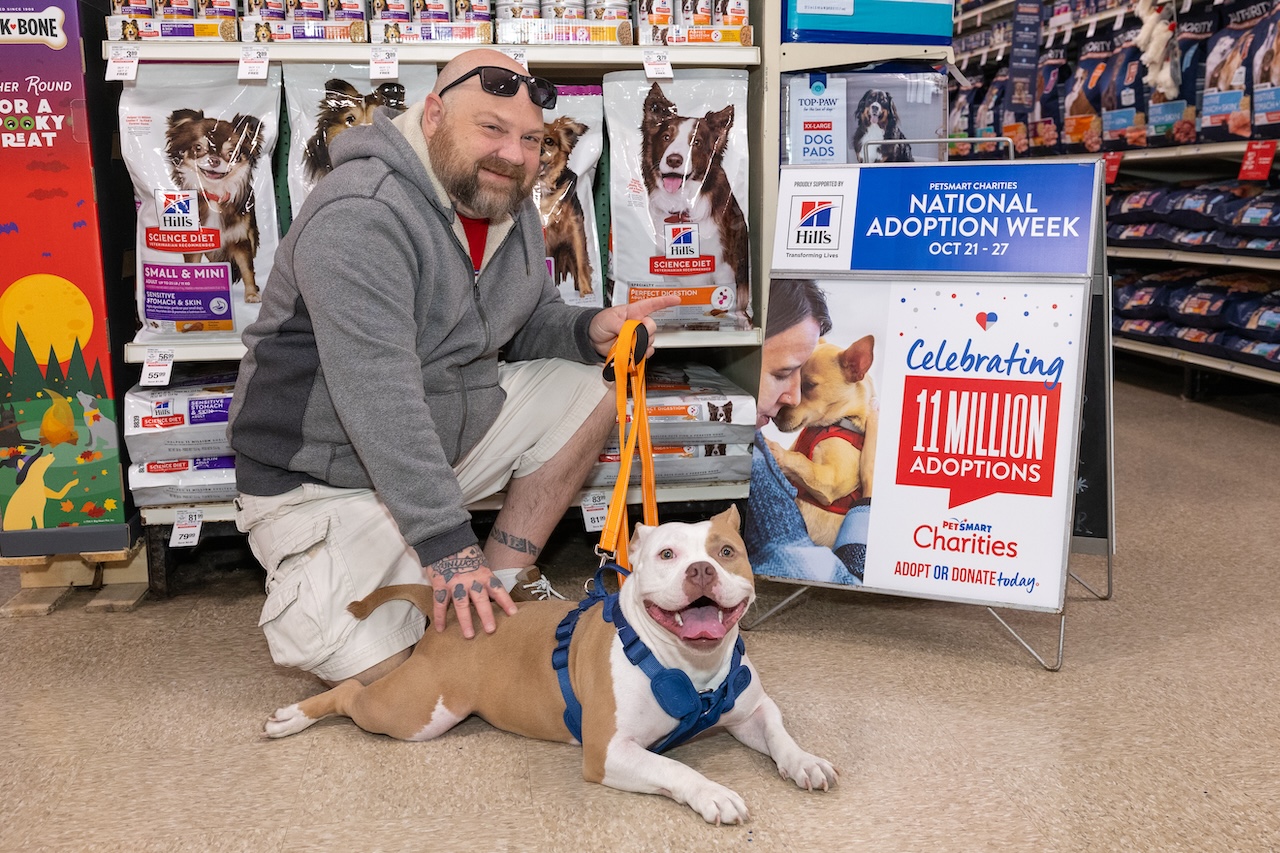
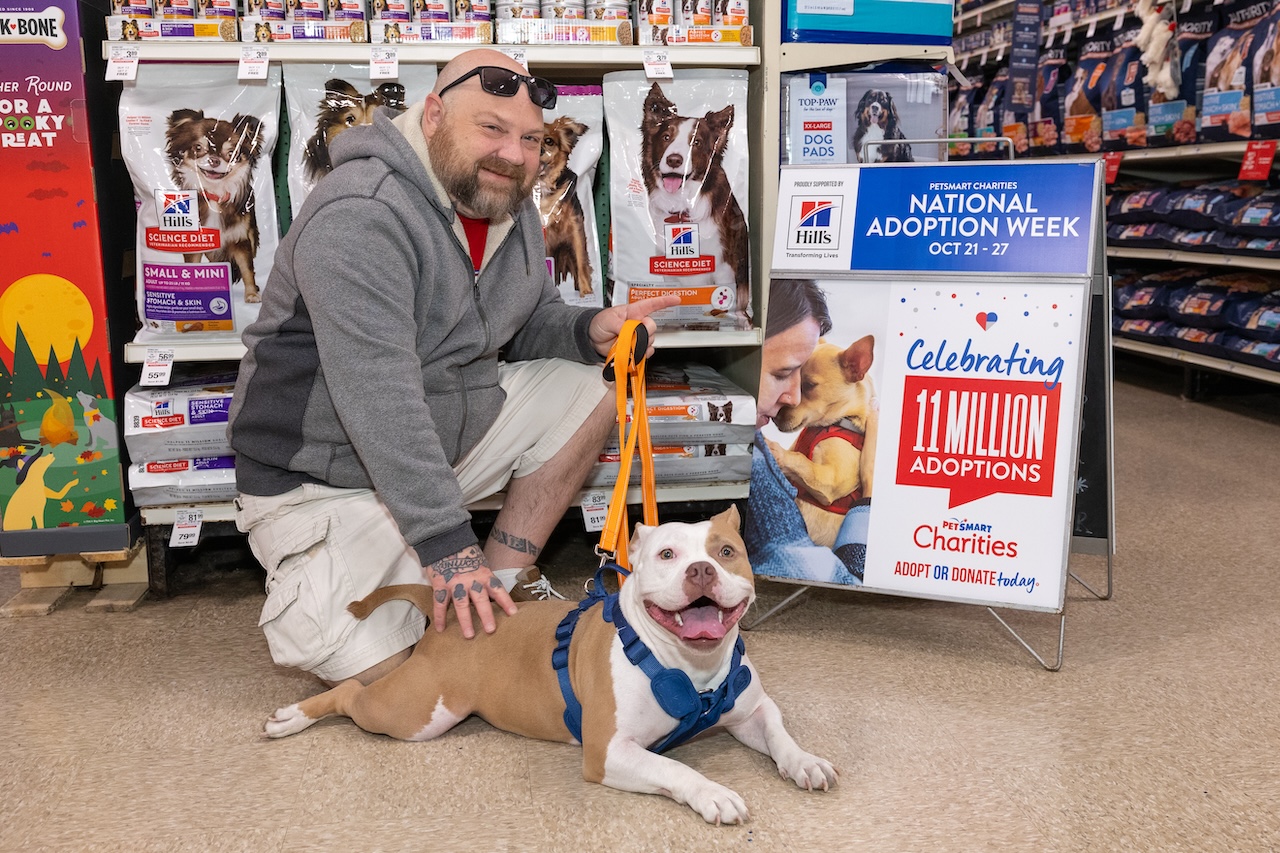
A single fee covers micro-chipping, initial vaccines, and the sterilization surgery. Periodic weekend events waive or reduce this fee, drawing larger crowds and giving longtime residents extra visibility. Goodie bags with coupons for food, toys, and grooming add extra value.
Ongoing Help
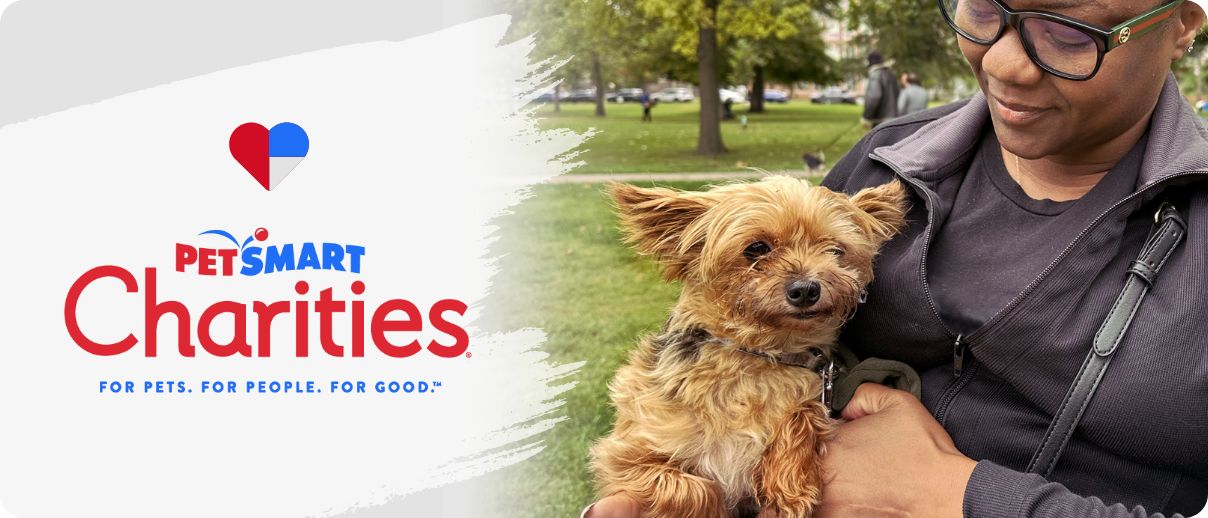
New pet parents leave with a welcome packet: a checklist for the first night, a list of nearby trainers and clinics, and a helpline number. Follow-up emails arrive at one week, one month, and three months, offering gentle reminders about training milestones and health checks.
Positive Ripple Effects
Easing Shelter Overcrowding
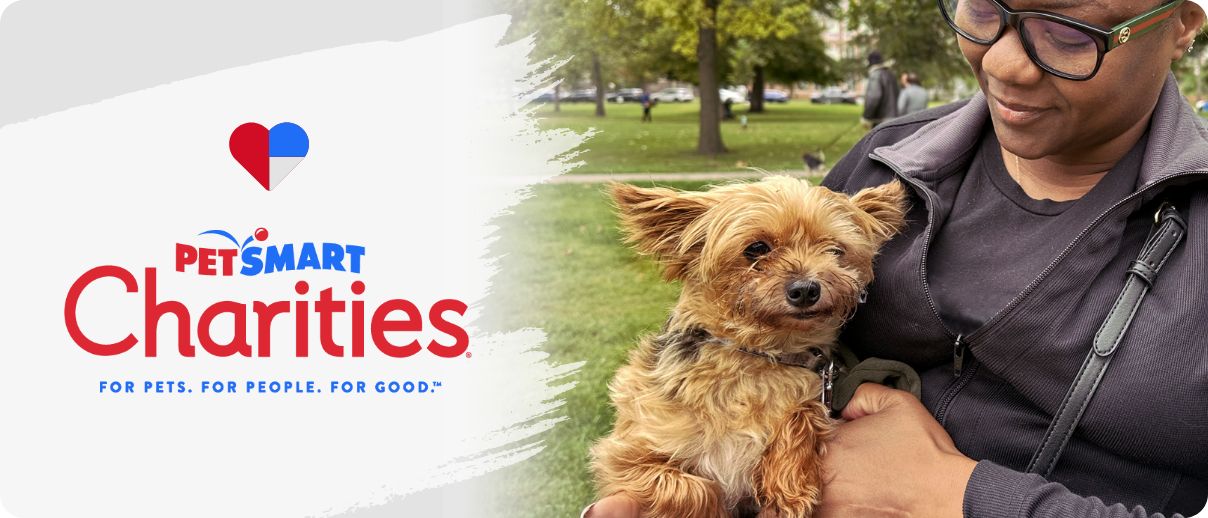
By moving animals from foster homes to store habitats, rescues free up space for the next influx, reducing euthanasia rates and kennel stress. Each adoption also funds the rescue, creating a virtuous cycle of care.
Encouraging Responsible Ownership
Clear information up front—time, cost, and commitment—means fewer impulse decisions. Adopters feel supported rather than abandoned, which translates into happier pets and lower return rates.
Building Community Compassion
Monthly meet-and-greets, school-presentation days, and donation drives turn casual shoppers into advocates. Children learn empathy, neighbors network over puppy playdates, and local artists sometimes decorate donation boxes, turning the store into a mini community center.
Conclusion
Store-rescue collaboration shows how retail spaces can advance animal welfare without reinventing the wheel. By combining visibility, education, and post-adoption care, the program steers more pets into permanent homes and inspires other businesses to open their doors—and hearts—to rescue partners.
Recommendations and Future Research
Possible next steps include:
1. Inviting additional rescue groups to rotate animals, increasing variety and inclusivity.
2. Creating a simple mobile portal for real-time availability, care guides, and appointment booking.
3. Hosting free virtual workshops on common topics like crate training, feline enrichment, or introducing pets to babies.
Long-term studies could track adoption retention, health outcomes, and the program’s influence on regional shelter statistics, providing a model that other retailers and communities can adapt.