The Importance of Baby Animal Rescue: A Comprehensive Approach
Introduction
Rescuing young animals has become a growing priority as awareness spreads about the difficulties faced by orphaned or displaced wildlife. This article outlines why intervening on behalf of vulnerable infants is essential, the hurdles rescuers encounter, and the broader benefits for biodiversity and animal welfare. By reviewing key elements of the process, we can better appreciate how such efforts safeguard the planet’s fauna.
The Need for Baby Animal Rescue
Understanding the Challenges
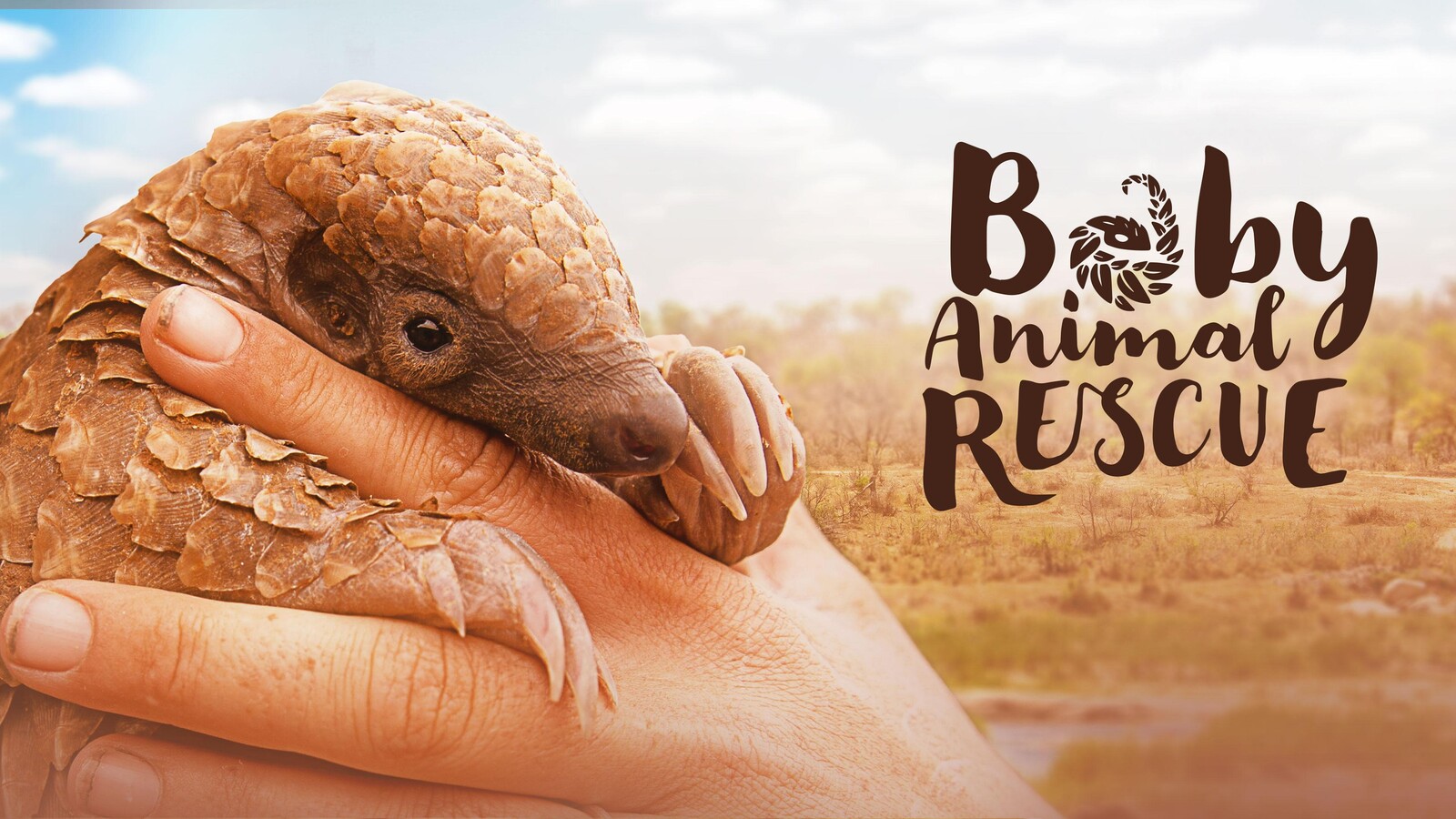
Newborns separated from their mothers often lack survival skills such as locating food, escaping predators, or regulating body temperature. Without prompt assistance, mortality rates rise sharply. Specialist groups therefore monitor habitats and step in when young animals are found alone, giving them a second chance at life.
Orphaned and Abandoned Animals
Natural events, expanding human settlements, and occasional acts of cruelty can leave juveniles stranded. When parents are lost, infants require round-the-clock care that only trained teams can supply. Rescue units fill this gap, stabilizing the youngsters until they can fend for themselves.
The Role of Baby Animal Rescue Organizations
Professional Care and Rehabilitation
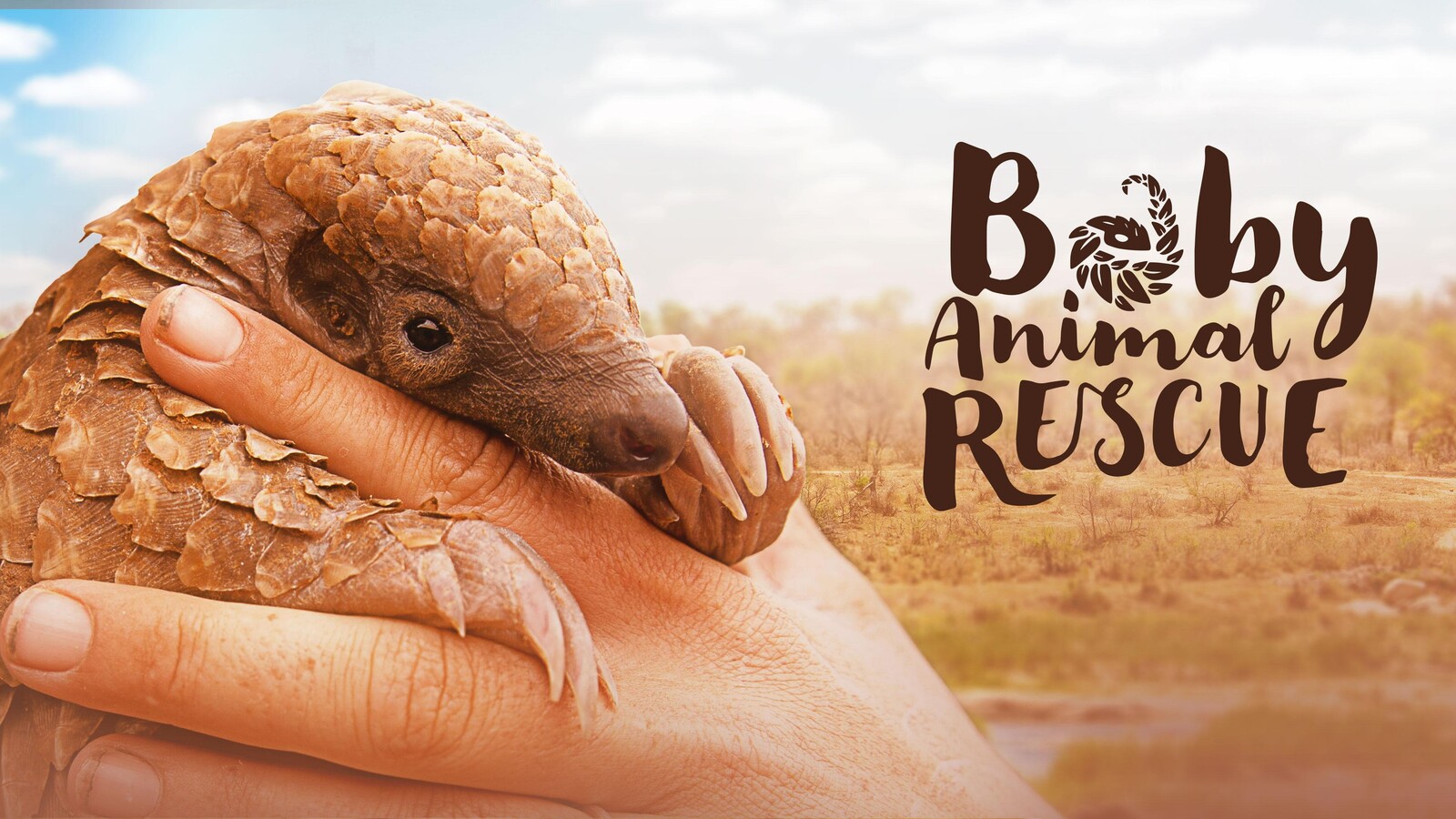
Qualified caregivers provide formula diets, medical treatment, and enrichment tailored to each species. Facilities mimic natural settings as closely as possible, minimizing stress and encouraging normal behaviors that will be vital after release.
Community Involvement and Education
Beyond direct care, outreach programs teach residents how to coexist with wildlife. Simple guidelines—such as keeping distance, securing trash, and reporting injured animals—reduce future conflicts and build local support for conservation.
The Impact of Baby Animal Rescue
Conservation Efforts
Rearing endangered or keystone youngsters and returning them to protected areas helps sustain genetic diversity and ecosystem functions. Healthy populations of even small creatures can influence vegetation, prey–predator balances, and overall habitat resilience.
Animal Welfare
Intervention alleviates suffering, prevents prolonged distress, and offers a humane alternative to leaving infants to perish. The goal is not only survival but also a life in the wild that allows each animal to express natural behaviors.
Challenges and Solutions
Resource Allocation
Specialized milk, veterinary drugs, and transport costs add up quickly. Forming alliances with conservation NGOs, local businesses, and volunteer networks can diversify funding streams and share logistical burdens.
Public Perception
Some critics argue that rescues interfere with nature. Transparent data, open days at facilities, and success stories of released animals help demonstrate the value of well-managed programs and convert skepticism into support.

Conclusion
Baby animal rescue is a vital link in the chain of modern conservation. By combining expert care, community engagement, and science-based release protocols, these initiatives bolster wild populations and uphold ethical standards. Continued investment and education will ensure that future generations inherit a world where wildlife still thrives.
Recommendations and Future Research

To further enhance the effectiveness of baby animal rescue, the following recommendations are proposed:
1. Expand sustainable funding channels so centers can maintain high-quality nutrition, veterinary care, and staffing.
2. Launch inclusive outreach projects that reach schools, farmers, and tourists, fostering respect for local species.
3. Work with authorities to integrate rescue data into wider habitat protection plans and legislation.
Future research should focus on:
1. Post-release survival rates and breeding success of hand-reared animals across different ecosystems.
2. Comparative studies on enrichment methods that best prepare juveniles for life in the wild.
3. Innovative tools—such as remote monitoring devices—that streamline rescue logistics while reducing stress on animals.