The Enchanting Corgi-Bichon Blend: A Friendly Guide
Introduction
The Corgi-Bichon mix, a cheerful crossbreed, has quickly become a favorite among dog lovers. By pairing the sturdy charm of the Corgi with the soft, merry nature of the Bichon Frise, this hybrid offers a lovable and manageable companion. The following overview explores appearance, daily care, and the little habits that make this mix so appealing to a wide range of households.
The Parent Breeds: Corgi and Bichon Frise
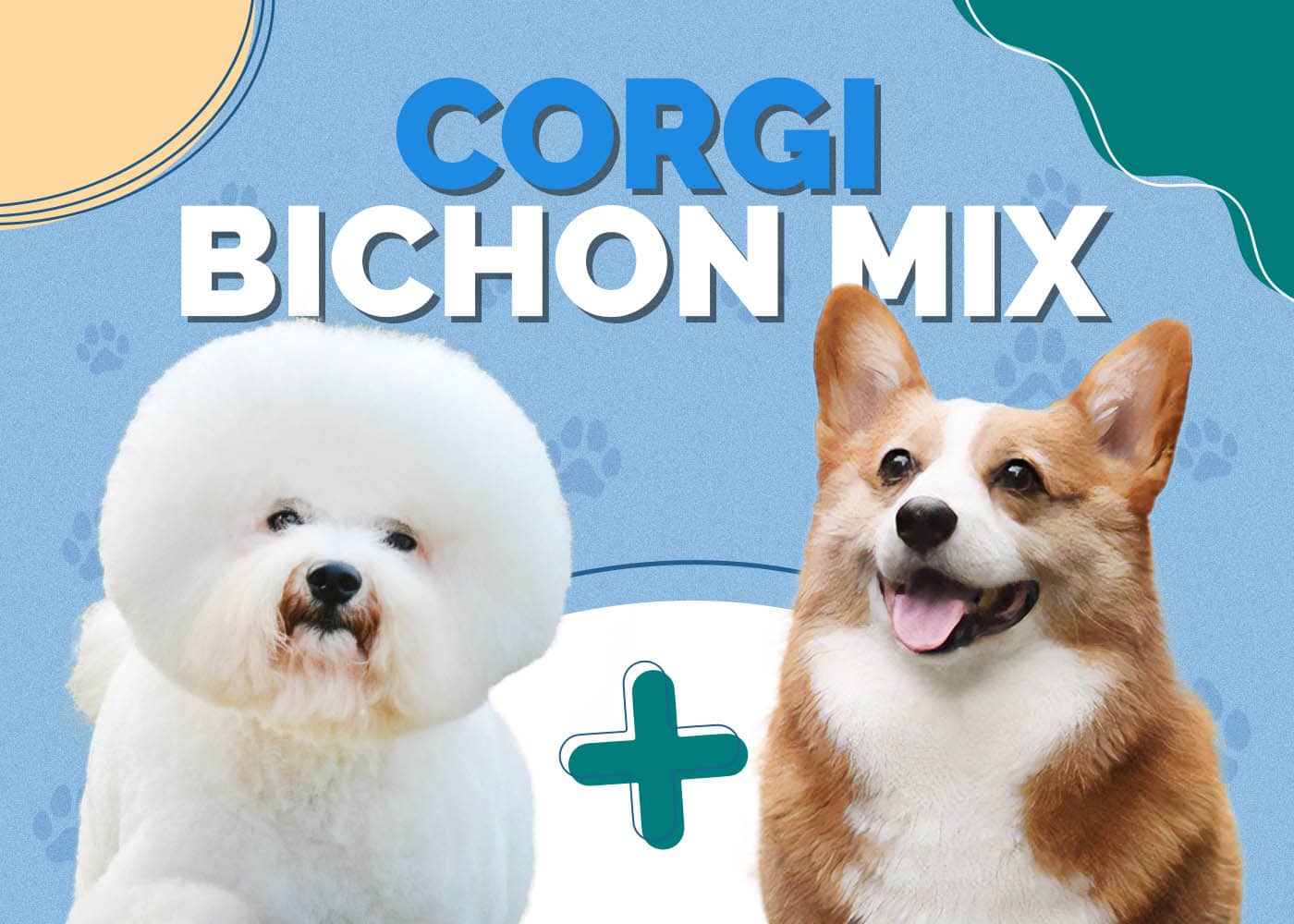
Understanding the mix starts with a quick look at its roots. The Corgi is a long, low-set herding dog celebrated for bright eyes, quick wits, and steady loyalty. The Bichon Frise is a small, curly-coated lap dog prized for an upbeat attitude and a talent for friendship. Together, these backgrounds produce a puppy that is both attentive and affectionate.
Physical Characteristics of the Corgi-Bichon Mix
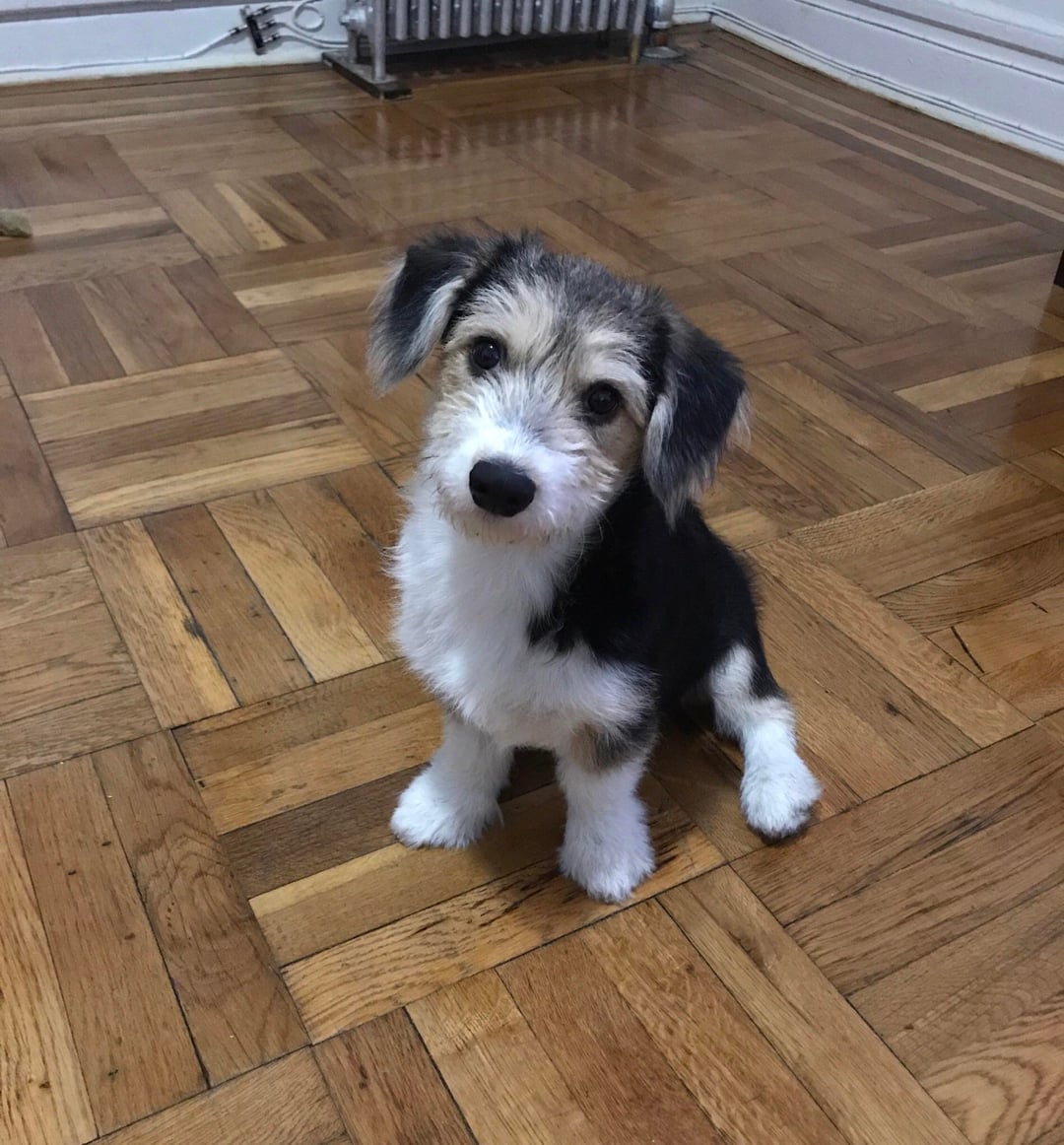
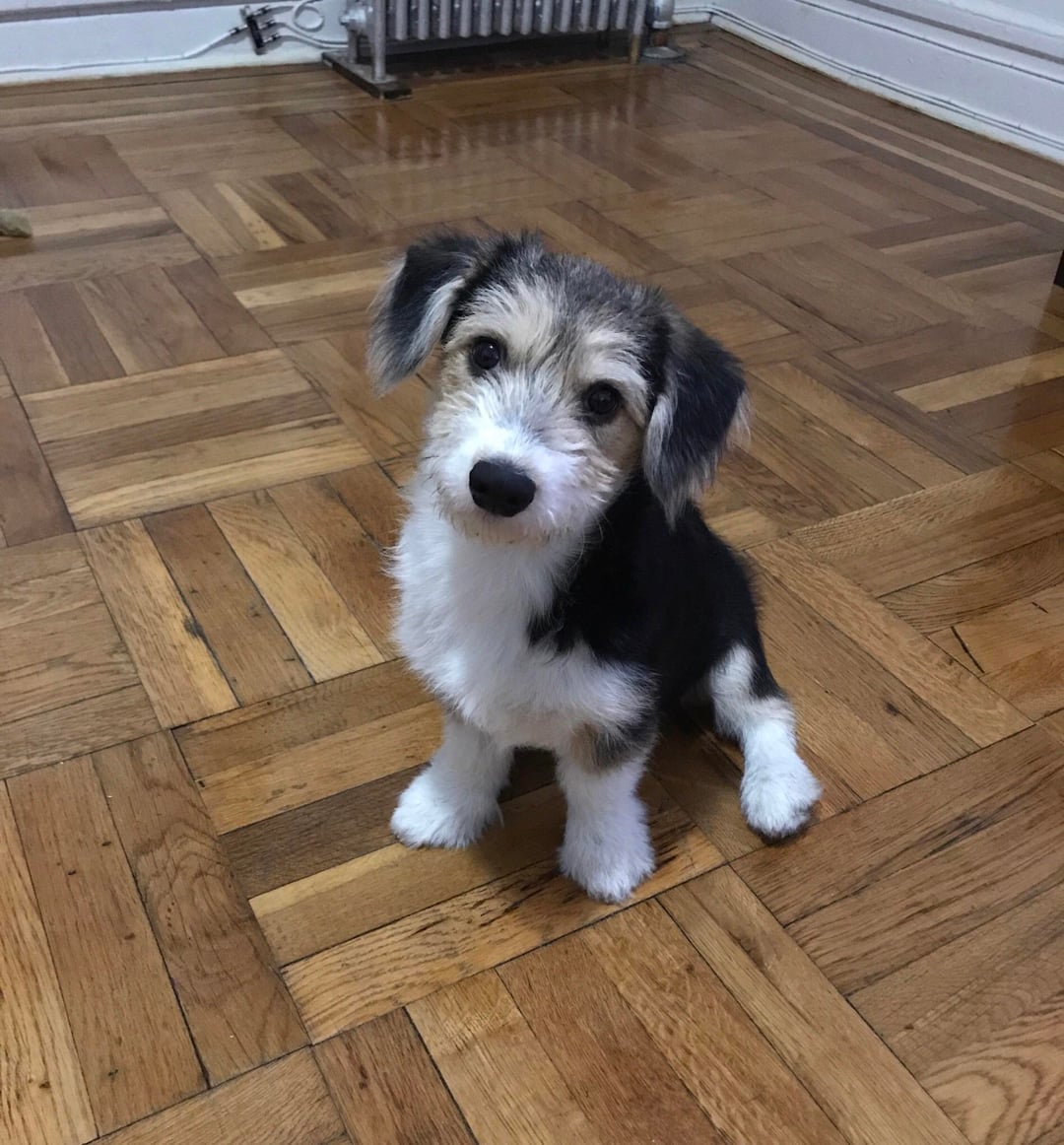
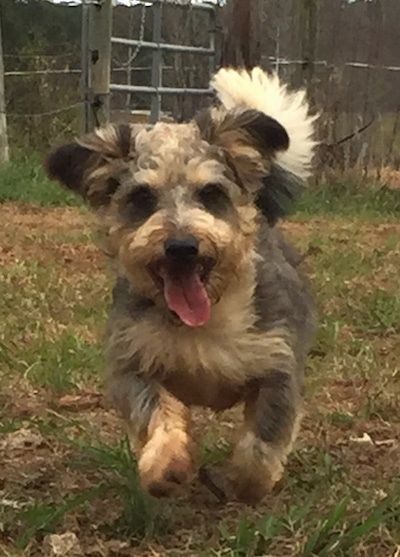
Most dogs in this cross weigh between fifteen and twenty-five pounds and stand about ten to twelve inches at the shoulder. The coat is usually plush and slightly wavy, often white with touches of tan, sable, or red. Ears can be upright like a Corgi’s or softly dropped like a Bichon’s, giving each pup a unique, photogenic look.
Temperament and Personality
Expect a social little dog that wants to stay close to people. These mixes learn routines quickly, enjoy short play sessions, and usually greet visitors with a wag rather than a bark. Their moderate watchdog instinct means they may announce the doorbell, yet they calm down fast when reassured. Families, singles, and seniors alike often praise their adaptable, good-natured spirit.
Care and Maintenance
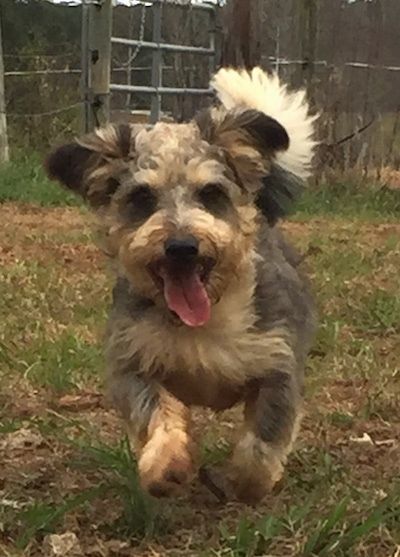
A thorough brush two or three times a week keeps tangles away and reduces loose hair. Monthly baths and routine nail trims prevent skin issues and overgrowth. Daily walks of twenty to thirty minutes, plus a few indoor games, satisfy exercise needs without overwhelming smaller living spaces. Puzzle toys or treat balls provide mental exercise on busy days.
Health Considerations
Like many small breeds, these dogs can face joint stiffness or seasonal allergies. Keeping weight in check, offering balanced meals, and scheduling yearly vet visits go a long way toward prevention. Gentle exercise on soft surfaces protects developing hips, while wiping paws after outdoor walks limits pollen irritation.
Training and Socialization
Reward-based lessons work best; tiny treats and cheerful praise keep their interest high. Short, upbeat sessions help them master basics such as “sit,” “down,” and “come.” Early meet-ups with friendly dogs, different floor textures, and everyday noises build confidence and curtail shyness. Consistency, patience, and a sense of humor create a polite, well-mannered adult.
Conclusion
The Corgi-Bichon mix offers an appealing package: portable size, easygoing humor, and enough intelligence to learn the house rules quickly. With regular grooming, sensible exercise, and gentle guidance, this hybrid settles happily into apartments, suburban homes, or country kitchens. Responsible ownership—routine healthcare, proper diet, and lifelong learning—keeps the tail wagging for years to come.
Recommendations and Future Research
Prospective owners should seek reputable sources that prioritize health testing and socialization. Continued study into joint care, coat genetics, and low-stress training techniques will further improve life quality for these cheerful companions. Sharing experiences within owner groups also spreads practical tips, ensuring every Corgi-Bichon mix enjoys a safe, loving, and engaging home.