Old English Bulldogs: A Friendly Guide
Introduction
The Old English Bulldog, loved for its calm nature and unmistakable look, has long been a favorite family companion. If you are thinking of welcoming one into your home, this guide offers practical tips on the breed’s background, personality, health, and how to choose a responsible source.
The History of the Old English Bulldog
Centuries ago, the ancestors of today’s Bulldog were used in tough public contests. Once those events were outlawed, breeders focused on creating a softer, affectionate household pet, and the modern Bulldog gradually emerged as a gentle couch companion.
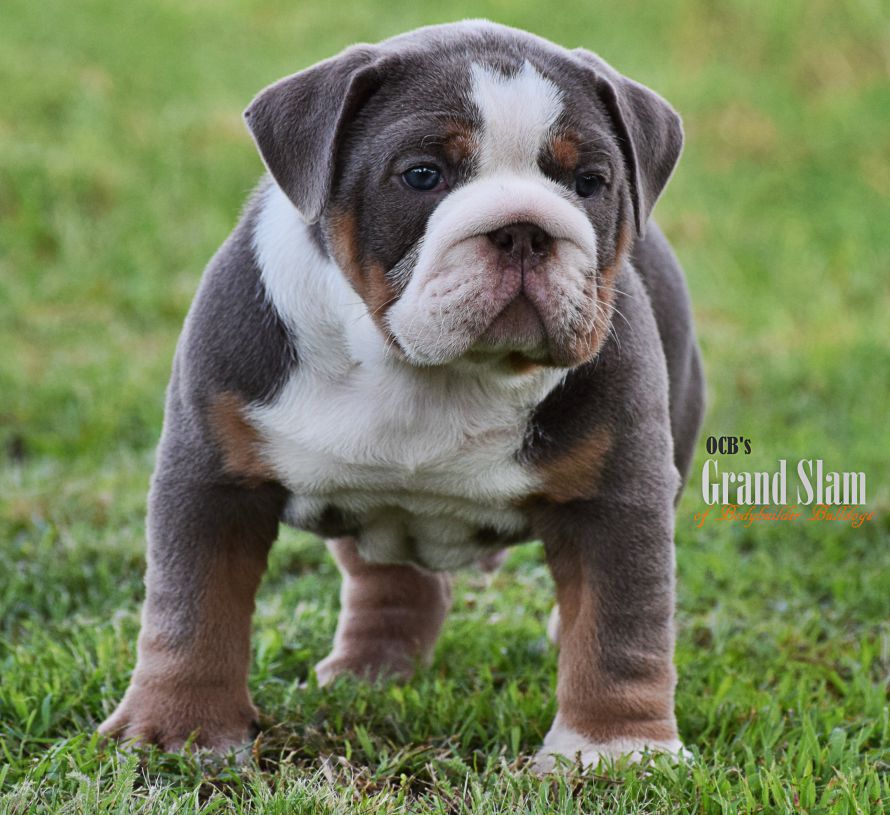
Characteristics of the Old English Bulldog
These dogs are solid, low-slung, and muscular, with the famous undershot jaw and a short, glossy coat that appears in several colors. Key points to know:
Size and Weight
Females usually weigh 40–50 lb and males 50–60 lb. Shoulder height ranges from 12 to 16 inches, giving them a wide, sturdy stance.
Temperament
Bulldogs are famously patient with children and polite with other pets when properly introduced. They enjoy short play sessions followed by long naps, making them a good match for a relaxed household.
Health Concerns
Their flat face can lead to breathing issues, while joint troubles and skin sensitivities also appear in the breed. Choose a source that tests breeding stock for these problems and offers transparent health records.
Finding an Old English Bulldog
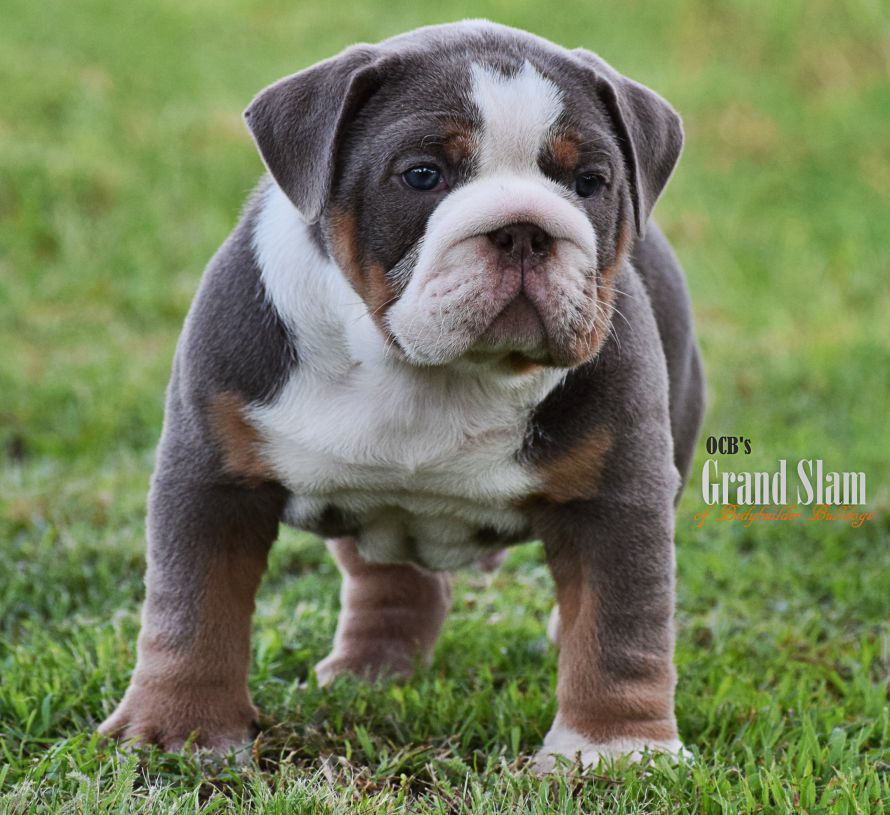
Locating a healthy puppy or adult takes time. A few steps to guide you:
Research Local Sources
Look for well-established breeders or reputable rescue groups with positive feedback from previous buyers. Online forums and national breed clubs are good starting points.
Visit in Person
Arrange a visit to see the living conditions. Clean quarters, cheerful dogs, and an owner who answers questions openly are all encouraging signs.
Ask About Health Checks
Request proof of health screenings for parents and puppies. Honest breeders discuss both strengths and known issues in their lines.
Meet the Parents
Observing the mother (and father if on site) gives insight into future size, temperament, and care needs.
Conclusion

An Old English Bulldog can be a devoted, comical member of the family when matched with the right home. Take time to learn about the breed’s needs, commit to routine vet care, and select a source that prioritizes health and temperament.
Future Research Directions
Continued study of genetics, breathing function, and joint health can help improve breeding plans. Work on early socialization and positive training methods will also guide owners toward raising a confident, happy dog.
In short, the Old English Bulldog remains an endearing companion. With careful research and responsible choices, you can offer one of these charming dogs a safe, loving place to thrive.