The Importance of Dog Adoption in Urban Communities: A Comprehensive Analysis
Introduction
Across many large cities, vibrant street life and diverse neighborhoods have fostered a strong culture of animal advocacy. One pressing concern shared by welfare groups is the steady influx of homeless dogs. In response, adoption initiatives have expanded, offering compassionate solutions. This article examines why adopting a dog matters, how it strengthens communities, and the mutual rewards for people and pets alike.
The Problem of Stray Dogs in Urban Areas
Major metropolitan regions routinely report thousands of dogs found roaming each year. Common reasons for abandonment include sudden lifestyle changes, housing restrictions, or limited financial resources. When left unchecked, this population can strain public services and compromise both human and animal well-being.
The Role of Dog Adoption in Addressing the Problem
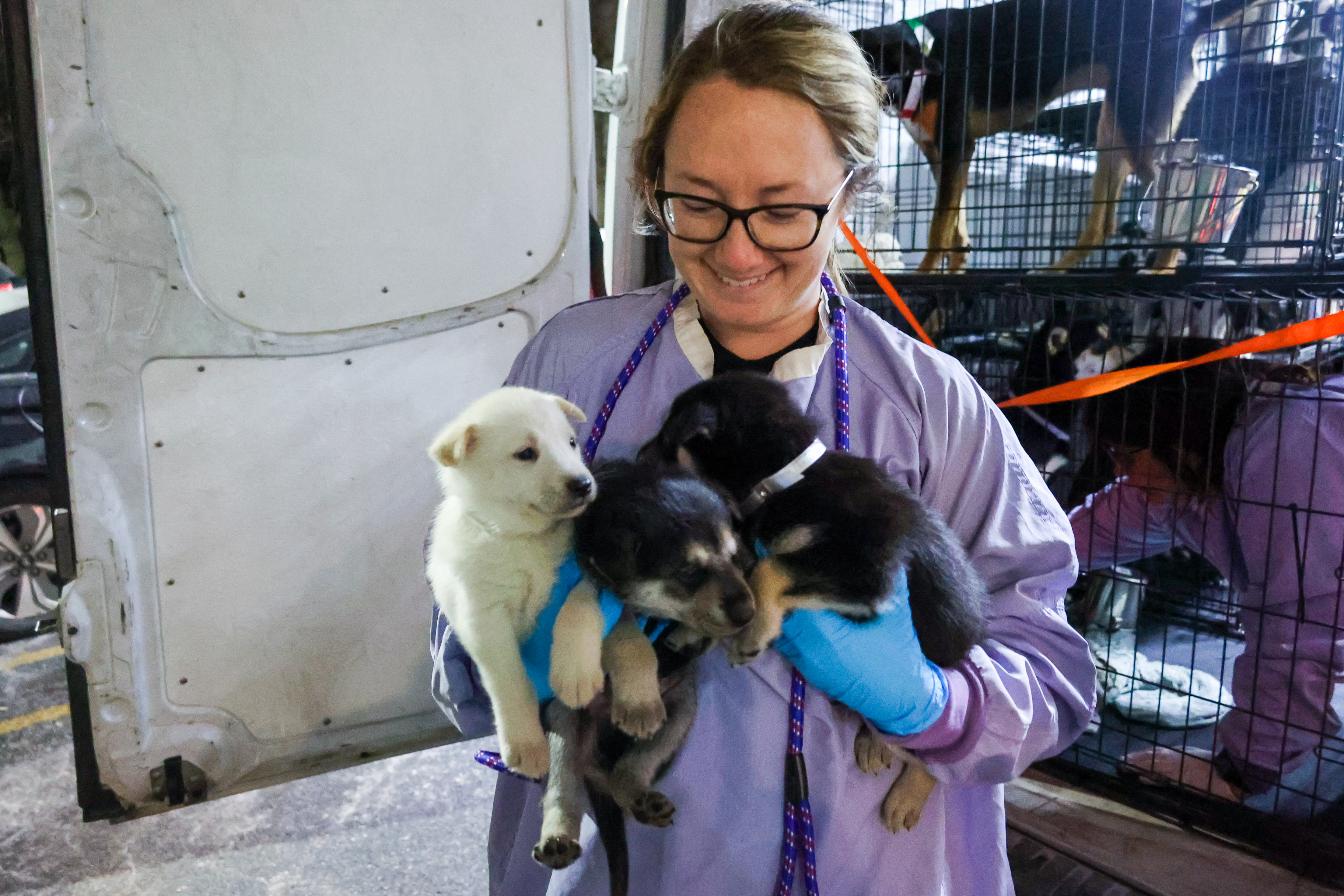
Adoption programs act as a vital safety net. By matching homeless dogs with caring families, they ease pressure on overcrowded facilities and give animals a second chance. These networks also coordinate lost-and-found efforts, helping reunite wandering pets with guardians and further reducing shelter intake.
Benefits of Dog Adoption
For the Dogs
A shelter dog that moves into a stable home often experiences dramatic improvement in behavior and health. Consistent meals, medical attention, and affection allow past trauma to give way to trust and vitality.
For the Adopters
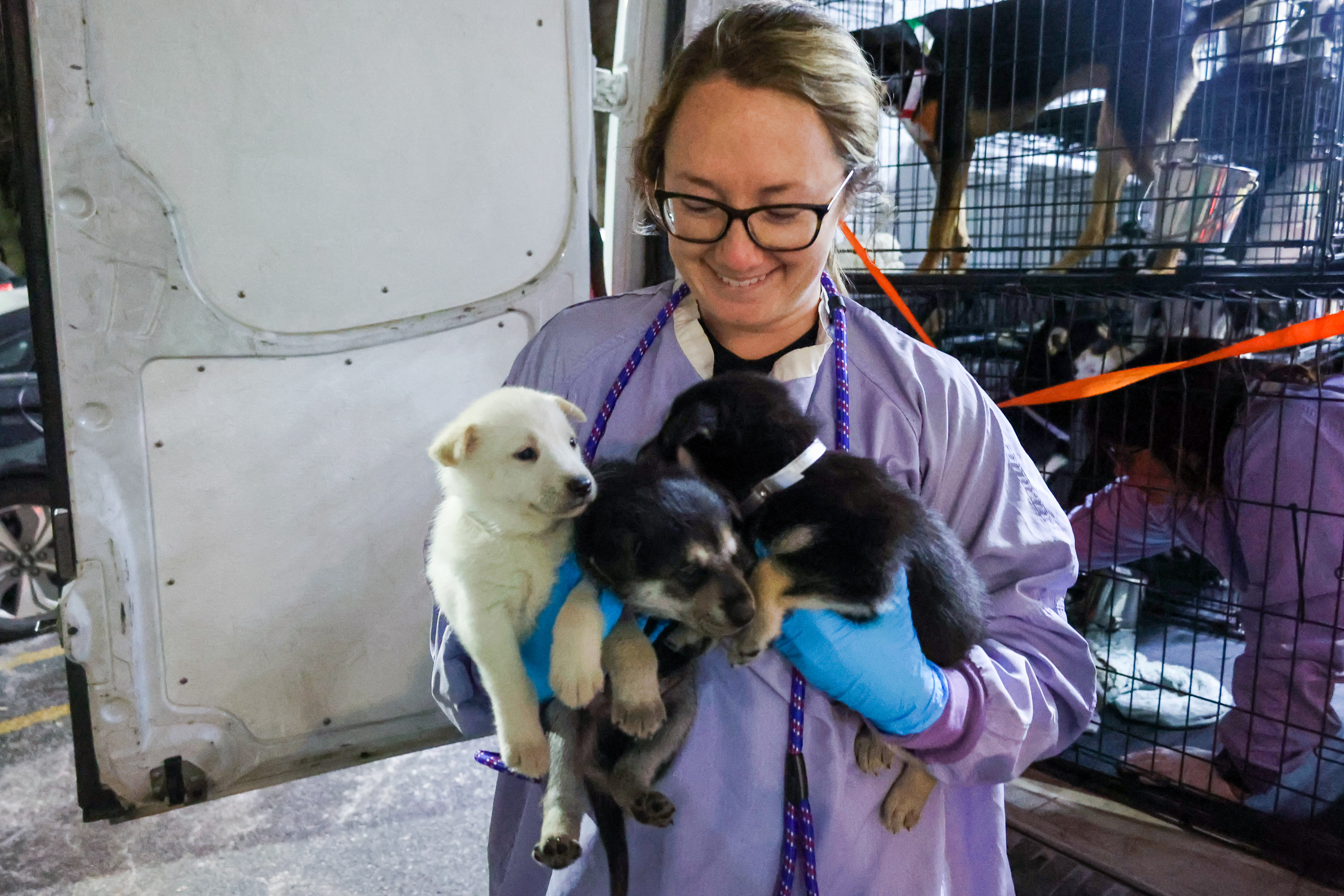
Sharing life with a canine companion can lift mood, encourage daily exercise, and create social connections. The routine of care fosters responsibility, while the dog’s unconditional loyalty provides comfort and joy.
Challenges in Dog Adoption
Despite clear advantages, several hurdles persist. Many residents remain unaware of the sheer number of dogs awaiting homes or underestimate the adoption option compared with purchasing from breeders. Up-front fees, though usually modest, can still deter some households, and ongoing expenses such as food, veterinary care, and grooming require thoughtful budgeting.
Success Stories of Dog Adoption in Cities
Heart-warming examples abound: a once-timid mixed breed transformed into a hiking partner for an active couple, or a senior dog offering calm companionship to a retiree. Each story underscores how adoption enriches daily life and inspires others to consider opening their homes.
The Role of Government and Non-Profit Organizations

City agencies frequently subsidize spay and neuter clinics, run hotlines, and coordinate outreach events. Partnering with local shelters and volunteer groups, they streamline the adoption process, provide post-adoption support, and share resources that keep pets in homes long term.
Conclusion
Adoption stands out as a practical, humane response to the challenge of homeless dogs. It saves lives, eases civic burdens, and cultivates bonds that enhance human health and happiness. Continued collaboration among municipalities, welfare organizations, and residents is key to sustaining and expanding these positive outcomes.
Recommendations and Future Research
To further promote dog adoption, the following steps are advised:
1. Launch inclusive education campaigns highlighting adoption benefits and responsible ownership.
2. Offer targeted subsidies or payment plans that lower financial barriers for qualified adopters.
3. Foster cooperative networks among shelters, veterinarians, trainers, and community groups to provide lifelong support for adopted pets.
Future studies could evaluate the lasting health effects of adoption on both people and animals, compare outcomes across different program models, and identify scalable best practices for cities worldwide.