Title: Understanding and Meeting the Needs of Dogs: A Comprehensive Approach
Introduction:
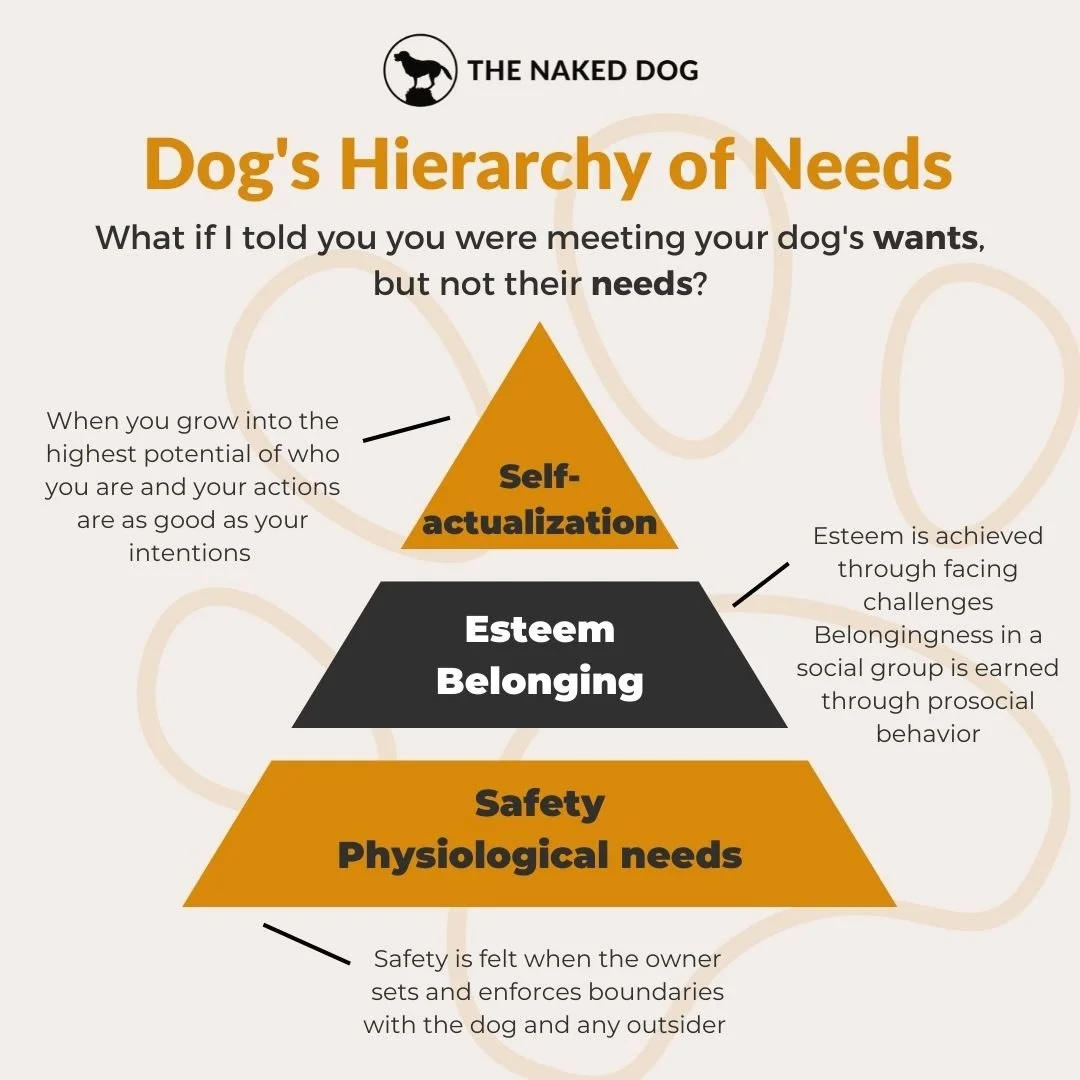
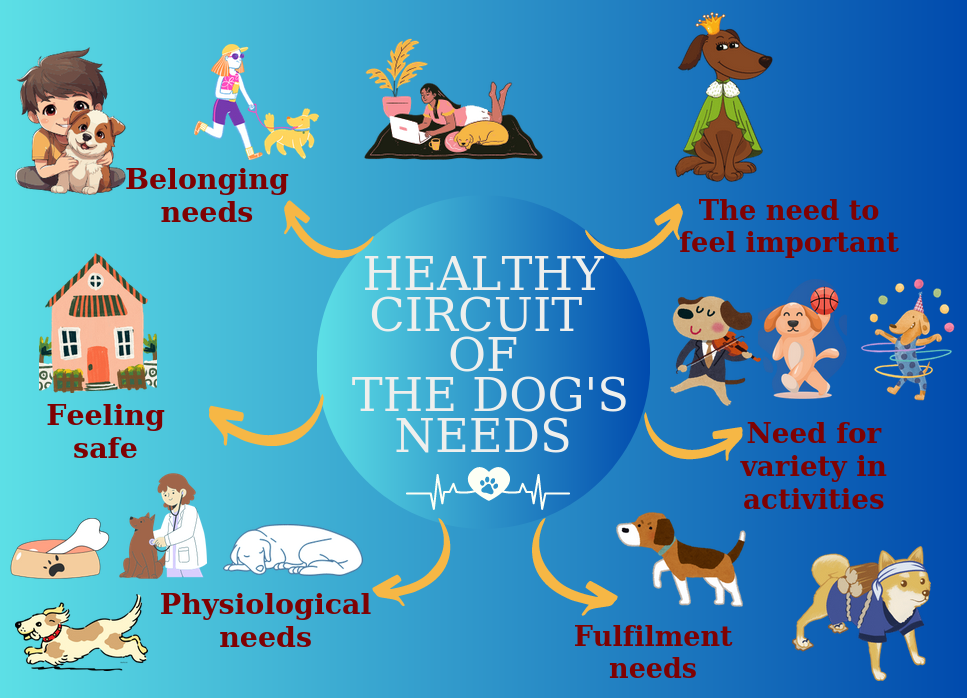
Dogs, as one of the most popular pets worldwide, have unique needs that must be met for their overall well-being. These needs encompass various aspects, including physical, emotional, and social requirements. This article aims to explore the different needs of dogs, provide insights into how to meet them effectively, and emphasize the importance of understanding and fulfilling these needs for the betterment of both dogs and their owners.
Physical Needs of Dogs
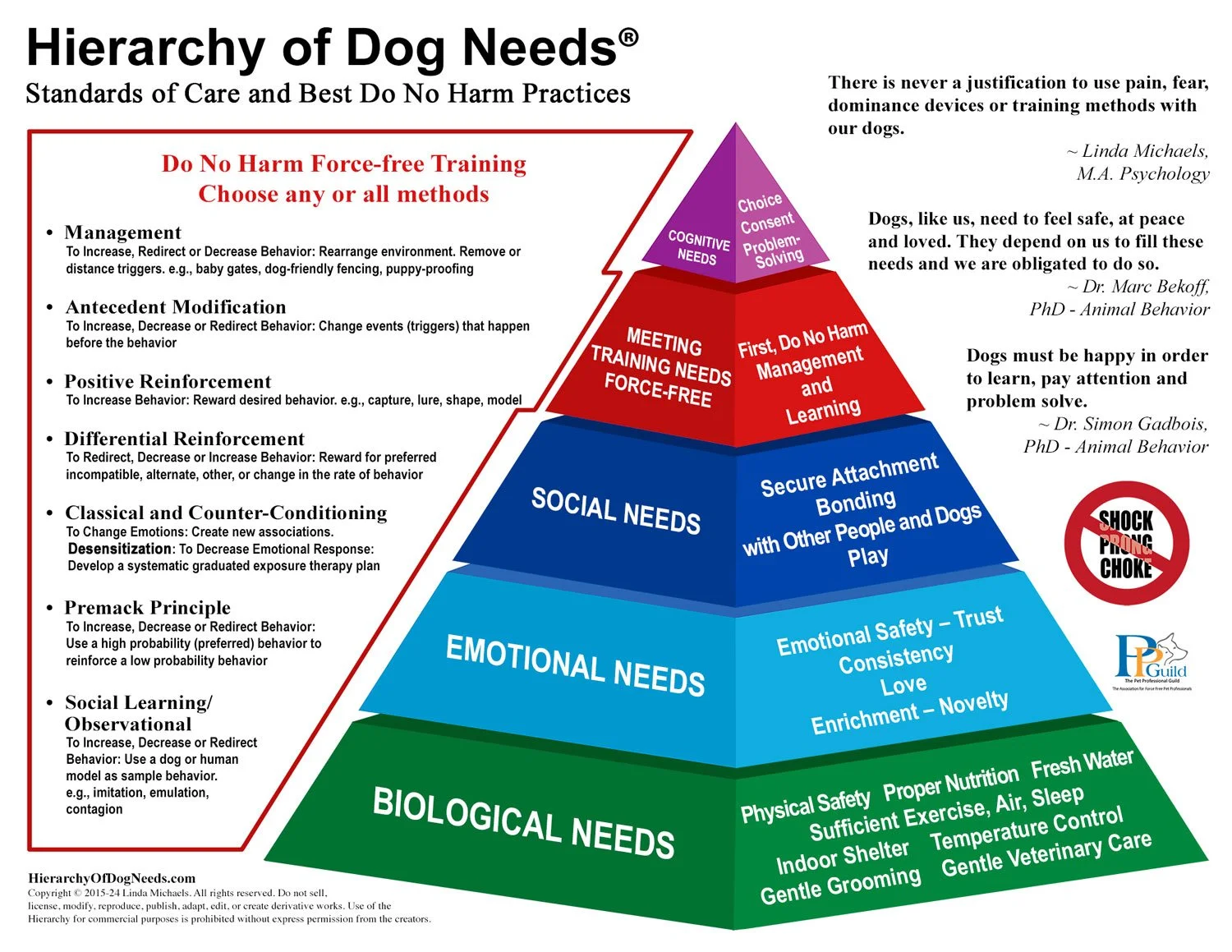
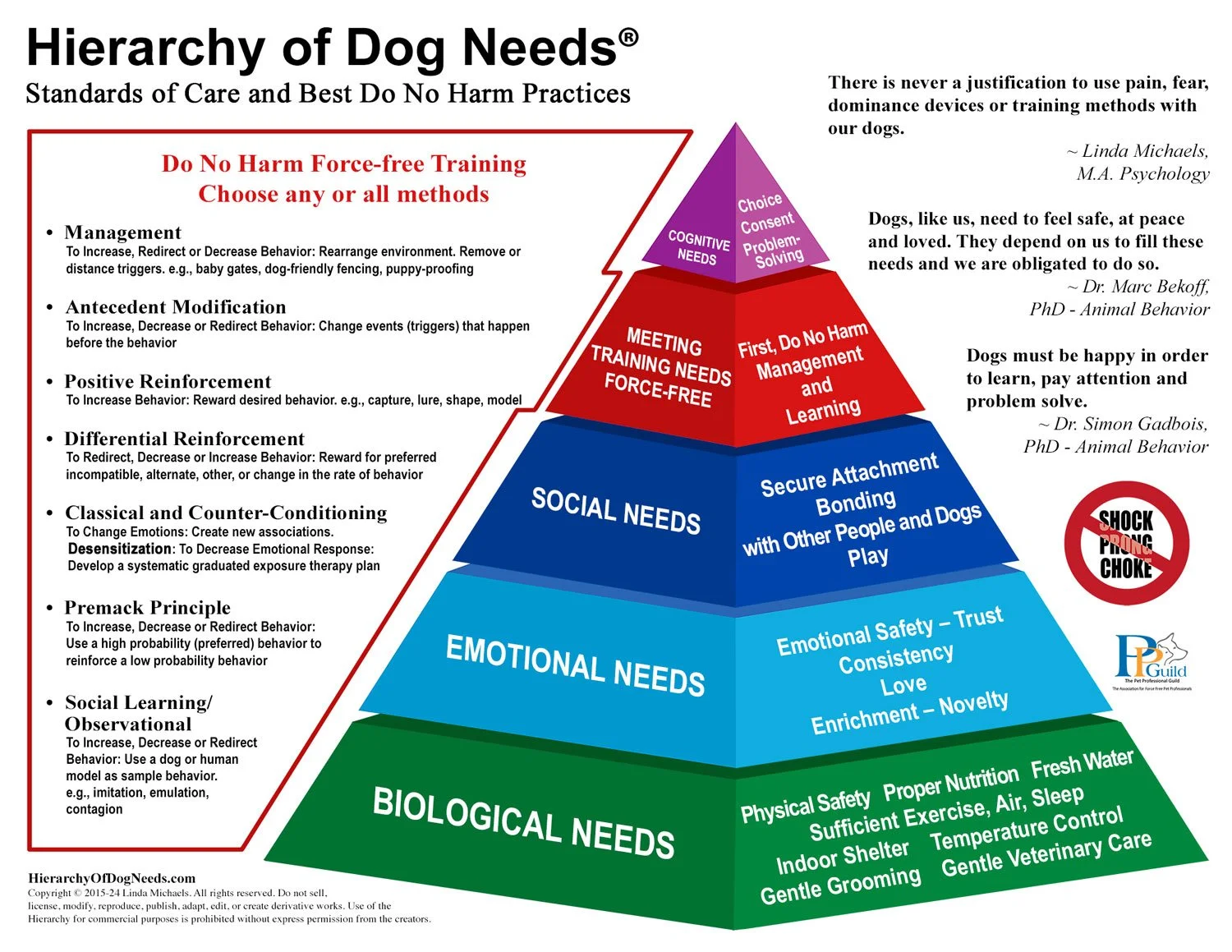
Physical needs are fundamental for the survival and well-being of dogs. They include proper nutrition, adequate exercise, and a comfortable living environment.
Nutrition
A balanced diet is crucial for a dog’s health. Dogs require a mix of proteins, carbohydrates, fats, vitamins, and minerals to maintain their energy levels, immune system, and overall body functions. It is essential to consult a veterinarian to determine the specific dietary requirements for your dog based on its breed, age, size, and activity level. Feeding your dog high-quality commercial dog food or homemade meals that meet its nutritional needs is essential.
Exercise
Regular exercise is vital for dogs to maintain a healthy weight, prevent obesity, and keep their minds engaged. Dogs need a combination of physical activities, such as walking, running, playing fetch, and swimming, to satisfy their exercise needs. The amount of exercise required varies depending on the dog’s breed, age, and energy level. It is crucial to provide enough exercise to prevent boredom, destructive behavior, and potential health issues.
Living Environment
A comfortable living environment is essential for a dog’s well-being. This includes a safe, clean, and secure space where the dog can rest, sleep, and feel protected. Providing a comfortable bed, proper ventilation, and a temperature-appropriate living area are crucial. Additionally, ensuring that the dog has access to fresh water at all times is essential.
Emotional Needs of Dogs
Emotional needs are equally important for dogs as their physical needs. These needs include companionship, affection, and mental stimulation.
Companionship
Dogs are social animals that thrive on companionship. They require attention, love, and interaction with their owners and other dogs. Spending quality time with your dog, such as playing, walking, and engaging in activities, helps strengthen the bond between you and your pet. Dogs that lack companionship may experience anxiety, depression, and other emotional issues.
Affection
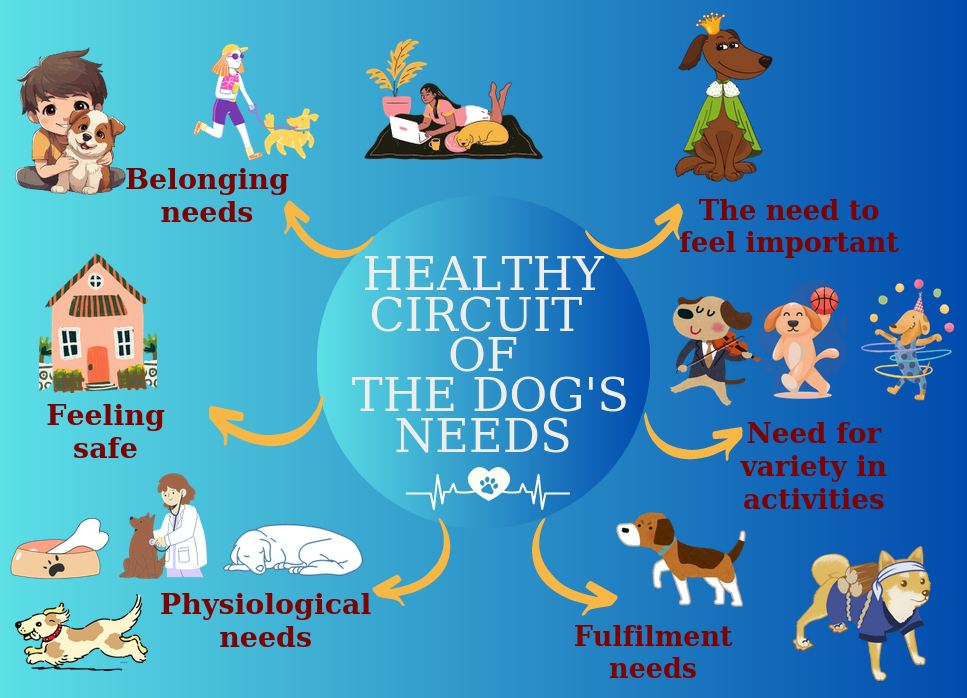
Affection is a vital emotional need for dogs. They seek physical contact, such as petting, hugging, and cuddling, to feel loved and secure. Regular affectionate interactions with your dog can improve its mood, reduce stress, and enhance its overall well-being.
Mental Stimulation
Dogs require mental stimulation to keep their minds active and engaged. Providing puzzles, toys, and activities that challenge their problem-solving skills can prevent boredom, destructive behavior, and potential mental health issues. Training, obedience classes, and interactive games are excellent ways to provide mental stimulation for your dog.
Social Needs of Dogs
Social needs involve interactions with other dogs and humans. Dogs are pack animals and thrive on social interactions, which help them develop social skills and maintain their mental health.
Interactions with Other Dogs
Dogs need opportunities to interact with other dogs to develop social skills, learn appropriate behavior, and reduce aggression. Socialization is crucial during the puppy stage but can be beneficial throughout a dog’s life. Dog parks, playdates, and group activities are excellent opportunities for dogs to socialize and form friendships.
Interactions with Humans
Dogs also require social interaction with humans. Regular interaction with family members, friends, and other people helps dogs develop social skills, reduce anxiety, and improve their overall well-being. It is essential to provide positive social experiences and avoid exposing dogs to negative or stressful social situations.
Conclusion:
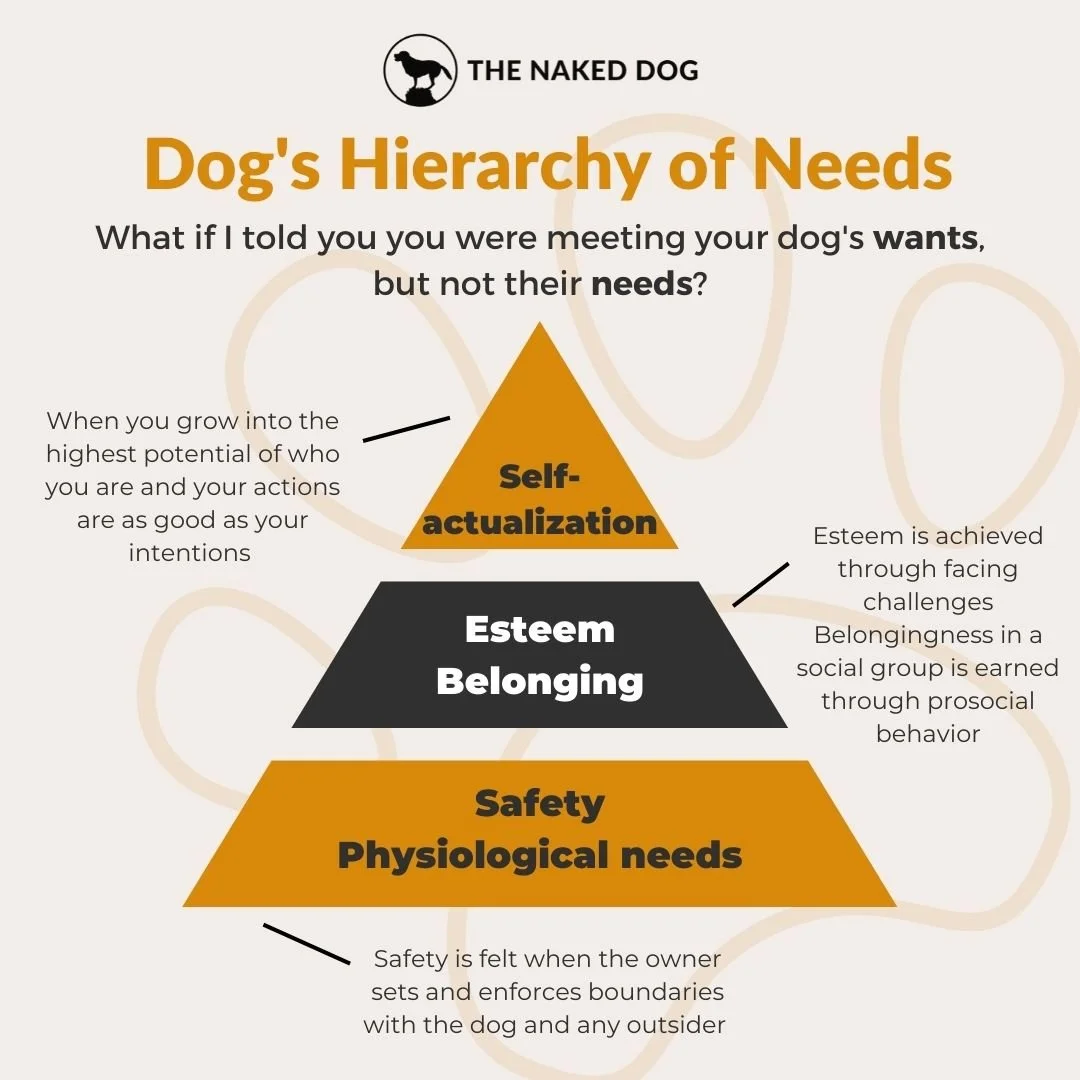
Understanding and meeting the needs of dogs is crucial for their overall well-being and happiness. By addressing their physical, emotional, and social needs, owners can ensure that their dogs live healthy, fulfilling lives. This article has highlighted the importance of nutrition, exercise, a comfortable living environment, companionship, affection, mental stimulation, and social interactions. By fulfilling these needs, owners can strengthen the bond with their dogs and contribute to their overall happiness and well-being.
Future Research:
Further research is needed to explore the specific needs of different dog breeds, the impact of environmental factors on dog well-being, and the effectiveness of various training and socialization methods. Additionally, investigating the long-term effects of meeting and not meeting dogs’ needs on their mental health and lifespan would be beneficial. By continuously studying and understanding the needs of dogs, we can improve their quality of life and strengthen the human-animal bond.