Cool Dog Types: A Comprehensive Guide
Introduction
Dogs have shared our homes and hearts for thousands of years, and certain breeds stand out for their unmistakable charisma. These “cool” companions turn heads in parks, star on social feeds, and melt stress after a long day. This guide looks at what makes select breeds so magnetic, tracing their roots, hallmark traits, and the reasons they continue to win admirers across the globe.
The History of Cool Dog Types
Early breeders shaped today’s canine celebrities by pairing dogs that excelled at specific jobs—guarding, herding, or sled-pulling—while also noticing which animals carried a natural swagger. Over centuries, those eye-catching workers became the stylish breeds we now label “cool.”
The Poodle, for example, began as a German water retriever prized for brains and a coat that shrugged off chilly lakes. Its sculpted curls and poised stance later made it a salon favorite and fashion fixture.
Equally photogenic, the Siberian Husky started life hauling freight across frozen tundra. Its ice-blue gaze, wolfish markings, and endless energy soon translated into sidewalk star power far from the snow.
Characteristics of Cool Dog Types
While each breed is unique, crowd-pleasers tend to share a few crowd-winning qualities:
Appearance
Striking coats, memorable colors, or athletic builds give these dogs instant recognition. Whether it’s the Poodle’s sculpted curls, the Husky’s masked face, or the Boxer’s square jaw, their look sparks conversation before a single bark.
Temperament
Most cool breeds radiate confidence without aggression. They greet strangers with a wag, play gently with children, and adapt quickly to new places, making daily life smoother for any household.
Intelligence
A quick mind amplifies charisma. Breeds like the Border Collie or Miniature Poodle solve puzzles faster than some humans, master tricks for treats, and keep owners laughing with creative antics.
Unique Abilities
Special talents add extra sparkle. The Beagle’s nose can follow a week-old trail, while the Greyhound’s burst of speed leaves other dogs in the dust. These built-in superpowers become party tricks and conversation starters.
The Popularity of Cool Dog Types
Several forces keep these breeds in the limelight:
Celebrity Companions
When influential figures step out with a well-groomed pup, cameras follow. The breed’s image circulates online, inspiring fans to adopt similar four-legged sidekicks.
Dog Shows and Competitions
Televised events highlight graceful movement, perfect coats, and razor-sharp obedience. Viewers at home discover new favorites and learn responsible ownership tips between commercials.
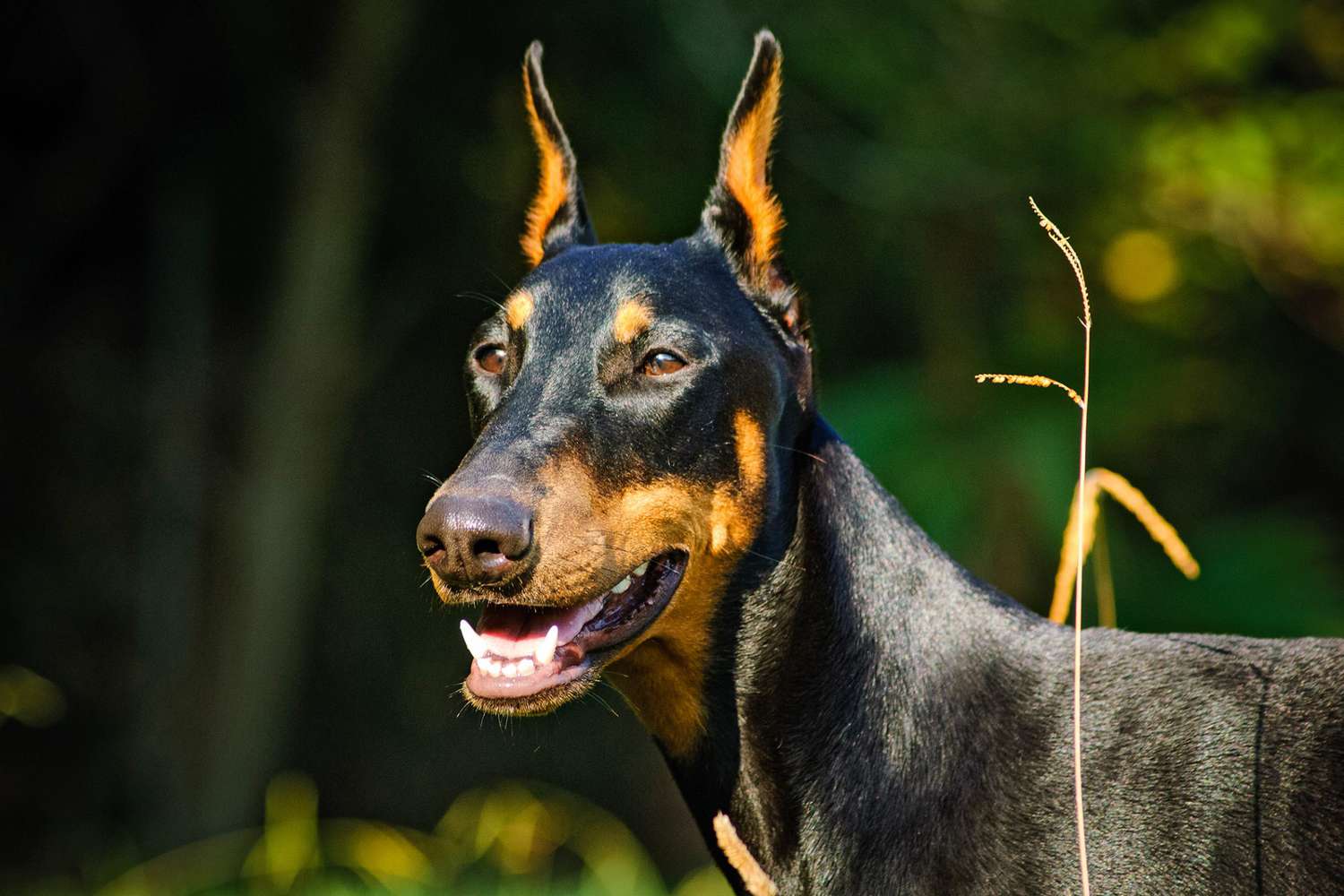
Media and Culture
From classic films to animated series, cool dogs steal scenes and merchandise shelves. Each appearance plants the breed deeper into popular imagination, ensuring demand stays steady.
The Impact of Cool Dog Types on Society
Beyond looks and fame, these dogs shape everyday life:
Emotional Support
A loyal companion can turn a rough day bearable. Many owners report lower anxiety and brighter moods after walks or couch cuddles with their stylish pets.

Health Benefits
Regular strolls keep both dog and human active, supporting heart health and healthy weight. The routine also encourages outdoor time and fresh air, boosting overall wellness.
Social Interaction
Dog parks, training classes, and neighborhood sidewalks become social hubs when cool breeds gather. Shared stories about grooming hacks or funny habits break the ice and build community.
Conclusion
From royal courts to city apartments, cool dog types continue to blend utility with undeniable charm. Their history, brains, and beauty create a timeless appeal that transcends borders and generations. As long as people seek loyal friends who double as lifestyle icons, these remarkable breeds will keep trotting proudly by our sides.