How to Find Your Cat in the House: A Comprehensive Guide
Introduction
Cats are famously independent, and that independence can turn into an impromptu game of hide-and-seek inside your own home. Whether you have just come back from errands or simply realize the house is quieter than usual, locating a missing feline can feel like searching for a tiny, four-legged ghost. This guide walks you through calm, practical steps to track down your cat without turning the hunt into a stress-fest for either of you.

Understanding Cat Behavior
Before you open every cupboard, it helps to think like a cat. Most household hiding sprees are driven by two main instincts: the need for safety and the urge to explore. Recognizing these motives will narrow your search and save you from checking the oven twice.
Hiding for Safety

When startled by loud noises, unfamiliar guests, or the terrifying arrival of the vacuum cleaner, cats look for tight, low-traffic spots where they can monitor the world without being seen. Approaching these zones quietly prevents your pet from burrowing even deeper into the sofa springs.
Curiosity and Exploration
On calmer days, curiosity takes over. A open closet, a freshly emptied box, or the top of a wardrobe can become a new frontier. Remember that if a space looks inaccessible to you, a cat has probably already posted a review about it.

Practical Tips for Finding Your Cat
With feline psychology in mind, try the following low-stress tactics to coax your companion back into view.
1. Start with a Calm Approach

Move through the house slowly, speaking in the same relaxed tone you use at feeding time. Heavy footsteps and worried calls can convince a wary cat that the coast is definitely not clear.
2. Check Common Hiding Spots
Begin with the classics:
– Under beds, couches, and recliners
– Behind long curtains or dangling linens
– High perches such as bookshelves or the top of the fridge
– Dark corners of closets, laundry baskets, and open drawers
3. Use Familiar Scents
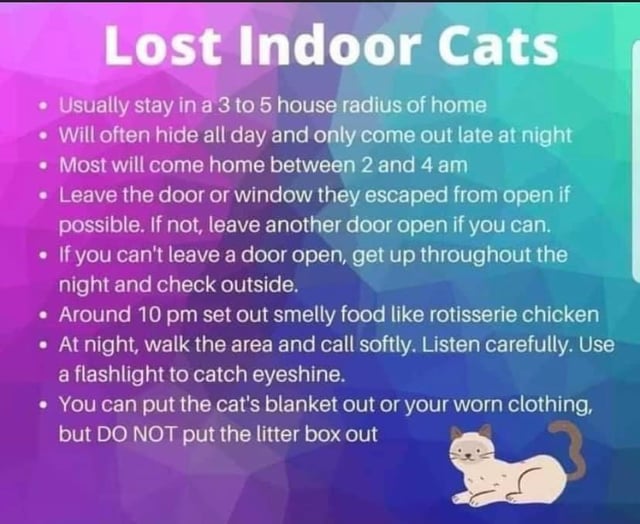
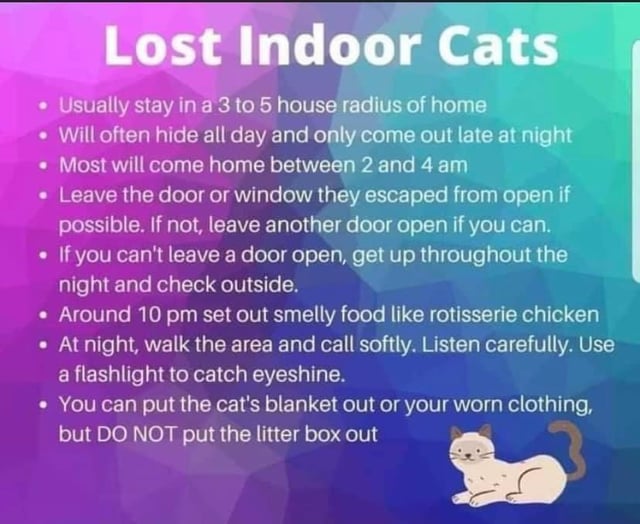
A recently worn T-shirt or your cat’s favorite blanket placed in the middle of a room can act like a homing beacon. Felines trust their noses far more than their ears, and a well-known scent can lure them out of stealth mode.

4. Call, Don’t Shout
Use your normal greeting or the shake of a treat jar rather than a frantic yell. Short, consistent sounds repeated every few seconds give your cat time to pinpoint your location and decide it is safe to appear.
5. Peek Outside—Just in Case

If an exterior door was left ajar or if you have a patio pet door, do a quick perimeter sweep. Check garden sheds, garages, and any sheltered nooks near the house before assuming your cat is still indoors.
Advanced Strategies
When the usual spots come up empty, escalate the search without escalating the panic.

1. Use a Flashlight
Even in daylight, a flashlight helps you see under furniture and into shadowy recesses without moving everything you own. Look for a pair of glowing eyes rather than the whole cat; sometimes that is all that will be visible.
2. Recruit a Helper
A second set of eyes keeps you from rechecking the same spots and adds an extra voice that might coax the kitty out. Make sure both searchers know to stay calm and to close doors behind them to prevent further migration.
3. Seek Outside Expertise
If extended searches fail and you suspect your cat may have slipped outside for good, contact local shelters or neighborhood groups. A quick photo and description shared online can widen the search faster than any solo mission.

Conclusion
Patience, empathy, and a methodical checklist are your best tools for turning “Have you seen my cat?” into “There you are!” Start calm, think like a feline, and work through the house one zone at a time. With familiar scents, gentle calls, and maybe a flashlight in hand, you will greatly improve the odds of a happy reunion—and your cat will probably wonder what all the fuss was about.