The Impact of a Local Pet-Rescue Network on Animal Welfare and Community Engagement
Introduction
A community-driven animal-welfare group has quietly transformed the way people care for homeless pets and connect with one another. This article explores how the network’s adoption events, low-cost clinics, and outreach efforts have improved daily life for animals while strengthening neighborhood bonds.
The History of the Network
Founded in the mid-2000s, the organization began as a small volunteer circle determined to give every adoptable animal a second chance. Word spread quickly, foster homes multiplied, and weekend adoption fairs turned into a year-round movement that now serves the wider region.
Programs and Services Offered by the Network
Adoption Programs
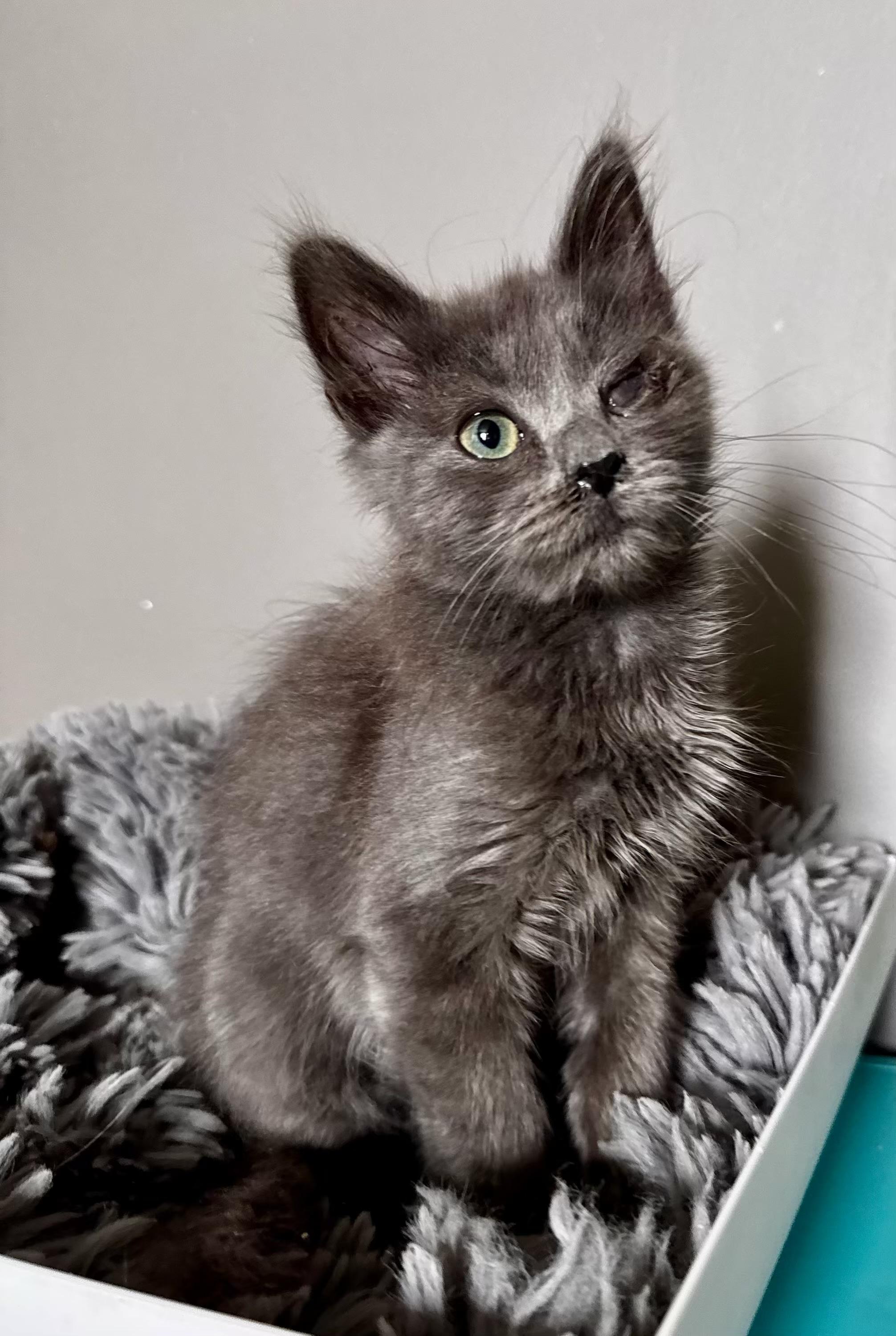
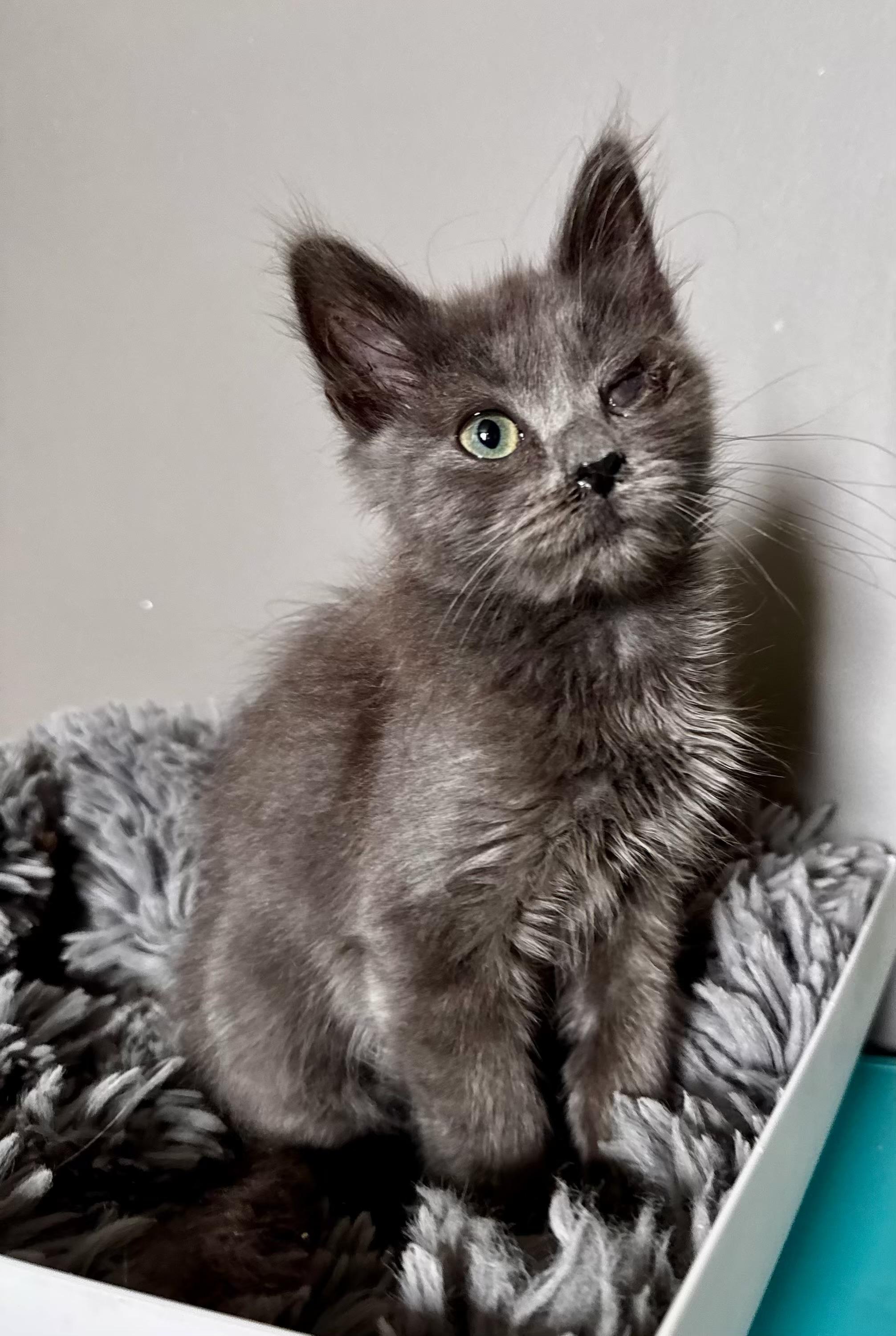
Weekly meet-and-greet events pair cats and dogs with screened families. Volunteers share each animal’s personality, medical history, and training tips so the match feels right for both pet and person.
Spay and Neuter Clinics
Mobile clinics rotate through neighborhoods, offering affordable sterilization and basic vaccinations. Shorter waitlists and calmer clinic days mean more pets are altered before accidental litters occur.
Community Outreach
School talks, library story hours with rescue dogs, and pop-up wellness booths introduce responsible-pet messages to children and seniors alike. Residents who start as event visitors often return as donors, foster parents, or dog-walkers.
The Impact on Animal Welfare
Reducing Animal Overpopulation
Consistent access to low-cost surgery has flattened the seasonal surge of kittens and puppies that once overwhelmed shelters. Fewer surrendters free up kennel space and staff time for medical cases and behavioral rehab.
Improving the Lives of Shelter Animals
Soft bedding, daily enrichment toys, and on-site grooming stations turn concrete kennels into calmer waiting rooms. Behavioral assessments guide custom training plans, so animals leave healthier, happier, and better prepared for home life.
The Impact on the Community
Fostering a Sense of Community
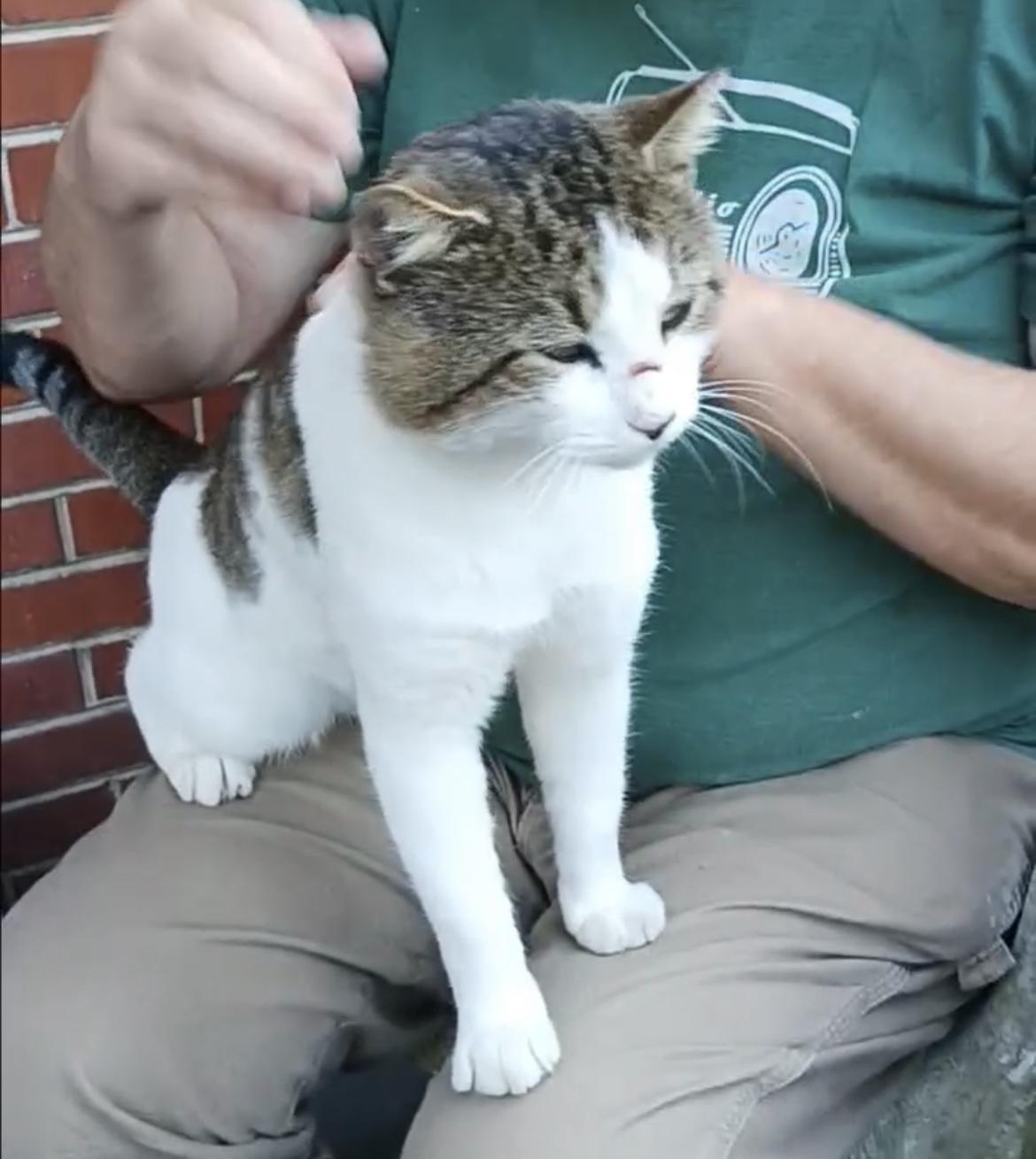
Shared adoption days, mural-painting projects on shelter walls, and group dog-walks create casual meeting spots for neighbors who might otherwise never speak. Conversations that start over wagging tails often evolve into carpools, babysitting swaps, and street-clean-up crews.
Economic Benefits
Local vets gain new clients, pet-supply vendors set up booths at events, and nearby cafés see extra foot traffic when Saturday adoption fairs coincide with farmers’ markets. Lower shelter intake also reduces municipal animal-control costs.
The Broader Implications
National and International Impact
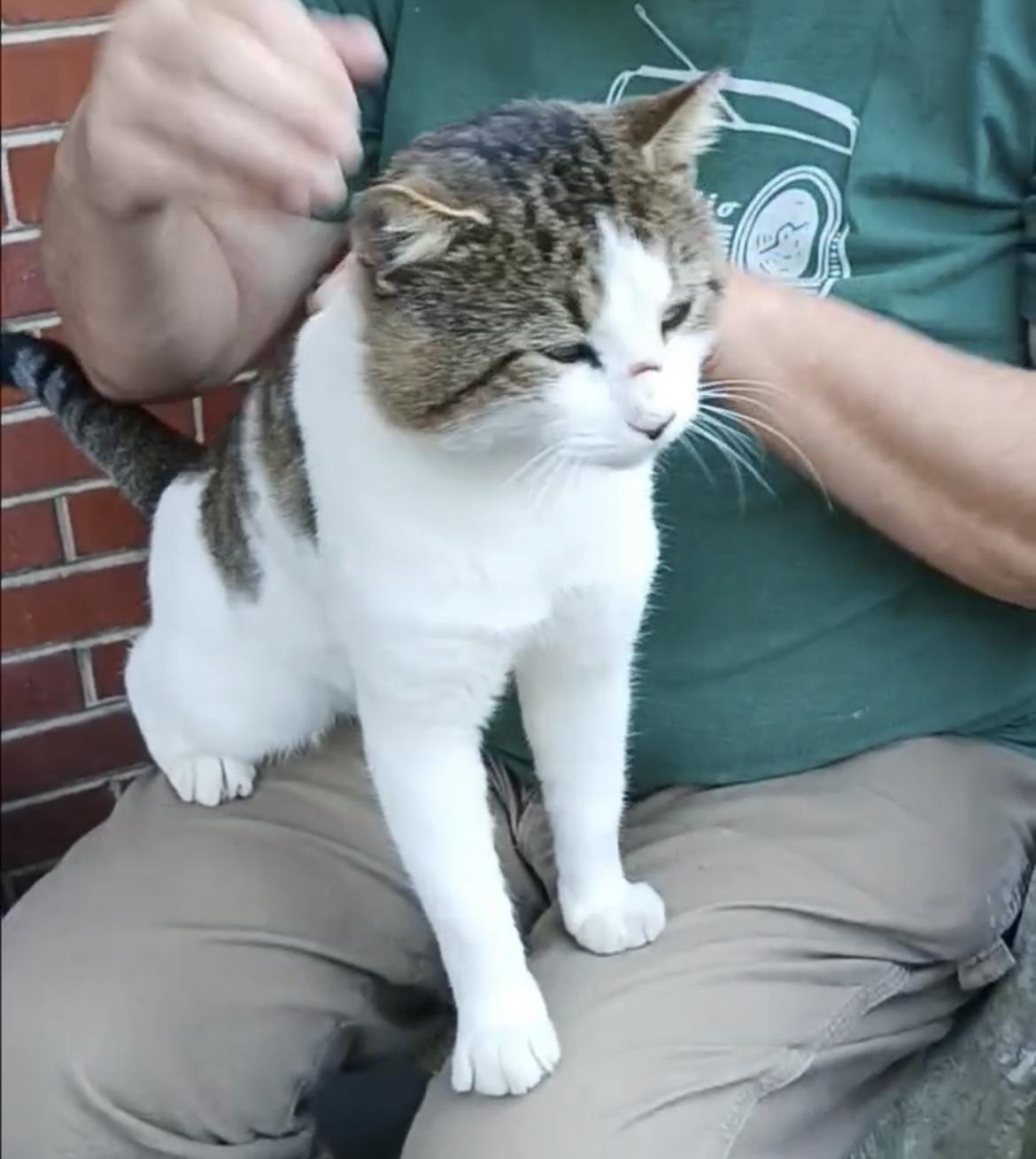
Other towns regularly request the group’s volunteer handbook, clinic checklist, and social-media playbook. Simple ideas—like color-coded leash labels for energy level—have been copied from coast to coast and even overseas.
The Role of Technology
An easy-to-navigate website and weekly “Pet of the Week” posts allow adopters to pre-screen animals, complete paperwork online, and schedule safe pickup times. Livestreamed cat-room tours keep followers engaged long after the event ends.
Conclusion
By blending compassion with practical services, the network has saved thousands of lives and woven kindness more tightly into the local culture. Its steady growth shows what consistent, neighbor-to-neighbor effort can achieve.
Recommendations and Future Research
Next steps include expanding foster networks for senior pets, partnering with tech students to build a lost-and-found alert app, and tracking post-adoption retention rates to fine-tune support for new owners. Long-term studies could quantify how reduced stray populations correlate with public-health outcomes and neighborhood property values.
In conclusion, the network’s quiet, daily acts of care continue to ripple outward, proving that when animals thrive, communities flourish alongside them.