Lost Puppy in the Neighborhood: A Community United for a Happy Reunion
Introduction
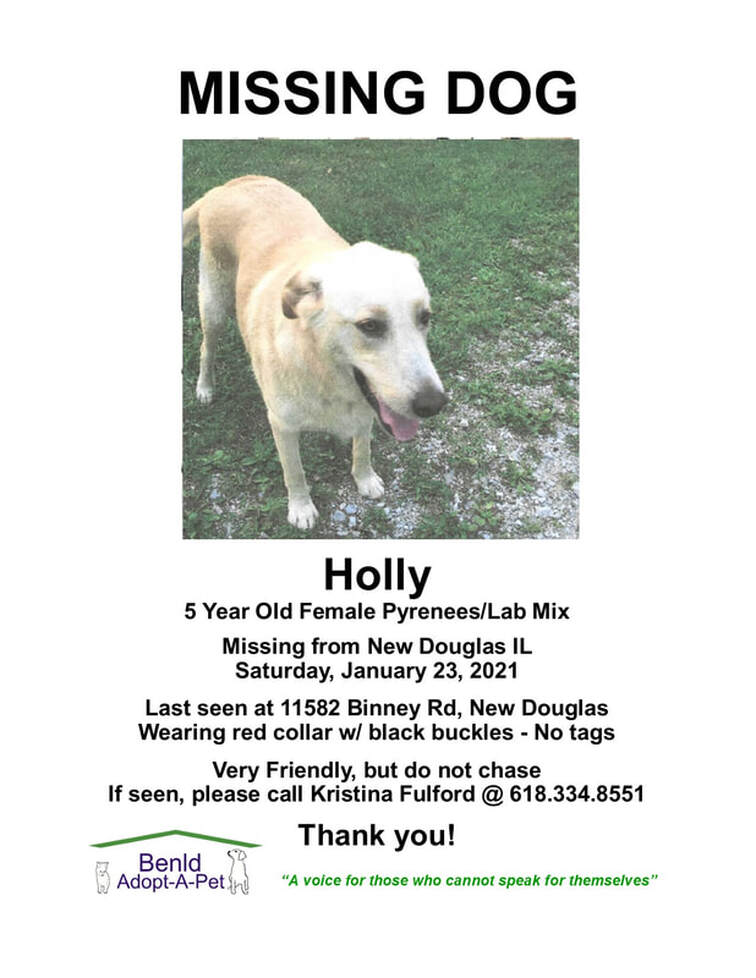
Spotting a “lost puppy” poster on a nearby lamppost stirs a wave of concern and compassion. For any family, a wandering pup feels like a missing piece of home, and the search quickly becomes everyone’s mission. This piece looks at what it takes to bring a young dog safely back, the hurdles along the way, and the emotional ripple felt throughout the neighborhood.
The Emotional Impact of a Lost Puppy
The Emotional Toll
The absence of a playful puppy can ache like the loss of a close friend. The connection between people and their pets runs deep, so when that bundle of fur vanishes, worry, sadness, and helplessness often follow. Surveys show that the vast majority of owners view their animals as full-fledged family, which explains why the search becomes so personal and urgent.
Community Response
Word of a missing pup spreads fast. Neighbors check sheds, joggers scan trails, and children keep extra treats in their pockets. Online groups, bulletin boards, and local rescues turn into information centers, offering both practical tips and quiet reassurance to the worried household.
Challenges in Finding a Lost Puppy
Tracking and Tracing
Tiny paws and endless curiosity make puppies unpredictable explorers. A sudden noise or an interesting scent can lure them blocks away before they realize they are lost, leaving few clues for searchers.
Time Constraints
Each hour matters. Young dogs tire quickly, traffic poses a threat, and chilly nights can be dangerous. The ticking clock pushes volunteers to comb streets and parks without pause.

Community Awareness
A search succeeds only when enough eyes and ears are alert. Clear photos, concise descriptions, and friendly reminders at coffee shops or bus stops keep the puppy fresh in everyone’s mind.
Strategies for Finding a Lost Puppy
Immediate Actions
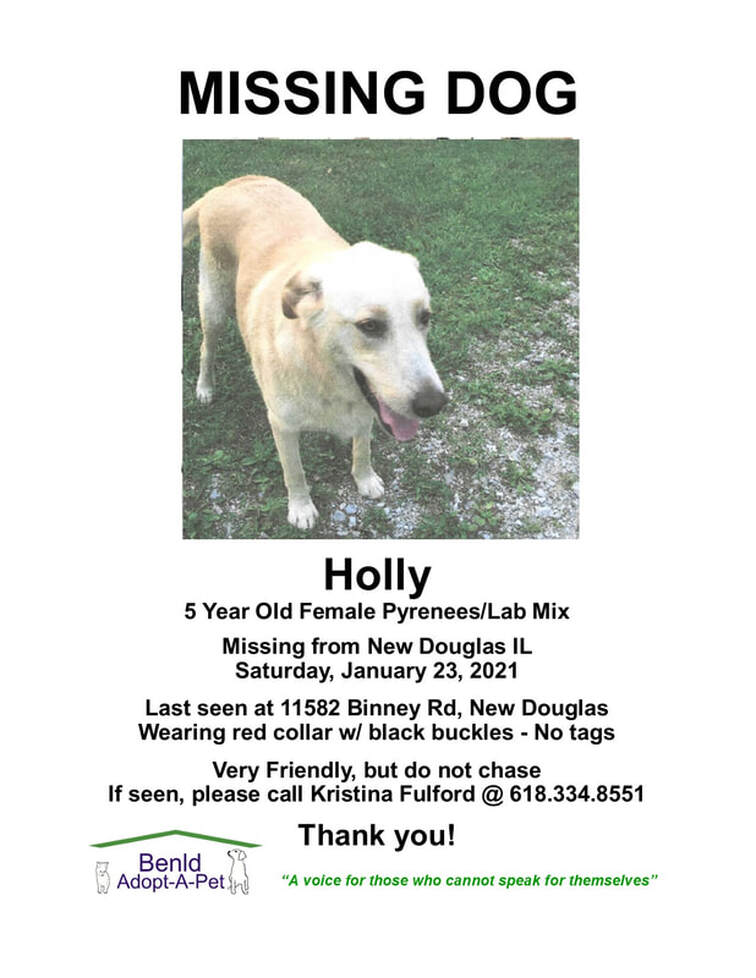
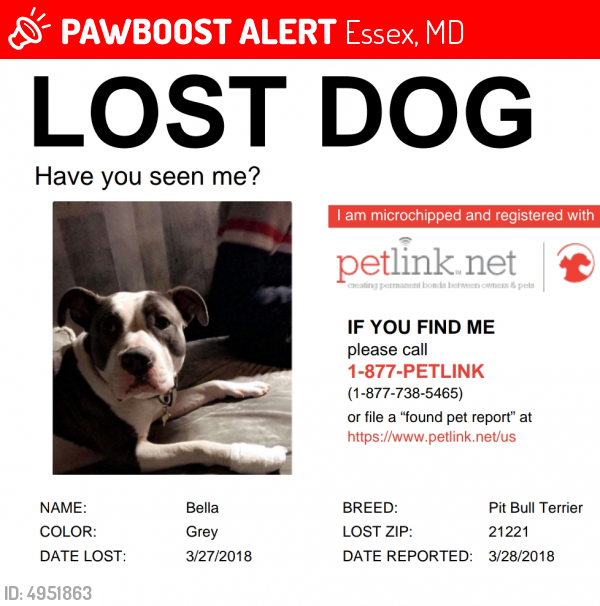
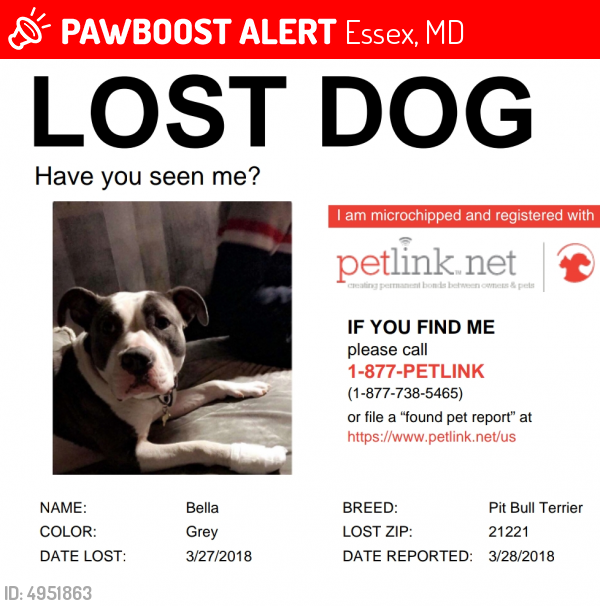
Owners should first ring nearby clinics, shelters, and animal-control teams. A bright, simple flyer showing the pup’s color, size, and any special markings helps staff match reports faster.
Community Engagement
Sharing the story on neighborhood apps, church newsletters, and school parent groups widens the net. A quick repost or a kind word can reach the one person who spotted the wanderer under a porch.
Search and Rescue Efforts
Small teams can walk grids at dawn and dusk when streets are quiet. Leaving a worn T-shirt and a bowl of water outside the home gives the puppy a familiar scent trail to follow back.
The Role of Technology
GPS Trackers
Lightweight collars with live location updates now cost little more than a pizza. If the pup slips out, a phone map shows the last point of signal, trimming hours off the hunt.
Social Media
A single post can travel faster than a car. Photos, last-seen corners, and gentle pleas shared in local groups rally strangers into an instant search party.
Conclusion
Bringing a lost puppy home blends urgency, teamwork, and heart. Though the journey tests patience, each shared flyer, late-night walk, and hopeful tail-wag sighting keeps spirits alive. The effort itself proves how tightly pets weave themselves into community life.
Recommendations and Future Research
Recommendations
To raise the odds of a swift reunion, owners are encouraged to:

1. Fit pups with GPS tags or engraved ID discs.
2. Keep a short, accurate description and a recent photo ready on their phone.
3. Know the phone numbers of nearby shelters and emergency vets.

4. Use social media early and update followers promptly.
Future Research
Areas worth exploring include:
1. Smaller, longer-lasting tracking devices comfortable for toy breeds.

2. Proven methods to keep volunteers motivated across multi-day searches.
3. Emotional support tools for families during prolonged separations.
In the end, every happy bark greeting at the doorstep reminds us that collective kindness, paired with a few smart tools, can turn a frightening loss into a neighborhood celebration.