Lost Australian Shepherd Near Me: A Comprehensive Analysis
Introduction
The Australian Shepherd, celebrated for its sharp mind, agility, and devotion, has become a favorite companion in countless households. Yet when one of these spirited dogs goes missing, the experience can be heartbreaking. This article explores why Australian Shepherds wander, the hurdles owners face while searching, and the best ways to keep them safe. By recognizing common triggers and available tools, we can reduce disappearances and give our four-legged friends the security they deserve.

Factors Contributing to the Loss of Australian Shepherds
1.1. Escaping from the Yard
A leading cause of disappearance is a simple escape from home. Bred for stamina and curiosity, these dogs often leap over or dig beneath ordinary fencing. Industry surveys suggest that roughly one in ten missing dogs first leaves through an unsecured yard.
1.2. Running off During Walks
Even on leash, an Australian Shepherd may bolt after wildlife, cyclists, or friendly strangers. Reports indicate that about a third of canine disappearances begin during routine walks when excitement overrides training.
1.3. Disappearing in Public Places
Parks, outdoor cafés, and dog-friendly festivals offer endless distractions. A quick sniff in the wrong direction can turn into an unplanned solo adventure, leaving owners scanning the crowd within minutes.
Challenges in Retrieving Lost Australian Shepherds
2.1. Limited Resources
Not every guardian can afford professional trackers or around-the-clock advertising. Limited funds often delay printing posters, offering rewards, or traveling to distant shelters.
2.2. Time Constraints
Every hour matters: traffic, weather, and unfamiliar terrain raise the risk of injury. Owners juggling jobs or childcare may struggle to mount an immediate, thorough search.
2.3. Lack of Information
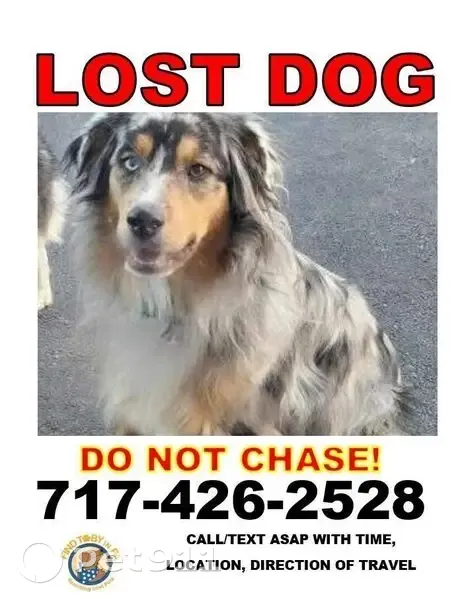
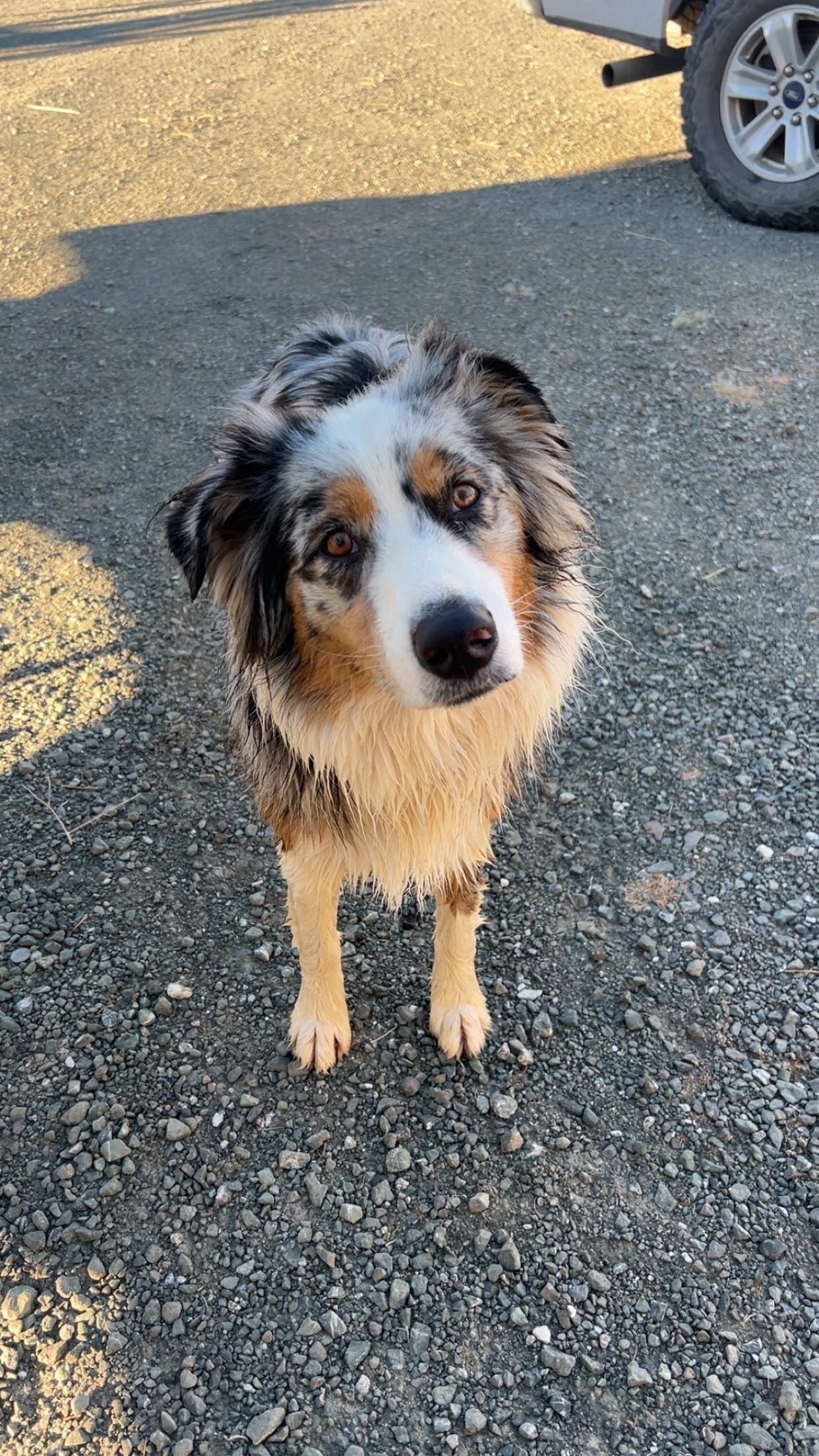
Vague descriptions—“medium-sized, merle, very friendly”—can match several breeds. Without recent photos, unique markings, or last-seen coordinates, good Samaritans and shelters cannot narrow the field.
Preventive Measures
3.1. Secure Yards
Inspect fencing regularly: height should exceed their vertical leap, and a buried skirt or concrete footer can block diggers. Self-latching gates and smooth inward-facing toppers add extra insurance.
3.2. Leash Training
Begin leash manners early, rewarding calm walking and instant recall. A front-clip harness reduces pulling, while high-value treats keep attention on the handler instead of passing squirrels.
3.3. Microchipping
A tiny chip the size of a grain of rice, implanted once and registered for life, dramatically raises the odds of a happy reunion. Shelters and clinics scan found pets routinely; current contact details are essential.

3.4. Community Engagement
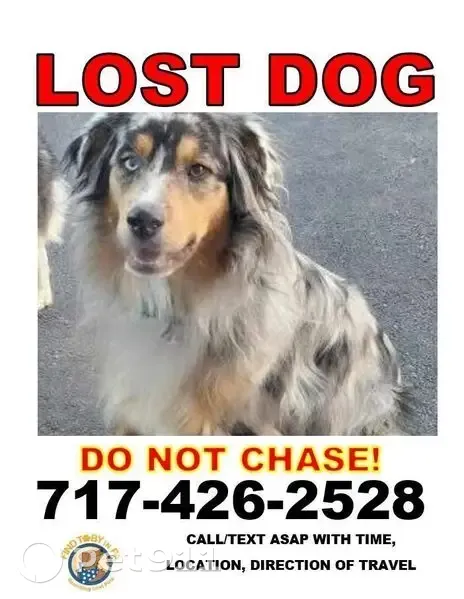
Neighbors, postal workers, dog walkers, and local social-media groups expand search power instantly. Clear, friendly notices with a single photo and a concise message travel faster than word of mouth alone.
Conclusion
Losing an Australian Shepherd is stressful, but it is rarely random. Understanding escape motives, acting quickly, and investing in prevention—secure fences, reliable leashes, registered microchips, and a ready network—turn panic into purposeful action. Responsible guardianship today means fewer empty yards tomorrow.
Future Research Directions
Further study could benefit both pets and people:
– Comparing fence designs and materials for dig-resistant, climb-proof enclosures.
– Measuring how updated microchip registries influence reunion timelines.
– Testing next-generation GPS or Bluetooth tags tailored to active herding breeds.
– Evaluating neighborhood watch-style programs aimed at lost-pet alerts.
Exploring these questions will sharpen our strategies and help every Australian Shepherd stay safely at home.