Bichon Frise: A Friendly Guide to Welcoming This Cheerful Companion
Introduction
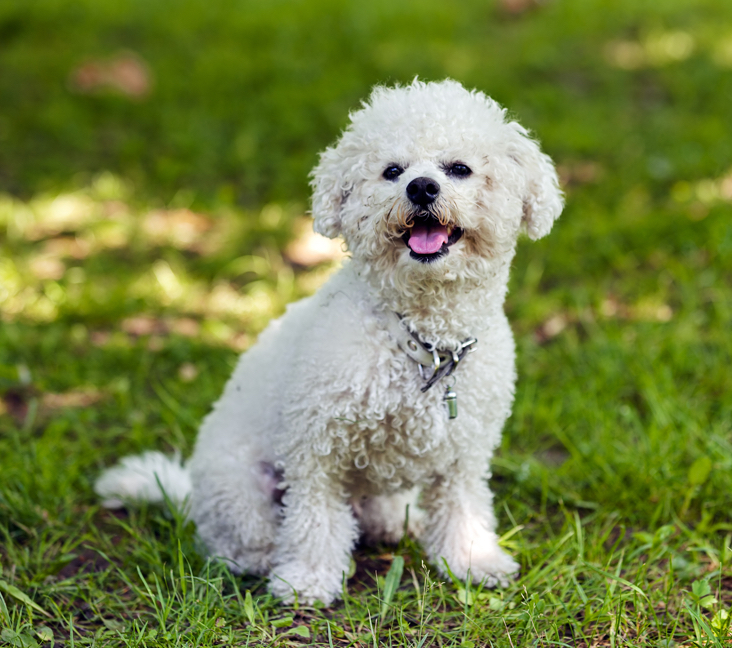
The canine kingdom offers endless choices, yet the Bichon Frise consistently wins hearts with its cloud-like coat and sunny personality. Small, sturdy, and endlessly charming, these dogs suit apartments, family homes, and everything in between. This overview explores the breed’s background, traits, daily needs, and the best ways to bring a healthy, happy Bichon into your life.
History and Origin of Bichon Dogs
History
Bichon-type dogs sailed the Mediterranean centuries ago, beloved by sailors and nobles alike. French traders eventually carried them across Europe, where they became favored lap warmers in royal courts. Over time, their reputation as affectionate entertainers spread, and today they rank among the world’s most popular toy companions.
Origin
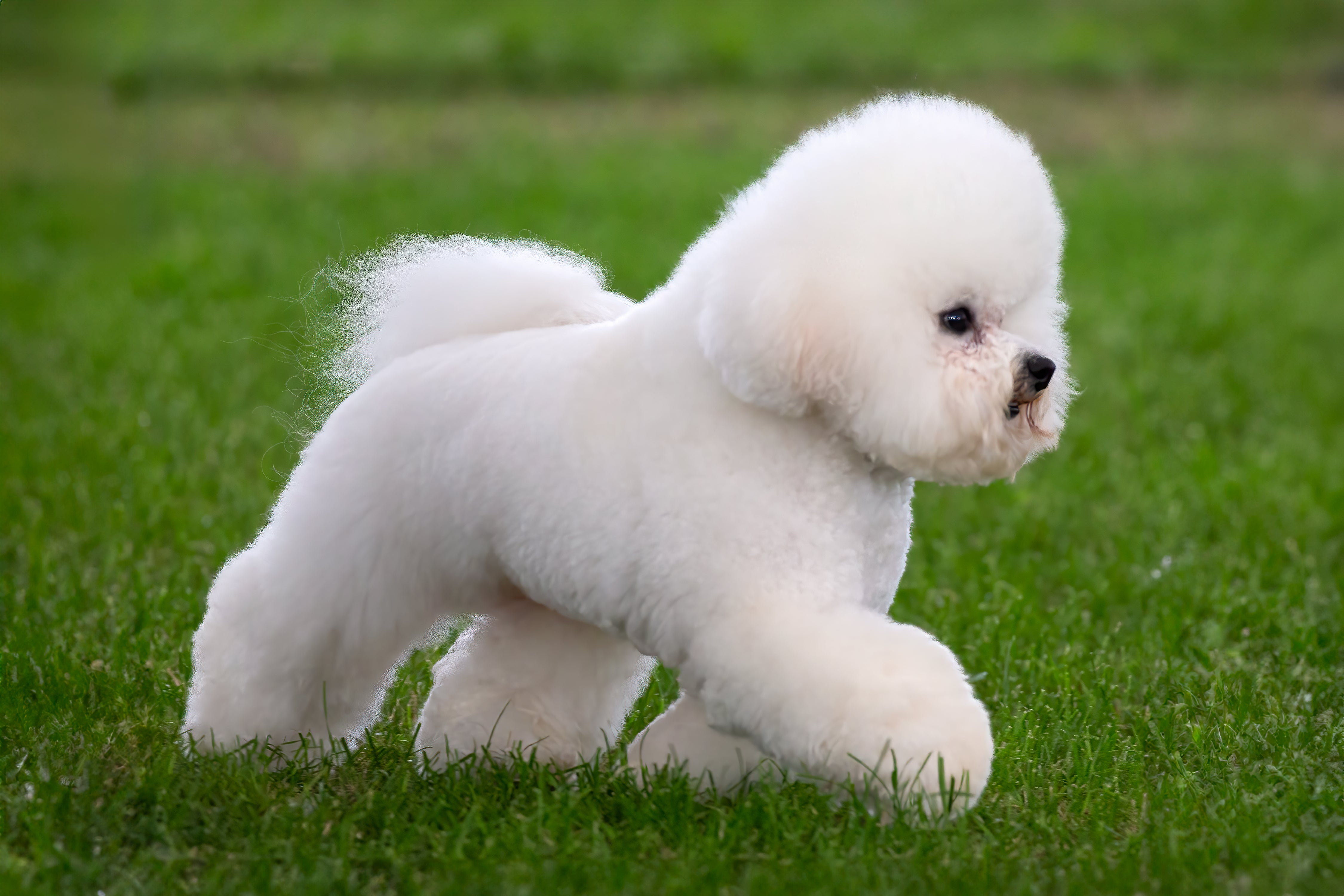
The breed’s ancestors likely include curly-coated water dogs and small Barbets. Crosses with miniature companions such as the Maltese refined the Bichon’s trademark white puff and gentle disposition.
Characteristics of Bichon Dogs
Appearance
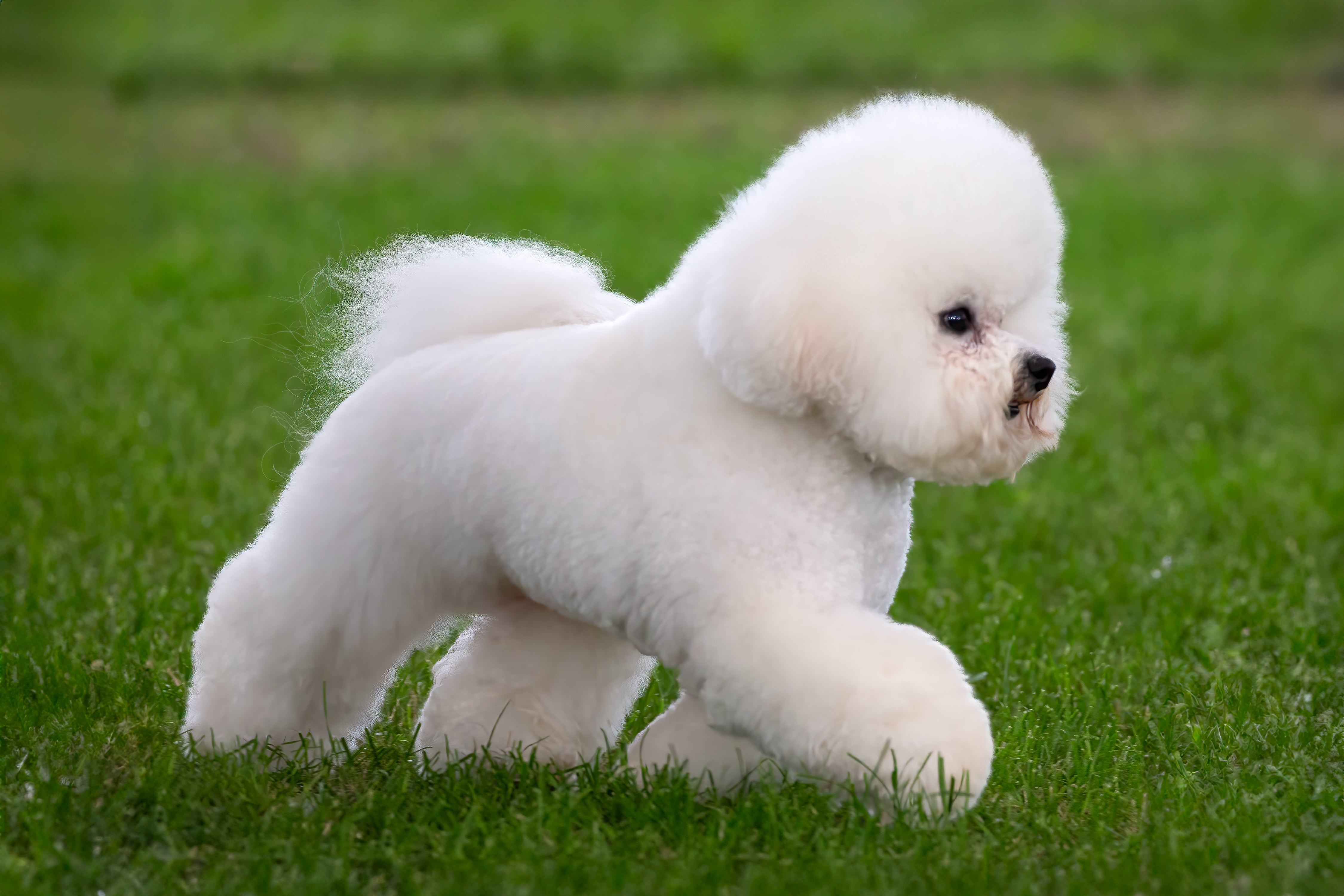
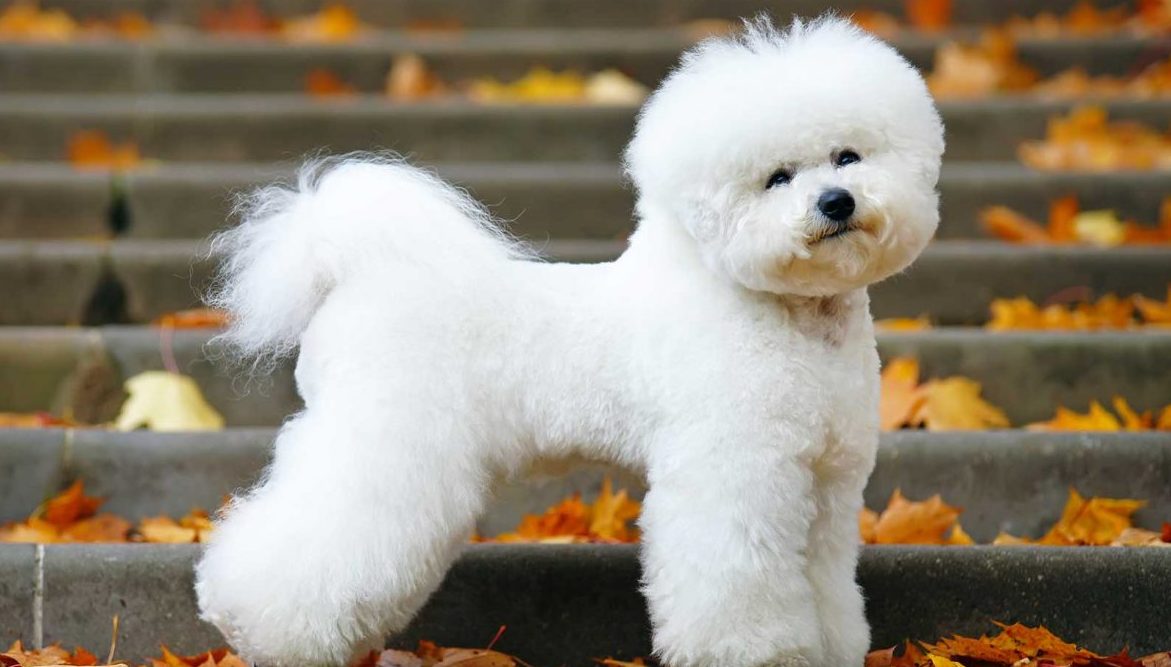
A compact frame, dark sparkling eyes, and a tail that curves over the back give the Bichon its perpetual smile. The double coat is soft underneath with a springy outer layer that can be snowy white, cream, or apricot-tinged. Adults usually stand 9–12 inches at the shoulder and weigh 10–18 pounds.
Temperament
Upbeat and people-oriented, Bichons thrive on company. They adapt well to children, cats, and other dogs, provided introductions are gentle. Intelligent and eager to please, they pick up tricks quickly and love learning games that involve their favorite humans.

Health
With good care, many Bichons live well into their teens. Owners should watch for allergies, dental tartar, and sensitive eyes—routine vet visits, tooth brushing, and coat checks keep problems in check.
Care Requirements for Bichon Dogs
Feeding
A measured portion of quality kibble suited to small, active breeds keeps weight stable. Fresh water and occasional healthy treats—carrot sticks or apple slices—round out the menu. Avoid rich table scraps to prevent tummy upsets and obesity.

Grooming
The non-shedding coat needs daily quick brushing to stop tangles, plus a full comb-through a few times a week. Monthly baths and professional trims every six to eight weeks maintain the classic powder-puff look. Regular nail trims, ear cleaning, and face wipes reduce the risk of irritation.
Exercise
Two brisk walks and a play session each day keep a Bichon content. They enjoy fetch, scent games, and beginner agility, but they’re equally happy learning new cues in the living room. Mental exercise is as important as physical activity for this bright breed.
Finding Bichon Dogs for Sale
Reputable Breeders
Seek breeders who health-test parents, raise pups indoors, and welcome questions. A clean environment, cheerful puppies, and lifetime return policy are good signs. Ask to meet at least one parent and request proof of eye, knee, and genetic screenings.
Rescue Organizations
Breed-specific rescues often have adolescents or adults in need of new homes. Adoption counselors match energy levels and lifestyles, and fees usually cover spay/neuter, vaccines, and microchips—giving a second chance to a dog already past the chewy puppy stage.
Online Marketplaces
Classified sites can be useful starting points, but verify every detail. Insist on video calls, contracts, and recent vet records; avoid sellers who offer shipping without meeting or pressure quick payments.
Conclusion
The Bichon Frise bundles beauty, brains, and affection into a portable package. Whether you adopt a seasoned companion or raise a bouncy pup, daily grooming, positive training, and plenty of togetherness will reward you with years of tail-wagging devotion.
In short, a well-chosen Bichon brings laughter, loyalty, and a cotton-ball curl of comfort to any home ready to return the love.