Pet Adoption Nearby: A Complete Guide to Welcoming a New Companion
Introduction
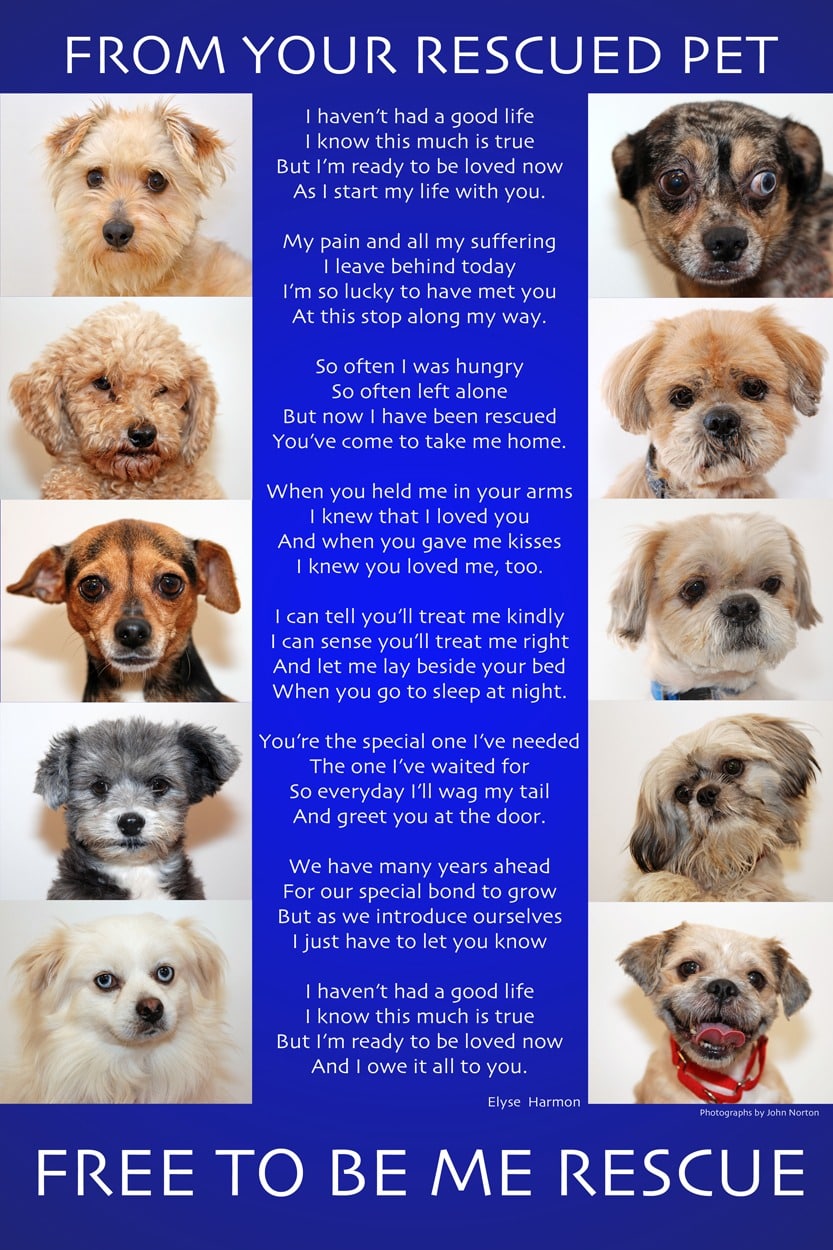
Adopting a pet in your area has become increasingly popular as more people discover the rewards of giving animals a second chance. Shelters and rescue groups are filled with dogs, cats, rabbits, and other companions waiting for permanent homes. This guide outlines the advantages of adoption, practical steps to find the right animal, and the essentials of lifelong, responsible care.

The Benefits of Pet Adoption
Emotional and Psychological Benefits
Sharing life with a rescued animal can lift mood, ease loneliness, and lower everyday stress. A pet’s steady companionship encourages routine, adds playfulness, and often sparks friendly conversations with neighbors and other pet lovers.

Financial Benefits
Adoption fees usually cost far less than breeder prices and typically cover initial vaccinations, micro-chipping, and spay or neuter surgery. Many organizations also provide post-adoption support, such as discounted training classes or medical check-ups, helping new owners save money during the first year.
Ethical Benefits

Choosing adoption helps combat animal overpopulation and reduces the number of healthy pets who might otherwise face uncertain futures. Every adoption frees shelter space for another animal in need and supports the ongoing work of rescue teams.
Finding a Pet Nearby
Researching Local Shelters and Rescue Organizations

Start by browsing the websites and social media pages of nearby shelters and foster networks. Most list available animals, personality notes, and visiting hours. Contact staff to learn about their matching process and any prerequisites for adopters.
Visiting Pet Adoption Events
Weekend meet-and-greet events at parks, pet-supply stores, or community centers gather multiple rescues in one place. Spending face-to-face time with different animals helps you gauge energy levels, grooming needs, and overall compatibility.

Online Pet Adoption Platforms
Nationwide databases let you filter by species, age, size, and temperament. After identifying a potential match, arrange an in-person visit through the listed shelter or foster home to confirm the fit.
The Adoption Process

Preparing for Adoption
Evaluate your schedule, budget, and living space. Stock basic supplies—food, bowls, bedding, toys, gates, and carriers—before bringing an animal home. Secure hazardous items and decide where your new friend will eat, sleep, and play.
Visiting Potential Pets

Meet candidates in a quiet area if possible. Observe reactions to gentle handling, basic commands, and unfamiliar sounds. Ask caregivers about health history, behavioral quirks, and socialization experiences to ensure expectations align.
Completing the Adoption Application
Expect questions about your lifestyle, previous pet experience, landlord policies, and plans for daily care. Honest answers help staff suggest the best match and outline any follow-up visits or check-ins.

Finalizing the Adoption
Once approved, review and sign an adoption contract covering identification tags, emergency contacts, and return policies. Pay the fee, collect medical records, and schedule an initial vet appointment within the first weeks.
Responsible Pet Ownership

Providing Proper Care
Offer species-appropriate nutrition, constant access to clean water, daily exercise, and a safe, enriching environment. Rotate toys, introduce puzzle feeders, and create cozy resting spots to support mental and physical health.
Regular Veterinary Care

Establish a relationship with a local clinic for annual exams, vaccinations, parasite prevention, and dental checks. Early detection of issues keeps treatment simpler and less costly.
Training and Socialization
Use positive-reinforcement techniques to teach basic manners and build confidence. Gradually expose dogs or cats to varied people, animals, and settings, rewarding calm behavior to foster adaptability.
Conclusion
Adopting nearby enriches your life while offering an animal the stability it deserves. By researching options, preparing thoughtfully, and committing to lifelong care, you create a lasting bond that benefits everyone involved.
Recommendations and Future Research
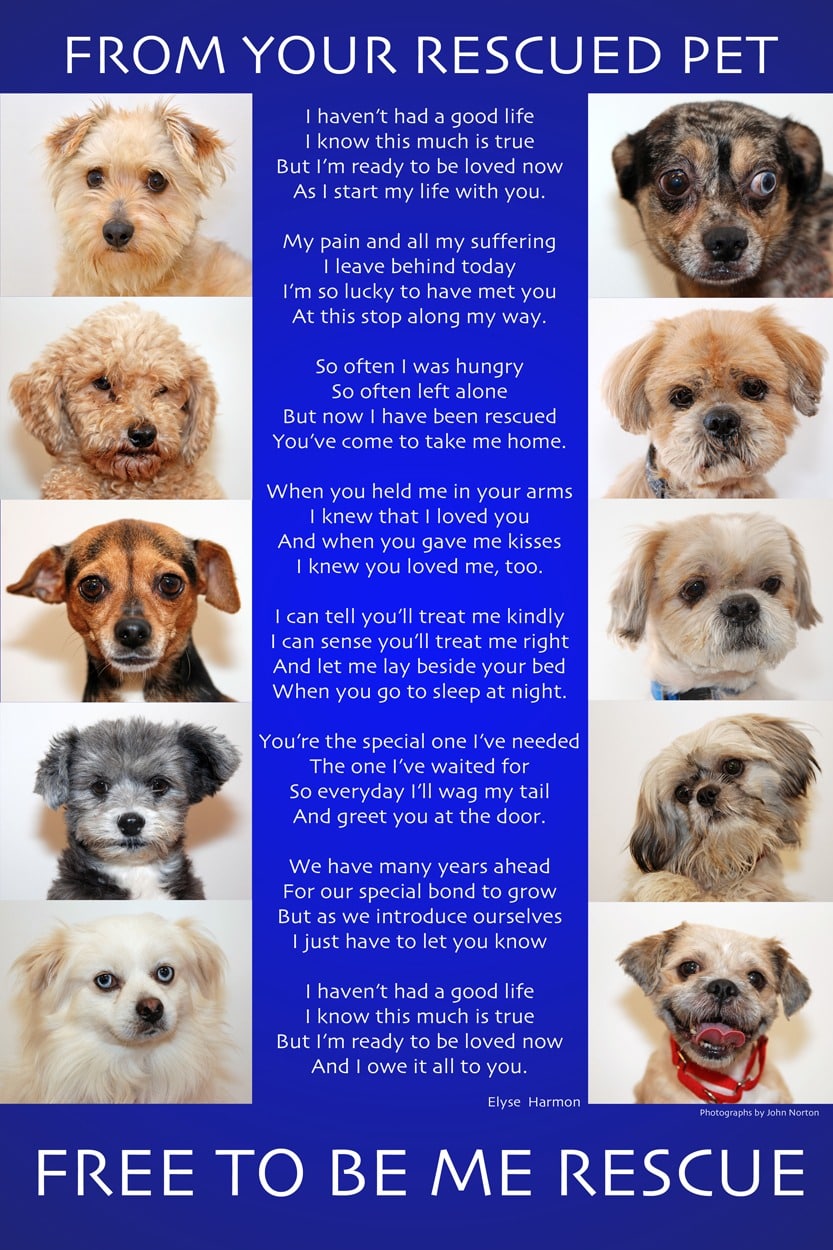
Communities can strengthen adoption success through public awareness campaigns, low-cost training programs, and partnerships between veterinarians, shelters, and local businesses. Continued study into the human-animal bond, including the role of pets in emotional support and therapy, will further highlight adoption’s wide-ranging value and encourage even more families to choose rescue.