Title: The Benefits and Challenges of Keeping Small Animals as Pets
Introduction:
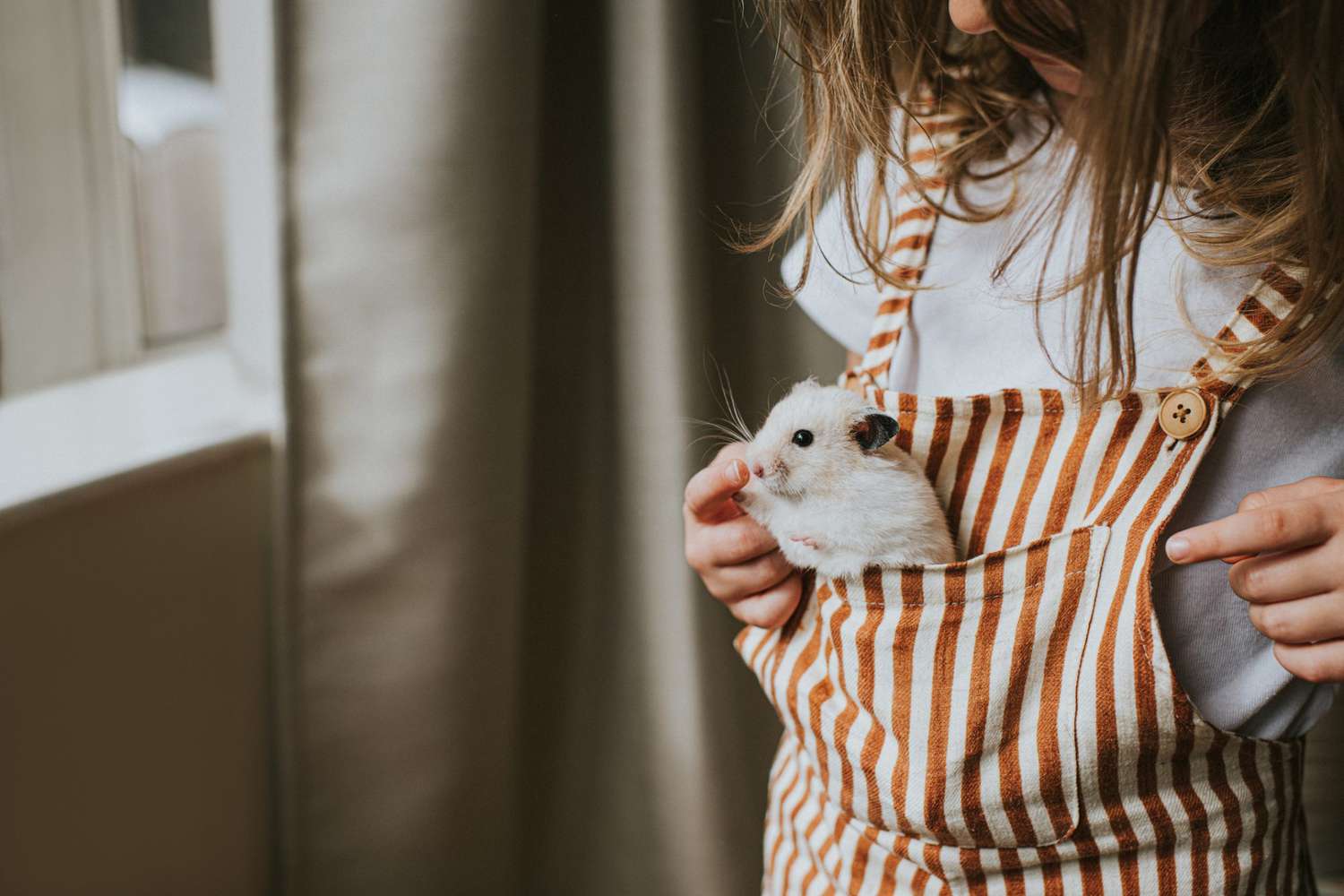
Small-animal companionship is on the rise in many households. Rabbits, guinea pigs, hamsters, and similar pets bring warmth, amusement, and daily structure to their caregivers. Yet the rewards come with real obligations. This overview weighs the joys against the demands of living with petite pets and highlights what thoughtful ownership looks like.
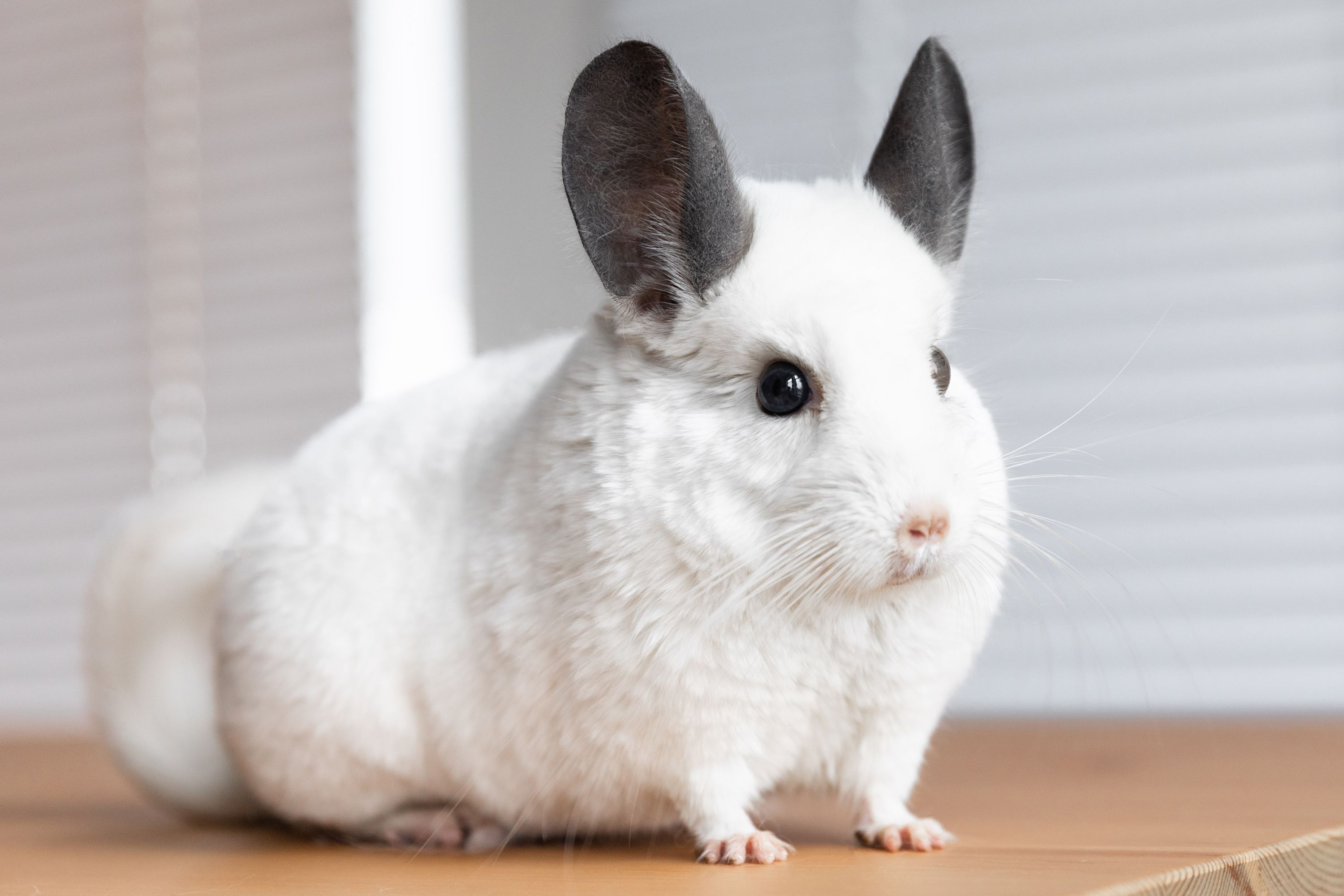
Benefits of Keeping Small Animals as Pets
1. Companionship:
A gentle rabbit or curious gerbil can ease loneliness and lift mood. Quiet presence and predictable routines often help people unwind after hectic days.
2. Responsibility:
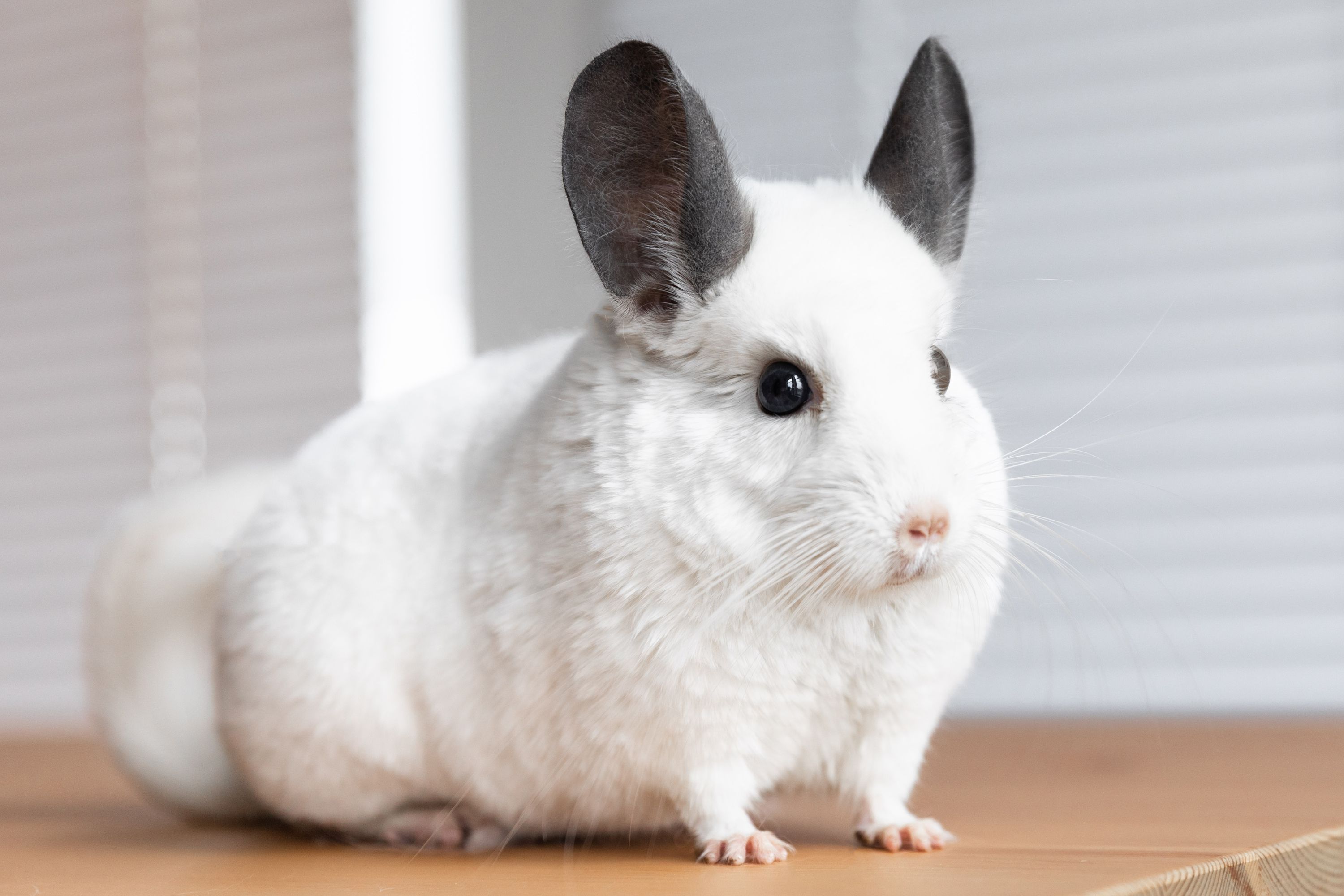
Daily feeding, cleaning, and health checks create steady habits. Children and adults alike learn time-management and empathy when another life depends on them.
3. Entertainment:
Popcorning guinea pigs, tunnel-building hamsters, or mischievous ferrets provide free, family-friendly amusement. Their quirky personalities spark laughter and curiosity.
4. Health Benefits:
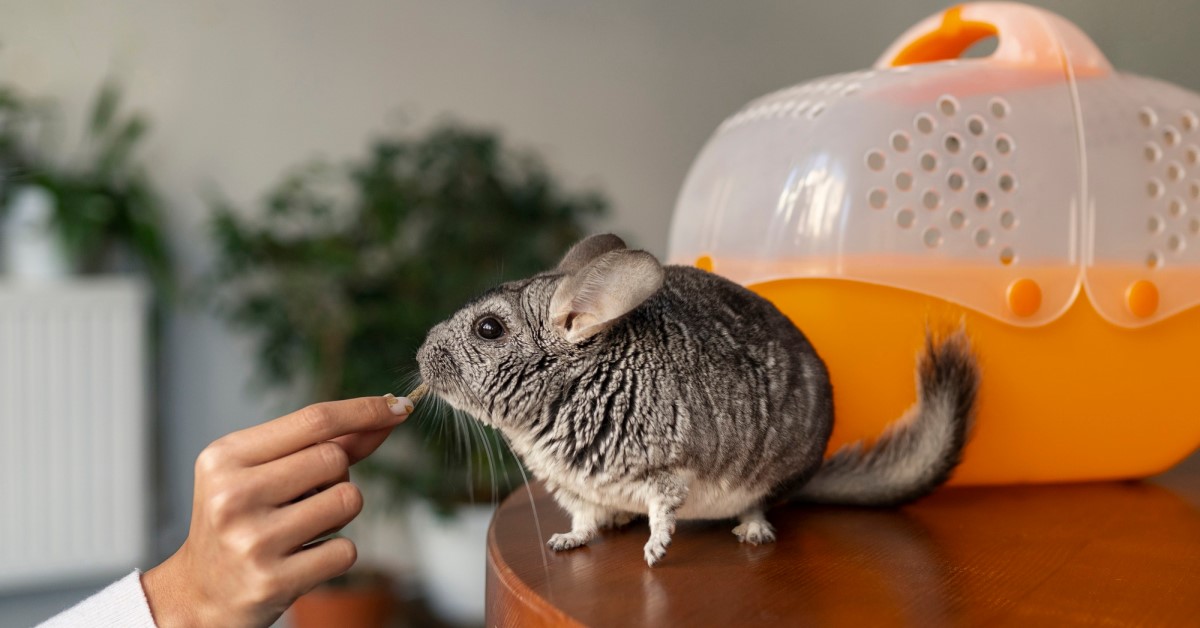
Stroking soft fur and watching playful antics can lower stress markers and encourage gentle exercise during cage maintenance or supervised floor time.
Challenges of Keeping Small Animals as Pets
1. Care and Maintenance:
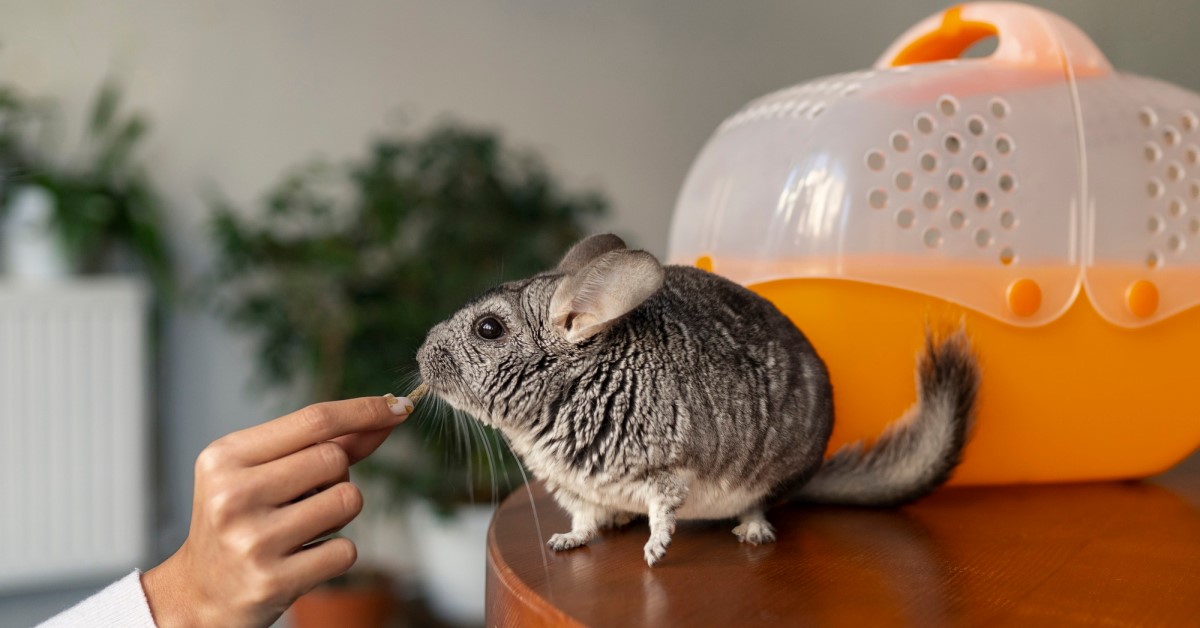
Fresh food, clean bedding, and secure housing are non-negotiable daily tasks. Travel plans or late workdays still require backup care arrangements.
2. Allergies:
Timothy hay, wood shavings, or animal dander can trigger reactions. A trial visit with the species or an allergy test is wise before adoption.
3. Lifespan:
Some pets depart after a couple of years, others may stay for a decade. Owners need to prepare emotionally and financially for the entire journey.
4. Legal and Ethical Considerations:
Local rules may restrict certain species, and moral duty demands spacious enclosures, mental stimulation, and social companions when appropriate.
Responsible Pet Ownership
To safeguard welfare, prospective keepers should:
1. Study species-specific guides on diet, housing, and social needs.
2. Set up an escape-proof habitat with room to run, hide, and explore.
3. Book regular vet visits and learn basic health checks at home.
4. Offer gentle handling and, for social species, compatible cage-mates.
5. Budget for food, bedding, and possible medical care for the pet’s full lifespan.
Conclusion:
Small pets can enrich daily life with affection, routine, and smiles, but they rely entirely on human foresight and kindness. Informed, committed care turns the challenges into manageable tasks and keeps the relationship rewarding for both parties.
Future Research:
More studies could examine how housing design, enrichment tools, and human interaction styles affect both animal welfare and owner satisfaction. Evidence-based guidelines would then help shelters, educators, and families create healthier, happier homes for these petite companions.