The Rise of Dog-Adoption Apps: Transforming How We Bring Pets Home
Introduction
Technology has quietly reshaped the way people meet their future canine companions. Mobile platforms dedicated to dog adoption now let hopeful owners explore profiles of waiting pets, schedule visits, and complete paperwork without endless phone calls or long drives. This overview looks at how these tools emerged, what they now offer, and why shelters and adopters alike are embracing them.
The Evolution of Dog-Adoption Apps
Early Beginnings
The first wave of adoption apps appeared a little over a decade ago. They were little more than searchable photo galleries linked to shelter email addresses. Navigation felt clunky, updates arrived slowly, and many users still printed forms and mailed them in.

Modern Features
Current apps provide a smoother journey from curiosity to confirmation:
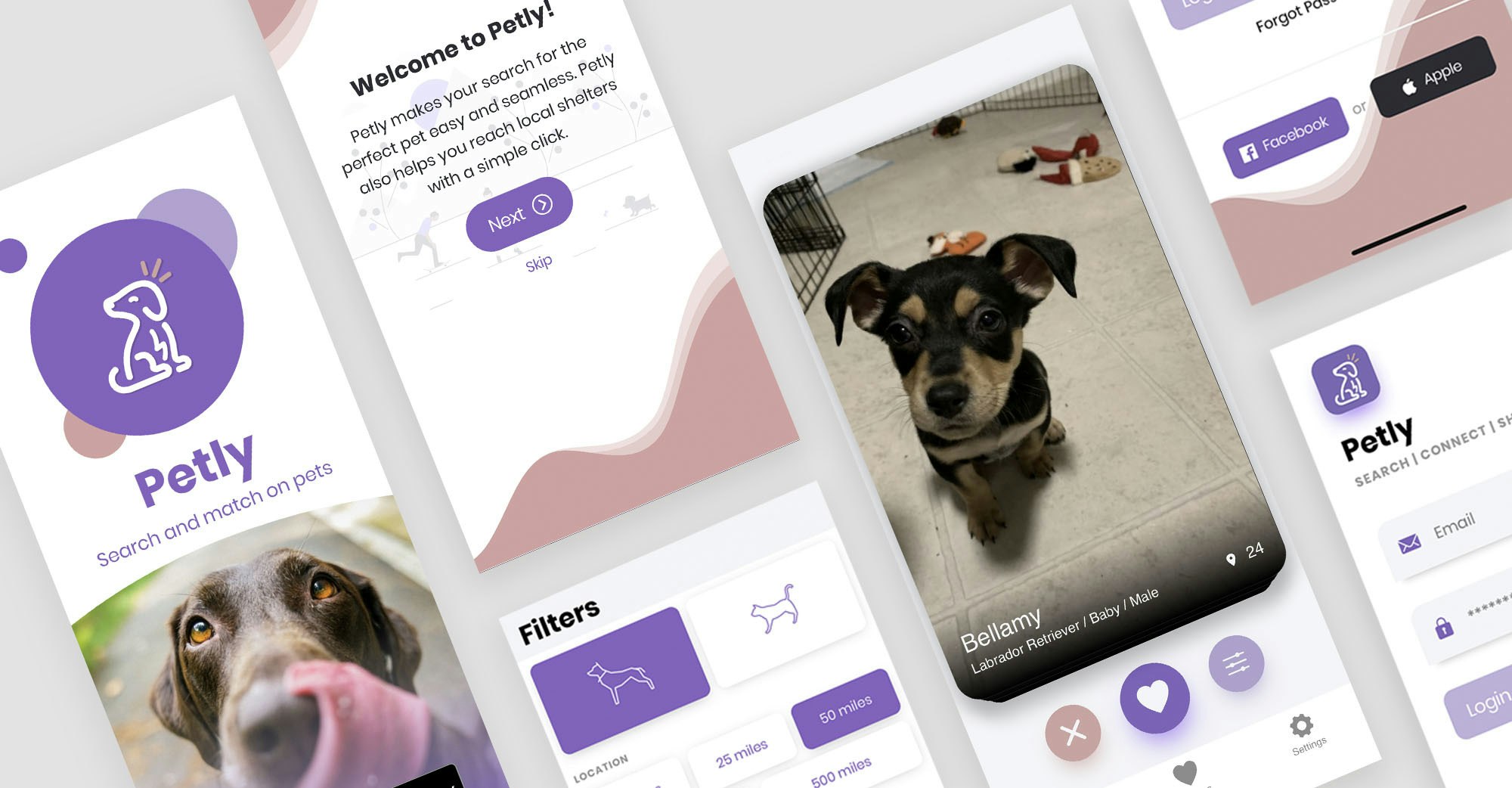
– Rich Pet Profiles: High-resolution photos, short videos, personality tags, and care notes give a realistic preview of each dog.
– Location Tools: Interactive maps highlight nearby shelters, weekend adoption events, and foster meet-ups.
– In-App Paperwork: Secure forms, reference checks, and fee payments can be handled within a few taps.
– Social Spaces: Forums, post-adoption tips, and photo-sharing circles keep new owners supported long after the big day.
The Impact of Dog-Adoption Apps

Reducing Pet Homelessness
By widening the audience for every listed dog, these platforms shorten shelter stays. When more people see accurate, appealing profiles, adoption rates rise and kennel space opens for the next animal in need.
Increased Accessibility
Rural residents, busy parents, and people without reliable transport can browse available dogs after work, on weekends, or during a lunch break. Virtual meet-and-greet options further lower the barrier for those with mobility challenges.
The Benefits of Dog-Adoption Apps
Enhanced User Experience
Swipe-friendly galleries, compatibility quizzes, and instant chat with shelter staff turn a once-daunting search into an engaging journey. Push reminders keep applicants on track without repeated phone tag.
Increased Shelter Visibility
Small rescue groups gain the same screen presence as large city shelters. A single post can reach thousands of local users overnight, giving overlooked dogs a sudden spotlight and freeing staff to focus on care rather than marketing.
Case Studies
Success Stories
Across several platforms, dogs that spent months in kennels have moved to loving homes within days of appearing online. Senior pets, shy mixes, and dark-coated breeds—traditionally harder to place—now attract adopters who arrive already smitten after watching a short profile clip.
Challenges and Future Directions
Challenges
Information can become outdated if shelters lack time to refresh listings. Some potential adopters still worry about health or behavior surprises, and others struggle to choose among dozens of appealing profiles.
Future Directions
Next-generation tools are likely to include:
– Real-Time Updates: Automatic syncing with shelter databases to keep age, weight, and availability current.
– Video Meet-ups: Live virtual walks or play sessions to assess chemistry before the car ride.
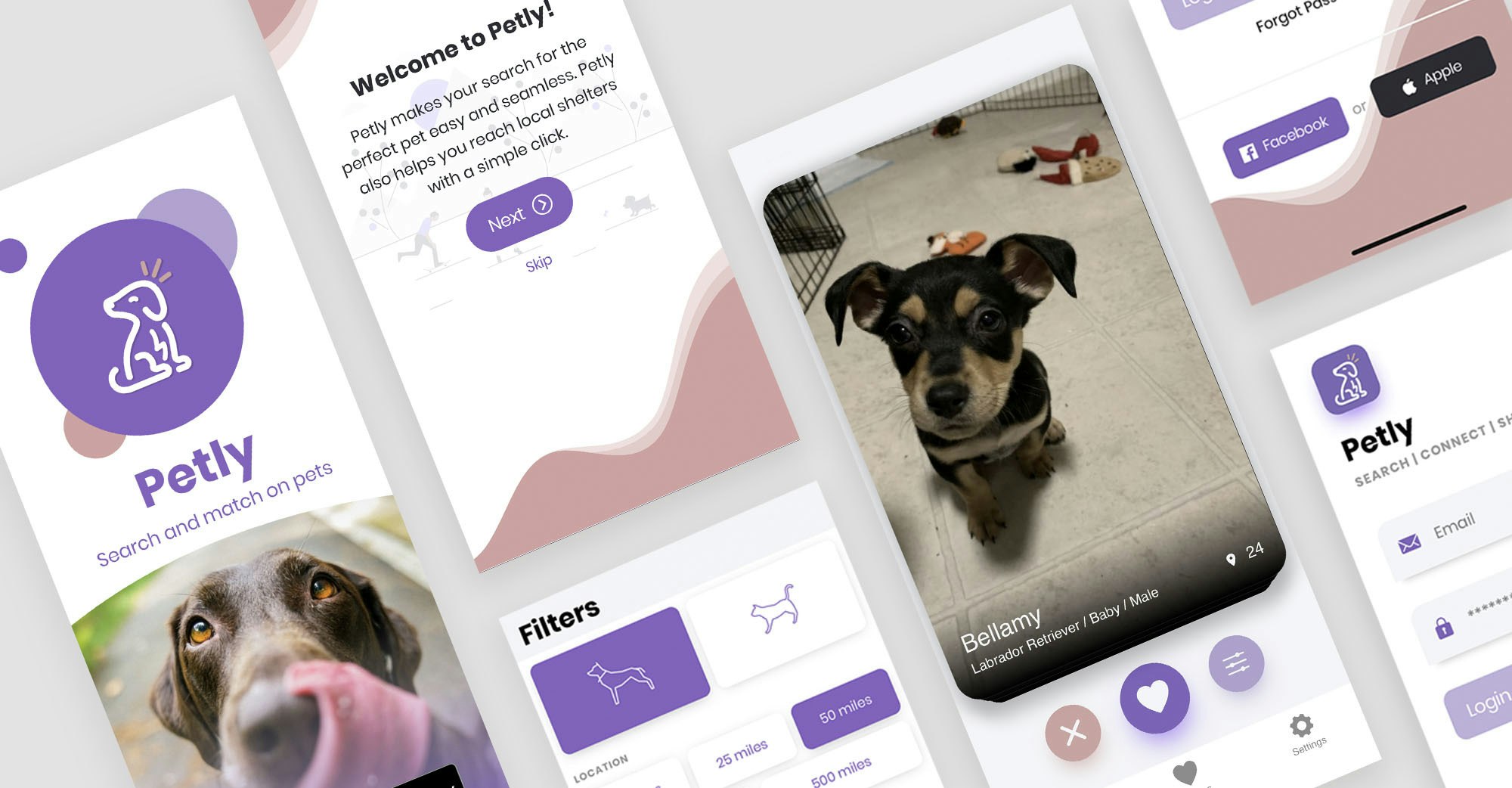
– Post-Adoption Support: Built-in training tips, vet-finder maps, and owner communities that reduce returns and strengthen bonds.
Conclusion
Dog-adoption apps have moved the adoption journey from crowded shelter corridors to the palm of a hand, benefiting pets and people alike. As developers refine design and shelters embrace digital habits, more dogs will trade waiting kennels for warm beds, and more families will discover the simple joy of a wagging tail greeting them at the door.