The Importance of Welcoming a Puppy into Your Life
Introduction
Bringing a puppy home sparks excitement, tenderness, and, for many, a few nerves. A young dog can fill rooms with laughter and paws with muddy prints, yet the same bundle of energy also demands daily guidance, patience, and steady budgeting. This overview weighs the rewards against the realities so that anyone thinking about a four-legged companion can decide with confidence and clarity.
The Benefits of Getting a Puppy
Emotional Support
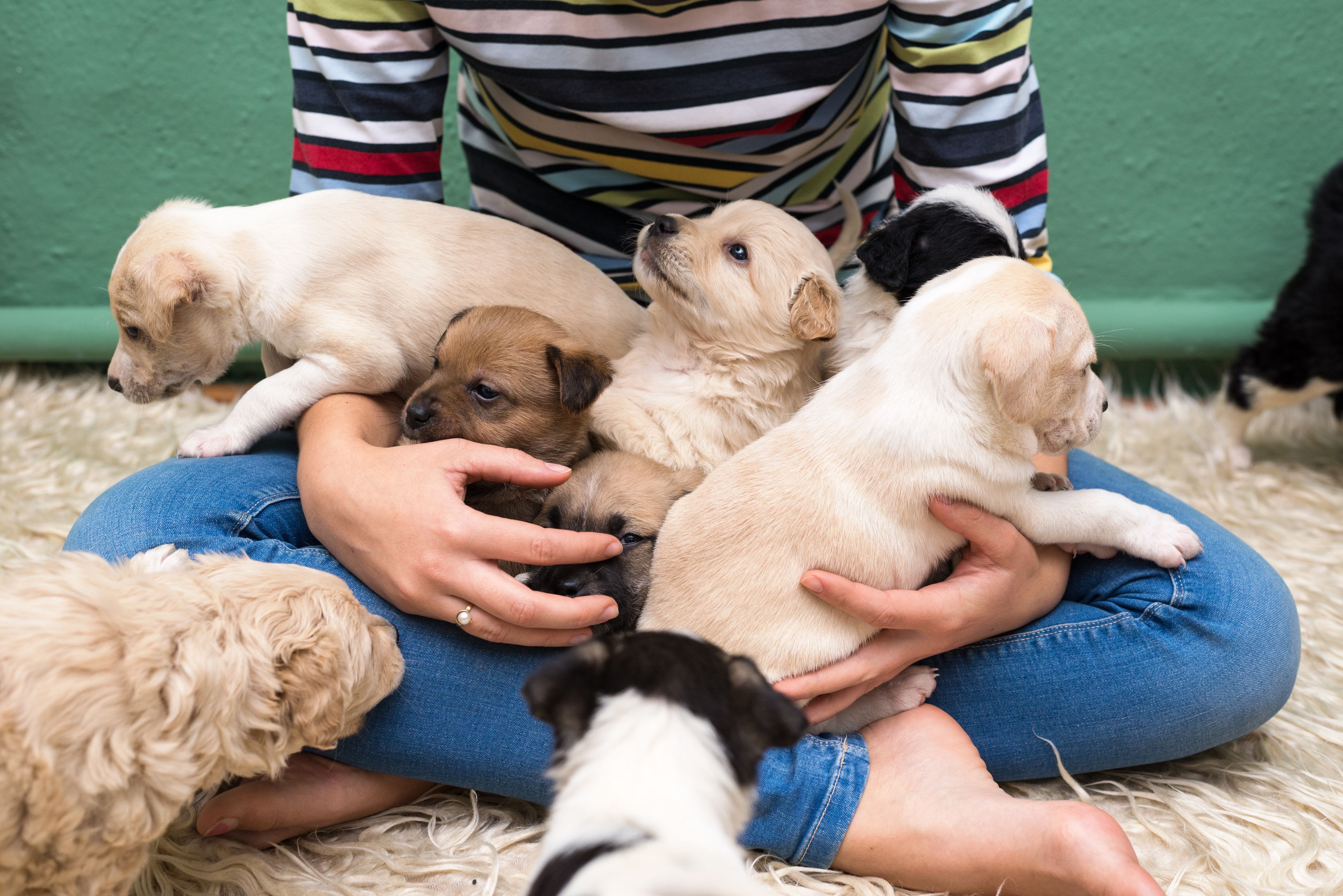
A wagging tail at the door is a powerful mood-lifter. Canine company offers steady affection, a listening ear that never interrupts, and a sense of routine that can calm anxious minds. Mental-health professionals often note that the simple presence of a dog can ease tension and encourage owners to stay present, smile more, and worry less.
Physical Health Benefits
Puppies turn passive afternoons into brisk walks and spontaneous play sessions. Regular activity keeps hearts healthier, waistlines trimmer, and joints looser. Even quiet moments matter: stroking soft fur can slow breathing and nudge blood pressure downward, adding a gentle, therapeutic rhythm to the day.
Social Benefits
Dogs are natural ice-breakers. A leash in hand invites conversation on sidewalks and in parks, helping neighbors become friends and strangers become familiar faces. Group training classes, dog-friendly cafés, and community charity walks widen social circles in ways that feel effortless and fun.
Challenges of Getting a Puppy
Time and Commitment
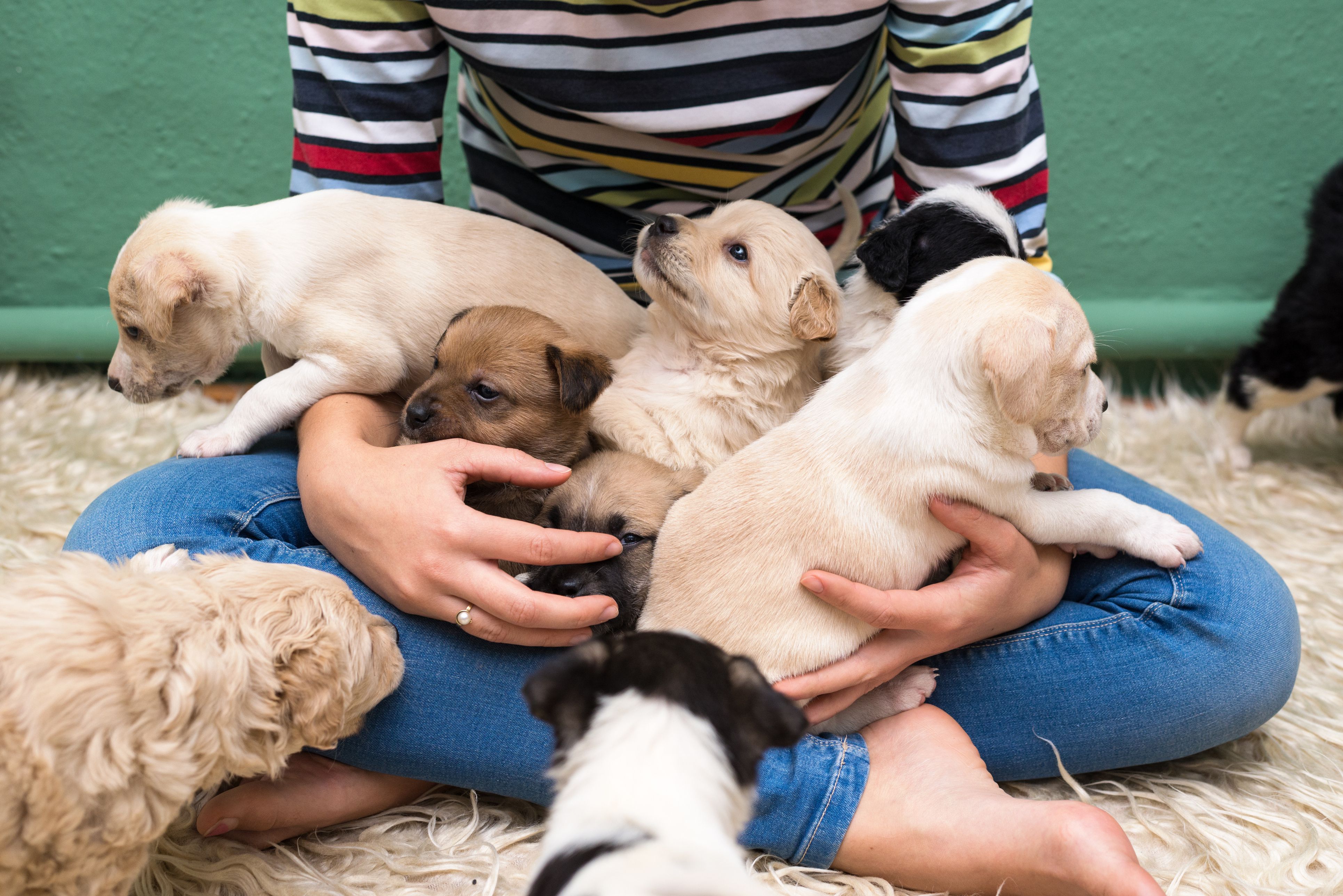
Young pups thrive on structure: dawn bathroom breaks, midday play, evening training, and plenty of patience in between. Miss a few sessions and shoes may suffer, carpets may stain, and progress may stall. Prospective owners need to map out daily schedules, vacation plans, and backup help before the first bark echoes through the house.
Financial Costs
Food, vaccinations, parasite prevention, grooming tools, sturdy toys, and the occasional chewed furniture repair add up quickly. Emergency care can stretch budgets further. A clear, realistic spending plan—ideally with a buffer for surprises—prevents tough choices later.
Behavior and Training
Accidents on the rug, 2 a.m. whimpers, and ankle-nipping are normal phases, not personality flaws. Consistent guidance, upbeat rewards, and short, fun lessons turn chaos into cooperation. Some breeds learn at lightning speed; others prefer a slower pace, so researching temperament and energy levels helps match lifestyles.

Responsible Pet Ownership
Adoption vs. Breeding
Shelters and rescue groups overflow with puppies and young dogs waiting for fresh starts. Choosing adoption frees space for another homeless animal and often includes initial vaccinations and microchipping. Those who prefer a specific breed should seek transparent, welfare-focused breeders who screen for health and never operate as factories.
Training and Socialization
Early, gentle exposure to varied sights, sounds, people, and other animals builds confidence and prevents fear-based reactions. Short, positive sessions sprinkled throughout the day beat marathon lessons, and tasty treats paired with praise create eager learners.
Regular Veterinary Care

A trusted veterinarian becomes a partner in prevention: setting vaccination schedules, spotting subtle issues, and advising on nutrition, dental care, and aging changes. Routine checkups cost far less—and hurt far less—than crisis interventions down the road.
Conclusion
Opening your door to a puppy reshapes daily life with laughter, motion, and affection, yet the same decision also writes daily to-do lists in slobbery ink. Honest reflection on time, finances, and long-term commitment turns impulse into informed choice. When adoption is thoughtful, training is patient, and healthcare is proactive, the result is a balanced partnership that rewards both species for years to come.