Title: How Free Rehoming Platforms Support Animal Welfare
Introduction:
Animal welfare has become a growing concern worldwide, prompting communities to seek practical ways to protect and care for pets. Among the most helpful tools are free online rehoming platforms that link people who must give up a companion animal with those ready to adopt. This article examines how these services strengthen animal welfare, the obstacles they encounter, and the steps that can improve their impact.
Benefits of Free Rehoming Platforms
Free rehoming websites offer a quick, user-friendly method for guardians to find loving new homes for their pets. Listings typically cover dogs, cats, birds, and small mammals, giving adopters a broad choice and increasing the chance of a good lifestyle match.
By moving animals directly from one home to another, these platforms ease pressure on crowded shelters and reduce the risk of euthanasia due to space limits. Fewer shelter intakes also free resources for medical care, behavior support, and community outreach.
Challenges Faced by Free Rehoming Platforms
One persistent problem is impulsive relinquishment. Owners sometimes post a pet without fully grasping the long-term commitment involved, leading to repeated cycles of surrender and rehoming that stress the animal.
Another concern is inconsistent screening. When sites lack thorough checks, pets may end up in homes that are unprepared for their needs, increasing the possibility of neglect or later abandonment.
Best Practices for Free Rehoming Platforms
To raise standards across the board, platforms can adopt the following measures:
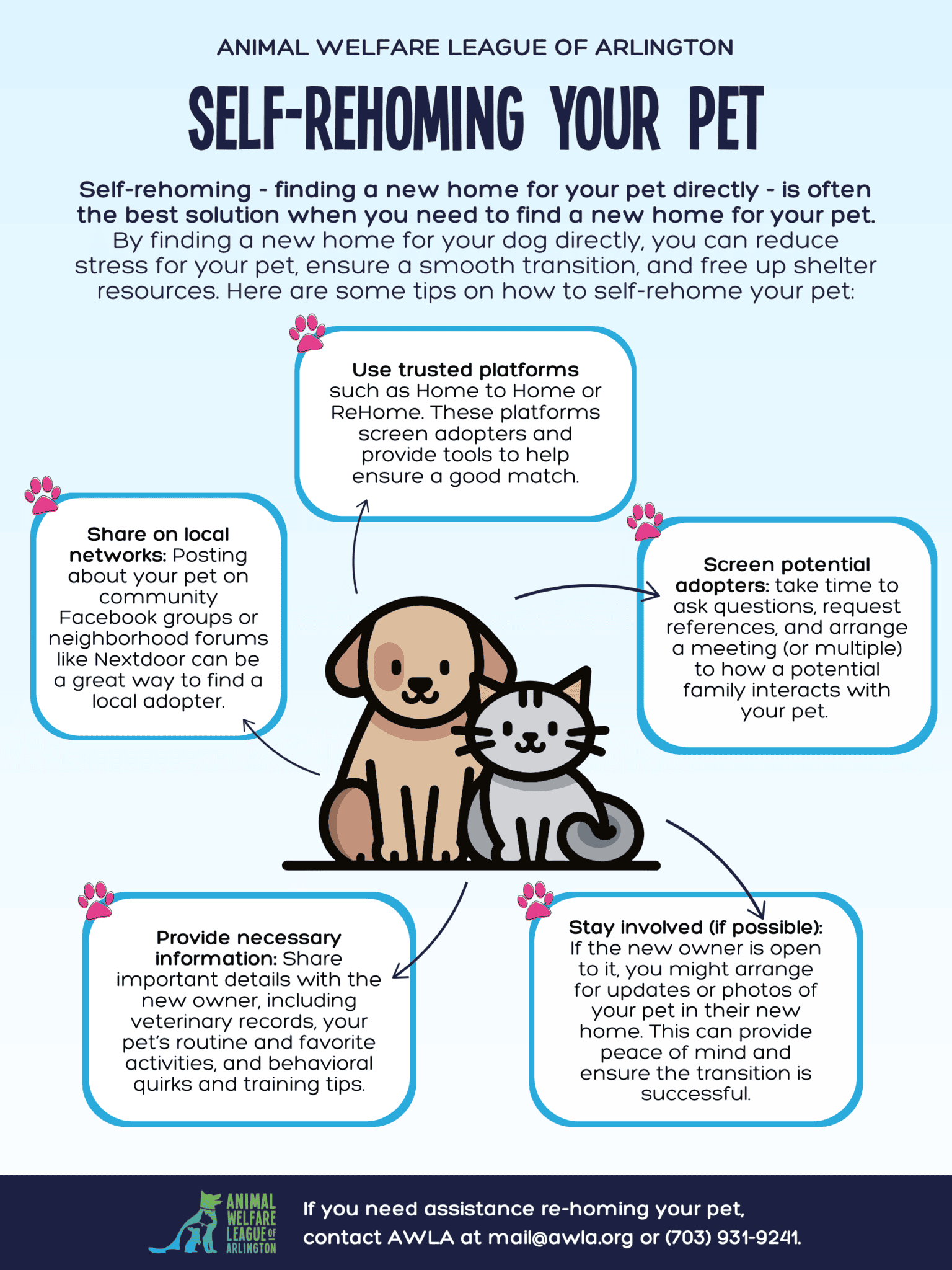
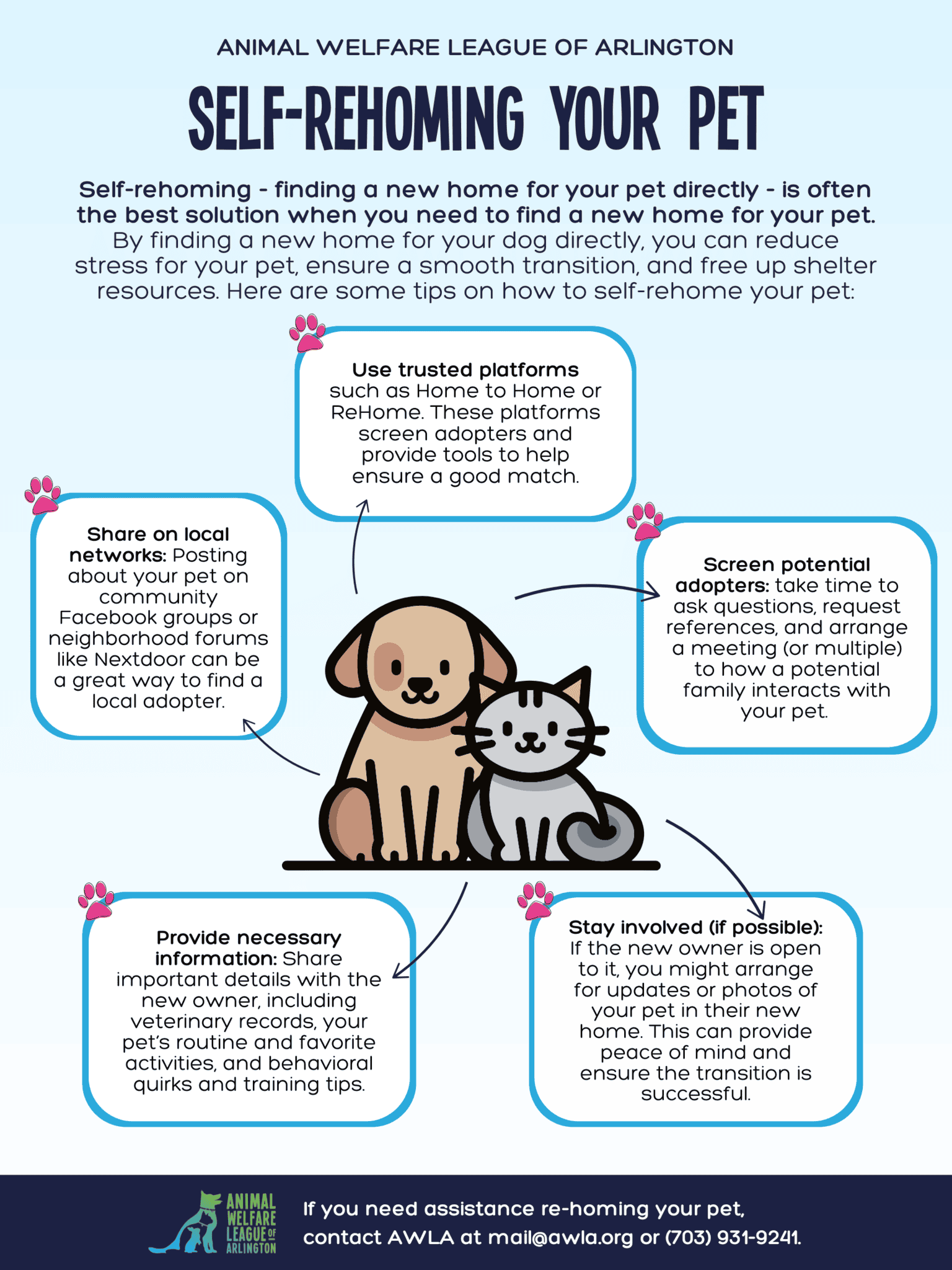
1. Require detailed applications, reference checks, and virtual or in-person home visits before approving an adoption.
2. Provide clear guidance on costs, exercise, training, and lifelong care so that prospective guardians know what to expect.
3. Partner with shelters, veterinarians, and trainers to share resources, run joint events, and offer post-adoption support.
Success Stories and Testimonials
Many guardians report smooth, happy transitions after using reputable rehoming sites. Adopters often describe increased emotional well-being, while former owners express relief at seeing their pet welcomed into a secure new household. Over time, these positive experiences encourage more people to choose direct rehoming instead of surrendering to a shelter.
Future Prospects and Recommendations
As digital tools evolve, rehoming networks can become even safer and more efficient. Key goals include:
1. Creating a uniform, welfare-focused adoption checklist that every participating user follows.
2. Working alongside municipal agencies and nonprofit groups to tackle the root causes of pet relinquishment, such as housing restrictions or veterinary costs.
3. Investing in secure messaging, identity verification, and educational videos to build trust and streamline the process for both people and pets.
Conclusion:

Free rehoming platforms serve a vital function in animal welfare by connecting pets with new families quickly and compassionately. When operators apply strong safeguards, educate users, and collaborate with broader welfare networks, these services save lives and strengthen the human-animal bond for years to come.