Title: The Significance of Pet Locator Tags in Modern Society
Introduction
In today’s fast-moving world, companion animals have become beloved members of countless households, offering comfort, emotional support, and daily joy. Yet, as people travel more and cities expand, pets sometimes wander away from home. A simple safeguard—the locator tag—helps bridge the gap between a lost animal and a worried guardian. This article examines why these small devices matter, how they help, and the innovations that continue to improve them.
Understanding Pet Locator Tags
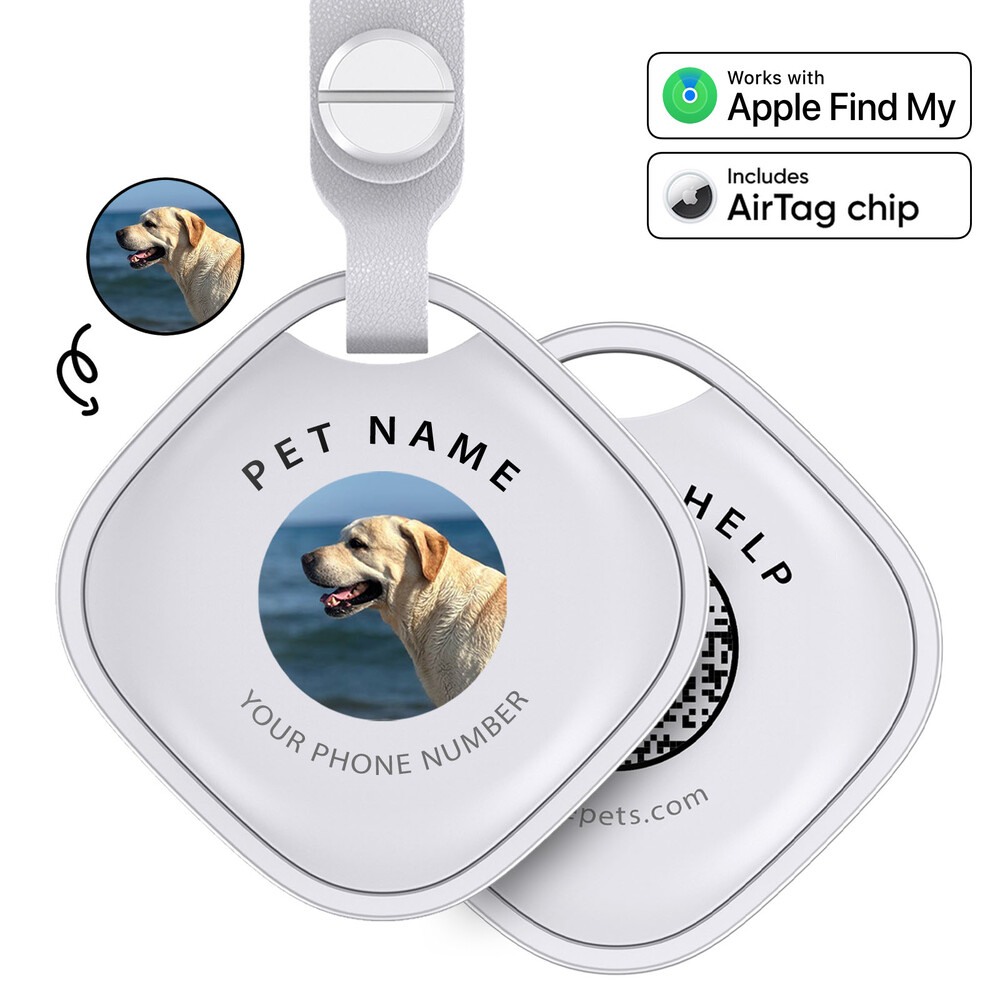
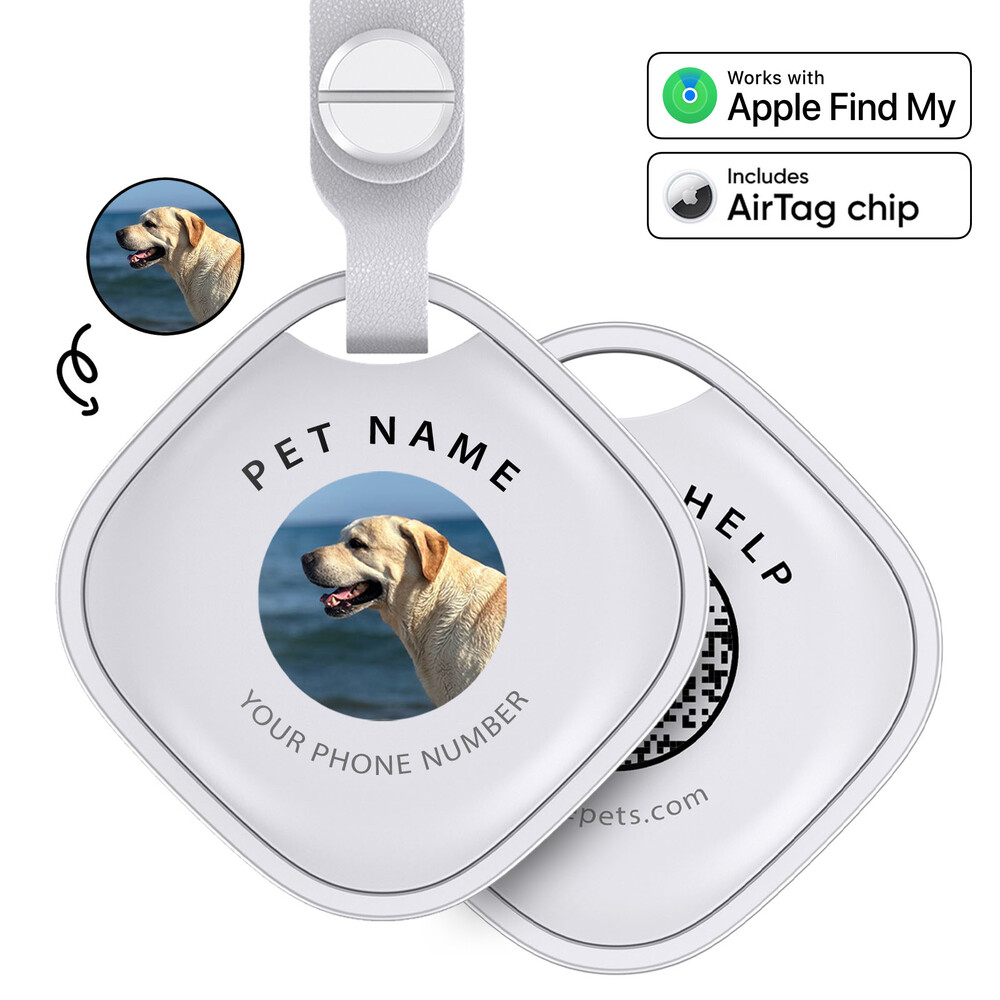
A pet locator tag is a lightweight, weather-resistant disc that fastens to a collar. It usually displays the animal’s name, a contact number, and sometimes a short message such as “I’m microchipped.” If someone finds a roaming pet, the information on the tag provides an immediate way to reach the owner without relying on external equipment.
Benefits of Pet Locator Tags
1. Faster reunions: A visible tag allows anyone who finds a pet to initiate contact right away, dramatically shortening the time the animal spends away from home.
2. Deterrent to theft: A clearly identified pet is a less attractive target, because the tag signals that the animal is traceable.
3. Emergency assistance: Should a pet be injured while away from home, responders can quickly locate the owner to authorize urgent care.
4. Owner confidence: Knowing a pet wears up-to-date ID reduces anxiety during walks, vacations, or daily life.
Technological Advancements in Pet Locator Tags
Modern tags do far more than display static text. Recent developments include:
1. QR-code tags: Scanning the code with a smartphone opens a secure profile that can hold multiple phone numbers, medical notes, and even reward information—without revealing personal details to casual observers.
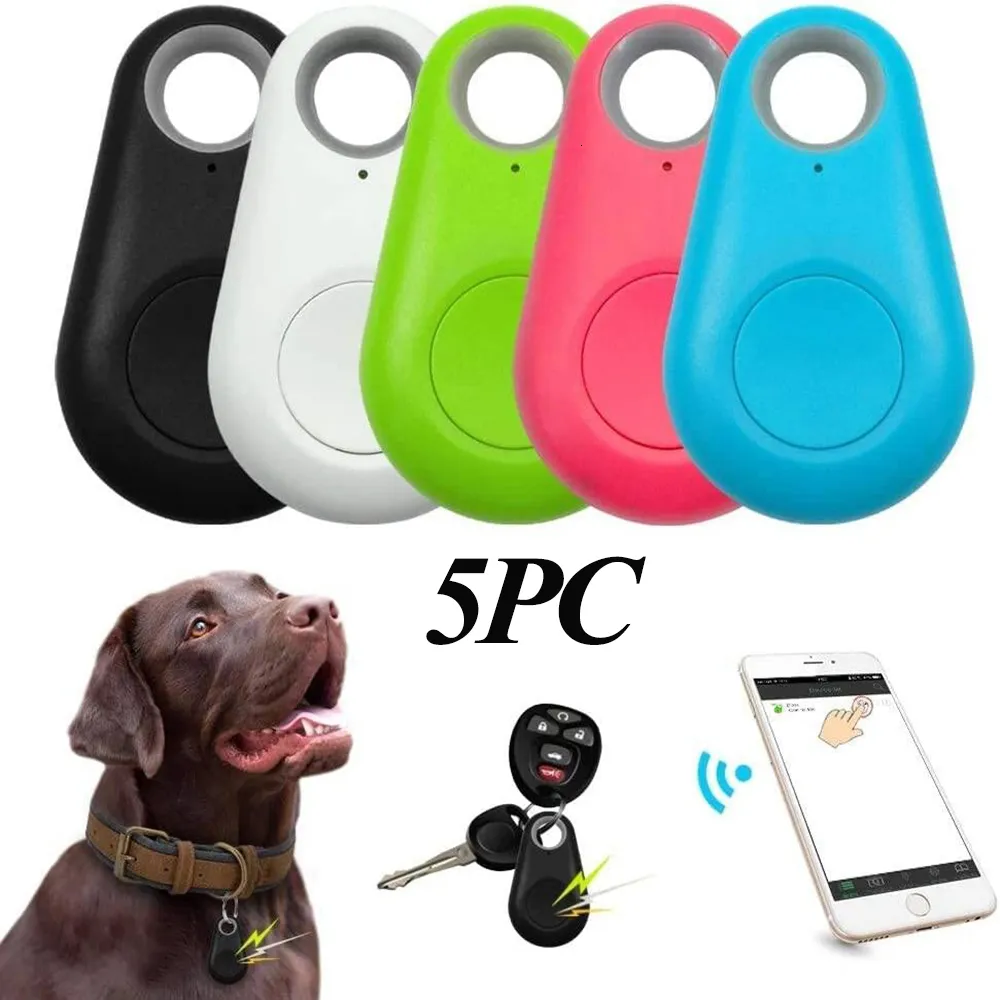
2. GPS-enabled collars: When a pet leaves a predefined safe zone, the device sends real-time location updates to the owner’s phone, making search efforts more precise.
3. NFC discs: Near-field communication chips let veterinarians or shelters tap the tag against a reader to access verified ownership data, even if the collar clasp is too tight to read engraved text.
Case Studies and Success Stories
A golden retriever slipped out during a thunderstorm and was discovered five kilometers away. The finder dialed the number engraved on the tag, and the pair reunited within an hour. In another instance, an indoor cat stowed away inside a delivery van and ended up in a neighboring town. The tag’s QR code led the local clinic to the owner’s online profile, and the adventurous feline returned home the same evening.
Conclusion
Locator tags remain one of the simplest, most cost-effective tools for protecting animal companions. They transform every passer-by into a potential helper and give owners a practical way to recover a missing pet quickly. As technology evolves, these unobtrusive accessories will continue to save time, worry, and lives.
Recommendations and Future Research
To maximize their impact, stakeholders can focus on three areas:
1. Education: Veterinary clinics, shelters, and pet-supply stores can display reminders about keeping tags current and checking them monthly for wear.
2. Standardization: Encouraging manufacturers to adopt universal data formats would allow any scanner or smartphone to read encrypted information, speeding up reunions.
3. Battery-free solutions: Research into kinetic or solar power could eliminate charging cycles for smart tags, making advanced features accessible to more owners.
By combining common-sense tagging with emerging innovations, communities can ensure that every lost pet has a clear ticket home.