Find My Pup: A Complete Guide to Reuniting with Your Missing Dog
Introduction
Losing a four-legged family member can feel overwhelming. The idea that your companion is out there alone sparks immediate worry. This guide walks you through practical steps to bring your dog home safely, using the phrase “find my pup” to keep the focus on swift reunion.
Understanding the Challenges
The Nature of Canine Wanderlust
Dogs explore with their noses, sometimes slipping through open gates or backing out of collars. Recognizing why they wander helps you predict where they might go next.
Time Matters
Every hour counts. A quick response reduces risks and widens the safety net before your dog travels farther.
Preparing for the Search
Gather Key Details
Note your dog’s breed, color, size, age, and any unique features. A clear mental picture speeds up conversations with neighbors and shelters.
Create an Eye-Catching Poster
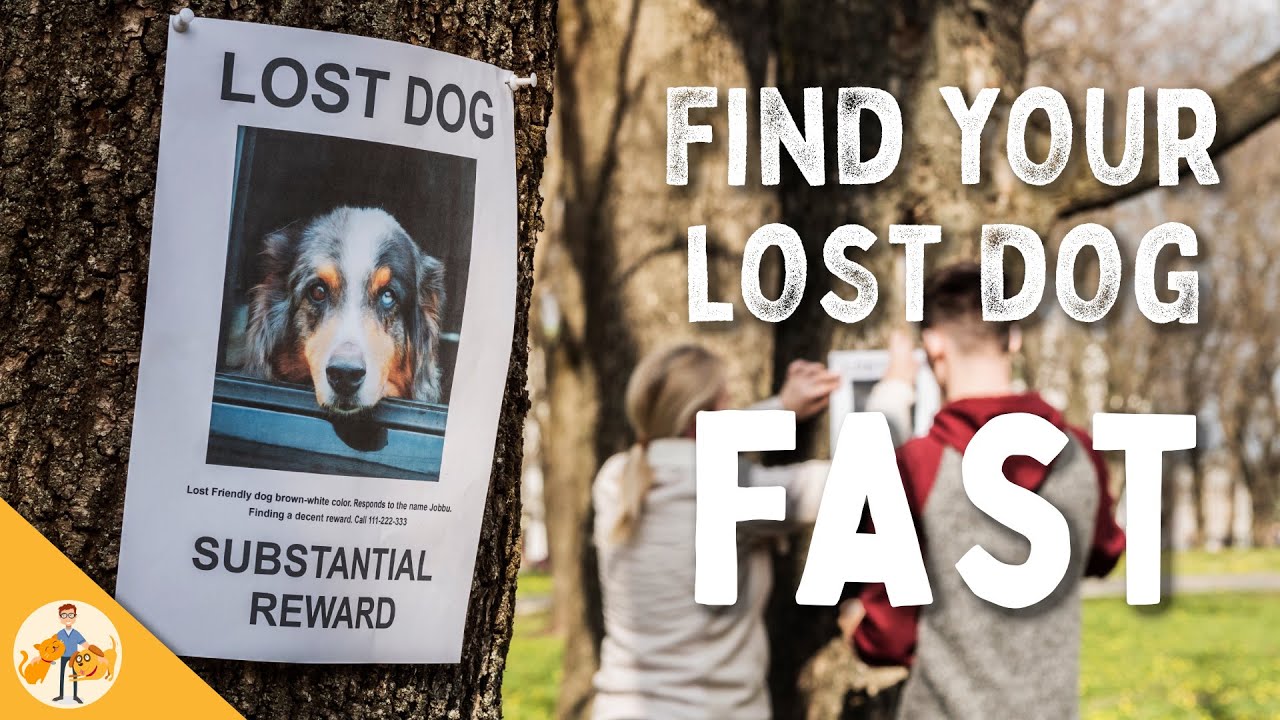
Use a recent photo, a short description, and a simple “How to Reach You” line. Post them on community boards, at parks, and near schools.
Leverage Social Networks
Share a bright, clear image online and ask friends to repost. Local pet groups and neighborhood apps multiply your reach within minutes.
Active Search Strategies
Hit the Streets
Walk the area where your dog was last spotted, calling calmly and listening for jingling tags. Bring flyers to hand out on the spot.
Alert Local Hubs
Phone nearby shelters, vet clinics, and rescue teams. Email them the same photo you posted so staff can compare it to new arrivals.
Rally the Neighborhood
Knight riders on bikes, kids on scooters, and evening dog walkers can all become extra eyes. A quick group chat keeps everyone updated.
Advanced Techniques
Microchips
A tiny chip under the skin gives your dog a silent ID. When found, any clinic can scan it and contact you instantly.
GPS Collars
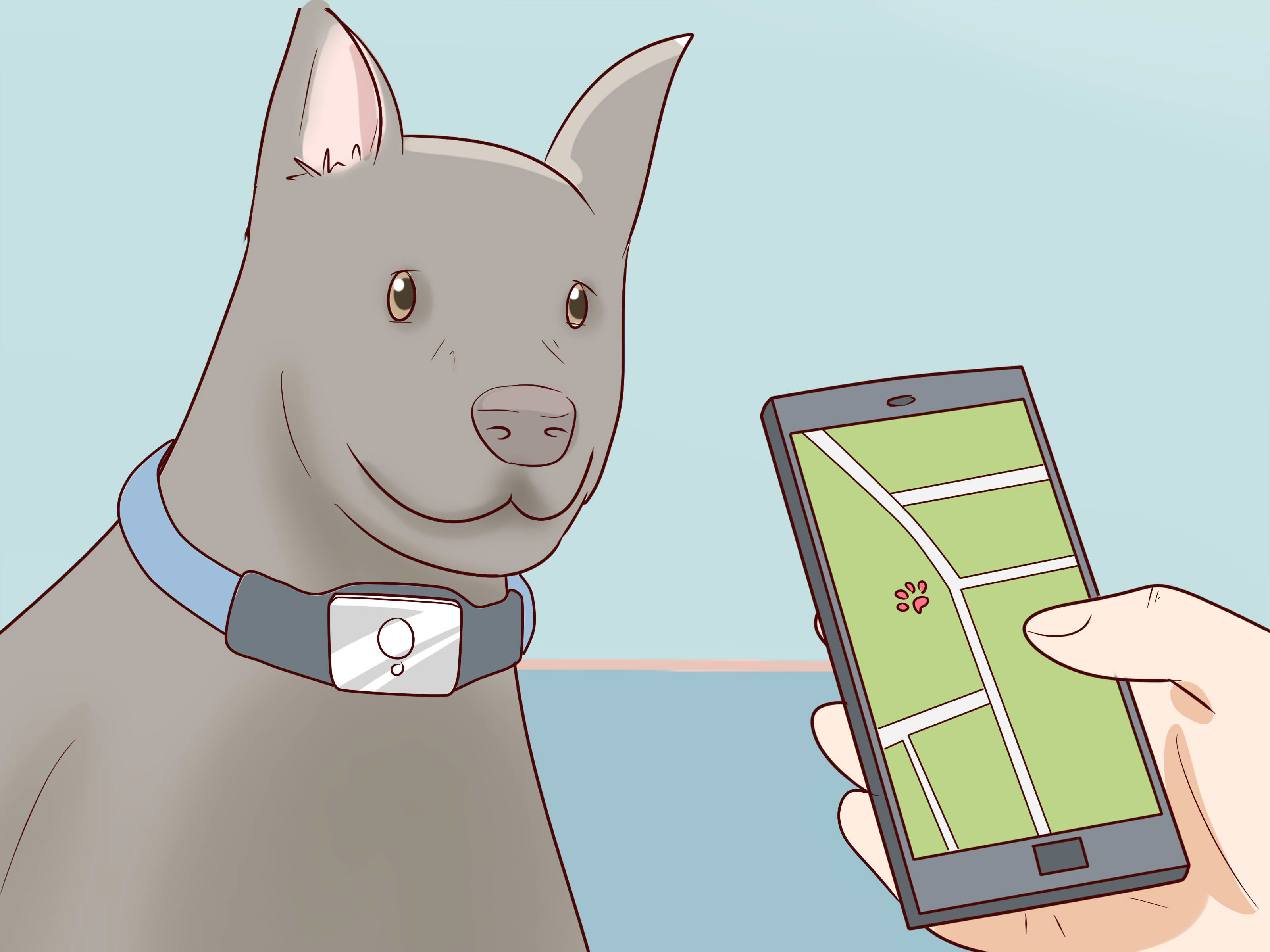
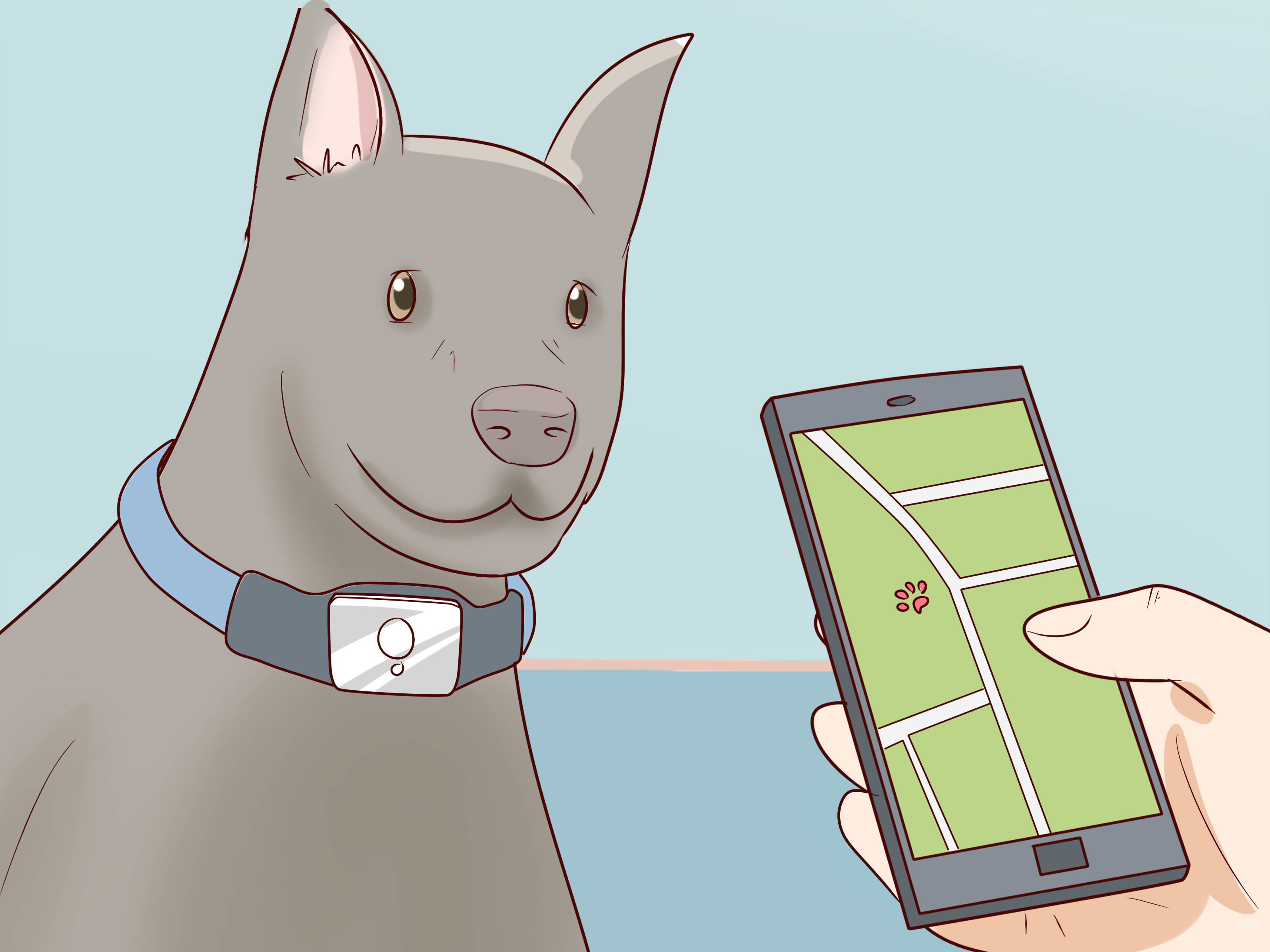
Lightweight trackers show live location on your phone. If your pup loves to roam, this gadget turns a potential crisis into a quick pickup.
Legal Considerations
File a Report
Notify local animal control. An official record prevents your dog from being classified as a stray and protects both of you.
Stay Safe with Strangers
If someone claims to have your dog, meet in a public place and ask for a photo before arranging the hand-off.
Conclusion
Finding a lost dog tests your patience, but methodical action pays off. Combine posters, people power, and tech tools, and keep the words “find my pup” in your head—and on your posters—until the happy reunion.
Future Research Directions
Studies could compare which search tactics work best in cities versus rural areas, while engineers explore lighter trackers and longer battery life. Research on owner support during the search could also ease stress and improve outcomes.
By blending the tips above, every guardian can answer the call to “find my pup” and open the door to a wagging-tail homecoming.