Title: The Impact of Online Pet Rehoming: A Comprehensive Analysis
Introduction:
Online pet rehoming platforms connect animals in need of new families with caring adopters. These services have grown rapidly in recent years, helping to lower shelter populations and encourage adoption. This article explores how such platforms operate, their benefits, and the obstacles they face. By looking at effectiveness, user feedback, and wider adoption trends, we can better understand their role in supporting animal welfare.
Effectiveness of Online Rehoming Platforms
Digital rehoming tools have shown strong results in moving animals from shelters into homes. Key reasons for their success include:
1. Wide Reach: National networks of shelters and rescue groups list pets in one centralized place, giving each animal exposure to countless potential adopters.

2. User-Friendly Interface: Simple search filters for size, age, and temperament help adopters quickly find a good match, speeding up the process for both people and pets.
3. Detailed Profiles: Photos, medical notes, and behavior descriptions allow adopters to make informed choices and reduce the chance of returns.
User Experiences
Most adopters report smooth, positive experiences. Common themes include:
1. Success Stories: Families often share how an online listing led them to a companion who fits perfectly into their lives.
2. Emotional Connection: Meeting a pet through a trusted platform fosters immediate trust, creating lasting bonds that enrich both human and animal lives.
3. Community Support: Forums and social media groups formed around these platforms let new pet parents exchange tips, arrange playdates, and celebrate milestones together.
Broader Implications of Pet Adoption
The ripple effects of adopting rather than shopping extend far beyond one household:
1. Reducing Animal Homelessness: Every successful adoption frees up shelter space and resources for the next animal in need.
2. Promoting Animal Welfare: Stable homes provide consistent care, exercise, and affection, leading to healthier, happier pets.
3. Educating the Public: Highlighting adoptable animals raises awareness about overpopulation and encourages responsible, lifelong guardianship.
Challenges and Future Directions
Despite progress, several hurdles remain:
1. Accessibility: Rural areas and lower-income communities still face barriers to both listing and adopting pets; expanding mobile-friendly services and transport programs can help bridge the gap.
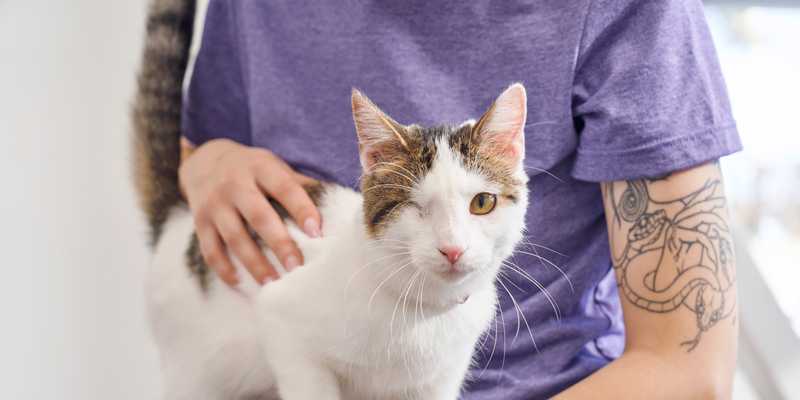
2. Training and Support: Post-adoption guidance on training, nutrition, and healthcare increases retention and keeps pets in their new homes.
3. Collaboration with Other Organizations: Partnerships among shelters, veterinarians, and trainers can create a seamless continuum of care that benefits animals at every stage.
Conclusion:
Online rehoming platforms have become essential allies in the effort to place shelter animals into loving homes. Their broad reach, positive user feedback, and educational impact make them powerful tools for change. By continuing to improve accessibility, provide ongoing support, and strengthen partnerships, these services can further reduce homelessness and promote a culture of compassionate adoption for years to come.