Title: The Mystery of Cat Missing Fur on Back Leg: Causes, Effects, and Solutions
Introduction
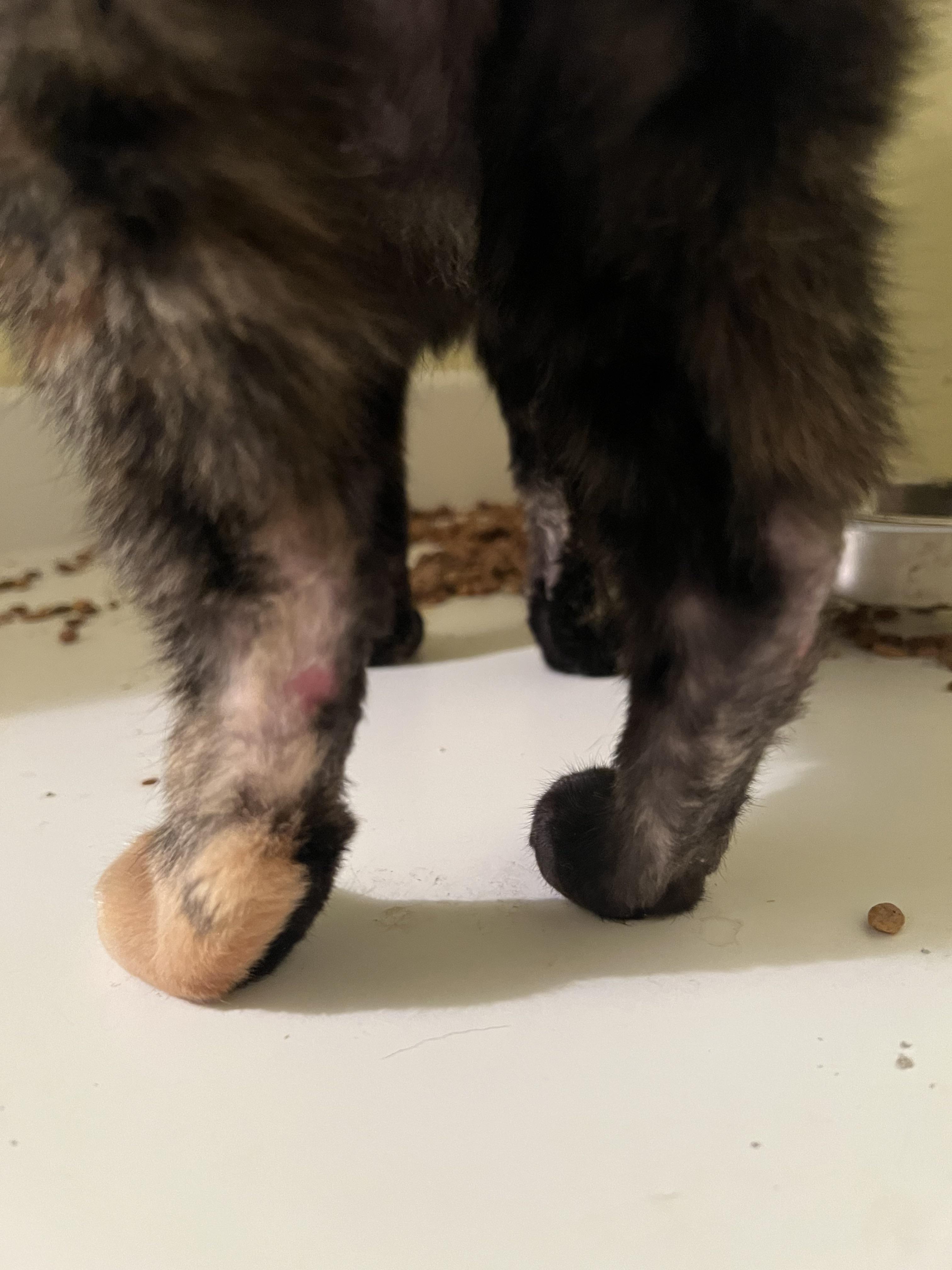
Finding a bald patch on a cat’s hind leg can worry any guardian. Recognizing why it happens, what it can lead to, and how to help keeps our feline friends comfortable. This overview examines common triggers, possible consequences, and practical steps to restore a full, healthy coat.
Causes of Missing Fur on a Cat’s Back Leg
Several everyday issues can thin or remove fur on the rear limb:
1. Allergies: Reactions to food ingredients, pollen, dust, or flea saliva often start with itchy skin and progress to hair loss.
2. Skin Infections: Bacteria, yeast, or tiny parasites can inflame follicles and cause patches to fall out.
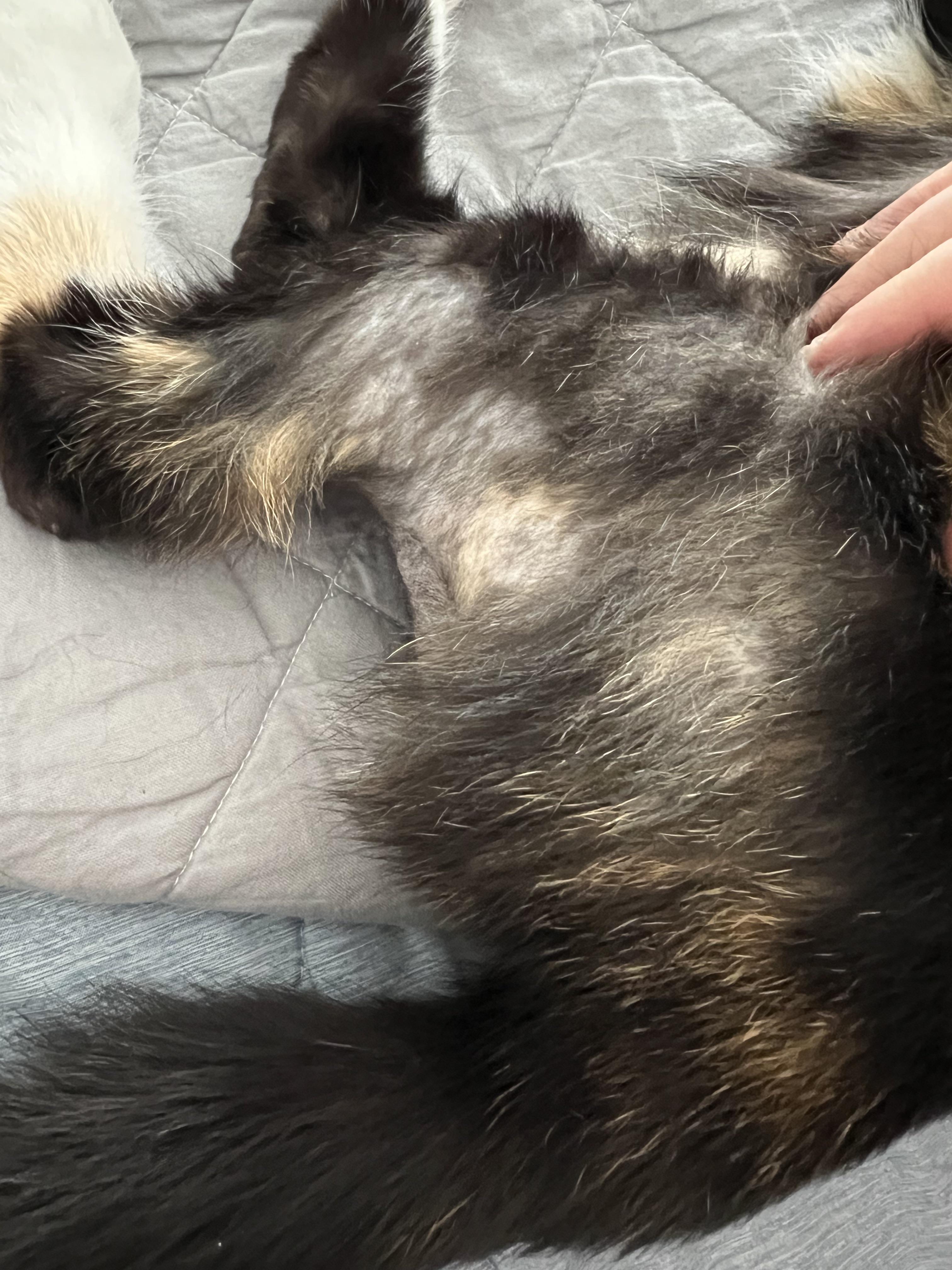
3. Immune-Mediated Problems: Sometimes the body’s own defenses mistakenly target skin cells, leading to symmetrical bald spots.
4. Hormonal Imbalances: Over- or under-production of thyroid or adrenal hormones can interrupt normal hair cycles.
5. Minor Injuries: Scratches, scrapes, or over-grooming after a small wound can leave temporary bare areas.
6. Hereditary Traits: Certain breeds carry genes that make thinner leg fur more likely.
Effects of Missing Fur on a Cat’s Back Leg
Bare skin on the limb can influence overall comfort in several ways:
1. Ongoing Itch: Without fur to buffer irritants, scratching can increase, widening the patch.
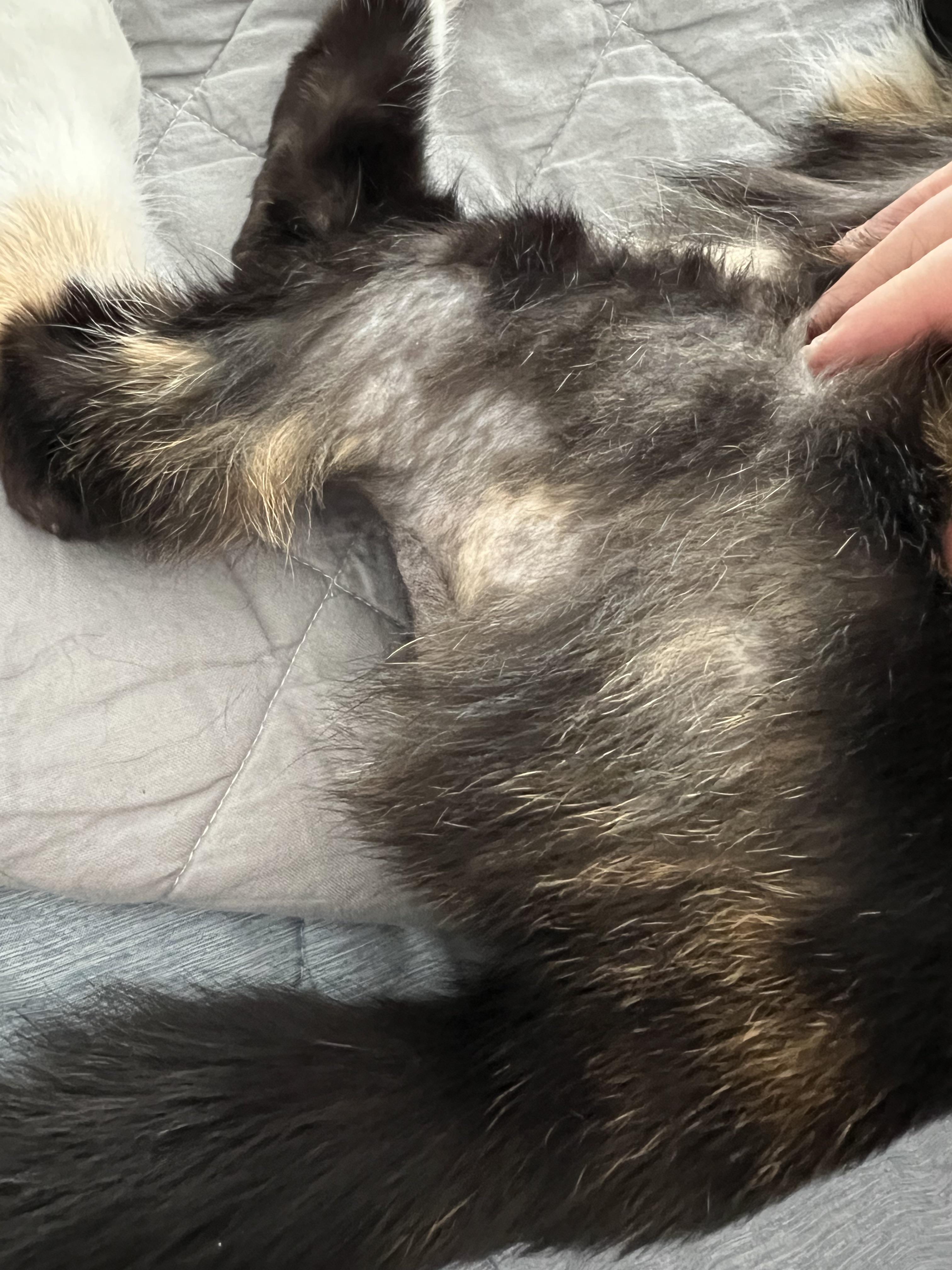
2. Secondary Infection: Open or moist skin invites bacteria, slowing regrowth.
3. Behavioral Changes: Discomfort may prompt hiding, irritability, or compulsive licking.
4. Temperature Sensitivity: A lack of insulation can make a cat seek warmer spots or shiver in cool rooms.
Diagnosis and Treatment
A vet visit is the fastest route to answers. A typical work-up includes:
1. Hands-on Exam: The clinician checks for redness, scale, parasites, or pain.
2. Simple Tests: Skin cytology, fungal culture, hormone screen, or blood work help rule suspects in or out.
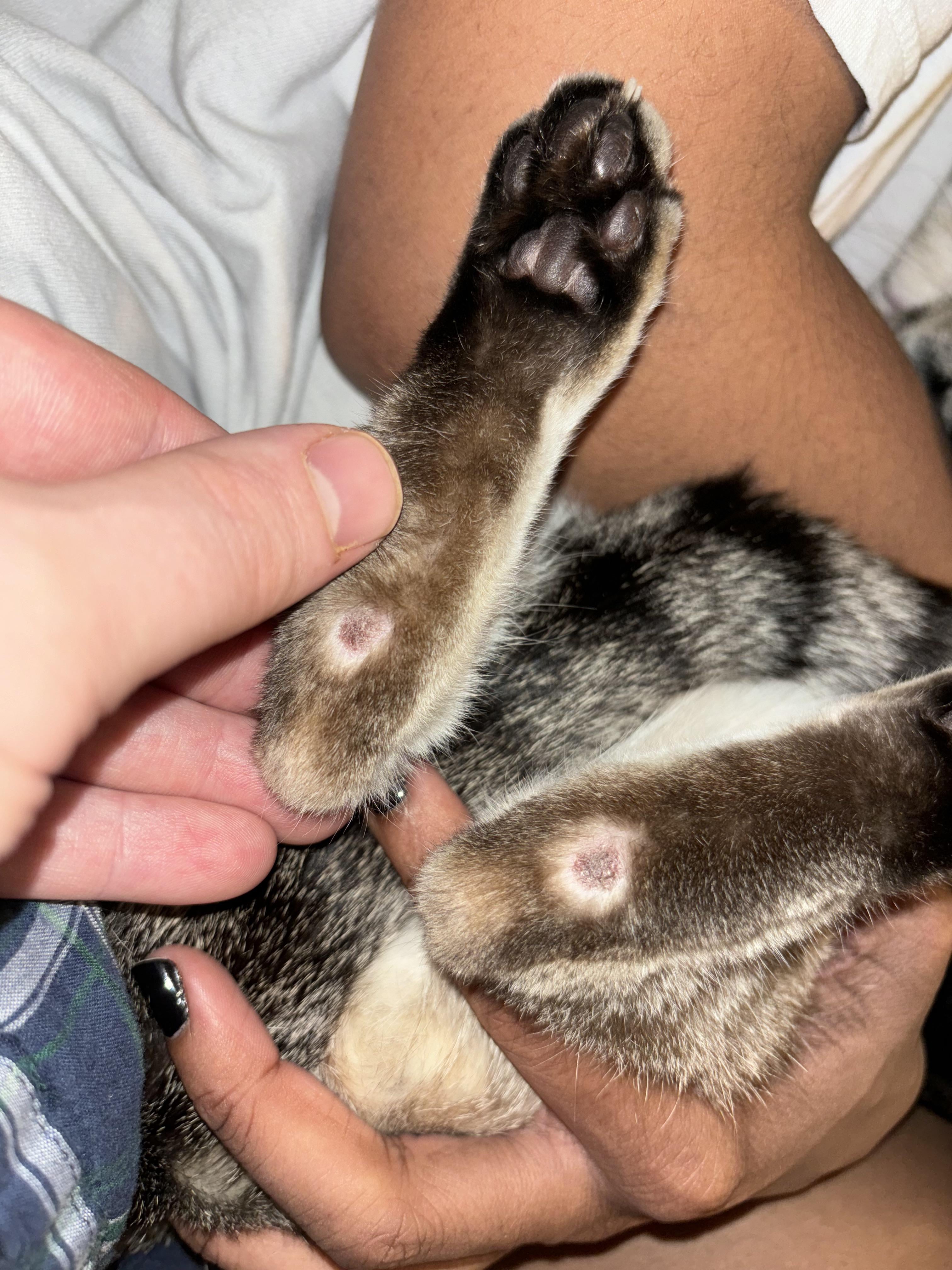
3. Tailored Plan: Once the trigger is clear, options may include:
– Medications: Antihistamines, anti-inflammatories, antibiotics, or hormone regulators target the root issue.
– Topical Support: Medicated shampoos, soothing mousses, or antibiotic creams calm the area and speed regrowth.
– Lifestyle Tweaks: Switching diets, upgrading flea control, or reducing stressors lowers relapse risk.
– Minor Procedures: If a growth or embedded foreign body is present, gentle removal under sedation may be needed.
Prevention and Care
Good routines at home go a long way toward keeping legs fully furred:
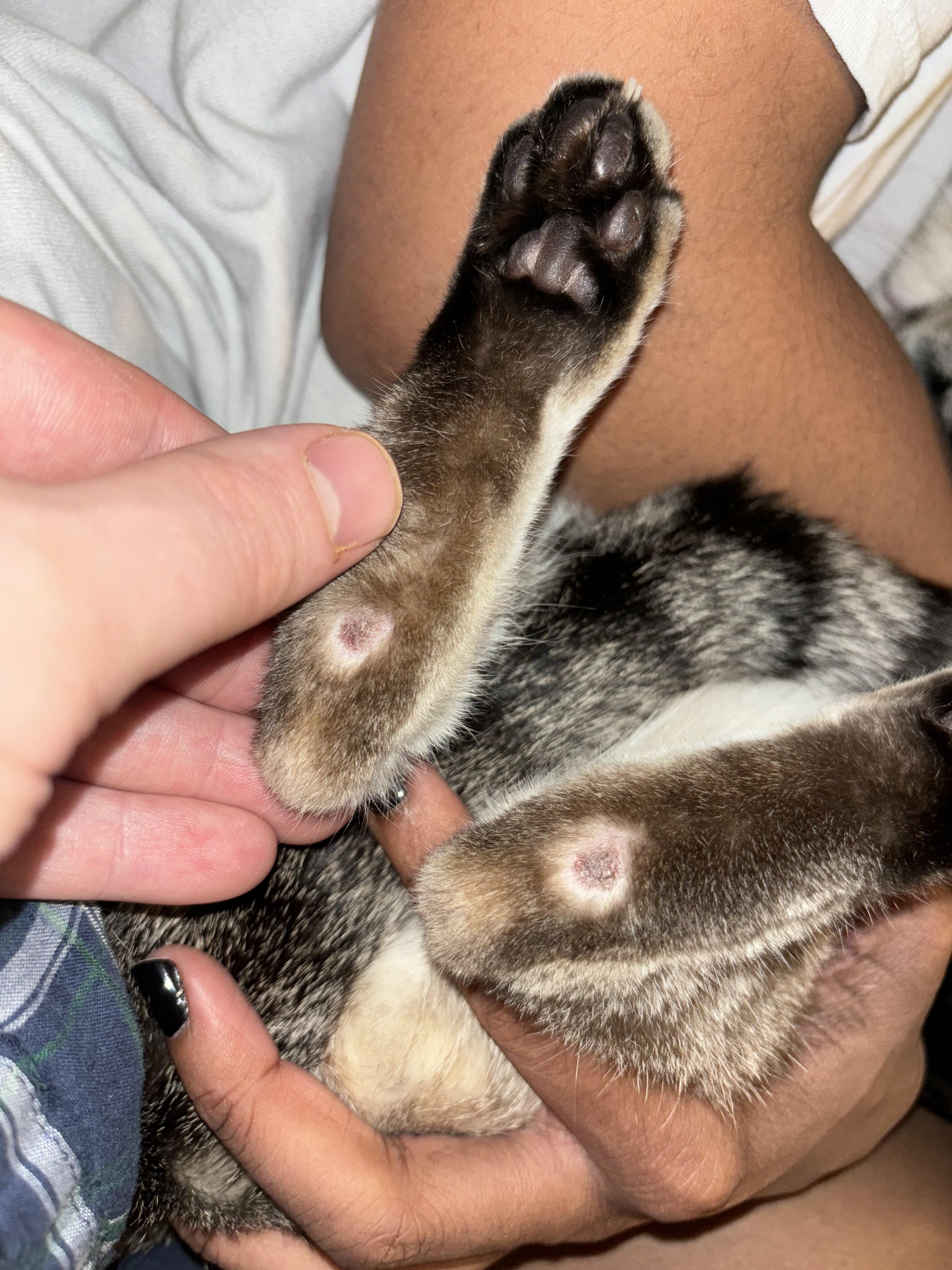
1. Gentle Brushing: Weekly comb-outs remove debris and distribute skin oils, revealing early trouble spots.
2. Parasite Control: Year-round flea, tick, and mite prevention breaks the itch-scratch cycle.
3. Balanced Nutrition: High-quality food rich in omega fatty acids supports resilient skin and strong hair shafts.
4. Calm Environment: Cozy beds, predictable schedules, and enriching toys reduce stress-related over-grooming.
Conclusion
A bald hind leg is usually a solvable puzzle. By seeking prompt veterinary guidance, following targeted therapy, and sticking to steady preventive care, guardians can help their cats regrow sleek, healthy coats and return to confident, comfortable lives.
Staying observant and proactive remains key. Regular check-ups, quick action when fur first thins, and a nurturing home set the stage for lasting skin health and feline happiness.