The Impact of Shelter Photography on Animal Welfare and Public Perception
Introduction
Across many communities, local humane societies rely on compelling imagery to advance animal welfare. Photographs that capture rescued animals in moments of trust, play, or quiet rest have become central to adoption campaigns and donor outreach. This article examines how thoughtful shelter photography influences the way people view homeless animals and, ultimately, how it affects adoption rates and community support.
The Content of Shelter Photos
The Purpose of Shelter Photos
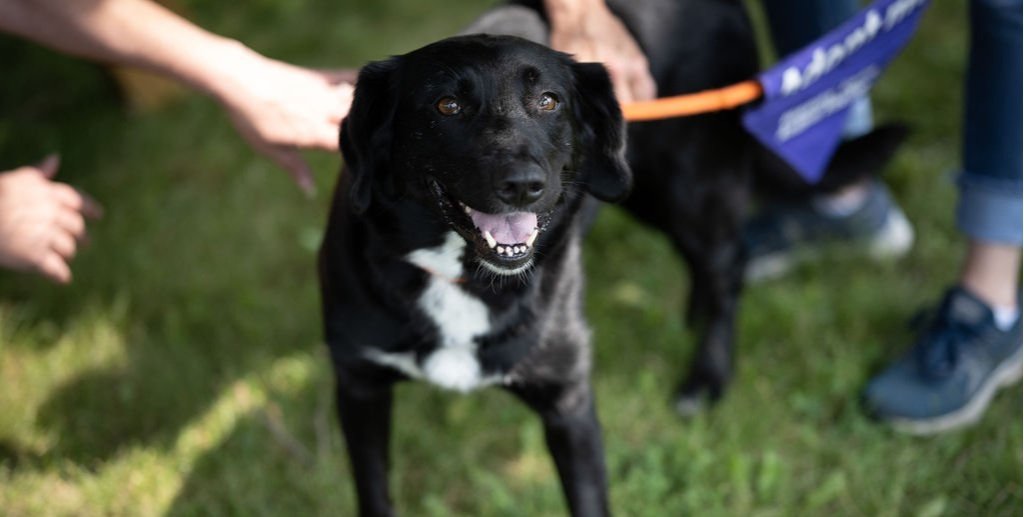
Shelter photos serve as a first introduction between animals and the public. By highlighting each pet’s personality—whether a curious tilt of the head or a relaxed sprawl in the grass—the images invite viewers to imagine that animal in their own home. The goal is to replace vague ideas about “shelter pets” with vivid, positive impressions of individuals ready for a fresh start.
Types of Photos Used
Effective campaigns usually blend several styles:
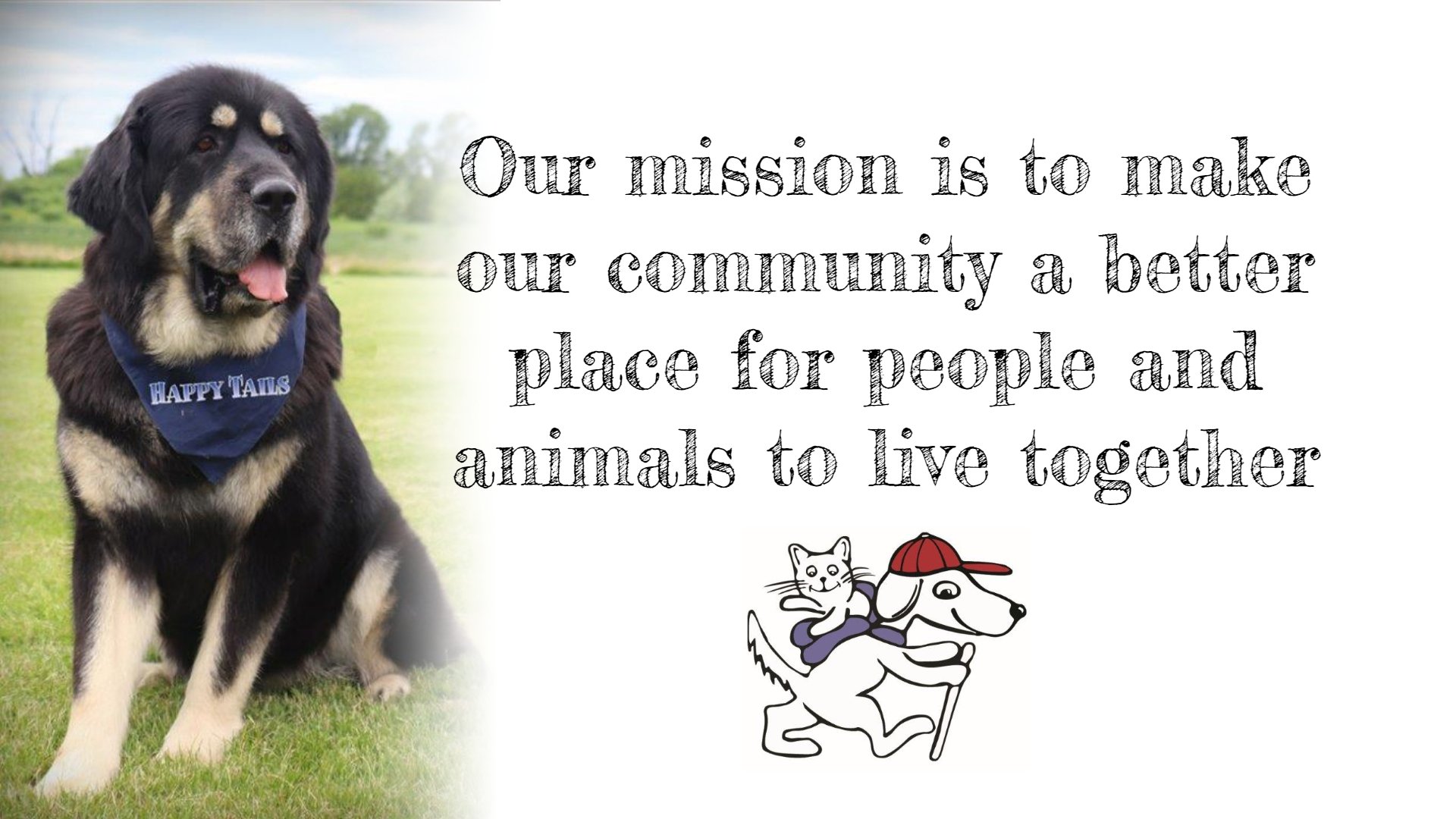
– Portraits: Tight frames that focus on expressive eyes and unique markings.
– Action Shots: Dogs mid-fetch or cats pouncing on toys, showing energy and health.
– Lifestyle Images: Pets lounging in foster living rooms or greeting volunteers, illustrating how quickly they adapt to home life.

The Impact of Photo Content
When animals appear relaxed, clean, and engaged, viewers are less likely to associate them with the stigma of abandonment. Positive visuals counter outdated myths that shelter animals are inevitably damaged, encouraging more families to consider adoption first.
The Style of Shelter Photos
The Importance of Aesthetics
Clear focus, soft natural light, and uncluttered backgrounds draw attention to the subject rather than the surroundings. In a social-media feed crowded with snapshots, a well-lit portrait can pause the scroll and spark an emotional connection within seconds.

Consistency in Style
Using similar color tones, angles, and logo placement across posts creates a recognizable brand. Followers begin to associate a certain look with trustworthy, caring shelter practices, which builds long-term engagement.
The Impact of Shelter Photos on Public Perception
The Role of Empathy
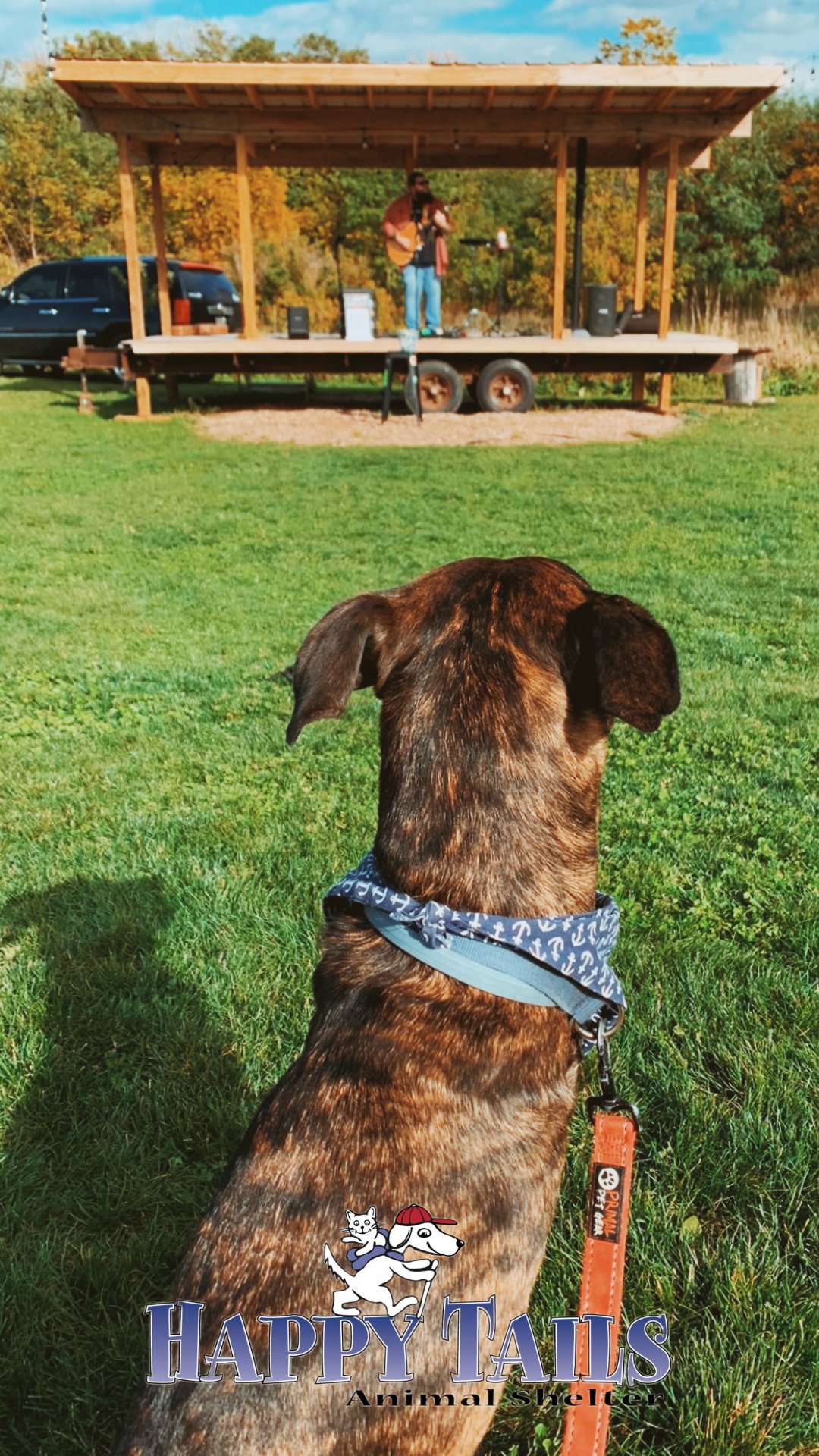
A single image of a senior dog resting its chin on a volunteer’s knee can convey trust and gratitude more powerfully than paragraphs of text. By triggering empathy, photos motivate people to adopt, foster, donate, or simply share the post—each action expanding the animal’s circle of potential helpers.

The Power of Storytelling
Pairing “before” and “after” images—thin, anxious arrivals alongside healthy, bright-eyed graduates—narrates a journey of resilience. Stories anchored in visuals are memorable and give supporters a clear sense of impact when they choose to help.
Evidence and Research
Case Studies
Shelters that replaced hurried, blurry intake photos with relaxed, outdoor portraits reported noticeable jumps in online adoption inquiries within weeks. Follow-up surveys revealed that visitors felt “already acquainted” with the pets before arriving, shortening the decision-making process.

Expert Opinions
Photographers specializing in nonprofit work emphasize patience: waiting for the moment an animal’s ears relax or eyes soften yields authenticity that viewers instinctively trust. Welfare professionals add that consistent, upbeat imagery also boosts staff morale, reminding caregivers why their work matters.
Conclusion
Strategic photography turns anonymous shelter animals into individuals with names, quirks, and future families. By investing in calm, consistent, story-rich images, humane societies foster empathy, speed up adoptions, and strengthen community support networks that benefit every species involved.
Recommendations and Future Research
Shelters looking to maximize impact can consider the following steps:
– Prioritize Quality: Schedule short, daily photo sessions in quiet, naturally lit areas to keep portfolios fresh without overwhelming animals or staff.
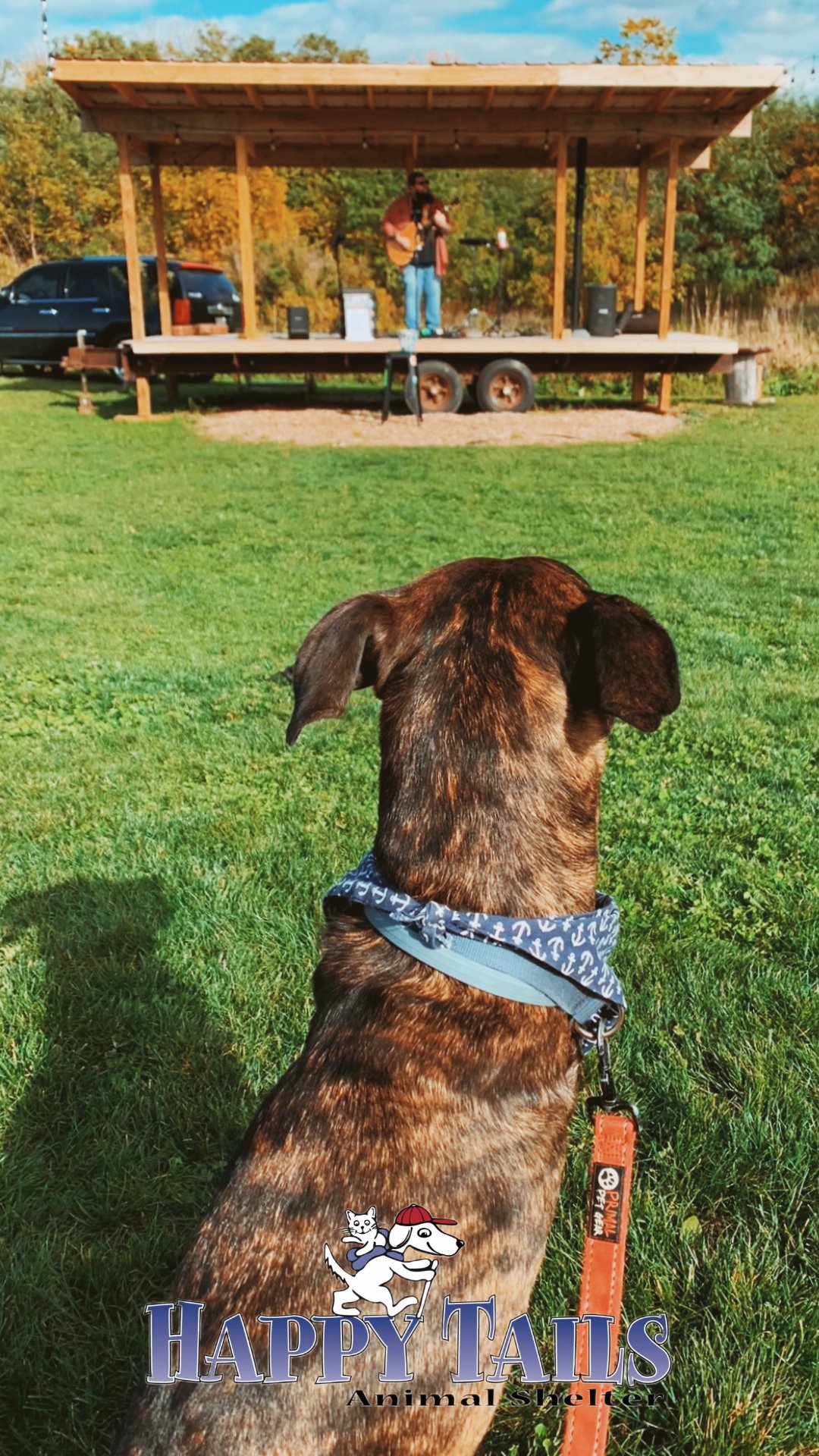
– Showcase Variety: Rotate featured pets by age, size, and temperament to reach different household preferences and dismantle lingering breed stereotypes.
– Share Knowledge: Partner with neighboring rescues to exchange tips on lighting, editing apps, and caption writing, raising standards across the region.
Future studies could track how long professionally photographed pets remain in care versus those with standard intake images, or analyze which backgrounds—urban parks, homey living rooms, minimalist studios—resonate best with various demographics. Continued refinement of visual strategies will ensure that every click, share, and adoption moves more animals from kennels to couches.