Wildlife Haven Costa Rica: A Sanctuary for Rescued Creatures and a Blueprint for Conservation
Introduction
Nestled amid emerald forests, Wildlife Haven Costa Rica offers refuge to injured, orphaned, and displaced animals. This peaceful sanctuary heals bodies and minds, giving every guest a second chance at life. The following overview highlights its mission, daily work, and the wider lessons it offers anyone who cares about protecting nature.
The Mission and Vision of the Sanctuary
The center was founded to provide lifelong care for animals that cannot survive in the wild and to teach visitors how everyday choices affect biodiversity. Guided by respect for all species, the team combines rescue, rehabilitation, education, and habitat protection.
The Range of Services Offered
Wildlife Haven delivers comprehensive support:
Rehabilitation and Medical Care
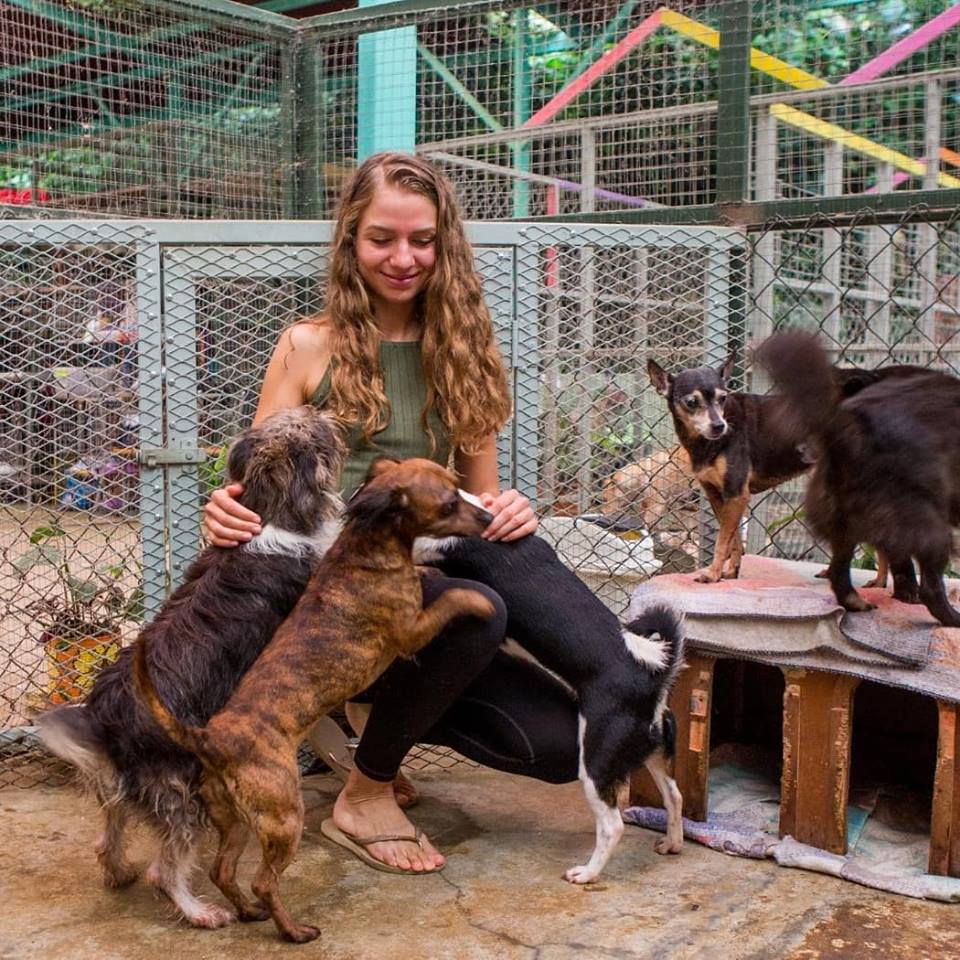
On-site veterinarians and volunteer nurses treat broken wings, respiratory infections, malnutrition, and trauma. After surgery or physiotherapy, animals move to spacious enclosures that mimic natural surroundings, reducing stress and encouraging natural behavior.
Education and Outreach
Guided tours, school programs, and monthly webinars explain the ecological roles of local species and demonstrate simple actions—such as reducing plastic use—that protect wildlife far beyond the sanctuary gates.
Rescue Operations
A small rapid-response team answers calls from farmers, hikers, and coast-guard stations. Whether the patient is a baby sloth separated from its mother or a parrot caught in illegal trade, staff stabilize the animal on site and transport it to the clinic.
Lifetime Sanctuary and Adoption Pathways
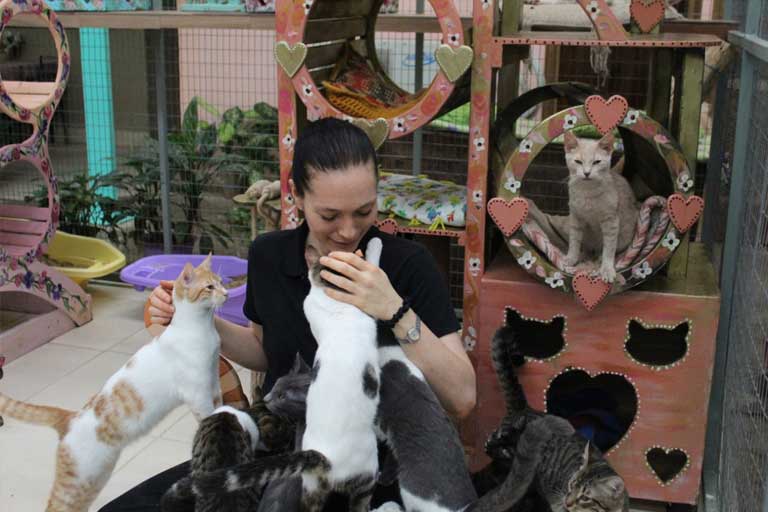
Creatures deemed non-releasable remain in large, enriched habitats. Some birds and small mammals join accredited educational programs, while others become ambassadors that deepen public empathy without ever being sold or bred.
The Impact of the Center
Measurable results ripple outward:
Raised Awareness
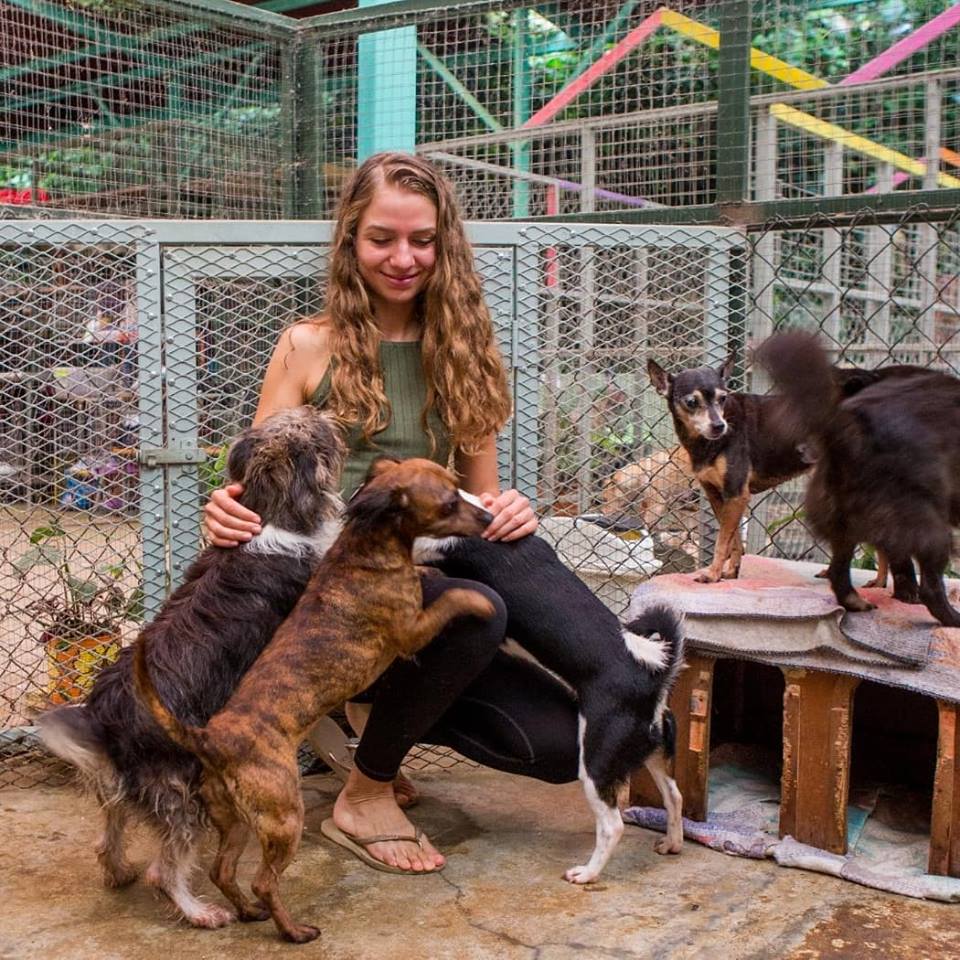
More than ten thousand students and tourists leave the facility each year pledging to plant native trees, report wildlife crimes, and support ethical tourism.
Biodiversity Safeguard
By returning healthy individuals to protected reserves, the sanctuary helps maintain genetic diversity in fragile populations of owls, opossums, and reptiles.
Community Empowerment
Neighboring villages now run monthly clean-ups and patrol nearby nesting beaches, turning former poachers into proud guardians.
Challenges and Solutions
Growth brings hurdles:
Financial Constraints
Medical supplies, specialized diets, and enclosure maintenance strain limited funds. The team counters this by launching crowd-funding campaigns, hosting benefit concerts, and partnering with eco-lodges that donate a portion of guest fees.
Resource Limitations
Space is finite. Rotational enclosures, vertical climbing towers, and off-site pre-release pens maximize every square meter while ensuring animals still experience natural stimuli.
Legal and Ethical Considerations
Strict wildlife laws require meticulous record-keeping and periodic inspections. The sanctuary meets these standards through transparent protocols and continuous staff training.
To strengthen long-term stability, managers also:
– Diversify income through branded fair-trade crafts made by local artisans.
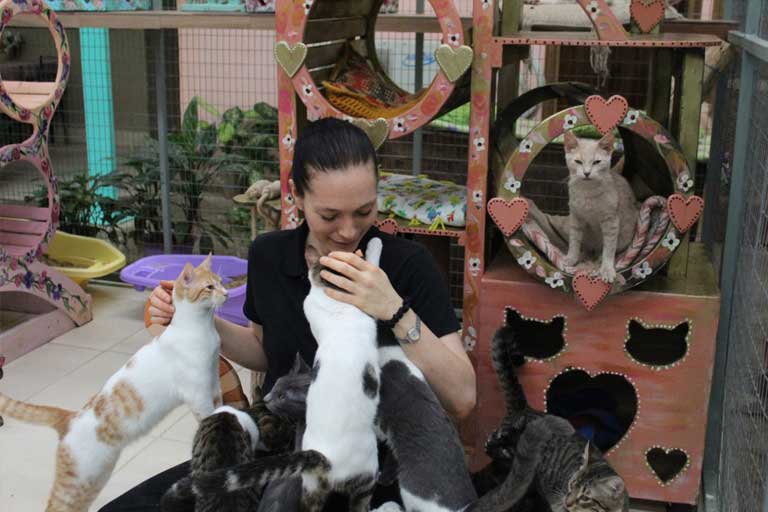
– Share veterinary equipment and training with nearby rescue hubs, cutting costs for everyone.
– Expand volunteer programs that trade room and board for skilled labor, from carpentry to social-media outreach.
Lessons Learned and Future Directions
Key takeaways inspire replication elsewhere:
Compassion and Commitment
Consistent, hands-on care transforms even the most traumatized creatures, proving that patience and empathy are powerful conservation tools.
Community Involvement
When residents see tangible benefits—cleaner rivers, new jobs, pride in their natural heritage—they become lifelong allies.
Innovative Solutions
Creative funding, shared resources, and open-source education modules allow small organizations to punch above their weight.
Conclusion
Wildlife Haven Costa Rica illustrates how a single sanctuary can radiate hope, knowledge, and practical action. By healing animals, educating people, and uniting communities, it models a compassionate path toward a world where humans and wildlife thrive together. Its story invites each of us to protect the wild places we love, ensuring future generations inherit a planet still rich in biodiversity and wonder.