The Impact of Petting a Dog: A Comprehensive Analysis
Introduction
Gently stroking a dog is one of the oldest and simplest forms of human-animal connection. This article explores how this everyday gesture influences our minds, bodies, and social lives. By looking at current research, we can better understand why a quiet moment with a dog often leaves us feeling calmer, happier, and more connected.
The Psychological Benefits of Petting a Dog
Stress Reduction and Emotional Well-being
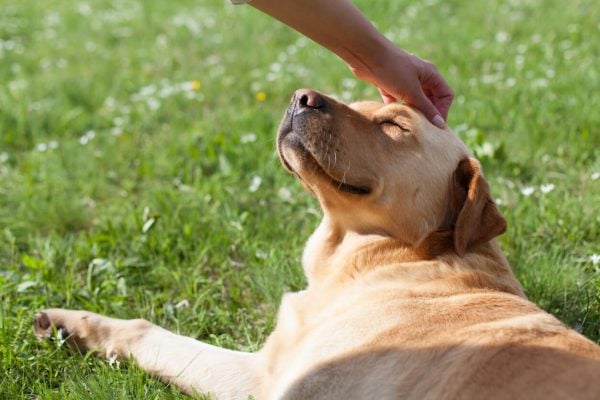
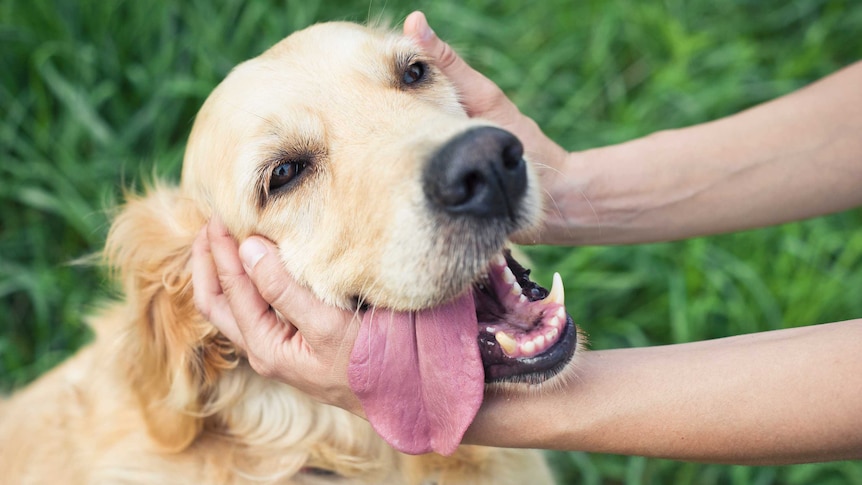
Spending even a few minutes petting a friendly dog can lower stress hormones and slow a racing mind. The rhythmic motion of stroking fur, combined with the dog’s steady presence, encourages slower breathing and a relaxed posture, creating an immediate sense of comfort.
Enhanced Mood and Happiness
Dogs excel at reading human emotions and responding with warmth. When they lean into a gentle hand or offer a soft gaze, the interaction triggers the release of natural mood boosters, leaving both person and pet with a shared feeling of contentment.
The Physiological Benefits of Petting a Dog
Cardiovascular Health
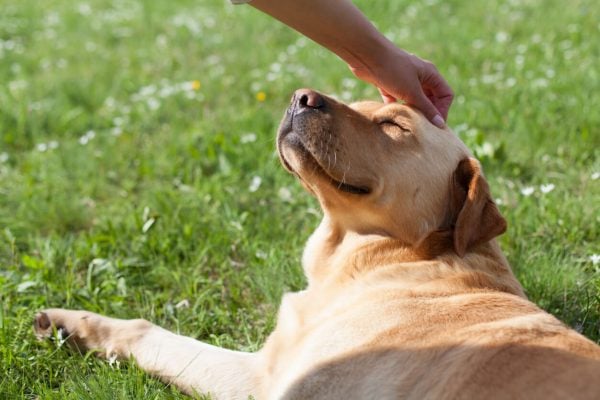
Regular, positive contact with dogs has been linked to steadier heart rhythms and lower blood pressure. The calming effect of petting appears to reduce the body’s stress response, supporting overall heart health over time.
Improved Immune System
Early exposure to the everyday microbes dogs carry may help the immune system mature in a balanced way. Families who share their lives with dogs often report fewer seasonal allergies and milder reactions to common irritants.
The Social Benefits of Petting a Dog
Building Social Connections
A dog at the end of a leash is an open invitation to conversation. Strangers become acquaintances when they swap stories about breeds, training tips, or funny habits, turning sidewalks and parks into informal meeting places.
Community Involvement
Shared spaces such as dog parks encourage repeat visits and friendly faces. Over time, these casual greetings can grow into a supportive network where neighbors watch out for one another and organize events that benefit both people and pets.
The Science Behind Petting a Dog
Neuroscience of Petting a Dog
Physical touch between human and dog elevates oxytocin—the same “bonding hormone” that rises when parents cradle infants. This chemical surge strengthens mutual trust and reinforces the feeling that both beings are safe and valued.
Animal Behavior and Communication
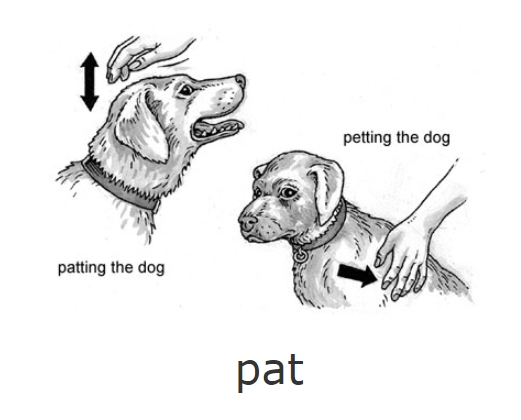
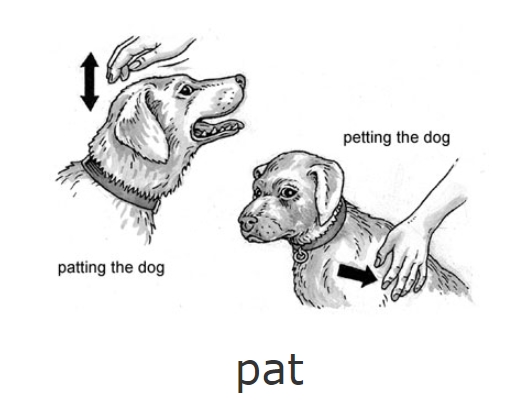
Dogs interpret gentle strokes as social grooming, a sign of acceptance in canine culture. Slow, consistent movements along the shoulders or chest mimic the calming licks exchanged between pack members, signaling friendship rather than threat.
Conclusion
From easing daily tension to sparking new friendships, the simple act of petting a dog carries wide-ranging rewards. Science continues to uncover the subtle ways this shared moment of touch nurtures both species, reminding us that wellbeing can begin with an open hand and a willing canine companion.
As interest in human-animal interaction grows, future studies may reveal even deeper layers of benefit. Until then, a friendly pat remains an easy, joyful practice available to anyone who crosses paths with a dog ready to say hello.
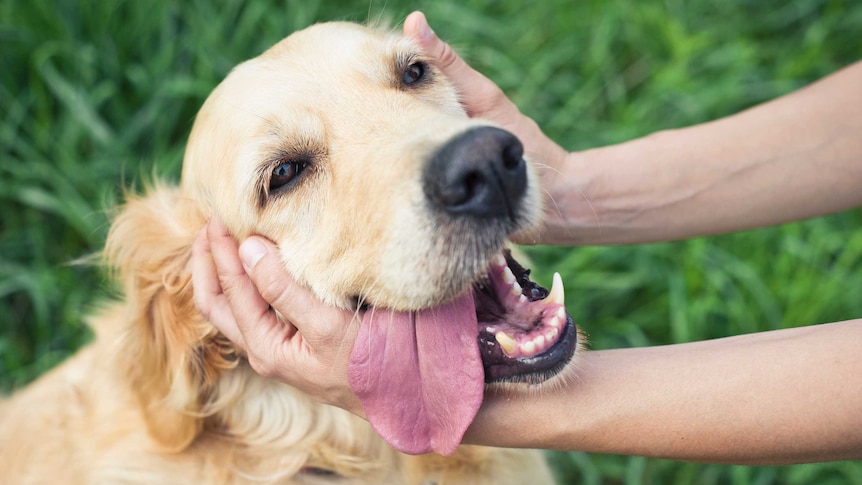
So the next time a wagging tail greets you, consider pausing for a quiet stroke. In that brief exchange, you may find a pocket of peace amid a busy day—proof that small gestures can still create lasting comfort.