Bull Terrier Puppies: A Friendly Guide
Introduction
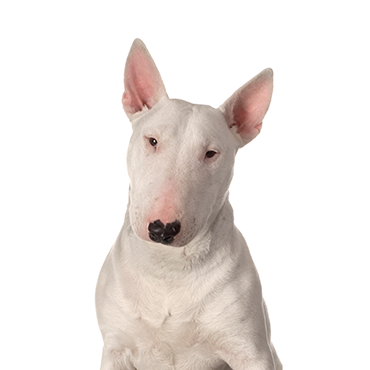
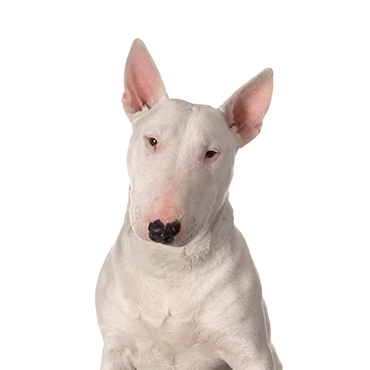
The Bull Terrier is a well-loved breed recognized for its unique egg-shaped head, playful spirit, and quick wit. If you are thinking of welcoming one of these pups into your life, this overview will help you prepare. We will look at the breed’s background, typical traits, and how to choose a responsible source. We will also touch on general ownership rules and everyday care tips so your new companion can thrive.
The History of the Bull Terrier
Bull Terriers first appeared in nineteenth-century Britain. Early specimens were bred for rugged work, but once blood sports were banned, enthusiasts reshaped the dog into a gentle, devoted household partner. Selective breeding softened aggressive tendencies and emphasized the sleek, muscular outline that turns heads today.

Characteristics of the Bull Terrier
These dogs are famous for courage, curiosity, and deep loyalty. They learn quickly yet can be independent, so patient, upbeat training works best. Key points to know:
– Size: Medium build, usually 45–75 lb.
– Coat: Short, glossy, and low-maintenance.
– Color: Predominantly white, but brindle, fawn, tri-color, and black markings also occur.
– Temperament: Affectionate with family, spirited on walks, and always ready for play.

Finding a Responsible Breeder
Choosing a caring breeder is the first step toward a healthy puppy. Look for someone who:
– Keeps clean, spacious quarters and welcomes your visit.
– Introduces parent dogs so you can assess temperament.
– Shares health-screening records for heart, kidney, and hearing.
– Offers a written health guarantee and lifetime take-back policy.
Legal Aspects of Puppy Ownership
Rules vary by region, but most places require:
– Minimum age of eight weeks before placement.
– A vet-signed health certificate for travel.
– Up-to-date deworming and first vaccines.
Always check local ordinances on licensing, leash laws, and breed-specific requirements.
Caring for Your Bull Terrier Puppy
A happy Bull Terrier needs structure, exercise, and affection. Essentials include:
– Balanced puppy food divided into three small meals until six months of age.
– Short, fun training sessions that reward good behavior with praise or toys.
– Daily walks and interactive games to burn energy and prevent boredom.
– Regular vet visits, parasite prevention, and core vaccinations on schedule.

Conclusion
With the right start, a Bull Terrier becomes a comical, devoted sidekick for active households. Research breeders, learn local rules, and commit to training and exercise. Do this, and you will share many joyful years with your new four-legged friend.
Future Research
Scientists continue to study the genetics behind the breed’s distinctive head shape and spirited personality. Long-term health tracking may reveal ways to reduce hereditary deafness or kidney issues. Such work helps breeders produce sounder dogs and gives owners clearer expectations.