Title: Understanding and Managing Oily Coats in Cats
Introduction
A coat that looks unusually shiny or oily can worry many cat guardians. While a thin layer of natural oil is normal and keeps the fur water-resistant, too much can point to grooming problems or health imbalances. This overview explains why excess oil develops, what it means for comfort and hygiene, and how gentle, everyday care can restore a soft, matte finish.
Causes of Oily Coats
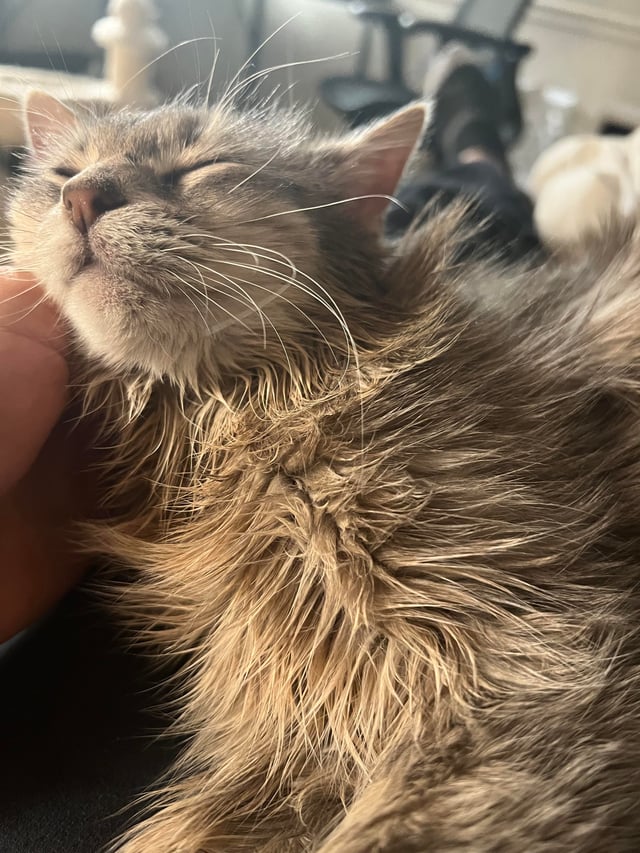
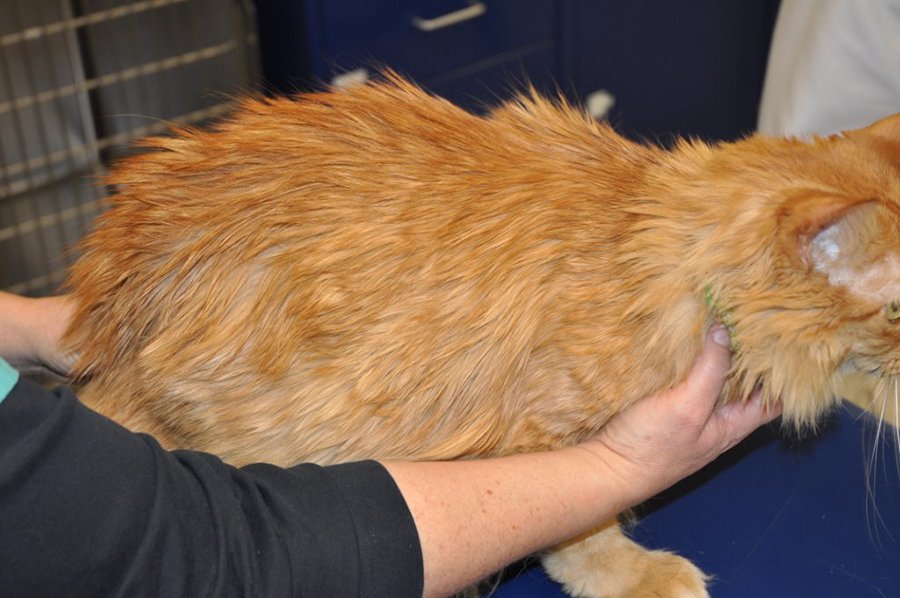
1. Sebum Overproduction: Every hair follicle contains tiny glands that release protective oils. If these glands work overtime—sometimes linked to age-related hormone shifts—the fur can feel slick or clump together.
2. Nutritional Gaps: Diets short on quality protein, beneficial fats, or key micronutrients often show up first in the skin and coat, leaving hair looking heavy and greasy.
3. Limited Self-Grooming: Pain, excess weight, arthritis, or simply feeling unwell can reduce the time a cat spends licking and smoothing its fur, letting oils accumulate.
4. Chronic Stress: Ongoing anxiety can trigger hormonal changes that raise oil output, giving the coat a persistently wet look.
5. Underlying Health Issues: Disorders that influence metabolism or immunity may alter skin secretions, making the coat appear oily even when the cat is otherwise bright.
Effects of Excess Oil
1. Skin Discomfort: Built-up sebum can block follicles, causing itchiness, flaking, or small scabs if the cat over-scratches.
2. Musty Smell: Trapped oils trap dirt and skin bacteria, producing a noticeable odor that lingers on hands and furniture.
3. Dull Appearance: Instead of a light, airy coat, the fur lies flat and looks dirty within hours of brushing.
4. Parasite Friendly Environment: A thick, oily layer gives fleas and mites extra cover, making infestations harder to spot and remove.
Everyday Solutions
1. Gentle Brushing: A few minutes daily with an appropriate brush lifts dead hair, redistributes oils along the shaft, and prevents clumps. Finish with a soft cloth to wipe away surface residue.
2. Balanced Meals: Choose complete, age-appropriate foods approved by veterinary nutritionists; add an omega-3 supplement only if your vet recommends it.
3. Calm Surroundings: Provide quiet resting spots, predictable routines, and engaging toys to lower stress. Diffusers that mimic feline facial pheromones can also help anxious individuals relax.
4. Routine Health Checks: Annual or twice-yearly exams catch early signs of hormonal or metabolic disease before they affect the coat.
5. Occasional Bathing: When oil buildup is severe, a mild feline shampoo followed by thorough rinsing can reset the coat. Limit baths to every few months to avoid stripping necessary oils.
6. Vet-Guided Topicals: Medicated wipes, mousses, or leave-on conditioners may be prescribed for cats with chronic seborrhea; always follow professional directions.
Conclusion
An oily coat usually signals an imbalance—dietary, behavioral, or medical—but it is manageable with steady, low-stress care. Regular brushing, balanced nutrition, a calm environment, and timely veterinary attention work together to keep the fur light, clean, and pleasant to pet. By staying observant and proactive, guardians can help their cats look and feel comfortable every day.